A Beginner’s Guide to Replacing a Golf Cart Charger
Prove the charger is really finished with five quick checks, then pick the charger, plug or cable that matches your receptacle, pack voltage and battery type.
- Check before you buy. A flat pack, a worn receptacle or a Club Car OBC makes many healthy chargers look dead. Five checks settle it.
- The receptacle picks the section, not the badge. E-Z-GO and Yamaha each used two different 48V plugs.
- Match the battery type. Each ChargePlus is programmed for flooded, AGM, gel or lithium; the TORO720 is set up in its app.
- Factory lithium is different. ELiTE chargers suit only factory ELiTE batteries; our Club Car lithium units do not suit factory Vanguard lithium.
- Only the plug damaged? A pigtail cable replaces the plug and lead without a new charger.
You plug the cart in and nothing happens, or the charger clicks and gives up, and it looks like the charger has died. Maybe it has. Here is the 30-second answer to golf cart charger replacement: run the five checks below first, because a flat pack, a worn receptacle or the cart’s own charge control often causes the same symptoms; if the charger fails them, look at your receptacle, count your batteries and read one battery label, then find the matching row. Every row says why it fits and whether you need anything else.
- What This Guide Helps You Do
- Is It Really the Charger? Symptoms That Do and Do Not Point to It
- Confirm the Charger Is Done: Five Checks Before You Buy
- Quick Picks: Replacement Chargers for the Most Common Carts
- Golf Cart Charger Replacement: Plug, Voltage and Battery Type
- Club Car 48V Carts: The 3-Pin Receptacle
- Club Car and Yamaha 36V Carts
- E-Z-GO 36V Carts: The Round D-Shape Receptacle
- E-Z-GO 48V Carts: Triangle and TXT Receptacles
- E-Z-GO ELiTE Carts on Factory Lithium
- Yamaha 48V Carts: G19 and G22, Drive and G29
- STAR EV Carts: 36V and 48V
- SB175 Connectors, Ring Terminals and 24V Equipment
- Charger Cables and Pigtails: When the Plug Is the Problem
- Which Profile and Rating: Matching the Charger to the Pack
- What Else to Check and Order to Finish the Job
- Six Mistakes That Waste a New Charger
- Still Not Sure? Three Quick Checks
- Frequently Asked Questions
What This Guide Helps You Do
A golf cart charger gets blamed for more faults than any other part, and it is usually innocent. This guide does two jobs, in this order. First it helps you prove the charger is really finished, with five quick checks that take our charger fault tree as their map. Then it shows you exactly which charger, plug or cable to buy for your cart, with the reasoning shown on every row.
You need three facts before you start:
- Your pack voltage. Count the batteries and read one label. Six 6V batteries make 36V; six 8V or four 12V batteries make 48V. A single lithium pack says 38.4V (a 36V pack) or 51.2V (a 48V pack) on the case.
- Your charge receptacle. Look at the socket on the cart where the charger plugs in: its shape, its pin count and its color. Chargers are sold by plug, and one brand can use two or three different plugs at the same voltage.
- Your battery type. Flooded lead-acid batteries have caps you top up with water. AGM and gel batteries are sealed. Lithium packs say LiFePO4 on the label. The charger must be programmed for the type you have.
Run the checks in the next two sections first. When they point at the charger, jump to your cart:
- Club Car 48V
- Club Car and Yamaha 36V
- E-Z-GO 36V
- E-Z-GO 48V
- E-Z-GO ELiTE lithium
- Yamaha 48V
- STAR EV
- SB175 and ring terminals
- Charger cables
How to read the tables: Your cart gives the cart, the receptacle in bold and the pack voltage. Your goal names the battery type the charger is programmed for, Buy this links it, Why this one gives the rating and the part number, and What else you need lists anything not in the box. Every battery type we sell for a plug gets its own row.
Is It Really the Charger? Symptoms That Do and Do Not Point to It
A charger looks at the pack before it starts, and it will not push current into a pack it does not recognise. So a flat pack, a corroded receptacle or a cart’s own charge control can all make a healthy charger look dead. What the charger does in the first thirty seconds tells you where to look.
| What the charger does | Usually the charger? | More often it is | Test it with |
|---|---|---|---|
| Nothing at all: no sound, no fan, no light | Rarely | No mains power, a pack below the charger’s start voltage, or a bad receptacle | Completely silent branch |
| Clicks or buzzes and will not settle | Sometimes | One failing battery or a corroded connection the charger rejects | Charger clicks but will not charge |
| Starts, then stops after a few minutes | Rarely | A connection heating up under current, or a blocked charger vent | Starts then stops branch |
| Runs for ever and never shows complete | Rarely | An ageing pack that can no longer reach full | Battery replacement guide |
| Charges only when you wiggle the plug | Sometimes | Worn receptacle contacts or a damaged plug and lead | Charge port tests |
| Club Car: pack and charger both test fine, still no charge | Rarely | The onboard computer (OBC) refusing the charge | OBC vs external charger |
| Lithium pack: charger wakes, no current flows | Rarely | The pack’s battery management system (BMS) blocking the charge, often in the cold | Lithium BMS section |
Still guessing? Start the golf cart troubleshooter with your symptom; it narrows the cause before you pick up a meter.
Confirm the Charger Is Done: Five Checks Before You Buy
Work through these in order with a digital multimeter. Each check either clears the charger or points at it. Take off rings and watches and keep metal tools off the battery terminals.
- Prove the wall side. Plug something else into the same outlet to prove it is live, then look along the charger’s AC cord and plug for damage. A tripped breaker or a dead garage circuit is a common, cheap cause.
- Read the pack at the pack. With the charger unplugged, read DC volts across the main positive and main negative of the pack itself. A reading near nominal clears the pack; one far below it means the pack is too flat for the charger to recognise, which is the most common reason a charger seems dead. The battery voltage chart turns the number into a state of charge.
- Compare the pack with the receptacle. Read the voltage again at the cart’s charge receptacle, using the right pins. If the pack reads well and the receptacle does not, the fault is in the receptacle, a fuse or the wiring, not the charger. Our charge port guide has the pin tests. A damaged plug on the charger side is a cable, not a new charger.
- Rule out the cart’s own charge control. Older Club Car carts route the charge through an onboard computer that can block it (Club Car reset steps). Some E-Z-GO carts need a working reed switch or charger interlock. A lithium pack’s BMS can refuse the charge when it is cold or asleep.
- Watch the charger with everything else proven. With good AC, good pack voltage at the receptacle and the cart’s controls cleared, plug in and watch. A charger that still will not start its cycle, clicks with no pack connected, or smells hot needs replacing. The charger or pack section of the fault tree covers the current checks.
If all five pass and the charger still will not charge, replace it. If a check pointed at the pack instead, our battery replacement guide is where to go next.
Quick Picks: Replacement Chargers for the Most Common Carts
Checks done and the charger is finished? These are the chargers we are asked for most, all for flooded lead-acid packs, the battery type most carts run. The sections below give every other battery type and plug.
| Your cart and receptacle | Replace it with | Also an option |
|---|---|---|
| Club Car 48V, 3-pin receptacle | ChargePlus Club Car 3-pin 48V, flooded | The AGM version, or the TORO720 15A multi-chemistry |
| E-Z-GO 48V, triangle receptacle | ChargePlus E-Z-GO triangle 48V, flooded | The AGM or gel version |
| E-Z-GO 48V, TXT / Workhorse receptacle | ChargePlus E-Z-GO TXT / Workhorse 48V, flooded | The AGM version |
| Yamaha Drive or G29, 3-pin 48V receptacle | ChargePlus Yamaha Drive / G29 48V, flooded | The AGM version |
| Yamaha G19 or G22, 2-pin 48V receptacle | ChargePlus Yamaha G19 / G22 48V, flooded | The TORO720 15A for G19 and G22 |
| Club Car or Yamaha G9, G14, G16, 36V | ChargePlus Club Car / Yamaha 36V, flooded | The AGM version |
| E-Z-GO 36V, round D-shape receptacle | ChargePlus E-Z-GO D-shape 36V, flooded | The AGM version |
| STAR EV 48V | ChargePlus STAR EV 48V, flooded | The lithium version for a lithium pack |
Golf Cart Charger Replacement: Plug, Voltage and Battery Type
Every charger we sell is an off-board charger that plugs into the cart’s receptacle. Three things decide which one fits, and every listing states all three: the plug, the pack voltage and the battery type it is programmed for. Get all three right and it plugs in and charges; get one wrong and it will not fit, will not start, or will slowly damage the pack.
One battery type, set at the factory
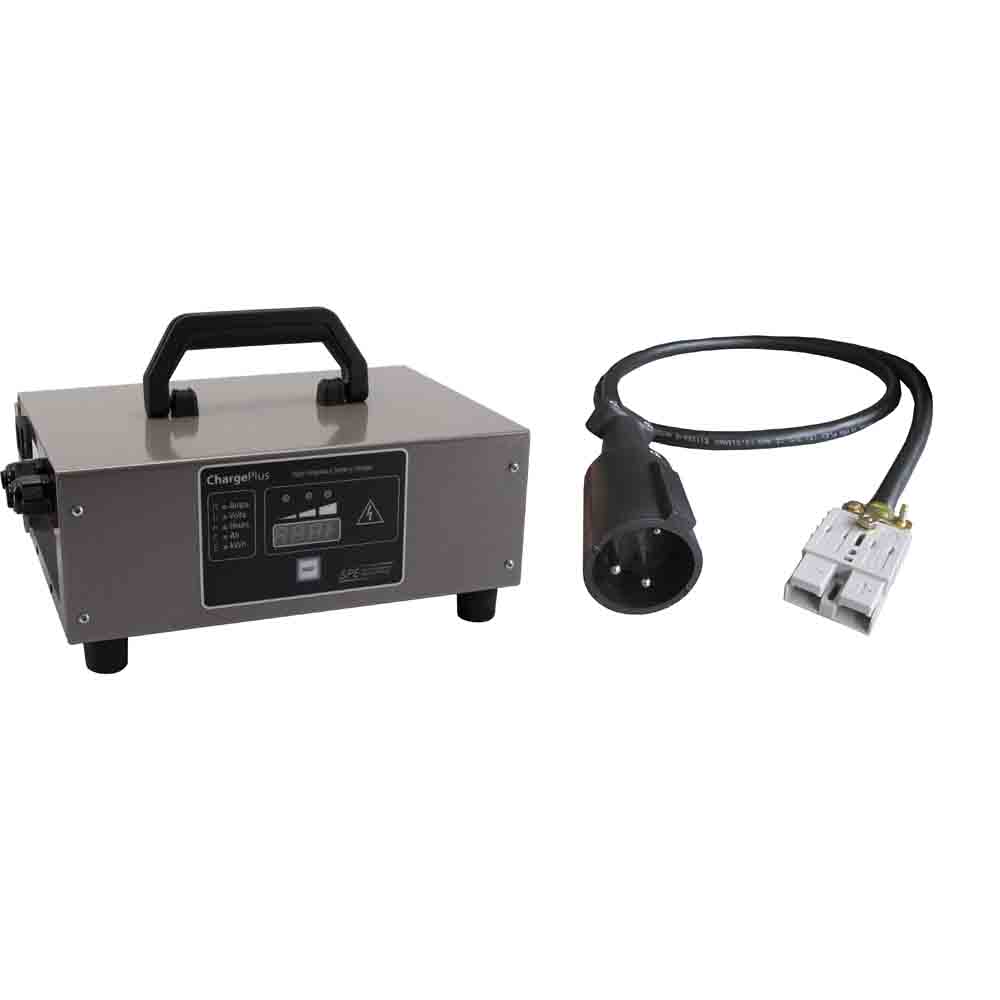
Each ChargePlus unit is programmed for one battery type, flooded, AGM, gel or lithium, and comes with your cart’s plug fitted. It holds a float stage for carts left on charge and is UL approved. Pick the plug, then the battery type.
A 15A smart charger you set up in an app
A 48V 15A charger with Bluetooth monitoring, a battery temperature sensor and a sealed IP66 case for a damp garage. Its manual shows the battery type and the charge current, 7.5A to 15A, are chosen in the app.
An industrial plug instead of a cart plug
ChargePlus units at 24V, 36V and 48V on a gray SB175 plug with five extra feet of cable, for carts already converted to SB175 and for industrial equipment.
The plug end, not the charger
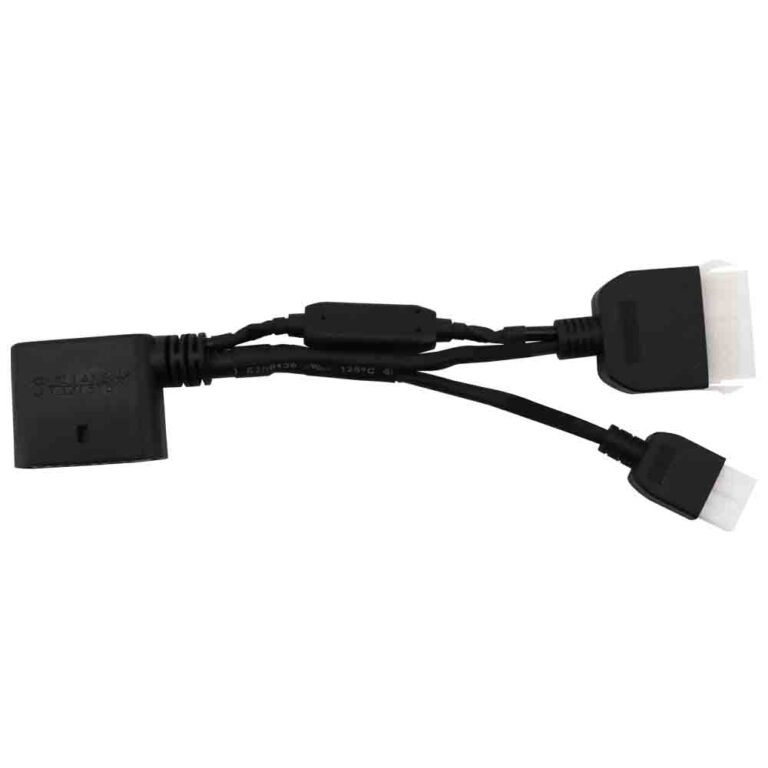
Five-foot leads with an SB50 on the charger end and your cart’s plug on the other. They replace a damaged plug and lead or move an SB50 charger to a different plug. They carry no charge programming.
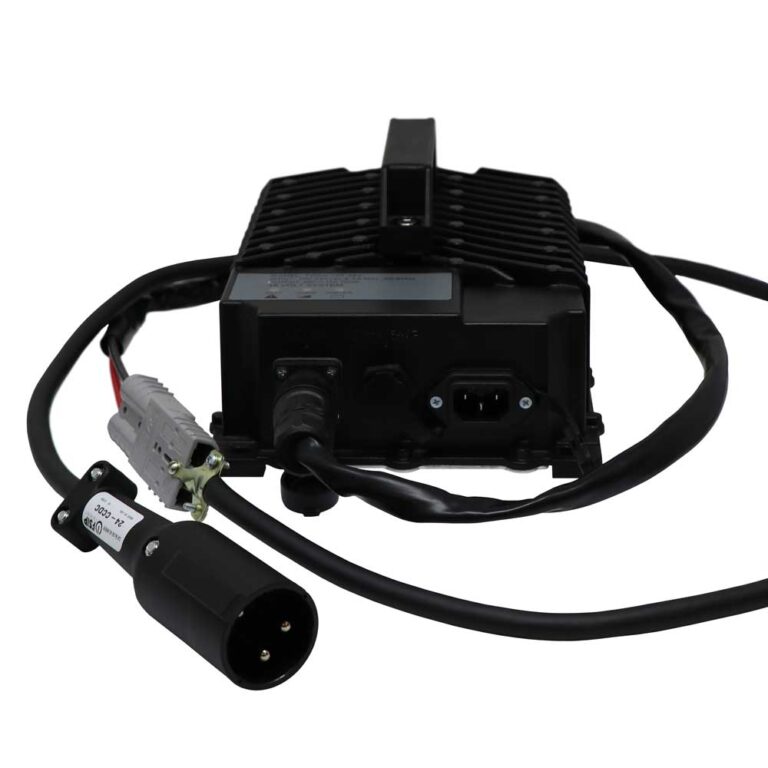
The battery type matters as much as the plug. A charge profile built for one type will undercharge another or overcharge it, and a lead-acid charger is never safe on a lithium pack even when the plug fits. If your cart moved from lead-acid to lithium, the charger has to change too; our guide to 48V and 51.2V batteries explains why a 51.2V pack still takes a 48V lithium charger. If you are switching to lithium, the Lithium Battery Bundle Finder lists the packs that fit your cart as bundles with the matching charger included.
Parts note: A typical 36V replacement: the ChargePlus for Club Car and Yamaha G9, G14 and G16 carts, flooded lead-acid profile, plug fitted. See the 36V ChargePlus
Club Car 48V Carts: The 3-Pin Receptacle
If your Club Car is 48V and its charge receptacle has three pins, every charger in this section plugs straight in. For flooded batteries the ChargePlus flooded unit is the direct replacement; there are AGM and lithium versions of the same charger. The TORO720 is the smart alternative: the multi-chemistry version covers flooded, AGM and gel, and a lithium version is set up for lithium.
Check one thing before you order. DS and Precedent carts built before the ERIC charging system (September 2013) carry an onboard computer, the OBC, that decides whether the charge is allowed. A stand-alone charger needs that OBC bypassed first, as our OBC bypass guide and the smart charger bypass explain. ERIC-era Precedent, Tempo and Onward carts have no separate OBC.
| Your cart | Your goal | Buy this | Why this one | What else you need |
|---|---|---|---|---|
| Club Car 3-pin 48V receptacle, 48V pack | Flooded lead-acid pack | ChargePlus 48V Club Car 3-pin 48V, flooded lead-acid | Programmed at the factory for flooded lead-acid, with a float stage for carts left on charge. UL approved. Part 24-CBHF2-CC. | Nothing. The Club Car 3-pin 48V plug comes fitted. On a Club Car with an active OBC, bypass it first: OBC bypass guide. |
| Club Car 3-pin 48V receptacle, 48V pack | AGM pack | ChargePlus 48V Club Car 3-pin 48V, AGM | Programmed at the factory for AGM, with a float stage for carts left on charge. UL approved. Part 24-CBHF2-CCAG. | Nothing. The Club Car 3-pin 48V plug comes fitted. On a Club Car with an active OBC, bypass it first: OBC bypass guide. |
| Club Car 3-pin 48V receptacle, 48V pack, aftermarket lithium pack | Lithium pack | ChargePlus 48V Club Car 3-pin 48V, lithium | Programmed for lithium: it stops at the right cell voltage and never runs an equalising stage. UL approved. Part 24-CBHF2-CCLI. | Nothing. The Club Car 3-pin 48V plug comes fitted. Your lithium pack’s maker must allow an external charger. On a Club Car with an active OBC, bypass it first: OBC bypass guide. |
| Club Car 3-pin 48V receptacle, 48V pack | Smart charger, battery type set in its app | TORO720 48V 15A, Club Car 3-pin 48V, multi-chemistry | 15A smart charger, 360 to 720W, with Bluetooth monitoring, a battery temperature sensor and a sealed IP66 case. Ships with the multi-chemistry profile for flooded, AGM and gel packs. Part 24-TORO720-4815CC. | Nothing. The Club Car 3-pin 48V pigtail and the battery temperature sensor are in the box. On a Club Car with an active OBC, bypass it first: OBC bypass guide. |
| Club Car 3-pin 48V receptacle, 48V pack, aftermarket lithium pack | Lithium pack | TORO720 48V 15A, Club Car 3-pin 48V, lithium | 15A smart charger, 360 to 720W, with Bluetooth monitoring, a battery temperature sensor and a sealed IP66 case. Ships with the lithium profile. Part 24-TORO720-4815CCLI. | Nothing. The Club Car 3-pin 48V pigtail and the battery temperature sensor are in the box. Your lithium pack’s maker must allow an external charger. On a Club Car with an active OBC, bypass it first: OBC bypass guide. |
Both lithium chargers are for aftermarket lithium packs only; the maker states they cannot be used with the factory Vanguard lithium batteries fitted to some Club Car carts. We do not sell a charger for those factory packs or a gel unit for this plug. Charger lights flashing on the old unit? Read the Club Car blinking red light guide before you replace it.
Club Car and Yamaha 36V Carts
If your cart is a 36V Club Car or a Yamaha G9, G14 or G16, the two share one 36V receptacle, so one charger fits both. The ChargePlus comes in flooded and AGM versions for it.
| Your cart | Your goal | Buy this | Why this one | What else you need |
|---|---|---|---|---|
| Club Car / Yamaha 36V receptacle, 36V pack (Club Car 36V, Yamaha G9, G14, G16) | Flooded lead-acid pack | ChargePlus 36V Club Car / Yamaha 36V, flooded lead-acid | Programmed at the factory for flooded lead-acid, with a float stage for carts left on charge. UL approved. Part 24-CBHF2-CC36. | Nothing. The Club Car / Yamaha 36V plug comes fitted. |
| Club Car / Yamaha 36V receptacle, 36V pack (Club Car 36V, Yamaha G9, G14, G16) | AGM pack | ChargePlus 36V Club Car / Yamaha 36V, AGM | Programmed at the factory for AGM, with a float stage for carts left on charge. UL approved. Part 24-CBHF2-CC36AG. | Nothing. The Club Car / Yamaha 36V plug comes fitted. |
We do not list a lithium charger or a TORO720 for 36V carts. A 36V lithium pack should charge on the charger its maker supplies with it.
E-Z-GO 36V Carts: The Round D-Shape Receptacle
If your E-Z-GO is 36V with a round, D-shaped receptacle, the ChargePlus D-shape units plug straight in, in flooded and AGM versions. Older 36V E-Z-GO carts that will not charge often have a reed switch or interlock fault rather than a dead charger; the TXT reed switch guide and the Marathon no-charge guide cover them.
| Your cart | Your goal | Buy this | Why this one | What else you need |
|---|---|---|---|---|
| E-Z-GO, round D-shape 36V receptacle, 36V pack | Flooded lead-acid pack | ChargePlus 36V E-Z-GO D-shape 36V, flooded lead-acid | Programmed at the factory for flooded lead-acid, with a float stage for carts left on charge. UL approved. Part 24-CBHF2-EZ36. | Nothing. The E-Z-GO D-shape 36V plug comes fitted. |
| E-Z-GO, round D-shape 36V receptacle, 36V pack | AGM pack | ChargePlus 36V E-Z-GO D-shape 36V, AGM | Programmed at the factory for AGM, with a float stage for carts left on charge. UL approved. Part 24-CBHF2-EZ36AG. | Nothing. The E-Z-GO D-shape 36V plug comes fitted. |
We do not list a lithium or gel charger for this plug.
E-Z-GO 48V Carts: Triangle and TXT Receptacles
If your E-Z-GO is 48V, look at the receptacle before anything else, because E-Z-GO used two different 48V plugs. The triangular receptacle takes the ChargePlus triangle units in flooded, AGM, gel and lithium, and the TORO720 triangle units, which the maker designed for the E-Z-GO RXV. The TXT and Workhorse receptacle takes its own ChargePlus flooded and AGM units and a TORO720.
| Your cart | Your goal | Buy this | Why this one | What else you need |
|---|---|---|---|---|
| E-Z-GO, triangle 48V receptacle, 48V pack | Flooded lead-acid pack | ChargePlus 48V E-Z-GO triangle 48V, flooded lead-acid | Programmed at the factory for flooded lead-acid, with a float stage for carts left on charge. UL approved. Part 24-CBHF2-EZ48. | Nothing. The E-Z-GO triangle 48V plug comes fitted. |
| E-Z-GO, triangle 48V receptacle, 48V pack | AGM pack | ChargePlus 48V E-Z-GO triangle 48V, AGM | Programmed at the factory for AGM, with a float stage for carts left on charge. UL approved. Part 24-CBHF2-EZ48AG. | Nothing. The E-Z-GO triangle 48V plug comes fitted. |
| E-Z-GO, triangle 48V receptacle, 48V pack | Gel pack | ChargePlus 48V E-Z-GO triangle 48V, gel | Programmed at the factory for gel, with a float stage for carts left on charge. UL approved. Part 24-CBHF2-EZ48GL. | Nothing. The E-Z-GO triangle 48V plug comes fitted. |
| E-Z-GO, triangle 48V receptacle, 48V pack, aftermarket lithium pack | Lithium pack | ChargePlus 48V E-Z-GO triangle 48V, lithium | Programmed for lithium: it stops at the right cell voltage and never runs an equalising stage. UL approved. Part 24-CBHF2-EZ48LI. | Nothing. The E-Z-GO triangle 48V plug comes fitted. Your lithium pack’s maker must allow an external charger. |
| E-Z-GO, triangle 48V receptacle, 48V pack, made for the RXV | Smart charger, battery type set in its app | TORO720 48V 15A, E-Z-GO triangle 48V | 15A smart charger, 360 to 720W, with Bluetooth monitoring, a battery temperature sensor and a sealed IP66 case. The maker does not publish the profile it ships with for this plug; you choose the battery type in the TORO720 app. Part 24-TORO720-4815EZ48. | Nothing. The E-Z-GO triangle 48V pigtail and the battery temperature sensor are in the box. Pick your battery type in the TORO720 app before the first charge. |
| E-Z-GO, triangle 48V receptacle, 48V pack, made for the RXV, aftermarket lithium pack | Lithium pack | TORO720 48V 15A, E-Z-GO triangle 48V, lithium | 15A smart charger, 360 to 720W, with Bluetooth monitoring, a battery temperature sensor and a sealed IP66 case. Ships with the lithium profile. Part 24-TORO720-4815EZ48LI. | Nothing. The E-Z-GO triangle 48V pigtail and the battery temperature sensor are in the box. Your lithium pack’s maker must allow an external charger. |
| E-Z-GO, TXT / Workhorse 48V receptacle, 48V pack | Flooded lead-acid pack | ChargePlus 48V E-Z-GO TXT / Workhorse 48V, flooded lead-acid | Programmed at the factory for flooded lead-acid, with a float stage for carts left on charge. UL approved. Part 24-CBHF2-EZ48TX. | Nothing. The E-Z-GO TXT / Workhorse 48V plug comes fitted. |
| E-Z-GO, TXT / Workhorse 48V receptacle, 48V pack | AGM pack | ChargePlus 48V E-Z-GO TXT / Workhorse 48V, AGM | Programmed at the factory for AGM, with a float stage for carts left on charge. UL approved. Part 24-CBHF2-EZ48TXTAG. | Nothing. The E-Z-GO TXT / Workhorse 48V plug comes fitted. |
| E-Z-GO, TXT / Workhorse 48V receptacle, 48V pack | Smart charger, battery type set in its app | TORO720 48V 15A, E-Z-GO TXT / Workhorse 48V | 15A smart charger, 360 to 720W, with Bluetooth monitoring, a battery temperature sensor and a sealed IP66 case. The maker does not publish the profile it ships with for this plug; you choose the battery type in the TORO720 app. Part 24-TORO720-4815EZ48TX. | Nothing. The E-Z-GO TXT / Workhorse 48V pigtail and the battery temperature sensor are in the box. Pick your battery type in the TORO720 app before the first charge. |
The triangle lithium ChargePlus is for aftermarket lithium packs, not the factory Samsung SDI lithium batteries in an E-Z-GO ELiTE (green charge handle); that cart has its own section below. We do not list a lithium or gel charger for the TXT / Workhorse plug. On an RXV, the state of charge meter codes are worth reading first, and a cart that will not drive while plugged in is the charger interlock doing its job.
E-Z-GO ELiTE Carts on Factory Lithium
If your E-Z-GO ELiTE still runs its factory Samsung SDI lithium batteries, its charge plug has a green handle and it needs a charger made for that pack. Both chargers here are: the ChargePlus ELiTE unit and the TORO720 ELiTE unit. The maker states each only functions with those factory batteries, so neither suits an aftermarket lithium pack.
| Your cart | Your goal | Buy this | Why this one | What else you need |
|---|---|---|---|---|
| E-Z-GO ELiTE, green-handle ELiTE lithium receptacle, factory Samsung SDI pack | Lithium pack | ChargePlus 48V E-Z-GO ELiTE lithium, lithium | Programmed for lithium: it stops at the right cell voltage and never runs an equalising stage. UL approved. Part 24-CBHF2-EZ48ELITE. | Nothing. The E-Z-GO ELiTE lithium plug comes fitted. |
| E-Z-GO ELiTE, green-handle ELiTE lithium receptacle, factory Samsung SDI pack | Lithium pack | TORO720 48V 15A, E-Z-GO ELiTE lithium, lithium | 15A smart charger, 360 to 720W, with Bluetooth monitoring, a battery temperature sensor and a sealed IP66 case. Ships with the lithium profile. Part 24-TORO720-4815EZ48ELITE. | Nothing. The E-Z-GO ELiTE lithium pigtail and the battery temperature sensor are in the box. |
If the ELiTE has been converted to an aftermarket lithium pack, charge it on the charger that pack’s maker supplies, or the lithium unit for the cart’s plug in the E-Z-GO 48V section.
Yamaha 48V Carts: G19 and G22, Drive and G29
If your Yamaha is 48V, the model decides the plug. The G19 and G22 use a 2-pin receptacle; the Drive and G29 use a 3-pin one. Each has ChargePlus units and a TORO720, and the Drive and G29 have the widest choice: flooded, AGM and lithium ChargePlus units plus a standard and a lithium TORO720.
| Your cart | Your goal | Buy this | Why this one | What else you need |
|---|---|---|---|---|
| Yamaha G19 or G22, 2-pin 48V receptacle, 48V pack | Flooded lead-acid pack | ChargePlus 48V Yamaha G19 / G22 48V, flooded lead-acid | Programmed at the factory for flooded lead-acid, with a float stage for carts left on charge. UL approved. Part 24-CBHF2-YAM. | Nothing. The Yamaha G19 / G22 48V plug comes fitted. |
| Yamaha G19 or G22, 2-pin 48V receptacle, 48V pack, aftermarket lithium pack | Lithium pack | ChargePlus 48V Yamaha G19 / G22 48V, lithium | Programmed for lithium: it stops at the right cell voltage and never runs an equalising stage. UL approved. Part 24-CBHF2-YAMLI. | Nothing. The Yamaha G19 / G22 48V plug comes fitted. Your lithium pack’s maker must allow an external charger. |
| Yamaha G19 or G22, 2-pin 48V receptacle, 48V pack | Smart charger, battery type set in its app | TORO720 48V 15A, Yamaha G19 / G22 48V | 15A smart charger, 360 to 720W, with Bluetooth monitoring, a battery temperature sensor and a sealed IP66 case. The maker does not publish the profile it ships with for this plug; you choose the battery type in the TORO720 app. Part 24-TORO720-4815YAM. | Nothing. The Yamaha G19 / G22 48V pigtail and the battery temperature sensor are in the box. Pick your battery type in the TORO720 app before the first charge. |
| Yamaha Drive or G29, 3-pin 48V receptacle, 48V pack | Flooded lead-acid pack | ChargePlus 48V Yamaha Drive / G29 48V, flooded lead-acid | Programmed at the factory for flooded lead-acid, with a float stage for carts left on charge. UL approved. Part 24-CBHF2-YDRE. | Nothing. The Yamaha Drive / G29 48V plug comes fitted. |
| Yamaha Drive or G29, 3-pin 48V receptacle, 48V pack | AGM pack | ChargePlus 48V Yamaha Drive / G29 48V, AGM | Programmed at the factory for AGM, with a float stage for carts left on charge. UL approved. Part 24-CBHF2-YDREAG. | Nothing. The Yamaha Drive / G29 48V plug comes fitted. |
| Yamaha Drive or G29, 3-pin 48V receptacle, 48V pack, aftermarket lithium pack | Lithium pack | ChargePlus 48V Yamaha Drive / G29 48V, lithium | Programmed for lithium: it stops at the right cell voltage and never runs an equalising stage. UL approved. Part 24-CBHF2-YDRELI. | Nothing. The Yamaha Drive / G29 48V plug comes fitted. Your lithium pack’s maker must allow an external charger. |
| Yamaha Drive or G29, 3-pin 48V receptacle, 48V pack | Smart charger, battery type set in its app | TORO720 48V 15A, Yamaha Drive / G29 48V | 15A smart charger, 360 to 720W, with Bluetooth monitoring, a battery temperature sensor and a sealed IP66 case. The maker does not publish the profile it ships with for this plug; you choose the battery type in the TORO720 app. Part 24-TORO720-4815YDRE. | Nothing. The Yamaha Drive / G29 48V pigtail and the battery temperature sensor are in the box. Pick your battery type in the TORO720 app before the first charge. |
| Yamaha Drive or G29, 3-pin 48V receptacle, 48V pack, aftermarket lithium pack | Lithium pack | TORO720 48V 15A, Yamaha Drive / G29 48V, lithium | 15A smart charger, 360 to 720W, with Bluetooth monitoring, a battery temperature sensor and a sealed IP66 case. Ships with the lithium profile. Part 24-TORO720-4815YDRELI. | Nothing. The Yamaha Drive / G29 48V pigtail and the battery temperature sensor are in the box. Your lithium pack’s maker must allow an external charger. |
We do not list an AGM unit for the G19 and G22 plug. Not sure which Yamaha you have? The Yamaha serial number lookup gives the model from the serial plate.
STAR EV Carts: 36V and 48V
If your cart is a STAR EV, the ChargePlus STAR EV units plug straight into its receptacle: a flooded unit for 36V carts, and flooded and lithium units for 48V carts. Our STAR EV no-charge guide walks through the cart-side checks first.
| Your cart | Your goal | Buy this | Why this one | What else you need |
|---|---|---|---|---|
| STAR EV 36V receptacle, 36V pack | Flooded lead-acid pack | ChargePlus 36V STAR EV 36V, flooded lead-acid | Programmed at the factory for flooded lead-acid, with a float stage for carts left on charge. UL approved. Part 24-CBHF2-STR36. | Nothing. The STAR EV 36V plug comes fitted. |
| STAR EV 48V receptacle, 48V pack | Flooded lead-acid pack | ChargePlus 48V STAR EV 48V, flooded lead-acid | Programmed at the factory for flooded lead-acid, with a float stage for carts left on charge. UL approved. Part 24-CBHF2-STR48. | Nothing. The STAR EV 48V plug comes fitted. |
| STAR EV 48V receptacle, 48V aftermarket lithium pack | Lithium pack | ChargePlus 48V STAR EV 48V, lithium | Programmed for lithium: it stops at the right cell voltage and never runs an equalising stage. UL approved. Part 24-CBHF2-STR48LI. | Nothing. The STAR EV 48V plug comes fitted. Your lithium pack’s maker must allow an external charger. |
We do not list AGM or gel units, or a 36V lithium unit, for STAR EV plugs.
SB175 Connectors, Ring Terminals and 24V Equipment
If your cart already has a gray SB175 charge connector, often fitted during a conversion, the universal ChargePlus units plug into it at 36V or 48V. The 48V unit comes in flooded and AGM; choose at checkout. If the charger wires straight to the pack, the TORO720 with 3/8 inch ring terminals is the 48V option.
The 24V unit is for 24V equipment such as scissor lifts, floor scrubbers and pallet jacks. It will not charge a 36V or 48V golf cart.
| Your cart | Your goal | Buy this | Why this one | What else you need |
|---|---|---|---|---|
| Any cart with a gray SB175 connector, 36V pack | Flooded lead-acid pack | ChargePlus 36V 25A Universal SB175 | 25A industrial charger on a gray SB175 plug with five extra feet of cable, factory programmed for one chemistry. Choose Flooded lead-acid at checkout. | A gray SB175 connector on the cart, if it does not have one already. |
| Any cart with a gray SB175 connector, 48V pack | Flooded lead-acid pack | ChargePlus 48V 20A Universal SB175 | 20A industrial charger on a gray SB175 plug with five extra feet of cable, factory programmed for one chemistry. Choose Flooded lead-acid at checkout. | A gray SB175 connector on the cart, if it does not have one already. |
| Any cart with a gray SB175 connector, 48V pack | AGM pack | ChargePlus 48V 20A Universal SB175 | 20A industrial charger on a gray SB175 plug with five extra feet of cable, factory programmed for one chemistry. Choose AGM at checkout. | A gray SB175 connector on the cart, if it does not have one already. |
| 24V equipment with a gray SB175 connector, not a golf cart | Flooded lead-acid pack | ChargePlus 24V 20A Universal SB175 | 20A industrial charger on a gray SB175 plug with five extra feet of cable, factory programmed for one chemistry. Choose Flooded lead-acid at checkout. | A gray SB175 connector on the cart, if it does not have one already. |
| 24V equipment with a gray SB175 connector, not a golf cart | AGM pack | ChargePlus 24V 20A Universal SB175 | 20A industrial charger on a gray SB175 plug with five extra feet of cable, factory programmed for one chemistry. Choose AGM at checkout. | A gray SB175 connector on the cart, if it does not have one already. |
| 24V equipment with a gray SB175 connector, not a golf cart | Gel pack | ChargePlus 24V 20A Universal SB175 | 20A industrial charger on a gray SB175 plug with five extra feet of cable, factory programmed for one chemistry. Choose Gel at checkout. | A gray SB175 connector on the cart, if it does not have one already. |
| Any 48V pack wired to 3/8 inch ring terminals | Smart charger, battery type set in its app | TORO720 48V 15A, Ring terminal 3/8 in | 15A smart charger, 360 to 720W, with Bluetooth monitoring, a battery temperature sensor and a sealed IP66 case. The maker does not publish the profile it ships with for this plug; you choose the battery type in the TORO720 app. Part 24-TORO720-4815ONBD. | Nothing. The Ring terminal 3/8 in pigtail and the battery temperature sensor are in the box. Pick your battery type in the TORO720 app before the first charge. |
We do not list a plug-in charger for ICON, Evolution, Bintelli, Advanced EV or Cushman carts. Their no-charge guides cover the cart-side faults: ICON, Evolution, Bintelli, Advanced EV and Cushman.
Charger Cables and Pigtails: When the Plug Is the Problem
If the charger works but its plug is cracked, burnt or loose, or you want to use an SB50 charger on a cart with a different plug, the part you need is a pigtail, not a charger. Each one adds five feet of cable with an SB50 connector on the charger end and your cart’s plug on the other. Check the charger end first: these fit only a charger whose output lead ends in an SB50. A pigtail carries no charge programming, so it never changes the charger’s voltage or battery type; match those at the charger.
| Your cart | Your goal | Buy this | Why this one | What else you need |
|---|---|---|---|---|
| Club Car 48V, 3-pin receptacle | Replace the charger plug and lead | SB50 pigtail, 48V Club Car | Five extra feet of cable with the 48V Club Car connector on the cart end and an SB50 on the charger end. It carries no charge programming. Part 24-CCDC. | A charger whose output lead ends in an SB50 connector, set for a 48V pack. |
| Club Car 36V or Yamaha G9, G14, G16, 36V Club Car receptacle | Replace the charger plug and lead | SB50 pigtail, 36V Club Car and Yamaha G9, G14, G16 | Five extra feet of cable with the 36V Club Car connector on the cart end and an SB50 on the charger end. It carries no charge programming. Part 24-CC36DC. | A charger whose output lead ends in an SB50 connector, set for a 36V pack. |
| E-Z-GO 36V, 36V E-Z-GO receptacle | Replace the charger plug and lead | SB50 pigtail, 36V E-Z-GO | Five extra feet of cable with the 36V E-Z-GO connector on the cart end and an SB50 on the charger end. It carries no charge programming. Part 24-EZ36VDC. | A charger whose output lead ends in an SB50 connector, set for a 36V pack. |
| E-Z-GO 48V, 48V E-Z-GO receptacle | Replace the charger plug and lead | SB50 pigtail, 48V E-Z-GO | Five extra feet of cable with the 48V E-Z-GO connector on the cart end and an SB50 on the charger end. It carries no charge programming. Part 24-EZ48VDC. | A charger whose output lead ends in an SB50 connector, set for a 48V pack. |
| E-Z-GO TXT 48V, 48V TXT receptacle | Replace the charger plug and lead | SB50 pigtail, 48V E-Z-GO TXT | Five extra feet of cable with the 48V E-Z-GO TXT connector on the cart end and an SB50 on the charger end. It carries no charge programming. Part 24-EZ48VTXTDC. | A charger whose output lead ends in an SB50 connector, set for a 48V pack. |
| E-Z-GO ELiTE with factory Samsung SDI lithium, ELiTE receptacle | Replace the charger plug and lead | SB50 pigtail, 48V E-Z-GO ELiTE Lithium | Five extra feet of cable with the 48V E-Z-GO ELiTE Lithium connector on the cart end and an SB50 on the charger end. It carries no charge programming. Part 24-EZ48VDCELITE. | A charger whose output lead ends in an SB50 connector, set for a 48V pack. |
| Yamaha G19 or G22, 2-pin 48V receptacle | Replace the charger plug and lead | SB50 pigtail, 2-Pin Yamaha G19 and G22 | Five extra feet of cable with the 48V 2-pin connector on the cart end and an SB50 on the charger end. It carries no charge programming. Part 24-YAMDC. | A charger whose output lead ends in an SB50 connector, set for a 48V pack. |
| Yamaha Drive or G29, 3-pin 48V receptacle | Replace the charger plug and lead | SB50 pigtail, 3-Pin Yamaha YDRE | Five extra feet of cable with the 48V 3-pin connector on the cart end and an SB50 on the charger end. It carries no charge programming. Part 24-YDREDC. | A charger whose output lead ends in an SB50 connector, set for a 48V pack. |
| STAR EV 36V, 36V Star Car receptacle | Replace the charger plug and lead | SB50 pigtail, 36V Star Car | Five extra feet of cable with the 36V Star Car connector on the cart end and an SB50 on the charger end. It carries no charge programming. Part 24-STR36VDC. | A charger whose output lead ends in an SB50 connector, set for a 36V pack. |
| STAR EV 48V, 48V Star Car receptacle | Replace the charger plug and lead | SB50 pigtail, 48V Star Car | Five extra feet of cable with the 48V Star Car connector on the cart end and an SB50 on the charger end. It carries no charge programming. Part 24-STR48VDC. | A charger whose output lead ends in an SB50 connector, set for a 48V pack. |
| Any cart with a gray SB175 connector | Change the plug to an SB175 | SB50 pigtail, Gray SB50 to Gray SB175 | Five extra feet of cable with the Gray SB175 connector on the cart end and an SB50 on the charger end. It carries no charge programming. Part 24-SB175DC. | A charger whose output lead ends in an SB50 connector. |
| Any cart with a red SB175 connector | Change the plug to an SB175 | SB50 pigtail, Gray SB50 to Red SB175 | Red SB175 connector on the cart end and an SB50 on the charger end. It carries no charge programming. Part 24-SB175DCR. | A charger whose output lead ends in an SB50 connector. |
| Any lead with a gray SB350 connector | Change the plug to an SB175 | Gray SB350 to gray SB175 pigtail | Joins a gray SB350 to a gray SB175 connector, as its listing name states. It carries no charge programming. Part 24-SB350TOSB175. | Nothing, when both ends match your leads. |
We do not sell the receptacle on the cart. If the socket itself is burnt or its contacts have spread, the charge port guide shows how to test and rebuild it.
Which Profile and Rating: Matching the Charger to the Pack
Voltage and plug are fixed by the cart. The battery type is fixed by the batteries. The only real choices are between a factory-programmed ChargePlus and an app-set TORO720, and how fast you want to charge.
| Your pack or need | Choose | Why | Where to check |
|---|---|---|---|
| Flooded lead-acid, caps you top up | A flooded ChargePlus, or a TORO720 | A flooded profile runs the bulk, absorption and float stages built for that chemistry; the float stage keeps a parked cart topped up. | Battery maintenance |
| AGM or gel, sealed | The AGM or gel unit for your plug | A sealed battery cannot have water added back, so it needs its own charge voltage limits. | Quick picks and your cart section |
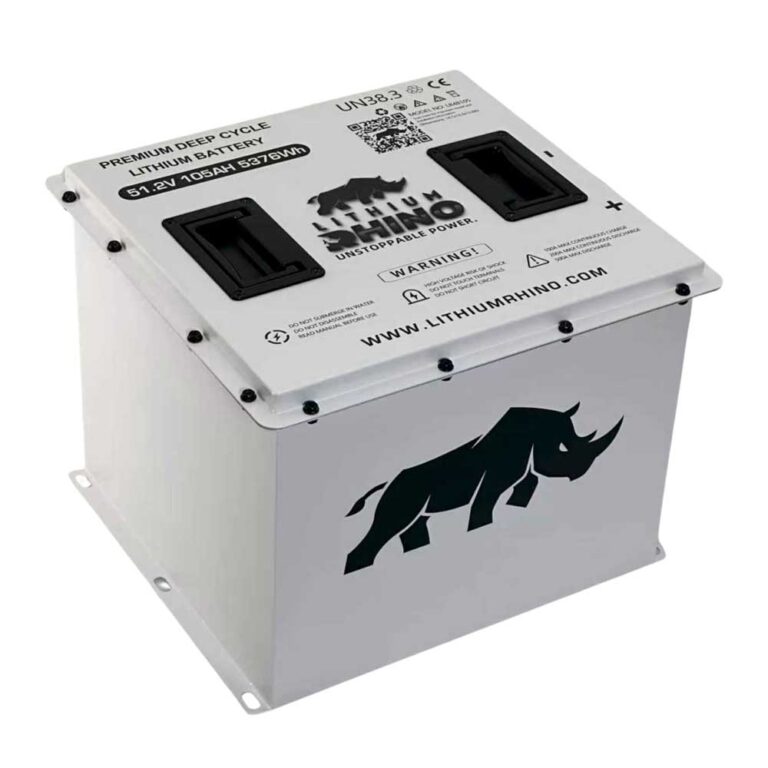
| Aftermarket lithium, 38.4V or 51.2V on the case | A lithium unit, or the charger supplied with the pack | A lithium profile stops at the right cell voltage and never runs an equalising stage. | 48V and 51.2V |
| E-Z-GO ELiTE on factory Samsung SDI lithium | An ELiTE unit only | The maker states the ELiTE chargers only function with those factory batteries, and the other lithium units do not suit them. | ELiTE section |
| Damp garage or outdoor bay, phone monitoring | A TORO720 | An IP66 case, a battery temperature sensor and Bluetooth monitoring; the manual shows the current can be set from 7.5A to 15A. | Charging time calculator |
How long a full charge takes depends on the pack size, how flat it is and the charger’s current; our guide to how long to charge a golf cart puts numbers on it.
Parts note: For an aftermarket lithium pack on a Club Car 48V: the lithium-profile ChargePlus with the 3-pin plug fitted. Not for factory Vanguard lithium. See the Club Car lithium ChargePlus
What Else to Check and Order to Finish the Job
A new charger only lasts if the rest of the charging path is sound. These are the things to put right while you are there.
- The receptacle. A corroded or heat-marked socket will damage a new plug in weeks. Test it with the charge port guide before the new charger goes on.
- The Club Car OBC. On a pre-ERIC Club Car with an active OBC, bypass it before a stand-alone charger goes on; the OBC bypass guide shows how by platform.
- The battery type. Read the battery label again and order the matching unit. If you change battery type later, the charger changes too.
- The pack itself. If a check pointed at a weak battery, fix the pack first; a new charger cannot bring a failing pack back. The battery replacement guide covers it.
- Ventilation. Charge flooded batteries somewhere with airflow, and keep the charger’s vents clear so it does not cut back on heat. Our battery venting guide explains what is normal.
- Spare plug and lead. Where the old plug end was damaged, the matching charger cable for your receptacle replaces it without buying a charger.
Six Mistakes That Waste a New Charger
- Buying before reading the pack. A pack too flat to recognise makes a good charger look dead. Measure at the pack first.
- Matching the plug but not the battery type. A flooded profile on AGM batteries, or AGM on flooded, shortens the pack’s life.
- Keeping a lead-acid charger after a lithium conversion. It is not safe on a lithium pack, even with the same plug.
- Ordering by cart name instead of by receptacle. E-Z-GO used two 48V plugs and Yamaha two more. Look at the socket.
- Mixing up factory and aftermarket lithium. The ELiTE chargers suit only factory ELiTE batteries, and the Club Car lithium units do not suit factory Vanguard lithium.
- Changing the pigtail to change the voltage. A pigtail changes only the plug. The charger’s voltage and battery type stay as they were built.
Still Not Sure? Three Quick Checks
Torn between two rows? One of these decides it:
- Photograph the receptacle. Note its shape, its pin count and its handle color, then compare it with the photo on each listing. That picks the section.
- Read one battery label. Caps you can open mean flooded. Sealed and marked AGM or gel means that type. LiFePO4 with 38.4V or 51.2V on the case means lithium. That picks the row.
- Count the batteries. Six 6V is 36V; six 8V or four 12V is 48V. A charger for the wrong voltage will not charge at all.
If the badges are gone, the serial lookups for E-Z-GO, Club Car and Yamaha give the model and year.
Prove the outlet, the pack voltage, the receptacle and the cart’s own charge control before you blame the charger. Then buy by receptacle, pack voltage and battery type; if only the plug is damaged, a pigtail cable fixes it for less.
Frequently Asked Questions
What is a golf cart charger?
It is the unit that turns household AC power into the DC current that recharges the cart’s battery pack. A modern charger checks the pack voltage before it starts, then runs a charge profile built for one battery type: flooded lead-acid, AGM, gel or lithium. The chargers we sell are off-board units that plug into the cart’s charge receptacle.
How do I know my golf cart charger is bad?
Prove the outlet is live and the AC cord is sound, then read the pack voltage at the pack. Compare it with the voltage at the cart’s receptacle, and rule out the cart’s own charge control, such as a Club Car OBC or a lithium BMS. If AC, pack voltage and the receptacle all check out and the charger still will not start its cycle, the charger is the fault.
How do I know which charger fits my golf cart?
Three things decide it: the charge receptacle on the cart (its shape, pin count and handle color), the pack voltage (six 6V batteries is 36V; six 8V or four 12V is 48V) and the battery type (flooded, AGM, gel or lithium). Find your receptacle section in this guide, then pick the row for your battery type.
What is the best golf cart charger?
The best charger is the one programmed for your battery type with your cart’s plug fitted. For most carts on flooded lead-acid that is the ChargePlus flooded unit for the plug. If you want app monitoring, a temperature sensor and a sealed case for a damp garage, the TORO720 15A is the smart alternative on the plugs it is made for.
Can I use a 48V charger on a 36V golf cart?
No. A charger is built for one pack voltage, and every charger we list states it. A 48V charger on a 36V pack would overcharge it, and a 36V charger will not bring a 48V pack to full. Count the batteries to be sure: six 6V batteries is 36V, six 8V or four 12V batteries is 48V.
How do I replace a golf cart charger?
The chargers here are off-board units, so replacing one means unplugging the old charger from the wall and the cart and plugging in the new one. Place it where its vents stay clear, and charge flooded batteries somewhere with airflow. On a Club Car with an active OBC, bypass the OBC first, and on a TORO720 choose your battery type in its app before the first charge.
Updated September 2026: every row was checked against our live product data and each charger is keyed to its receptacle, pack voltage and battery type.