Bintelli Golf Cart Won’t Charge: Diagnosis & Fix
Lithium charging is a conversation between the charger and the battery. On a Beyond, the charger may not output current until it sees the pack correctly, so a quiet charger does not automatically mean the charger is bad.
- Start with AC power, not the battery. Bintelli’s Beyond manual specifies a dedicated 20A circuit for the charger, discourages extension cords, and requires 10 gauge heavy-duty cord if one is used.
- Do not assume Delta-Q. No public Bintelli source confirms it as the universal Beyond charger; the verified pattern points to Lester-supported chargers on many Beyond carts, so match your actual charger label instead of guessing a brand.
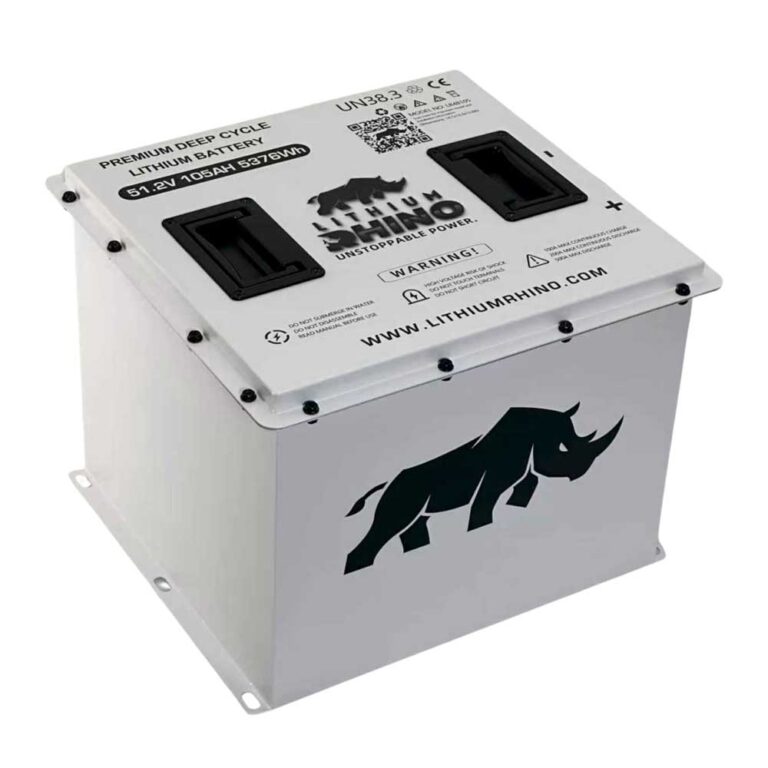
- Verified vehicle baseline (2025 Beyond 4 Passenger Lifted parts manual): 72V 165Ah lithium battery, 72V 5kW motor, JEVD1-72M450L controller, 400A fuse. Exact charger output amps are not published for every 2025 trim, so read your charger label.
- Cold weather is a real lithium gotcha, not a fault. Eco Battery packs will not accept charge below 32F unless the model is heated; move the cart somewhere warmer and retry.
- The Beyond has a physical battery power switch separate from the key. Confirm it is on before assuming the charger or BMS has failed.
Lithium charging is a conversation between the charger and the battery. On the Beyond, the charger may not output current until it sees the pack correctly, so a quiet charger does not automatically mean the charger is bad. Work outward from the boring checks: AC supply, charger identity, the charge port, whether the battery is awake and warm enough, then the charger LED pattern and pack voltage.
01: Verify the Charger and AC Supply First
Start with the boring checks, because lithium charger faults can look dramatic when the only problem is AC power. Bintelli’s current Beyond manual says each charger should be on a dedicated 20A circuit, recommends avoiding extension cords, and says any extension cord that is used must be heavy duty 10 gauge. Confirm the outlet, breaker, GFCI, charger AC cord, and charger indicator lights before touching battery wiring.
- AC source: test the receptacle with another load and reset the GFCI if needed.
- Power cord: do not remove the manufacturer tag from the charger cord; Bintelli says doing so can void the warranty.
- Label match: match charger voltage, chemistry, connector, and battery generation to the label on your cart.
02: Do Not Assume Delta-Q or a Universal Charger Spec
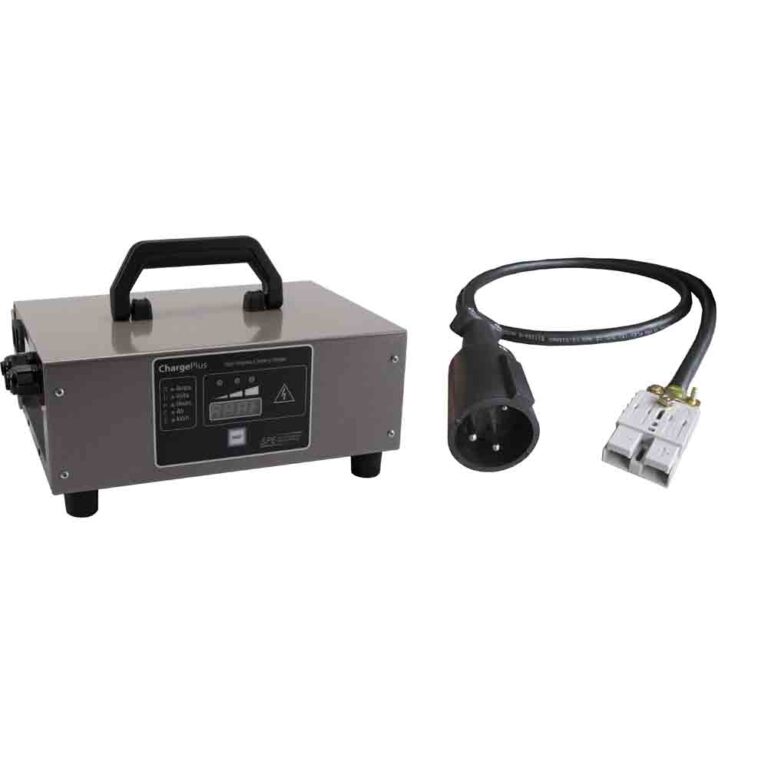
The old generic answer was too loose. The public Bintelli source set does not verify a Delta-Q charger as the universal Beyond charger. Bintelli’s earlier Beyond manual references Lester-supported state-of-charge behavior, Bintelli hosts a Lester Summit Series II charger manual, and Bintelli Parts sells a Lester charger cord for Beyond carts that have Lester chargers only. Current 2025 parts data also names an onboard charger and a charging socket, but it does not publish the charger output voltage, output amps, or full charger model label for every 2025 Beyond trim.
For a 2025 Beyond 4 Passenger Lifted, the verified vehicle baseline is a 72V 165Ah lithium battery, 72V 5kW motor, JEVD1-72M450L controller, 400A fuse, and main contactor. That does not license inventing a charger amperage. If your charger label says Lester, use Lester procedures. If it says Eco, use Eco Battery guidance. If it says anything else, use the exact label and a dealer parts lookup.
| Sourceable Item | Verified Detail | What Not to Infer |
|---|---|---|
| 2025 Beyond 4P Lifted parts manual | 72V 165Ah battery baseline and 400A main fuse | Exact charger output amps are not published there |
| 2025 Beyond 6P parts manual | Onboard charger listed, plus charging socket M20.22.08.9535 | Does not prove every Beyond uses that same socket or charger label |
| Bintelli Parts Lester cord | Compatible with Beyond carts that have Lester chargers only | Does not make Lester universal across all model years |
| Lester Summit II manual | LED, lockout, Bluetooth, and connector-family procedures | Does not publish a Bintelli-specific 72V Beyond output-amp label |
03: Inspect the Charge Port and Cord Ends
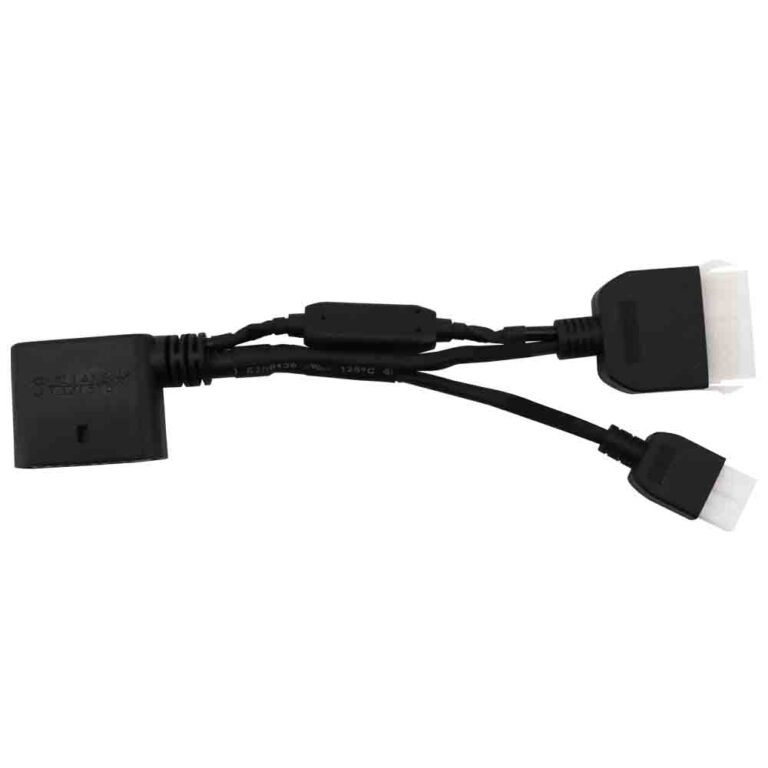
A charger can be healthy and still never start if the charge port cannot complete the handshake. Inspect the socket for loose mounting, bent contacts, water, dirt, corrosion, heat marks, and a cord end that no longer seats tightly. The 2025 Beyond 6 Passenger parts manual lists charging socket M20.22.08.9535, while the Lester manual documents common DC connector families including Anderson SB50 and other molded connectors. Use those as inspection context, not a guarantee your cart has one exact connector.
If you see melted plastic or smell hot insulation, stop charging and replace the damaged parts. High resistance at the port can make a charger cycle, turn green too early, or refuse to start.
04: Confirm the Battery Is Awake and Warm Enough
The battery has to be powered on before many lithium systems will accept charge. Bintelli’s current Beyond manual identifies a physical battery power switch, and Eco Battery states its batteries must be powered on with the power button illuminated to accept a charge. Check that switch before blaming the charger.
Cold temperature is the other real lithium gotcha. Eco Battery says standard models will not accept charge when internal temperature is below 32F, and heated models warm themselves before charging resumes. If the cart was parked in a freezing garage, move it somewhere warmer and retry after the battery core warms. This is a protection behavior, not a failed charger.
05: Read Charger Lights Without Overreading Them
The Lester manual says the Summit Series II charger uses LEDs for AC present, fault, charge status, and USB/Bluetooth communication. Use the LED pattern as a clue, then confirm with voltage. Green right away can mean a full battery, no valid pack connection, BMS refusal, or a charger profile that does not match the battery. A dark charger can mean no AC, a failed AC cord, no valid battery connection, or a charger problem.
Because many lithium chargers will not output normally until connected to a valid pack, a bench test with no battery can be misleading. Diagnose it on the cart with the correct pack, connector, and label information.
06: Measure Before Replacing Parts
- Pack voltage: read voltage at the battery with the battery switch on.
- Port voltage: confirm the charge socket reaches the battery circuit with no open fuse, loose connector, or corroded pin.
- Charger label: record manufacturer, voltage, output current, chemistry profile, and connector before ordering parts.
- BMS status: if the pack is deeply discharged, below freezing, or reporting a fault, the charger may be waiting for the BMS rather than failing.
07: Storage and Deep-Discharge Prevention
Bintelli tells owners the vehicle should be left plugged in when not in use and says the charger will trickle charge at 80 percent only when needed. Eco Battery recommends charging after use and before the pack reaches 80 percent depth of discharge, which equals about 20 percent state of charge. Those two points agree on the practical rule: do not park a lithium Beyond empty.
If the pack has already reached zero percent or the charger cannot start a handshake, use the no-power checks first and involve a dealer if the BMS will not wake. Repeated forced attempts with the wrong charger are not a recovery plan.
Prove AC power, charger identity, and port condition before buying anything. Confirm the outlet and dedicated 20A circuit, match your charger label rather than assuming Delta-Q or any universal brand, warm the battery above freezing if it has been cold-soaked, and read pack voltage at the battery. A Bintelli no-charge fault is charger handshake, port, disconnect, or BMS wake far more often than a bad battery.
Frequently Asked Questions
Why won’t my Bintelli golf cart charge?
Common causes are a dead outlet, the wrong charger, a damaged charge port, the battery switch off, a sleeping BMS, a cold battery, low pack voltage, or a battery fault. Prove AC power and the charger identity first, since those account for more no-charge complaints than a failed battery.
Why does my Bintelli charger turn green right away?
The charger may see a full pack, may not be seeing the pack correctly, or the BMS may be refusing charge because of temperature, voltage, or a fault. Check the charge port for a poor connection and read pack voltage at the battery before assuming the charger itself is broken.
Can I use any lithium charger on a Bintelli?
No. Use a charger matched to the battery label, chemistry, voltage, connector, and BMS requirements. Do not assume Delta-Q or Lester unless your charger label confirms it; the Beyond has shipped with different chargers across model years.
Why won’t my Bintelli charge in cold weather?
Standard lithium packs will not accept a charge when their internal temperature is below about 32F; this is a BMS protection behavior, not a fault. Heated battery models warm themselves before resuming. Move the cart somewhere warmer, let the pack warm up, and try charging again before suspecting the charger or battery.