Club Car DS Speed and Torque Upgrade: Which Kit Fits Your DS
The DS body ran for decades over several different drive systems, and the frame is smaller than a Precedent. Match the kit to the controller label and the motor that will physically fit.
- The body badge is not the fitment. Read the controller label: Curtis 1510 or 1515 and Curtis 1268 or 1520 take different TSX harnesses.
- A slow DS may be a sick DS. Load-test the pack, check voltage drop and listen to the motor before buying anything.
- Keep the DC motor: a Navitas TSX 3.0 kit in 440A or 600A, matched to your label.
- Go AC with a 4kW motor. The 5kW TAC2 option and the TAC3 7.5kW kit are listed for Precedent-style frames, not the DS.
- Pre-2004 DS or Villager: the Eco Battery 4kW kits avoid the 5kW clearance limit on a non-lifted DS A-frame.
Your Club Car DS is fine on the flat but slows to a walk on the hill home, or it simply feels slow next to newer carts. The short answer: for a healthy 48V DS with a Curtis 1510 or 1515, a Navitas TSX 3.0 kit is the most direct upgrade and keeps your motor. If you want an AC drive, choose a 4kW conversion, because the DS frame is too small for the larger motors. This guide shows how to tell which DS you have, what to test first and which kit matches the label under your seat.
- First Identify Which Club Car DS Drive You Own
- A Slow DS May Need a Repair, Not an Upgrade
- Why a Healthy DS Still Runs Out of Breath
- Choose the Upgrade by Job, Not by the Biggest Number
- Club Car DS Kit Match by Controller Label
- What Comes in the Box and What the Install Changes
- Frequently Asked Questions
First Identify Which Club Car DS Drive You Own
The DS body stayed in production through several electrical generations. Two carts can share the same body and use completely different controllers, harnesses and motors. The badge on the body is not enough.
Lift the seat and photograph the controller label, the connector face and the motor plate. Record the pack voltage. Then run the serial through the Club Car serial lookup. The serial identifies the cart; the controller label identifies the upgrade.
| Controller label | Drive family | What that changes |
|---|---|---|
| Curtis 1510 or 1515 | 48V IQ or Excel style DC drive | Use the IQ and Excel TSX harness. A 4kW TAC2 conversion is listed for the DS frame. |
| Curtis 1268 or 1520 | 48V non-IQ controller family | Use the separate 1268/1520 TSX kit. Do not order the 1510/1515 harness. |
| Series drive or another label | Older or modified DS | Do not infer fitment from the body. Send the label, voltage and throttle details for a match. |
| Factory or converted AC drive | AC motor already installed | None of the DC replacement kits in this guide should be ordered by body style alone. |
If the label is missing or the wiring has been changed, identify the correct controller kit with the finder, which works from the serial number, the pack and the way the cart slows down, or use the parts fitment checker as a first pass and send us the photos. This one step prevents the most common DS mistake: buying a correct controller with the wrong vehicle harness. Deciding between a TSX kit and an AC conversion for your DS? The AC conversion kit finder weighs your load and hills and shows the kit for your drive.
Own the newer body style instead? The Club Car Precedent speed upgrade guide covers that frame, where the larger 5kW and 7.5kW motors do fit. For a brand-level overview of every Navitas option across Club Car models, see our Navitas Club Car fitment guide.
A Slow DS May Need a Repair, Not an Upgrade
A performance upgrade is for a healthy cart that cannot meet its present job. A DS that recently became weak has a fault until testing proves otherwise.
- Load-test the battery pack. A pack that looks charged at rest can collapse on a grade. If the cart loses power uphill, follow the DS uphill power diagnosis before buying a controller.
- Measure voltage drop through the main circuit. Test the cables, lugs, solenoid and forward/reverse connections with the voltage drop guide. Heat or discoloration points to resistance.
- Listen to the motor and rear axle. Whining, grinding or a hot motor changes the job from an upgrade to a repair. Use the DS motor-noise diagnosis.
- Check pedal response. Jerking or hesitation can come from the MCOR, throttle signal or a connection. Start with the DS jerky-acceleration guide.
- Check tires, brakes and load. A dragging brake or taller tire consumes torque before the cart reaches the hill.
If the cart will not move in either direction, use the DS no-drive guide. If it clicks but does nothing, start with the DS no-power guide. Restore reliable stock operation first. Then decide how much more speed or torque the cart actually needs.
Why a Healthy DS Still Runs Out of Breath
A DS that passes every check above can still slow to a crawl on a long grade. That is not a fault. It is the stock system doing exactly what it was built to do for a two-seat cart carrying golf bags on a groomed course.
The factory controller limits how much current it lets the motor draw. That limit protects the motor and the pack, but it also caps the torque available when the cart meets a hill with two adults, a rear seat or taller tires. The DC motor then slows, and a slowing DC motor produces less speed at exactly the moment you want more.
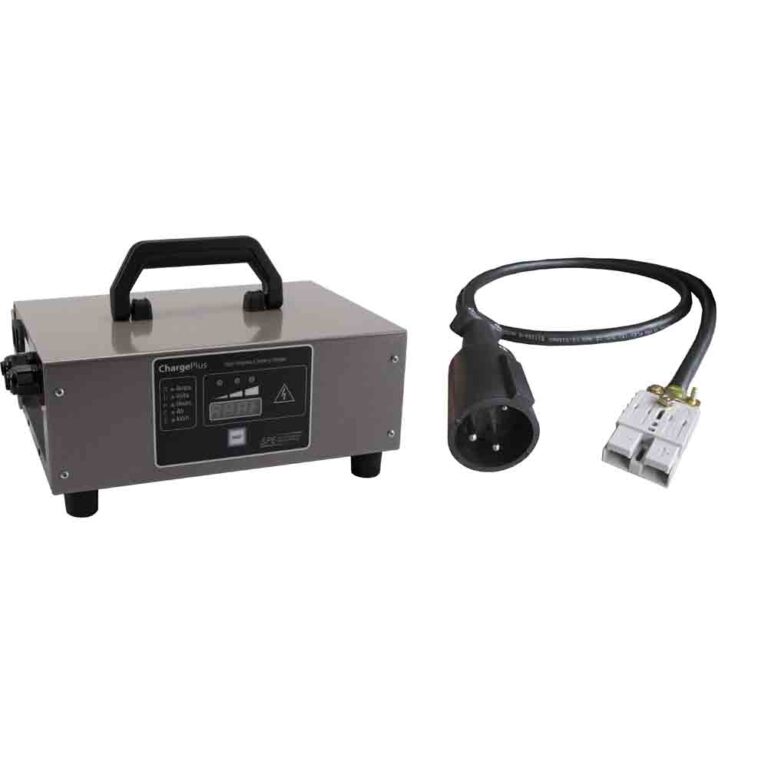
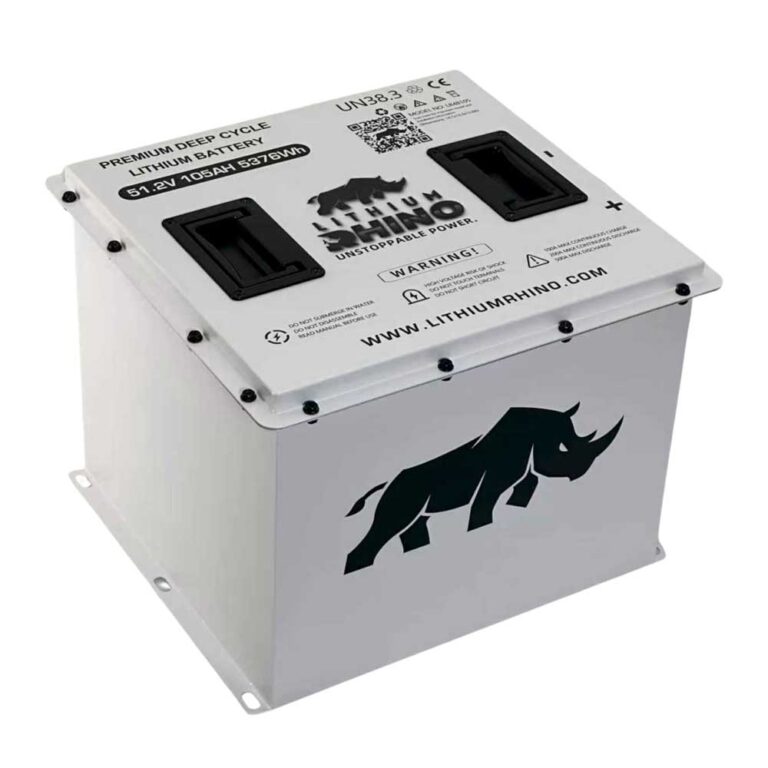
The battery pack adds to it. Lead-acid voltage sags under heavy current, so the controller receives less voltage on the climb than it does on level ground. Every added load, from a lift kit to a cooler full of ice, pushes the cart further into that sag.
That leaves two real levers. Let the existing motor draw more controlled current with a programmable DC controller, or replace the DC motor and controller with an AC system that holds torque better as speed drops. The rest of this guide sizes both for a DS.
Choose the Upgrade by Job, Not by the Biggest Number
| Route | What stays | What changes | Best use |
|---|---|---|---|
| Repair and keep stock | Original controller and motor | Only the failed battery, cable, switch, solenoid or motor part | A DS that used to perform well |
| TSX 3.0 at 440A | Existing DC motor | Controller, matching harness and On-The-Fly programmer | Everyday two-passenger use and moderate grades |
| TSX 3.0 at 600A | Existing DC motor | Higher-current controller with the same label-specific harness | Rear seat, larger tires, heavier loads or steeper terrain |
| TAC2 4kW AC conversion | Battery pack and axle | DC motor and controller are replaced as a system | Owners who want an AC drivetrain in an IQ DS |
| Eco Battery AC conversion | Cart chassis and axle | Controller, motor, harness and mounting components for the stated DS configuration | Pre-2004 DS or Villager builds after exact clearance is confirmed |
The DS frame creates a real motor-length limit
The Navitas TAC2 family offers 440A 4kW, 600A 4kW and 600A 5kW combinations, but the live product data excludes the 5kW option from the smaller DS frame. For a DS IQ, choose a 4kW option. The 5kW package belongs on the Precedent-style applications named on the product page.
The Eco Battery DS product has the same kind of physical caution: its 5kW variants are not listed for a non-lifted DS A-frame. That is a clearance issue, not a tuning preference. A controller can be electrically compatible while the motor is physically too long.
How we would size it
For a healthy 48V IQ DS on standard tires, the 440A TSX is the sensible first step because it keeps the motor and limits the scope of the installation. Choose the 600A TSX for a rear-seat cart, taller tires or regular hills, but inspect the motor, cables and solenoid first. Choose a 4kW TAC2 conversion when you want to replace the DC drivetrain as a matched system.
Use the controller amp calculator for a weight-and-terrain recommendation. It explains why the same DS may need a different controller after a rear seat, lift and tire change. If you are still weighing tires, gearing and voltage against a controller, our guide to making any golf cart faster compares every route.
Parts note: For a 1510 or 1515 DS, the Navitas TSX 3.0 kit keeps the DC motor and comes in 440A and 600A. See the TSX 3.0 IQ and Excel kit
Club Car DS Kit Match by Controller Label
| Your DS | Keep the DC motor | Convert to AC | Do not order |
|---|---|---|---|
| 48V, Curtis 1510 or 1515 | TSX 3.0 IQ and Excel kit, 440A or 600A | TAC2 4kW option | The TAC2 5kW option or the TAC3 7.5kW kit, both listed for Precedent-style frames only |
| 48V, Curtis 1268 or 1520 | TSX 3.0 1268/1520 kit, 440A or 600A | Contact us with the label and throttle details | The IQ and Excel harness |
| Pre-2004 DS or Villager, DC system, 2 to 4 passenger | Match the original controller before choosing a DC kit | Eco Battery DS AC kit after clearance confirmation | A 5kW Eco motor on a non-lifted DS A-frame |
| Regen 2, series drive, gas or modified wiring | Not established by the products above | Not established by body style | Any kit selected only from the model year |
The 1510/1515 and 1268/1520 TSX kits look similar because both use the TSX 3.0 controller. Their vehicle harnesses are different. Order from the number on the controller label, not the controller color or the body badge.
The Eco Battery product is listed for non-lifted 2 to 4 passenger DS and Villager models before 2004, across a broad voltage range. Because DS carts are often modified, we confirm pack voltage, motor clearance and wiring before dispatch.
Parts note: Label reads Curtis 1268 or 1520? This TSX 3.0 kit carries the matching harness. See the TSX 3.0 1268/1520 kit
What Comes in the Box and What the Install Changes
TSX 3.0 DS kits
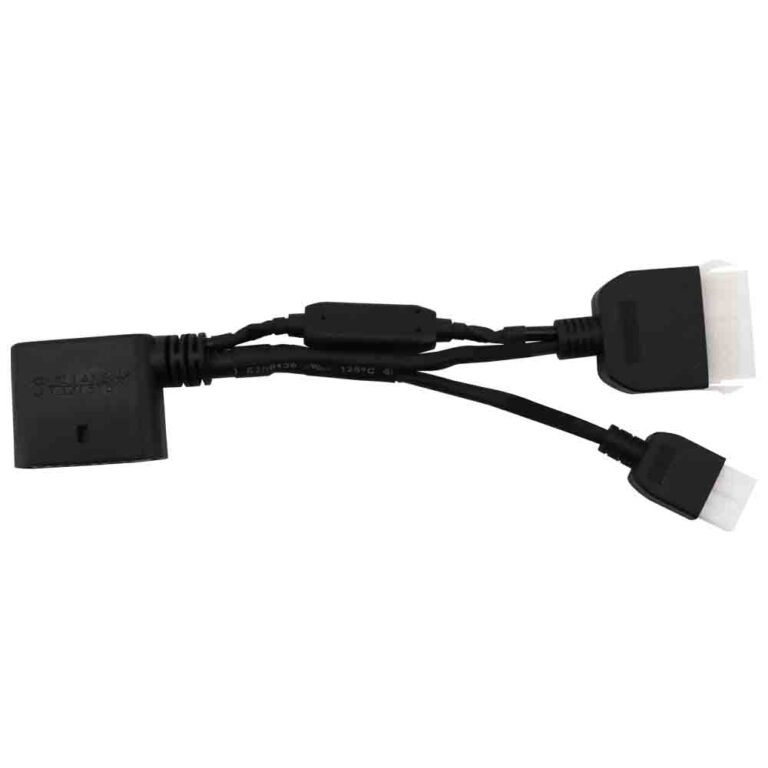
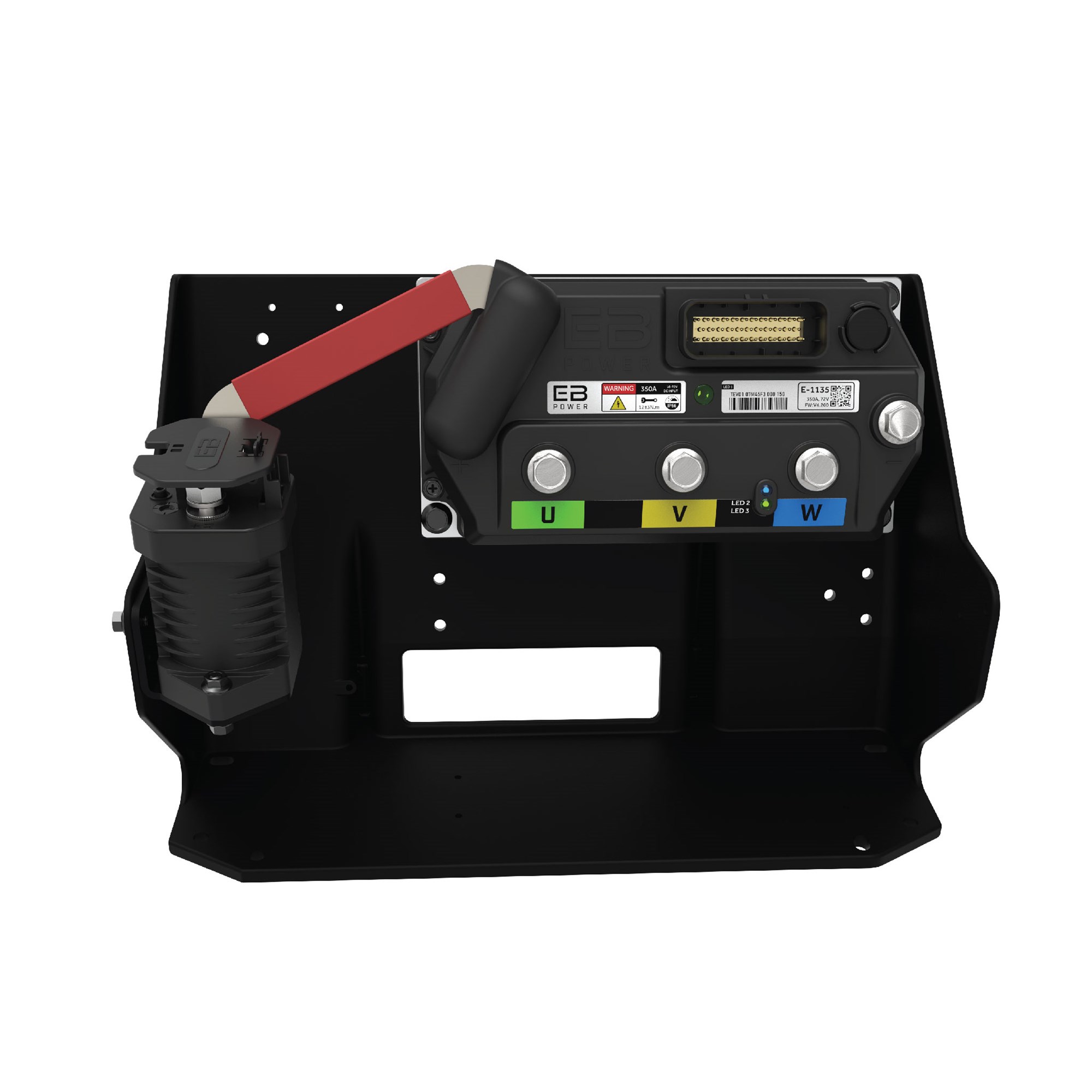
Each listed TSX kit includes a 440A or 600A controller with Bluetooth, the vehicle harness for the controller family and an On-The-Fly programmer. Your DC motor remains in place. Photograph every cable position, isolate the pack and follow the Navitas manual.
TAC2 4kW IQ conversion
The 4kW options include the Navitas AC motor, TAC2 controller, Club Car interface module, programmer, mounting plate and hardware, phase cable and motor-sensor cable. The stock DC motor and controller both come out.
Eco Battery DS conversion
The selected variant supplies a controller, AC motor, harness, adapters and installation components. The 350A and 450A 4kW choices avoid the 5kW clearance restriction recorded for a non-lifted DS A-frame.
- Confirm the controller label, voltage, body configuration and motor clearance before ordering.
- Repair weak batteries, hot cables and worn solenoid contacts before raising controller current.
- Use safe stands and insulated tools for a motor conversion. Never work under a cart supported only by a jack.
- Have a qualified golf cart technician perform the work if you are not comfortable with a traction system.
Frequently Asked Questions
What is the best speed upgrade for a Club Car DS?
For a healthy 48V DS with a Curtis 1510 or 1515 controller, a Navitas TSX 3.0 kit is the most direct upgrade because it keeps the existing DC motor and lets you adjust speed and acceleration. For an AC drive, choose a 4kW conversion that is listed for the DS frame.
Is there a speed chip for a Club Car DS?
Plug-in speed tricks change top speed at best and do nothing for torque on a hill. A programmable controller such as the TSX 3.0 changes both, within limits you set, and it is matched to your controller label rather than to the model year.
Can I put a 5kW AC motor in a Club Car DS?
Not with the kits in this guide. The Navitas TAC2 5kW option and the Eco Battery 5kW options are not listed for a non-lifted DS frame because the motor is too long. The TAC3 7.5kW kit is listed for Precedent-style frames only.
How do I know if my DS has a Curtis 1510 or a 1268 controller?
Lift the seat and read the label on the controller itself. The number printed there decides which TSX harness you need. If the label is missing or unreadable, send us a photo of the controller, its connector and the serial number.
Should I pick the 440A or 600A TSX kit for my DS?
Choose 440A for a two-seat cart on standard tires and moderate grades. Choose 600A for a rear seat, taller tires, heavier loads or steep hills, after the batteries, cables and solenoid have been checked.
Will a controller upgrade fix a DS that recently lost power?
Usually not. A sudden loss of power points to a fault such as a weak battery, a hot cable, a worn solenoid or a motor problem. Diagnose and repair that first; an upgrade is for a healthy cart that needs more than stock performance.
Updated September 2026: fitment, frame limits and package contents were checked against our live product data and keyed to the controller label.