
Solenoid and switching repair guides
Solenoid clicks, contactor paths, tow/run switches, F/R inputs, micro-switches, and command-circuit checks.
Start with these solenoid and switching guides
A cross-section of the 25 guides in this archive, covering the click versus no-click decision tree, coil and contact testing, micro-switches, and brand specific no-power faults. Use the search above or the filters to narrow by brand or symptom.
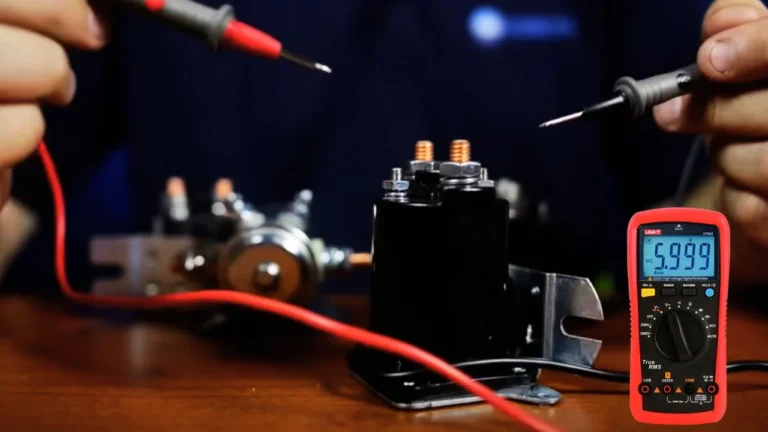
Golf Cart Solenoid Clicks But Won’t Move? The “Click of Death” Fix
Does your golf cart click when you press the pedal, but refuse to move? You likely have "burnt contacts." Learn how to test the solenoid with a multimeter and replace it safely.
Open guide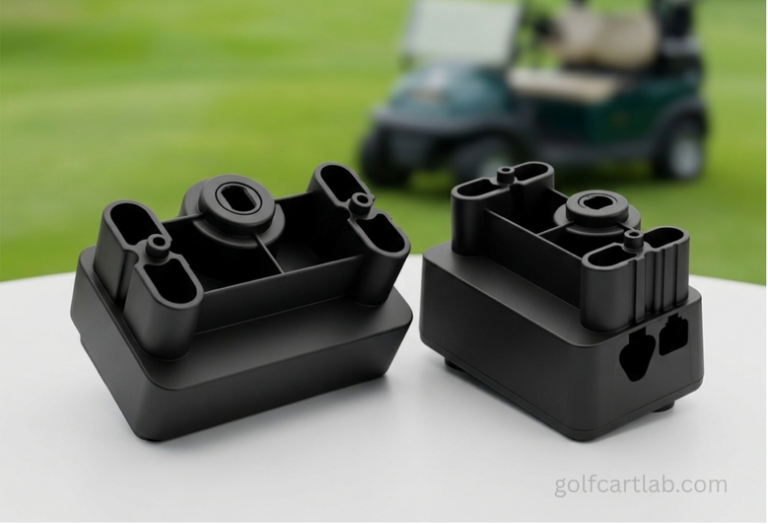
Golf Cart Dead? Testing Microswitches: The $5 Fix
Is your golf cart completely dead? It's likely a $5 microswitch. Learn how to locate, test, and adjust the pedal box and F/R switches that control your solenoid.
Open guide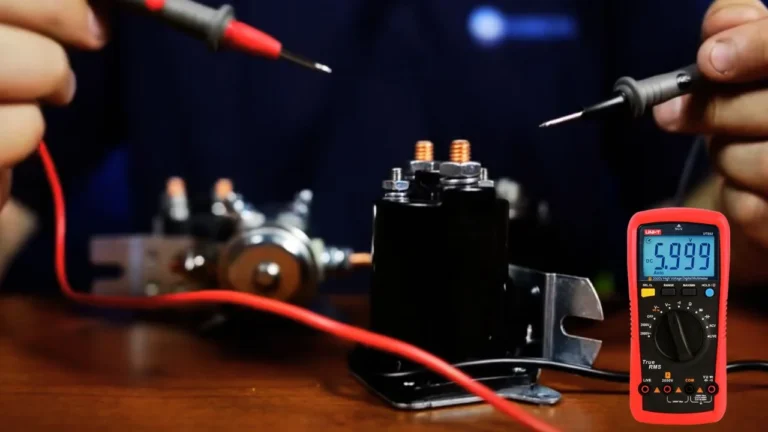
Golf Cart Won’t Stop? Solenoid Welded Contacts Diagnosis
Does your golf cart keep driving after you release the pedal? Your solenoid contacts have "welded" shut. This is a dangerous failure. Learn how to diagnose it safely and why you must replace the solenoid immediately.
Open guide
Golf Cart F/R Switch Burnout: Signs of Failure & Heavy Duty Upgrades
Does your Forward/Reverse handle feel hot? Do you smell burning plastic? Your F/R switch is melting under the load. Learn why stock switches fail and how to upgrade to a Heavy Duty version.
Open guide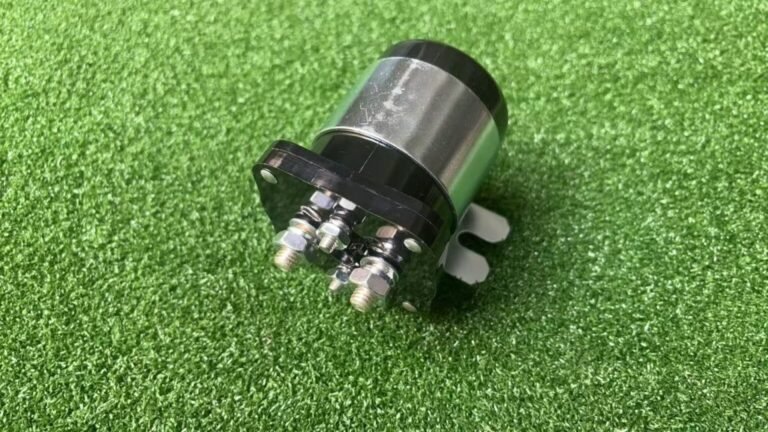
What Does a Stuck Solenoid Mean? Golf Cart Solenoid Guide
Learn what a stuck solenoid means on your golf cart. Discover the causes, symptoms, and proven fixes for stuck solenoids on EZGO, Club Car, and Yamaha carts.
Open guide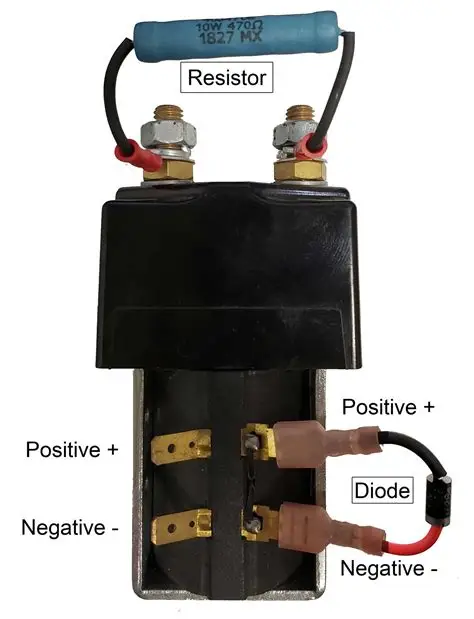
What Are the First Signs of Solenoid Failure? Early Warning Guide
Spot the first signs of solenoid failure on your golf cart before it leaves you stranded. Learn the early warning symptoms for EZGO, Club Car, and Yamaha carts.
Open guide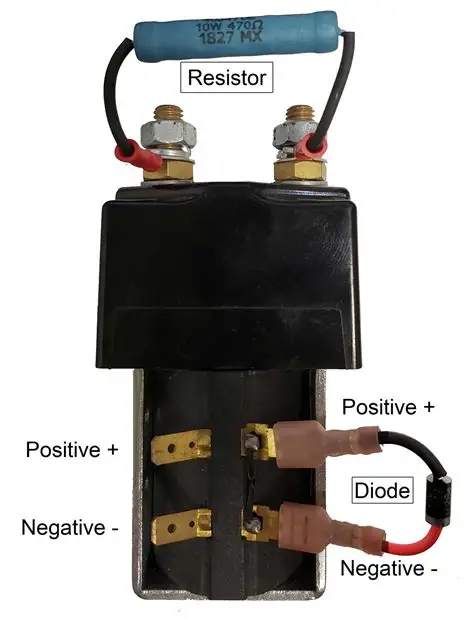
Why Is My Resistor Getting Hot? Golf Cart Precharge Resistor Guide
Discover why your golf cart resistor is getting hot. Learn the causes of precharge resistor overheating and how to fix it to protect your solenoid and controller.
Open guide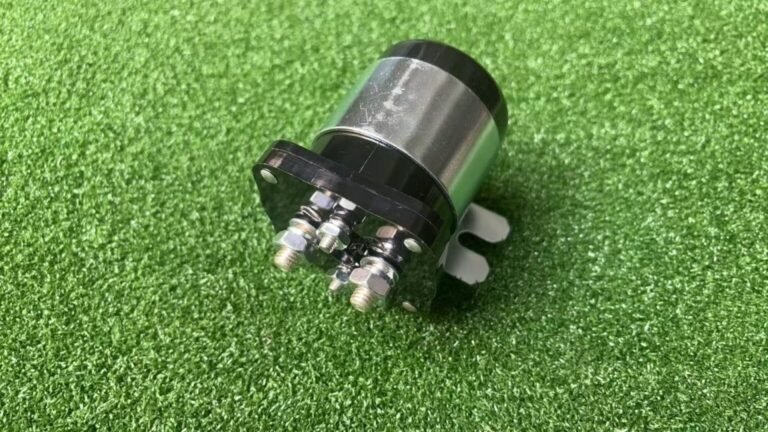
EZGO TXT No Power But Solenoid Clicks: Fix Guide
EZGO TXT no power but solenoid clicks? Test the solenoid contacts, battery pack, micro-switches and controller in order to find the no-drive fault fast.
Open guide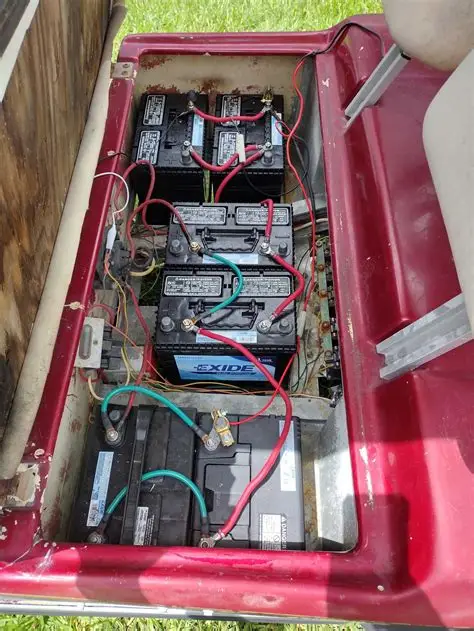
Club Car Precedent No Power (Solenoid Clicks): Fix
Club Car Precedent no power but the solenoid clicks? Diagnose the OBC, solenoid contacts, battery pack and controller in order to get rolling again.
Open guide
EZGO TXT Won’t Go Forward: Diagnosis & Fix
EZGO TXT won't go forward but reverses? Test the forward/reverse switch, ITS throttle sensor and wiring to find the forward-only fault fast.
Open guide
Yamaha G29 Won’t Go Forward or Reverse: Fix
Yamaha G29 Drive won't go forward or reverse? Check the tow/run switch, F&R sensor, contactor, pack and controller to find why the cart won't drive.
Open guide
Club Car DS No Power: Diagnosis & Fix Guide
Club Car DS no power and totally dead? Test the battery pack, connections, key switch and OBC in order to find why the DS has no power at all.
Open guideHow solenoids and switching actually work on a golf cart
A solenoid is a relay built for very high current. Two small terminals carry a low current coil circuit, and two large terminals carry the hundreds of amps that actually drive the motor. When the coil energises, it pulls an internal plunger across and bridges the two large contacts. That plunger movement is the click you hear. Everything about solenoid diagnosis follows from separating those two circuits, because a fault on the small side and a fault on the large side produce completely different symptoms.
The small side is a permission chain: key switch, run and tow switch, forward and reverse selector, and a pedal micro-switch, each of which must close before the coil sees voltage. That chain is why a cart with a perfectly good pack can sit completely silent. The large side is pure current handling, and it fails by pitting, welding, or burning until it can no longer pass full motor current even though it still clicks reliably.
The failure modes behind most switching complaints
Five patterns cover the large majority of cases in this archive:
- No click at all. Symptom: total silence when the pedal is pressed. The coil is not getting voltage, so the fault is upstream in the key, run and tow, direction switch or micro-switch, not in the solenoid itself.
- Clicks but the cart does not move. Symptom: a clear click and nothing else. The coil side works and the large contacts are pitted or burned, so current is not crossing.
- Welded contacts. Symptom: the cart tries to move as soon as the key turns, or will not stop when the pedal is released. The plunger has fused across and the circuit is permanently closed. This one is a safety fault, not an inconvenience.
- Failed micro-switch at the pedal. Symptom: dead cart, no click, and everything else tests good. It is one of the cheapest parts on the cart and one of the most common causes of a no-start.
- Burned forward and reverse switch contacts. Symptom: works one direction only, or works after moving the lever back and forth. On many models this switch carries full motor current and pits like a solenoid does.
What to measure first, and the numbers that matter
Three readings settle almost every solenoid question, and the first one decides which half of the circuit you are working on.
1. Voltage at the two small coil terminals, key on and pedal pressed. Full pack voltage on a 48-volt coil, or 12 volts on a 12-volt coil, means the permission chain is intact and the solenoid is the suspect. Missing voltage means the fault is upstream.
2. Voltage across the two large terminals with the solenoid engaged. A good solenoid drops almost nothing. Anything over about 0.2 volts means the contacts are burned and it is passing current through resistance.
3. Continuity across the large terminals with the key off. Any continuity at rest means the contacts are welded closed and the solenoid must be replaced before the cart is driven again.
| Test | Good | Bad | Conclusion |
|---|---|---|---|
| Coil voltage, key on and pedal down | Full pack or 12 V | 0 V | Fault is upstream of solenoid |
| Drop across large terminals, engaged | Under 0.2 V | Over 0.5 V | Burned contacts |
| Continuity across large terminals, key off | Open circuit | Any continuity | Welded, replace immediately |
| Coil resistance, 48V coil | About 150 to 300 ohms | Open or near 0 | Failed coil winding |
| Coil resistance, 12V coil | About 10 to 30 ohms | Open or near 0 | Failed coil winding |
| Precharge resistor | Intact, warm at most | Open or very hot | Controller drawing through it |
Coil resistance varies by manufacturer, so read it as a sanity check rather than a specification. An open reading or a near short is conclusive either way.
Which guide do you need?
If there is no click at all, work the permission chain with the micro-switch and key circuit guides before buying a solenoid. If it clicks but will not move, go to the click of death and contact testing guides. If the cart will not stop or moves on key on, treat it as welded contacts and read that guide first, because it is a safety issue. If it works in one direction only, the forward and reverse switch guides are the right entry point. If the solenoid runs hot or the resistor is hot, the heat diagnosis and precharge resistor guides explain what that is telling you.
Before testing a solenoid: lift the drive wheels, put the run and tow switch in tow, and remember that the large terminals stay live at pack voltage even with the key off. Keep a single hand on the probe where you can, and never lay a metal tool across the big posts.