
Battery tech repair guides
Battery voltage, state of charge, lithium and lead-acid behavior, charging patterns, and pack-health checks.
Start with these battery and pack guides
A cross-section of the 27 guides in this archive, covering lead-acid versus lithium, state of charge, watering and sulfation, and lithium BMS faults. Use the search above or the filters to narrow by brand or symptom.
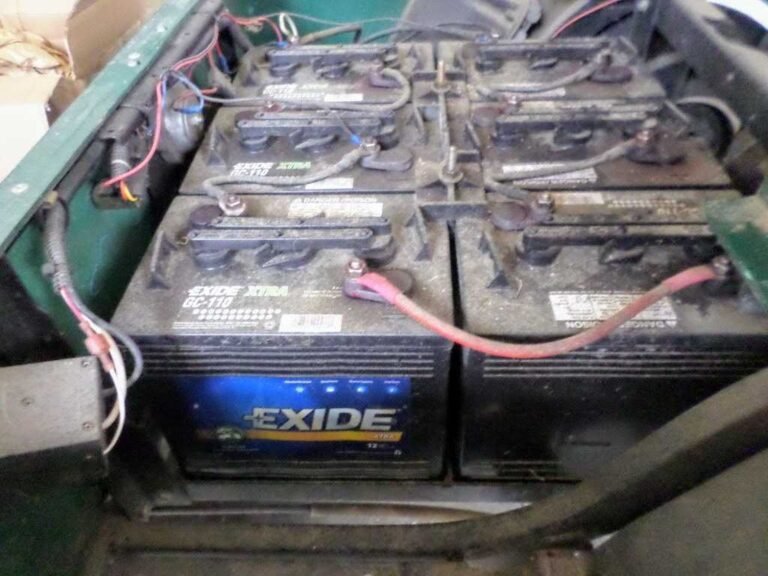
Golf Cart Battery Maintenance: Watering, Charging & Care
Golf cart battery maintenance made simple: how to water flooded lead-acid batteries, charge correctly, clean terminals, and make any pack last years longer.
Open guide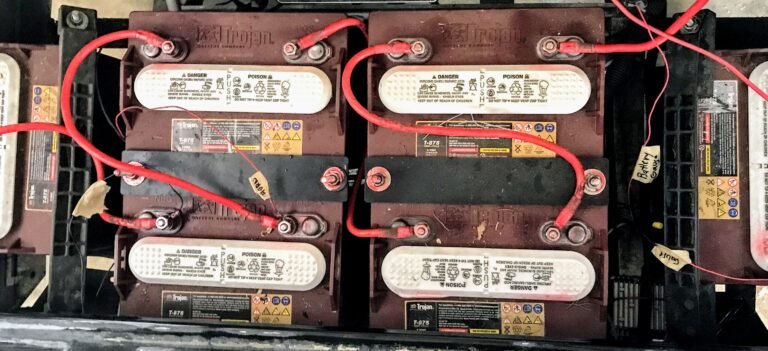
How Many Batteries Does a Golf Cart Have? 36V, 48V & 72V
How many batteries does a golf cart have? 36V uses six, 48V uses six 8V or four 12V, 72V uses six. See your real range with a free calculator.
Open guide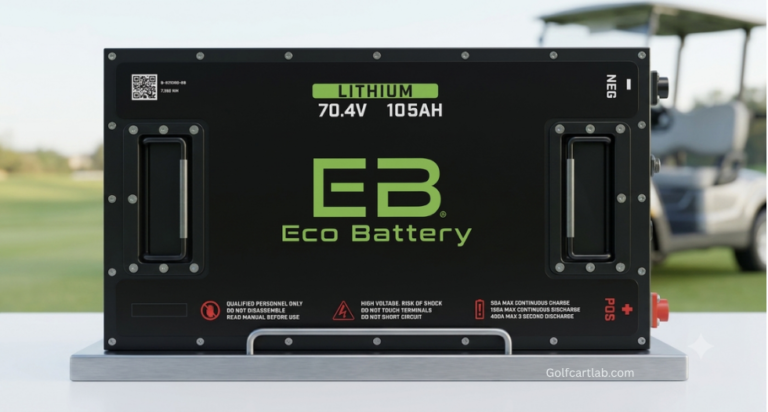
Are Lithium Golf Cart Batteries Worth It? Honest 2026 Verdict
Are lithium golf cart batteries worth it? An honest verdict on cost, range, lifespan and the real trade-offs vs lead-acid, plus who should wait.
Open guide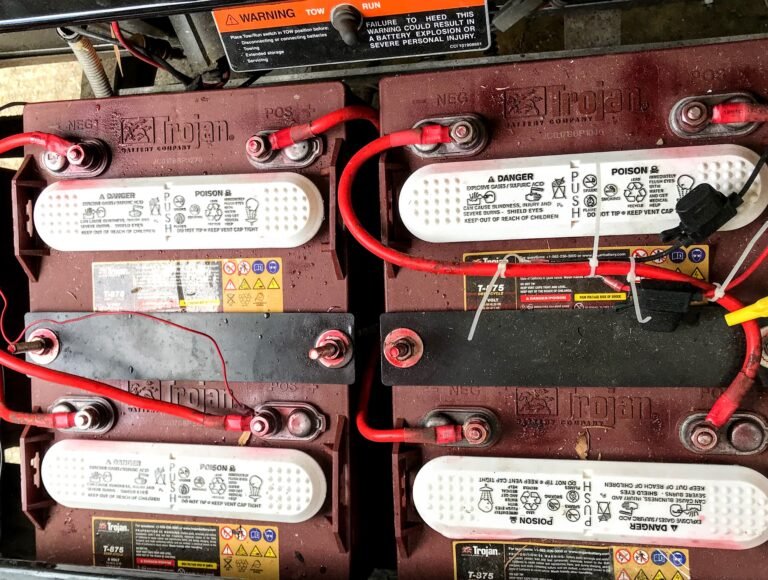
Golf Cart Battery Brands Ranked: Honest 2026 Guide
Golf cart battery brands ranked by build, BMS, warranty, support and price, RoyPow, Eco, Allied, Dakota and Trojan compared honestly.
Open guide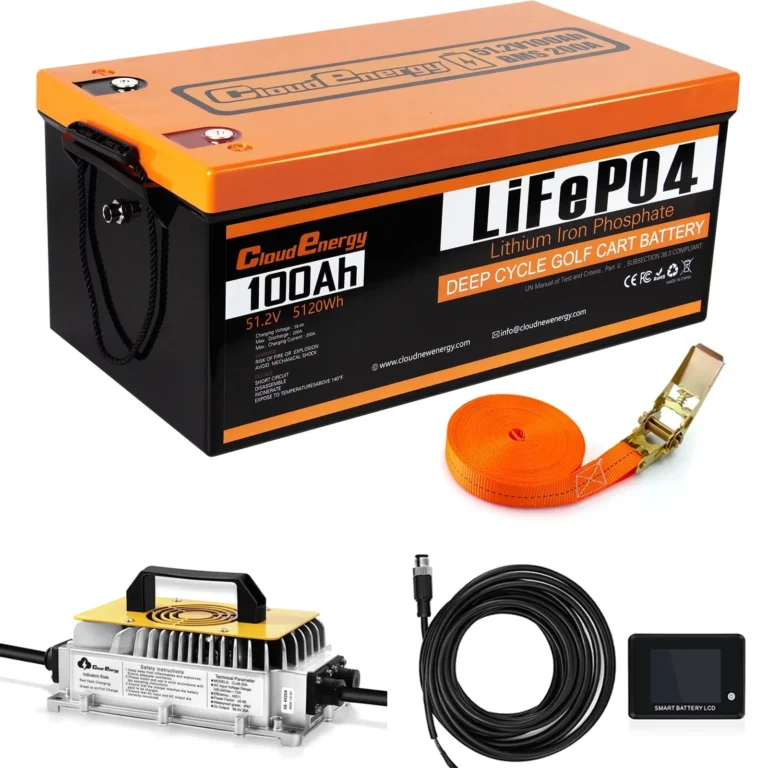
How to Connect a Lithium Battery to a Golf Cart (Step by Step)
Connect a lithium battery to a golf cart in 5 steps: pull the old pack, mount, wire the mains, set up the charger, and handle the OBC. Avoid wiring mistakes.
Open guide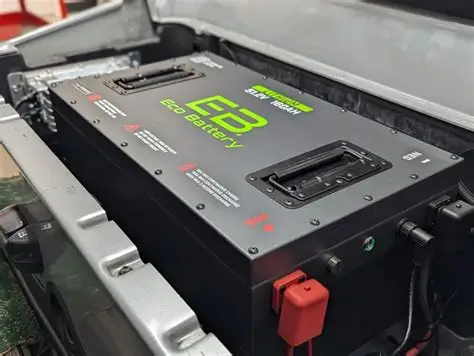
What Are the Disadvantages of Lithium Golf Cart Batteries?
The main disadvantages of lithium golf cart batteries are high upfront cost, cold-weather limits, BMS complexity, and charger compatibility. Full honest breakdown.
Open guide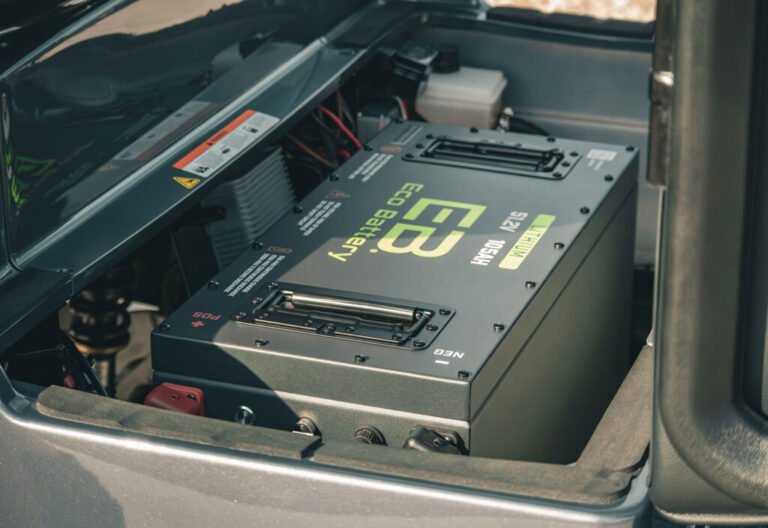
Golf Cart 48V to 72V Conversion: Speed & Torque Gains Analyzed
Want to hit 40+ MPH? We analyze the real-world data of converting a 48V golf cart to 72 Volts. See the speed gains, torque figures, and the total cost of the upgrade.
Open guide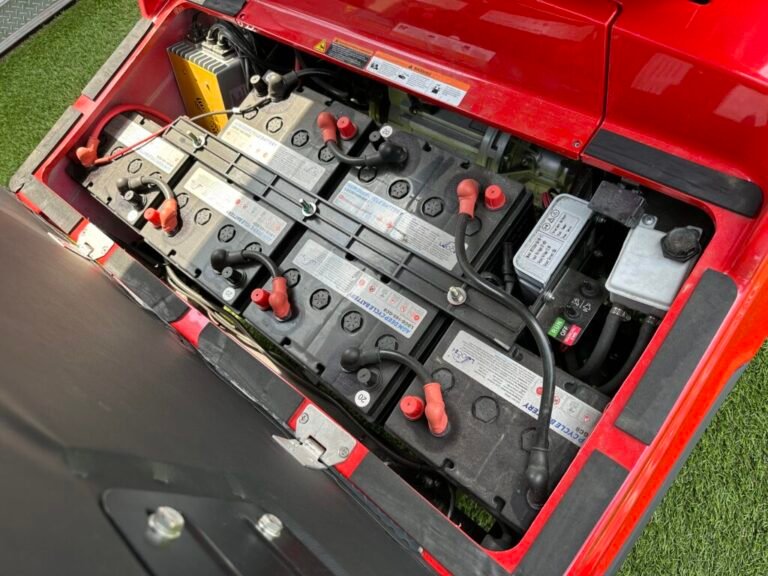
Best Lithium Golf Cart Battery: 2026 Buyer’s Guide
Best lithium golf cart battery guide: what to look for in LiFePO4 packs, reputable brands, how to size capacity, and installation tips.
Open guide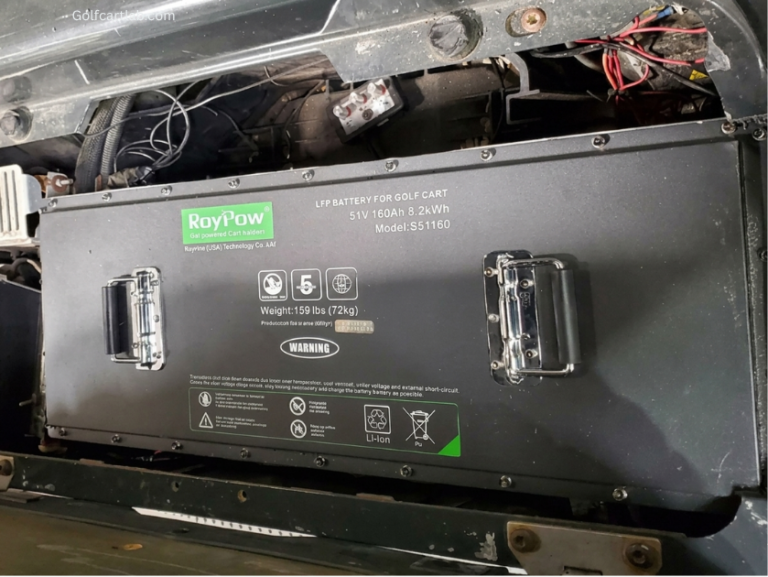
RoyPow Golf Cart Battery Review: Honest 2026 Verdict
An honest RoyPow golf cart battery review, OEM-grade lithium, 12V output, warranty, real owner feedback, and whether it is worth it for you.
Open guide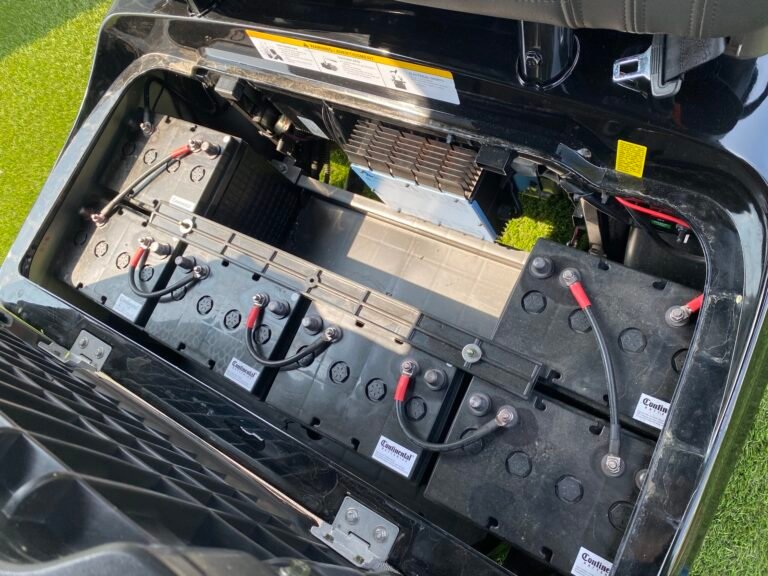
ICON Golf Cart Lithium Battery Problems (BMS): Fix
ICON lithium battery not working, not charging, or cutting power? Learn how the BMS protects the pack, how to wake a sleeping battery, and when to call a dealer.
Open guide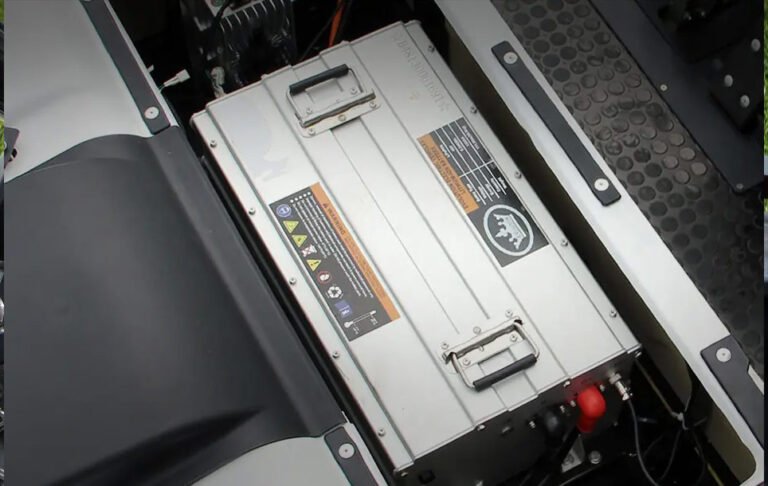
Evolution Golf Cart Lithium Battery Problems (BMS): Fix
Evolution lithium battery not working, cutting out, or refusing charge? Diagnose BMS sleep, pack voltage, cable heat, voltage sag and charger wake.
Open guide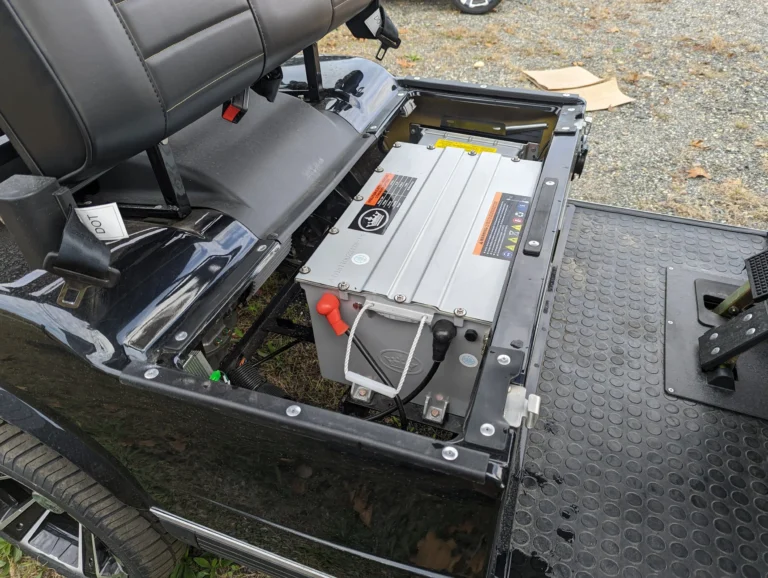
Star EV Golf Cart Lithium Battery Problems (BMS): Fix
Star EV lithium battery not working, cutting out, or refusing charge? Diagnose BMS sleep, voltage sag, cable heat and charger wake.
Open guideHow golf cart battery packs actually work
A golf cart traction pack is a series string, and series wiring has one consequence that explains most battery problems: every battery carries the same current, so the weakest unit sets the ceiling for the whole pack. Six 8-volt lead-acid batteries make 48 volts, eight 6-volt units make the same 48 volts with more capacity, and a lithium pack replaces the whole string with one block and a battery management system that decides when to allow charge and discharge.
Lead-acid and lithium fail in opposite ways, which is why the guides here split along that line. Lead-acid degrades gradually: plates sulfate, capacity fades, and one cell eventually drops far enough to drag the string down while still reading close to normal at rest. Lithium tends to work perfectly until the BMS decides otherwise, then cuts out completely, often over temperature or cell imbalance rather than actual wear. A lead-acid pack warns you for months. A lithium pack usually does not warn you at all.
The failure modes behind most battery complaints
Five patterns account for the large majority of cases in this archive:
- One dropped cell in a lead-acid string. Symptom: full range for ten minutes, then a sharp fall off. Resting voltage can look almost normal, which is why a load test rather than a multimeter finds it.
- Sulfation from sitting discharged. Symptom: the pack charges quickly, reads full, and has almost no runtime. Lead sulfate hardens on the plates within weeks of storage at a low state of charge, and the capacity does not come back.
- Low electrolyte from missed watering. Symptom: reduced range, and plates visible above the fluid line. Once plates have been exposed and dried, that area is permanently lost.
- Corroded terminals and undersized cables. Symptom: the cart bogs under load with a pack that tests fine at rest. Resistance only reveals itself when current flows, so static readings hide it completely.
- Lithium BMS cutout. Symptom: total shutdown with no warning, often in cold weather or after a deep discharge. Most BMS units refuse to charge below freezing and latch off below a minimum pack voltage.
What to measure first, and the numbers that matter
Two readings and a rest period separate a genuinely bad pack from a wiring problem misread as one.
1. Resting pack voltage, taken at least an hour after charging or driving. A pack read straight off the charger sits about a volt high and makes a tired bank look healthy.
2. Individual battery voltage across the string. Any lead-acid unit more than about 0.3 volts below its neighbours is the one dragging the pack down, and replacing the others will not help.
3. Specific gravity on flooded lead-acid, if you have a hydrometer. It sees a weak cell that voltage alone will miss. A spread over 0.030 between cells in the same battery means that battery is failing internally.
| Pack | Full (resting) | About 50% | Recharge now |
|---|---|---|---|
| 36V lead-acid (6 x 6V) | 38.2 V | 36.4 V | Below 35.2 V |
| 48V lead-acid (6 x 8V) | 50.9 V | 48.5 V | Below 46.9 V |
| 48V lead-acid (8 x 6V) | 50.9 V | 48.5 V | Below 46.9 V |
| 48V lithium (LiFePO4, 16S) | 54.4 V | 52.8 V | Below 48.0 V |
| 72V lithium (LiFePO4, 24S) | 81.6 V | 79.2 V | Below 72.0 V |
| Flooded cell specific gravity | 1.277 | 1.200 | Below 1.160 |
Water flooded batteries after charging, never before, and only to about a quarter inch below the fill well. Filling a discharged battery pushes electrolyte out as it charges and takes acid with it.
Which guide do you need?
If the cart runs then fades quickly, start with the load testing and dropped cell guides rather than buying a whole set. If the pack will not take a charge at all, check whether it has fallen below the charger wake threshold before assuming the charger failed. If you are deciding between lead-acid and lithium, the comparison and buyer guides cover real cost per year rather than sticker price. If you are maintaining a healthy pack, the watering and care guides are the routine worth following. If you own a lithium cart that shut down suddenly, go to the BMS guides for your brand first.
Working around lead-acid: the electrolyte is sulfuric acid and the pack can deliver hundreds of amps into a dropped wrench. Wear eye protection, remove rings and watches, charge in a ventilated space because charging releases hydrogen, and disconnect the negative side first when breaking the string.