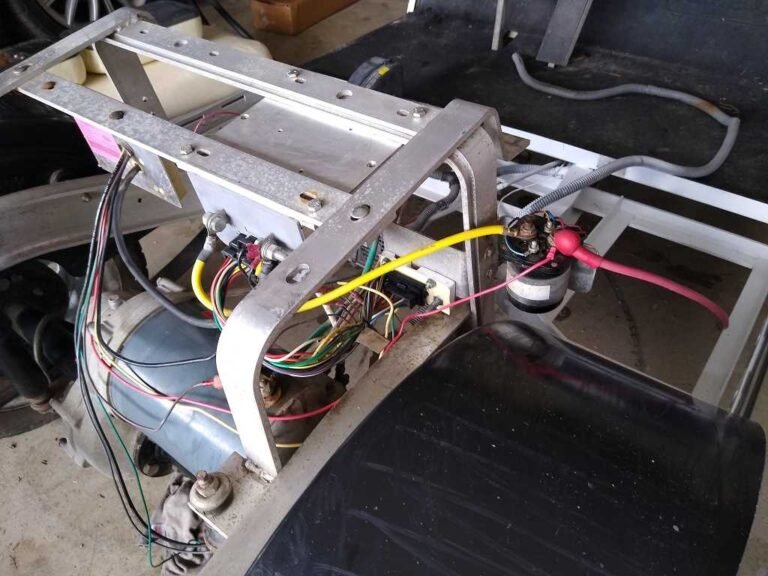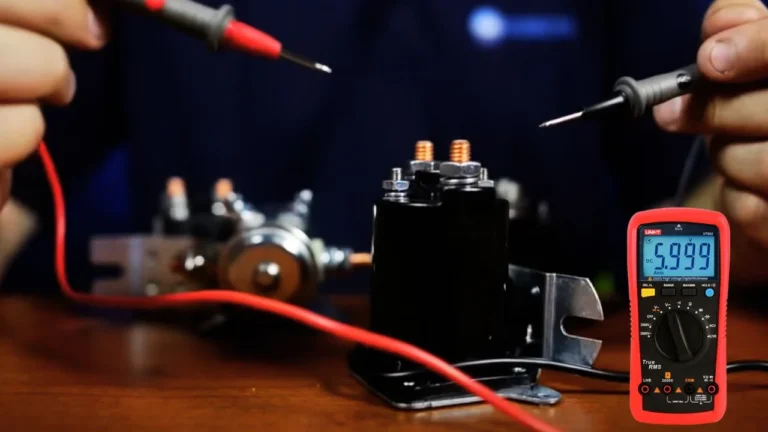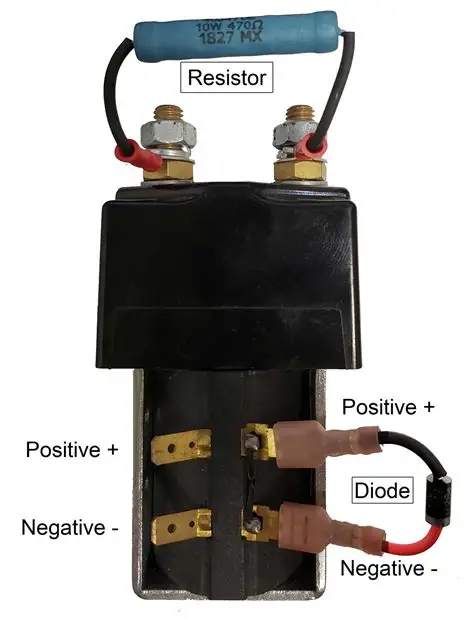
First Signs of Solenoid Failure
Golf cart solenoids rarely fail without warning. There is almost always a progression of early symptoms that, if caught in time, allow you to replace the unit on your own schedule rather than being stranded on hole 14 or halfway down a neighborhood street. Recognizing the first signs of solenoid failure early can also prevent the dangerous runaway cart condition that occurs when contacts finally weld shut.
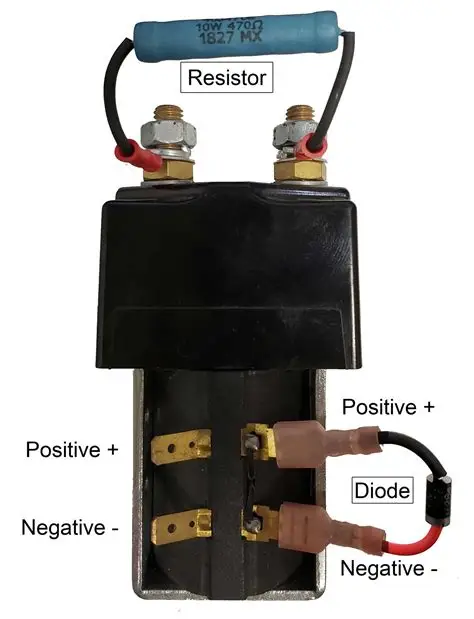
01 : Intermittent No-Start
This is typically the very first symptom owners notice. You press the accelerator, the cart does nothing. You try again and it works perfectly. This on-and-off pattern may occur once a week at first, then gradually increase in frequency over the following weeks.
The root cause is usually pitted contacts. As the copper contact surfaces develop craters from repeated arcing, the effective contact area shrinks. When the plunger happens to land on a particularly deep pit, the reduced contact area creates too much resistance to pass sufficient current. The next time the plunger engages, it may land on a smoother patch and work normally. This randomness is the hallmark of contact degradation. If your cart is experiencing intermittent issues, our solenoid click-of-death guide walks through the full diagnostic chain.
What to do at this stage: Test now rather than waiting for a complete no-start. Record whether the solenoid clicks, then perform a loaded voltage-drop check across its large posts. Monitor only if the drop is low and the fault proves to be elsewhere.
02 : Increased Heat
A solenoid that is noticeably hotter than it used to be is a solenoid with increasing internal resistance. As contact surfaces degrade, more energy is converted to heat rather than being passed through to the motor controller.
Get in the habit of touching the solenoid housing after each drive session. On a healthy unit, it should be mildly warm at most. If the housing progresses from “warm” to “hot” to “too hot to hold” over a period of weeks, the contacts are deteriorating and the solenoid is approaching end of life. For a detailed analysis of solenoid heat, read our solenoid resistor thermal diagnostics guide. You can also use an IR thermometer gun to track the temperature trend over time, the same tool covered in our thermal imaging guide.
What to do at this stage: Stop and test the same day if the case, cable lug, or boot is unusually hot, smells scorched, or shows soft plastic. Tighten and clean connections only with the pack disconnected; replace the solenoid now if heat returns or contact drop is high.
03 : Delayed Acceleration Response
When the solenoid was new, pressing the accelerator produced an immediate click and instant motor engagement. As the contacts degrade, you may notice a half-second to one-second delay between pressing the pedal and the cart responding. This delay occurs because the pitted contacts require the plunger to “seat” multiple times before achieving sufficient electrical contact to pass current. The plunger bounces microscopically until it finds a good spot. This delay will worsen over time until the contacts can no longer make reliable connection at all.
What to do at this stage: Do not judge by delay alone. Check pack sag and pedal-switch operation, then measure the closed-contact voltage drop. Monitor a cart that passes every measurement; schedule replacement if delay and contact loss occur together.
04 : Weaker Click Sound
A healthy solenoid produces a sharp, authoritative click. As the coil ages and the plunger bore accumulates corrosion, the click becomes softer and duller. The magnetic pull force weakens as coil insulation degrades, reducing the speed at which the plunger slams into the contacts. If you notice the click getting quieter over months, the coil is gradually failing. This is especially common on carts that are stored outdoors and exposed to humidity, which accelerates bore corrosion and coil insulation breakdown.
What to do at this stage: Compare the sound with a known-good cycle and measure voltage across the small posts while the coil is commanded. Low voltage sends you upstream to wiring and switches; correct voltage with a weak or inconsistent pull means replace the solenoid.
05 : Terminal Corrosion and Discoloration
The external terminal posts are a visible window into the solenoid’s internal health. Look for these signs during routine maintenance:
- Blue or brown heat discoloration: Metal that has turned blue or brown has been exposed to extreme heat, indicating high-resistance connections generating dangerous thermal energy. This same discoloration pattern affects battery terminals as well.
- White or green corrosion buildup: Corrosion at the posts creates resistance that generates heat and reduces current delivery to the motor. Clean with a wire brush and apply dielectric grease. If the corrosion has penetrated the post threads, consider replacing the solenoid. For a deeper dive, see our corrosion chemistry guide.
- Melted cable insulation: If the wire insulation near the solenoid posts looks melted, bubbled, or deformed, the solenoid has been running significantly hotter than designed. This is an advanced failure sign that demands immediate replacement.
What to do at this stage: Clean light surface corrosion, replace damaged nuts or boots, and recheck after a drive. Replace now if a post is loose in the housing, threads are damaged, insulation is melted, or discoloration returns after the connection is corrected.
06 : Expected Solenoid Lifespan
With proper circuit protection (precharge resistor + flyback diode), a quality solenoid should last 5 to 10 years or more on a standard-use golf cart. Without circuit protection, the contact arcing accelerates wear dramatically, and solenoids can fail in as little as 6 to 18 months.
Factors that shorten solenoid life:
- No precharge resistor: Causes arcing on every engagement. Learn how to install one in our precharge resistor sizing guide.
- Undersized solenoid for controller output: Forces the contacts to carry more current than rated. Upgrade to a 400-amp solenoid if you have a high-output controller.
- Outdoor storage without a cover: Humidity accelerates plunger bore corrosion and coil insulation degradation.
- Loose terminal connections: High-resistance posts generate localized heat that damages the solenoid housing and internal components.
What to do at this stage: Age alone is a monitoring cue, not a diagnosis. Inspect and test an older unit during annual service; replace it when it fails continuity, coil, activation-voltage, or loaded voltage-drop testing, or when heat damage is visible.
Frequently Asked Questions
What are the first signs of solenoid failure?
The earliest signs are intermittent no-starts, extra heat at the solenoid, delayed acceleration, a weaker click, and terminal corrosion. Catching these lets you replace the unit before it strands you.
How long does a golf cart solenoid last?
Lifespan varies widely with amp load, precharge protection, and moisture exposure, so treat it as condition-based rather than a fixed number. A protected, well-connected solenoid lasts far longer than one taking bare inrush hits.
Does a hot solenoid mean it is failing?
Excess heat at the solenoid points to high-resistance contacts or connections and is a genuine early warning. Check torque and cable condition, and plan a replacement if the heat persists.
Can I keep driving with early solenoid symptoms?
You can drive short term, but a solenoid that welds contacts can cause a runaway cart, so replace it promptly once the click weakens or no-starts become frequent.