
Find the golf cart fix faster
Search every Golf Cart Lab repair guide by symptom, brand, part or system. Start with the failure you see, then open the guide that matches your cart.
Looking for a part to buy instead? Search the parts catalogue.
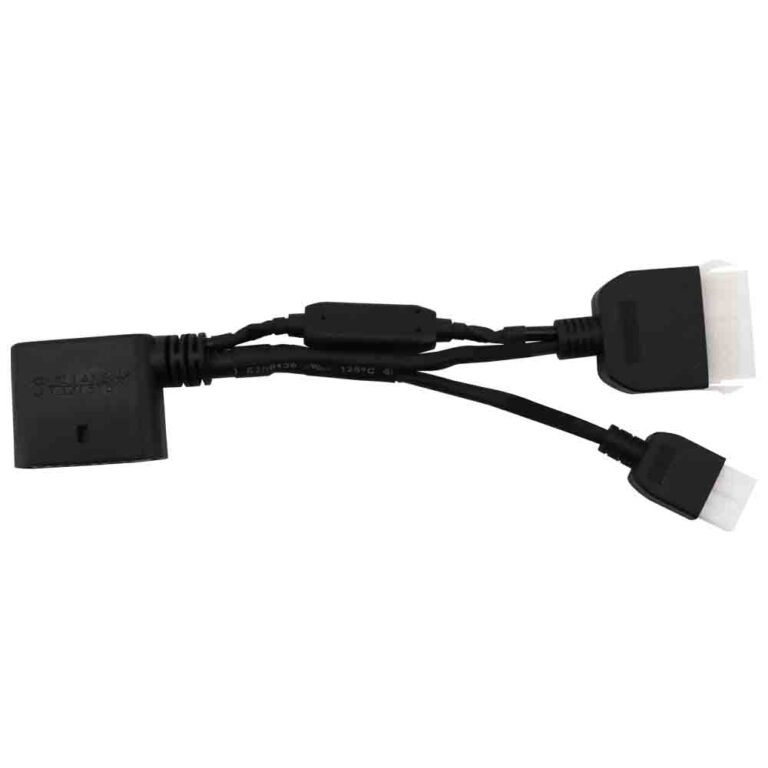
A Beginner’s Guide to Golf Cart Harnesses and Programmers
A cart-by-cart guide to golf cart harnesses and programmers: the Navitas harness, connector module, OTF, AC cable or J2 connector that fits your controller.
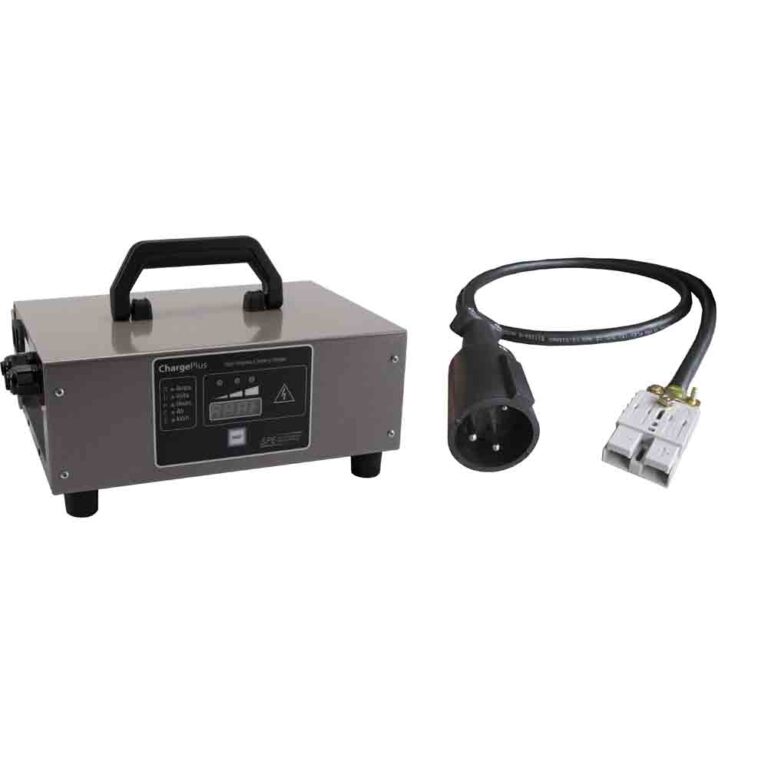
A Beginner’s Guide to Replacing a Golf Cart Charger
A cart-by-cart guide to golf cart charger replacement: five checks that prove the charger is finished, then the charger, plug or cable that fits your cart.
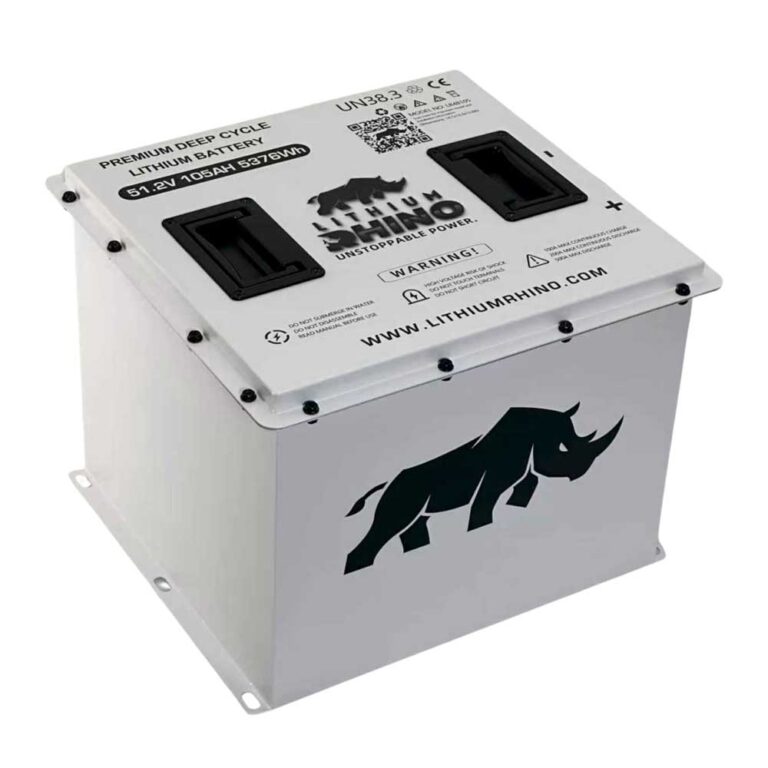
A Beginner’s Guide to Replacing a Golf Cart Battery Pack
A cart-by-cart guide to golf cart battery replacement: five tests that prove the pack is finished, then the lithium pack that fits your voltage, tray and use.
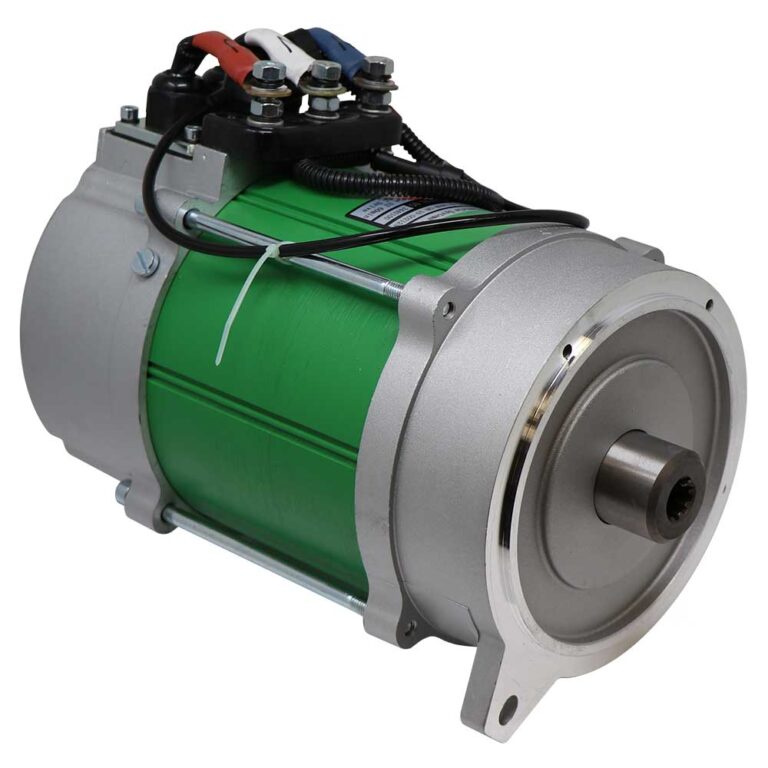
A Beginner’s Guide to Replacing a Failed Golf Cart Motor
A cart-by-cart guide to golf cart motor replacement: five tests that prove the motor has failed, then the exact Navitas AC motor or AC kit for your cart.
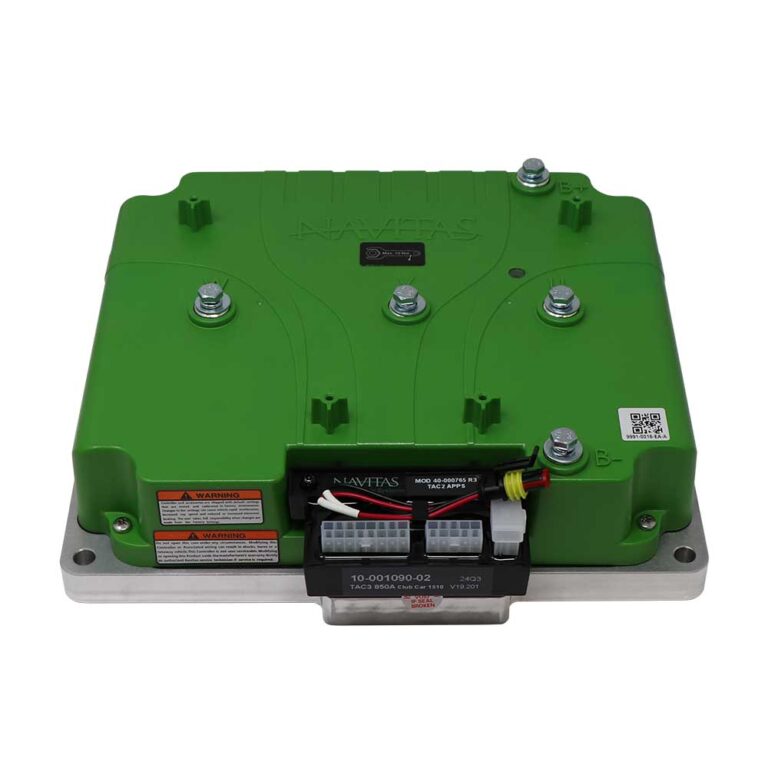
A Beginner’s Guide to Replacing a Failed Golf Cart Controller
A cart-by-cart guide to golf cart controller replacement: five tests that prove the controller has failed, then the exact Navitas controller or kit for your label.
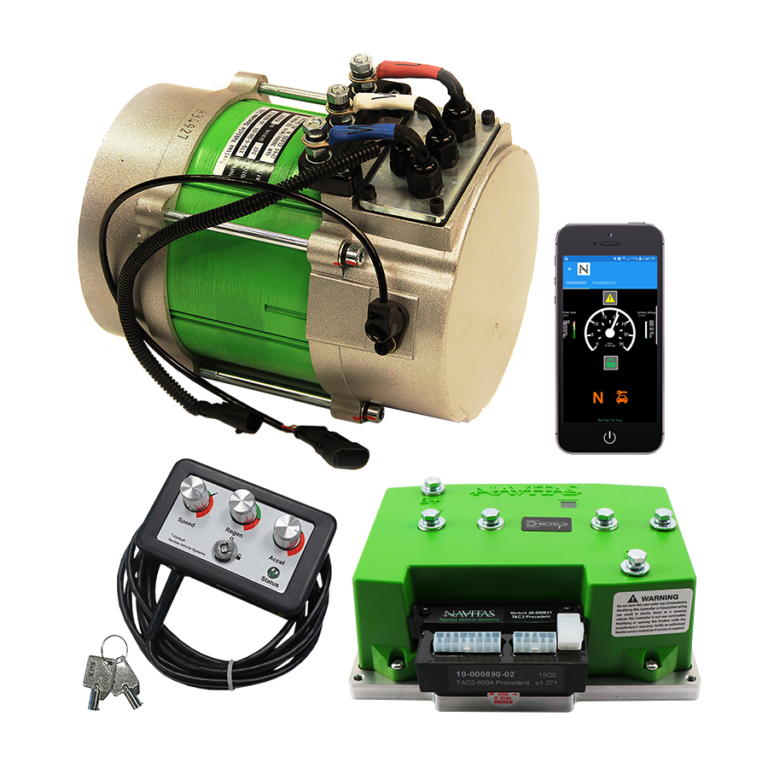
A Beginner’s Guide to Choosing a Golf Cart Conversion Kit
A cart-by-cart guide to choosing a golf cart conversion kit: TSX controller kits, DC to AC conversions and AC controller kits matched to your controller label and pack voltage.
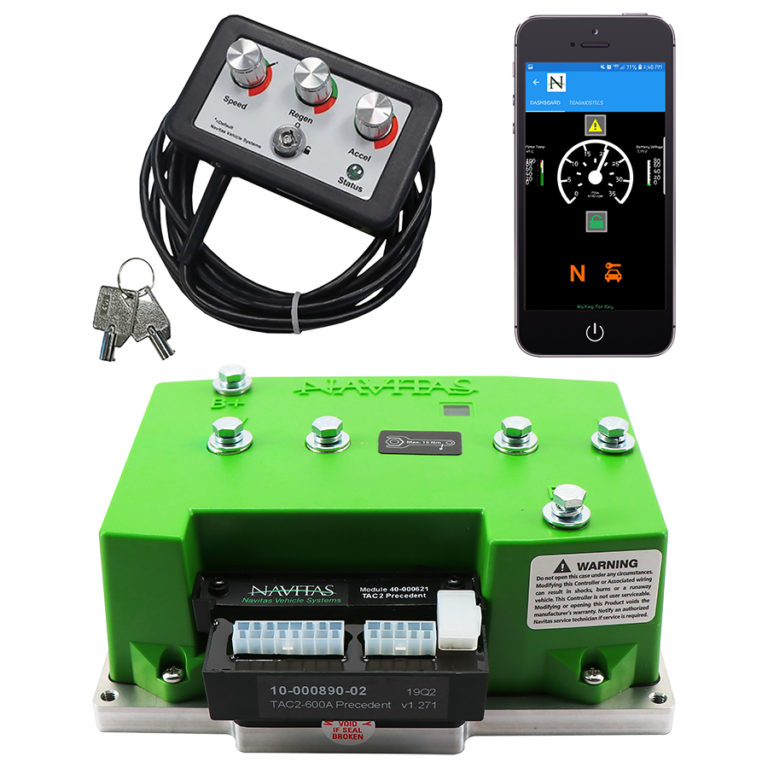
E-Z-GO RXV Speed and Hill Upgrade: The Navitas TAC2 Route
Why an AC E-Z-GO RXV still slows on grades, what to check first, and which Navitas TAC2 kit fits Danaher, Curtis lead-acid and ELiTE lithium carts.
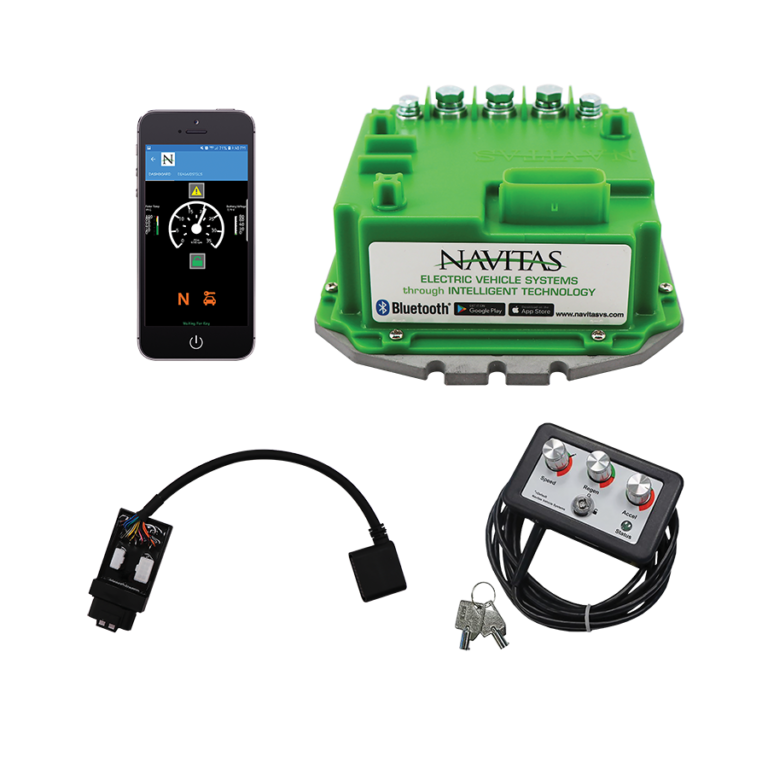
Yamaha Drive (G29) Speed Upgrade: TSX vs AC Conversion
How to identify a 26 pin Yamaha G29 Drive or Drive2 DC, what to check first, and when a TSX 3.0 controller or a TAC2 or TAC3 AC conversion fits.
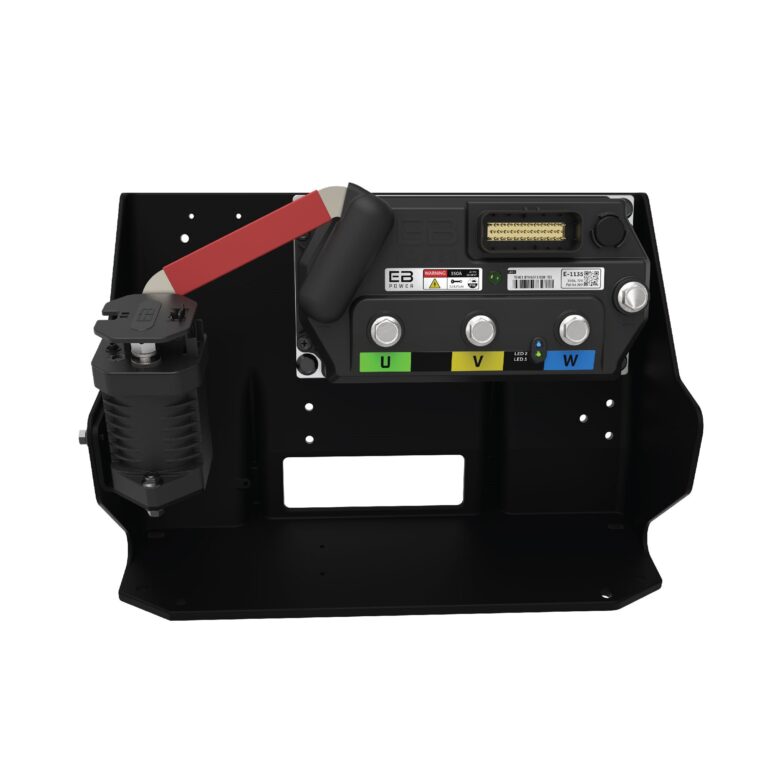
Club Car DS Speed and Torque Upgrade: Which Kit Fits Your DS
How to identify your Club Car DS drive, what to test before upgrading, and which TSX 3.0 or 4kW AC kit fits by controller label and frame size.
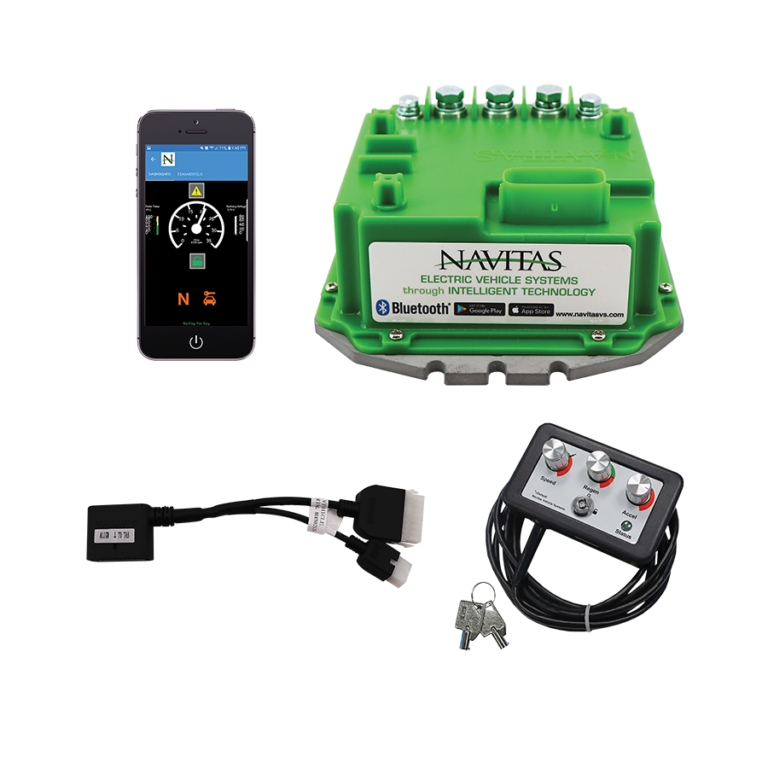
Club Car Precedent Won’t Climb Hills? Controller and AC Options
Why a Club Car Precedent slows on hills, what to test first, and which Navitas or Eco Battery upgrade fits by controller label and drive system.
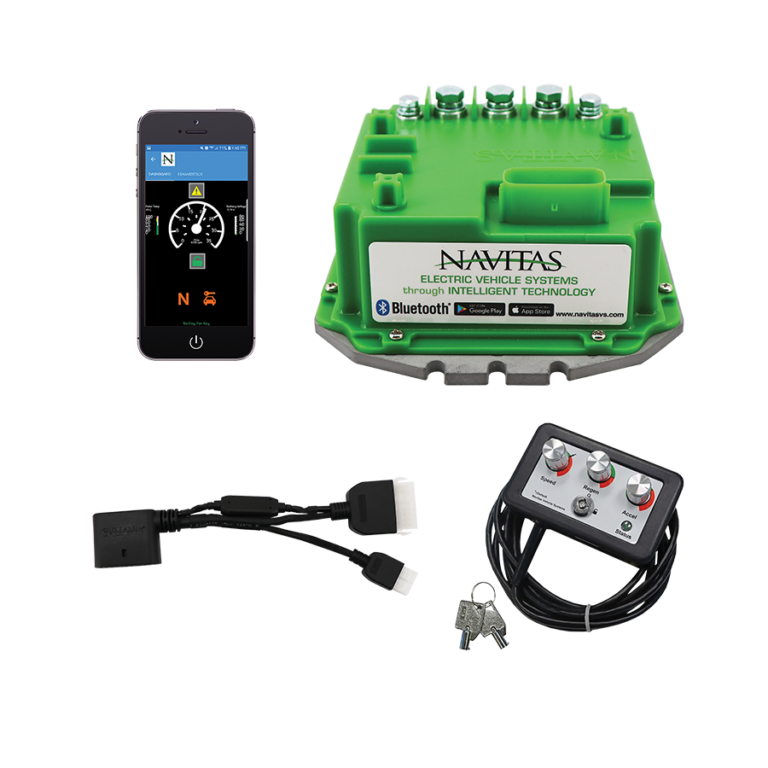
E-Z-GO TXT Too Slow on Hills? The 48V Upgrade That Works
Why a 48V E-Z-GO TXT slows on hills, the checks to run first, and which Navitas TSX 3.0 or AC conversion kit fits your cart by its controller label.
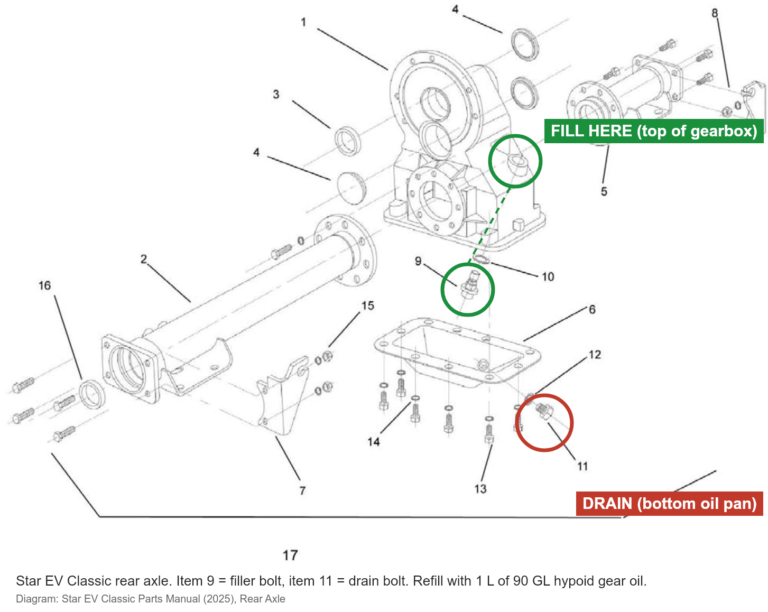
Star EV Rear Differential Fill Plug: Where It Is on the Classic and How to Refill
Can't find the Star EV rear differential fill plug? On the Classic it is the vented bolt on top of the gearbox. Diagram, gear oil spec, capacity and full refill steps.
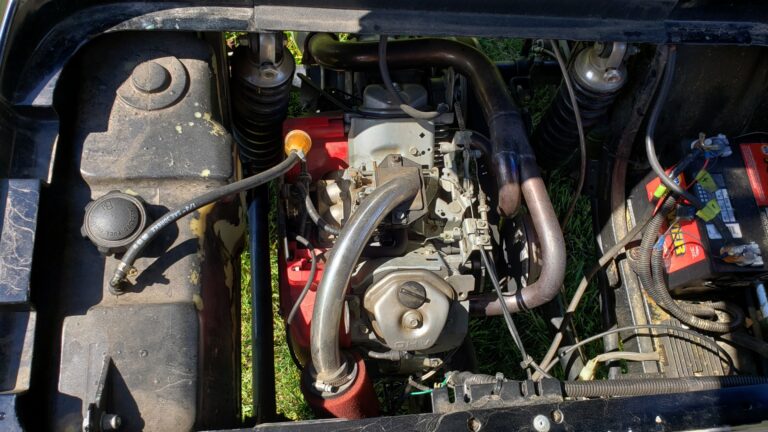
EZGO TXT Carburetor Adjustment: Idle, Throttle Cable and Governor Baseline
Identify the TXT engine, clean the fuel system, set throttle cable free play and idle in order, and avoid universal mixture or governor settings.
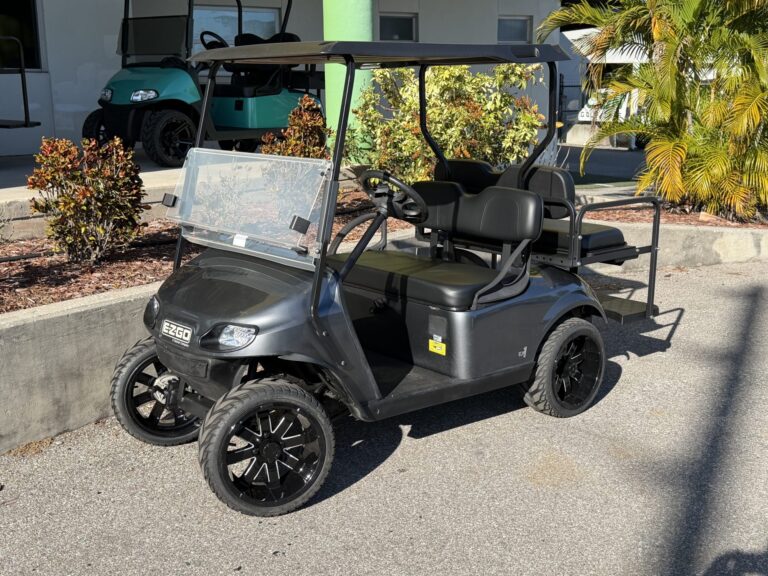
Why an EZGO TXT Parking Brake Pops Off When You Press the Gas
The TXT accelerator normally releases the parking brake. Learn when the pop-off is correct and when the latch, cam, cable, or pedal needs repair.
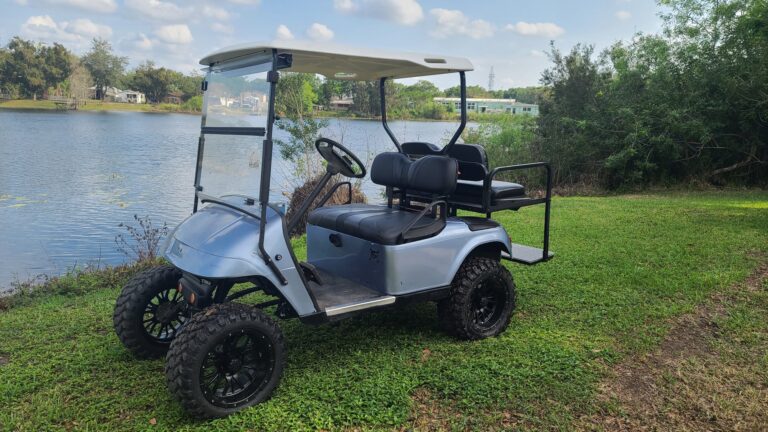
How to Test an EZGO Forward/Reverse Switch: Continuity and Voltage Drop
Learn how to test an E-Z-GO forward/reverse switch, from mechanical high-current contacts to dash rocker continuity and live voltage-drop checks.
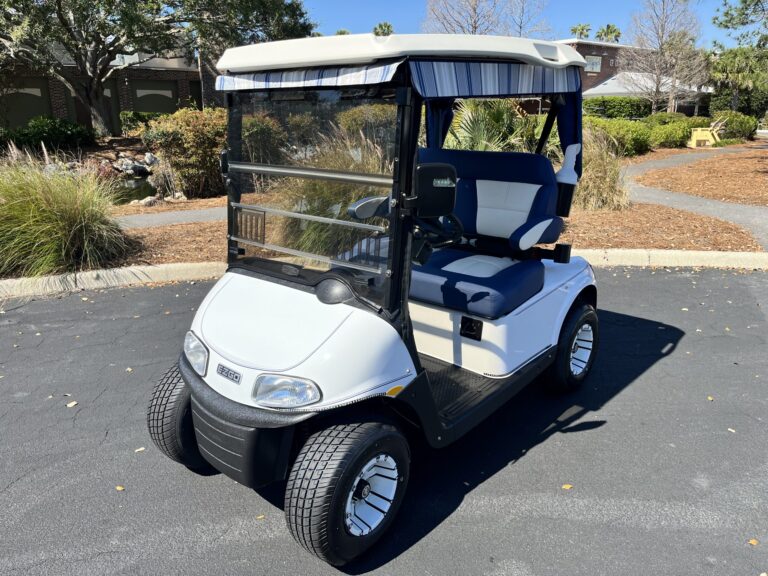
Golf Cart HPD/Sequencing Fault: Key, Direction and Throttle Input Tests
An HPD sequencing fault usually means the controller saw key, interlock, direction, or throttle in the wrong order. Test the inputs before replacing parts.
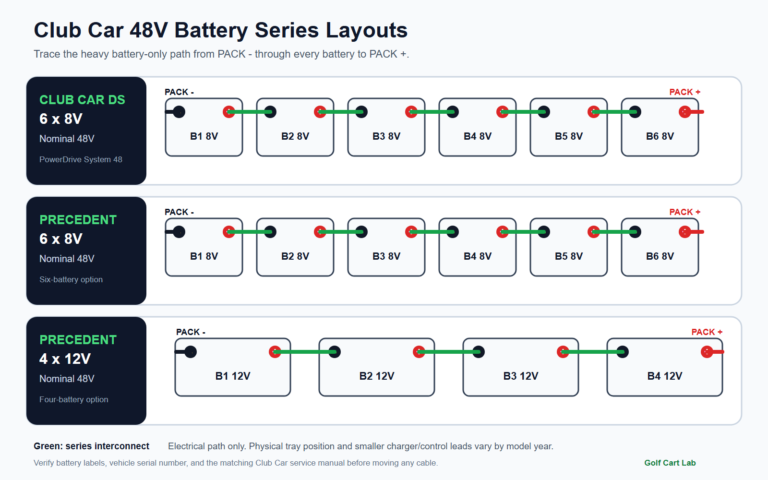
Club Car 48V Battery Wiring Diagram: DS and Precedent Layouts
Trace Club Car DS and Precedent 48V battery wiring, compare six 8V and four 12V layouts, identify the pack ends, and check voltage safely.
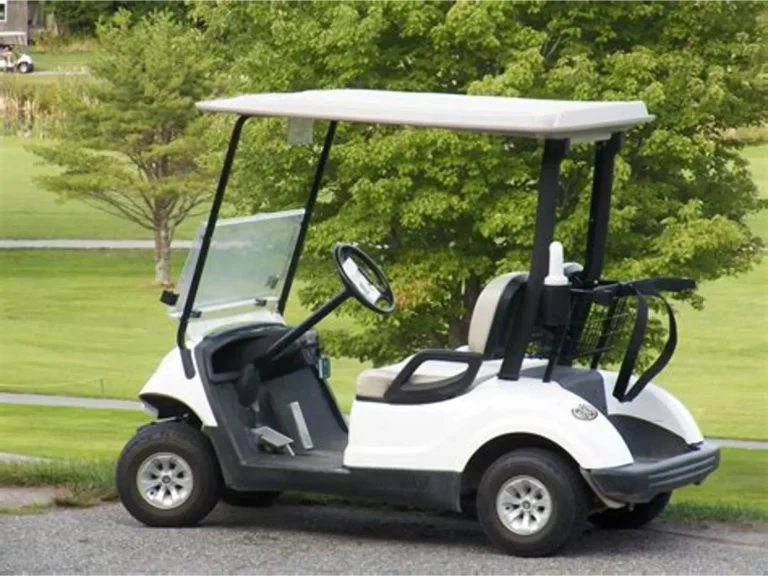
Golf Cart Won’t Move But Motor Spins: Drivetrain and Axle Diagnosis
Home / Repair Guides / Motor Spins, Cart Will Not Move Golf Cart Won't Move But Motor Spins: Drivetrain and Axle Diagnosis A motor that spins while the cart sits still has already told
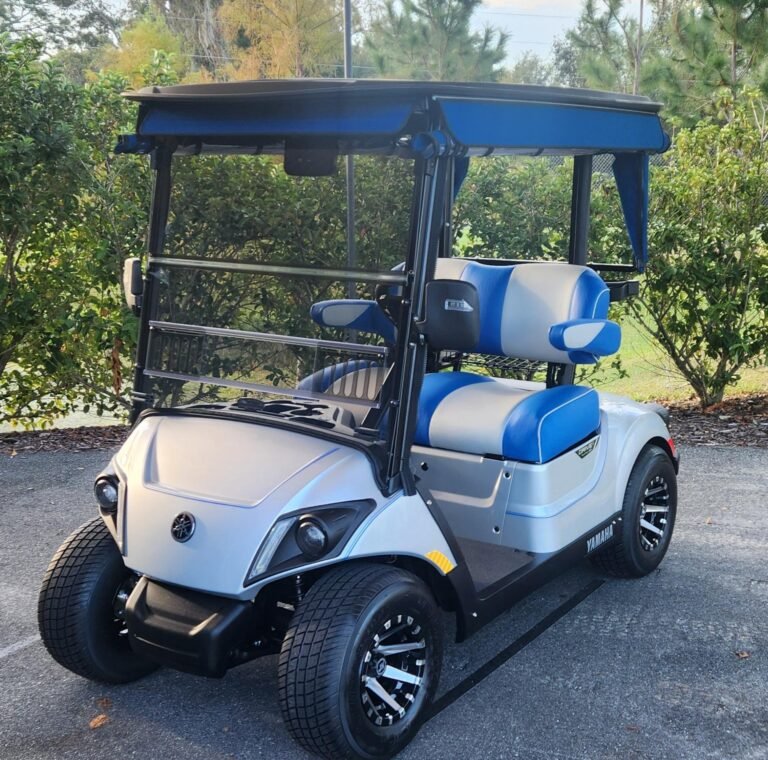
Yamaha Golf Cart Carburetor Adjustment: Mixture and Idle
Home / Repair Guides / Yamaha Carburetor Adjustment Yamaha Golf Cart Carburetor Adjustment: Mixture and Idle Adjustment and cleaning are different jobs, and adjusting a dirty carburetor never works. Once the fuel system is
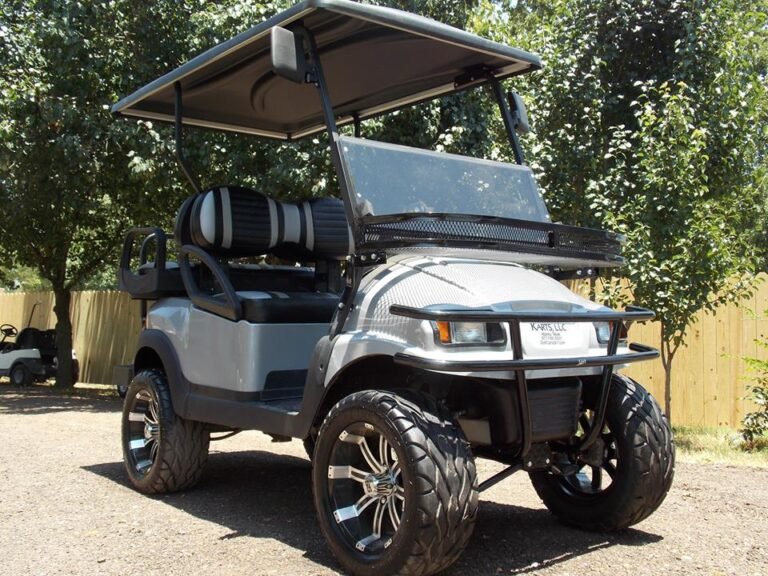
Golf Cart Forward/Reverse Switch Test and Replacement by Brand
Home / Repair Guides / Forward/Reverse Switch Golf Cart Forward/Reverse Switch Test and Replacement by Brand The forward and reverse switch does something most switches do not: it reverses the direction of current through
How to use Golf Cart Lab repair guides
Use this hub when a golf cart has a clear symptom but the failed part is not obvious yet. The fastest path is to search the exact problem first, then add the brand, voltage, or system. A dead cart, a solenoid that clicks, a cart that will not charge, or a Yamaha that will not move can have different causes even when the symptoms sound similar.
Each guide is written around practical checks owners can do before replacing parts. Start with battery-pack voltage, cable condition, key switch behavior, tow/run position, solenoid activation, controller inputs, charger status, or the mechanical system named in the article. When a page calls for a meter reading, compare the result to the stated range before buying a controller, charger, motor, battery pack, or solenoid.
Why the search hub matters
This page is the single home of the Golf Cart Lab repair library. Every diagnostic guide is listed above, newest first, and one search narrows the whole library to your symptom, cart and system: batteries, controllers, motors, solenoids, chargers, suspension and parts. There is no archive to dig through and no filter to guess at.
For broader ownership decisions, use the golf cart brand guides, the parts store, or the troubleshooter alongside these repair articles.
What should I search first if my golf cart is completely dead?
Start with no power plus the brand or model. Then check pack voltage, main cables, key switch power, tow/run position, fuse links, solenoid activation, and controller supply voltage in that order.
Are the guides different for 36V, 48V, and lithium carts?
Yes. Voltage and battery chemistry change the expected readings, charger behavior, controller limits, and conversion checks. Use the model-specific guide when one is available.
Should I replace parts before testing?
No. Use the repair guide to prove the failed system first. Many no-drive or no-charge problems come from cables, switches, fuses, or charger interlocks rather than the expensive part people replace first.