Advanced EV Golf Cart Slow on Hills: Fix & Diagnosis
Hills reveal current limits. If an Advanced EV Advent slows or cuts back on climbs, use the verified Eco Battery current specs, Curtis thermal-cutback data, and safe tire-size math to diagnose battery sag, heat, gearing, and load.
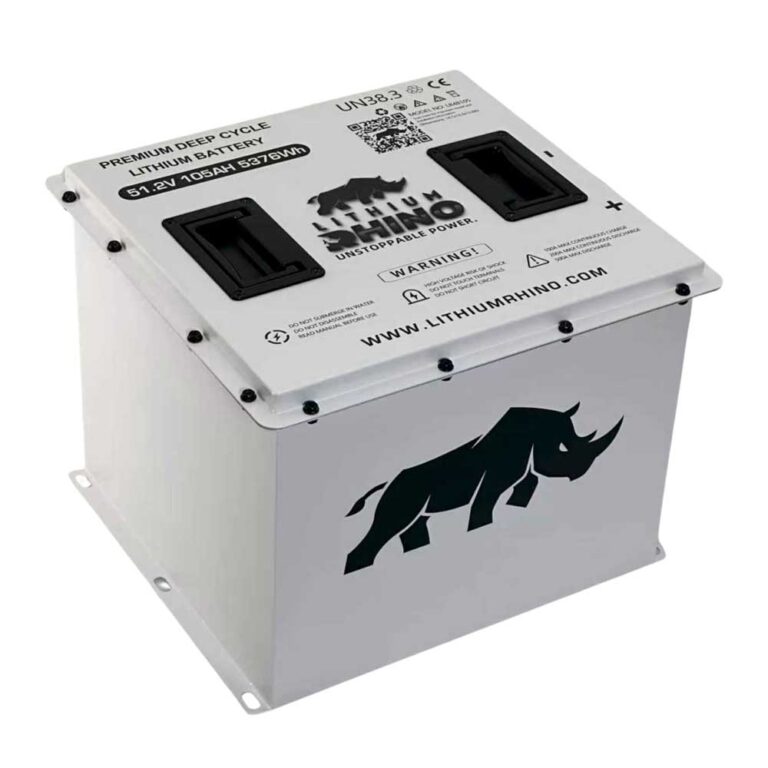
- An Eco-equipped Advent’s 51.2V 105Ah pack is rated 250A continuous, 550A for 10 seconds, and 600A for 5 seconds, the real ceiling a climb pushes against.
- Curtis E/SE documentation confirms thermal cutback from 85C to 95C heatsink temperature, a controller-family reference applied honestly, not an Advent-exact number.
- No public Advent axle ratio was verified, so tire-size effects are shown as percentage diameter change rather than a fabricated gearing table.
- A single repeatable hill test, same tire pressure, same driver, same hill, is worth more than random test drives for isolating the real cause.
A Advent 4 can feel fine on flat roads and weak on hills because climbing asks for the most current the pack and controller can deliver. That makes hill problems ideal for spotting voltage sag or heat limits using real, sourced numbers instead of guesswork.
Start with full charge and tires
Do hill testing on a full pack with normal tire pressure. Low tires and low state of charge can mimic a failing drivetrain.
- Full charge: Makes voltage sag easier to interpret.
- Tire pressure: Low pressure adds load and heat.
- Load: Extra passengers can trigger current limits.
Hill symptom table
Hills expose current limits, not just horsepower. Public Advent and Eco Battery sources give enough real numbers to make this table useful, but they do not publish one axle ratio or one controller calibration for every Advent 4. Treat the rows below as verified context plus the first test that separates load, battery, heat, and gearing.
| Symptom | Verified context | Likely cause | First fix |
|---|---|---|---|
| Slows gradually on the same grade | Eco Advent 51.2V 105Ah bundle lists 250A continuous, 550A for 10 seconds, and 600A for 5 seconds | Pack current ceiling, voltage sag, payload, or low tire pressure | Fully charge, set tire pressure, reduce load, and compare pack voltage under load |
| Cuts suddenly and then recovers | Eco FAQ lists overcurrent, overdischarge, and temperature protections | BMS protection event or controller protection event | Stop, record warning data, cool down, and inspect hot cables or lugs |
| Hot-controller fade after repeated climbs | Curtis E and SE family manual lists controller overtemp cutback at 85C and cutoff above 95C | Thermal derate from load, mounting, airflow, brake drag, or tire size | Cool fully, clear airflow, check brake drag, and retest on the same hill |
| Worse after larger tires or a lift | Advent sources verify 205/65-10 tire context, but no public Advent axle ratio was verified | Effective gearing too tall | Compare actual tire diameter with stock using percentage change, not a fabricated gearing number |
| One wheel or hub is hotter | Advent manual includes brake-light switch and brake service checks | Dragging brake or a parking-brake release problem | Lift safely, spin wheels, compare hub temperature, and verify pedal return |
| Dashboard or controller flash appears on hills | Advent Toyota table includes voltage, current, temperature, contactor, and sensor anomalies | Electrical protection rather than simple weak motor torque | Photograph the warning, then match it to the controller and battery actually installed |
Brake drag and tire size
A dragging brake can hide on flat ground and become obvious on hills. Compare wheel heat after a short drive. If hill power dropped after taller tires, the drivetrain may be over-geared for the load.
Voltage sag and heat
- Voltage sag: A big drop under load points to battery or connection resistance.
- Heat: If power returns after cooling, the cart was protecting itself.
- Warnings: Match battery or temperature icons in the error code guide.
- Limp mode: If it stays slow afterward, use the reduced speed guide.
Why Advanced EV hill loss is a current story
The Advent and Advent 4 platforms can be configured with different batteries and controllers, but an Eco-equipped Advent has useful public current numbers. Eco Battery’s Advent 2022-24 bundle uses the 51V 105Ah thru-hole Gen3 pack, and the published Gen3 spec table lists 250A max continuous discharge, 550A for 10 seconds, and 600A for 5 seconds on the 51.2V 105Ah thru-hole pack. A climb is the one demand that asks that system for everything it has. On flat pavement the cart may never approach its discharge ceiling, so a tired pack, a resistive lug, or a warm controller stays invisible. Send that same cart up a grade with passengers and every weak point surfaces together.
That is why hills are the best place to catch voltage sag on these carts. A large voltage drop the instant the grade steepens is the pack or a high-current joint giving up, not the motor magically losing strength. Measure at the pack and, if accessible, at controller B+ and B- under the same controlled hill test. If the pack voltage stays healthy but controller-side voltage collapses, look at cables, lugs, fuse holders, and the main contactor path. If the pack itself collapses, move the diagnosis toward battery state, BMS data, and pack health.
Because Advanced EV builds many street-legal LSVs, these carts often carry the extra weight of DOT lighting, mirrors, seat belts, bumpers, accessories, and sometimes an enclosure. That added weight is easy to forget. A cart that climbed fine as a bare neighborhood cart can genuinely struggle once it is built out and loaded with passengers, and no part has failed. Factor real loaded weight into the test before replacing the controller.
Tires, lifts, and dragging brakes
Lifted, big-tire Advanced EV builds are common, and this is where a lot of hill complaints begin. The published Advent manual and dealer or spec references support 205/65-10 tire context on standard Advent builds, which works out to about 20.5 inches of tire diameter. No public Advent source verified one axle ratio for all Advent 4 years, so this guide does not publish a fabricated effective-gear table. Instead, use the safe math: torque at the ground changes roughly with the stock tire diameter divided by the new tire diameter.
| Tire change | Diameter math | Hill effect | Editorial caveat |
|---|---|---|---|
| Stock 205/65-10 reference | About 20.5 inches by standard tire-size formula | Baseline for comparison | Confirm the sidewall on your cart because dealers can change wheels |
| 22 inch tire | 20.5 divided by 22 is about 93 percent | About 7 percent less wheel torque before load and weight are counted | Not an Advent axle-ratio claim |
| 23 inch tire | 20.5 divided by 23 is about 89 percent | About 11 percent less wheel torque before load and weight are counted | Common lifted-cart size, but verify actual mounted diameter |
| Low tire pressure | No gearing change, but rolling resistance rises | More heat and current for the same hill | Use the sidewall or manual pressure guidance for the installed tire |
Brake drag hides just as well. A rear shoe set a touch tight or a parking brake that does not fully release drags quietly on the flat and becomes a real thief on a climb. After a short drive, compare hub temperature at each wheel. One hub noticeably hotter than the rest points straight at a dragging brake eating the torque you need for the grade.
Reading protection events
If your Advanced EV cuts power abruptly on a hill instead of fading, treat it as a protection event until testing proves otherwise. Eco Battery publicly lists BMS protections for short circuit, overcurrent, overcharge, overdischarge, high and low temperature, and freeze-charge conditions. The Advent Toyota 48V controller table separately lists temperature, contactor/direction, current, internal temperature-sensor, and voltage-sensor anomalies, including phase current over 630A and pack voltage above 60V or below 36V in that Toyota table. Those are platform and component references, not one dash-code promise for every Advent 4.
The most repeatable test is simple: full pack, correct tire pressure, one driver, the same hill every time, and a note of where the cart begins to fade. Record whether the fade is gradual, a hard cut, or a speed cap that stays after the hill. A gradual fade usually points to load, voltage sag, tire pressure, or heat. A hard cut with a warning points toward BMS or controller protection. A cap that stays after the hill belongs in the reduced speed guide because the cart may have latched a fault or entered limp mode.
Frequently Asked Questions
Why does my Advanced EV lose power on hills?
Common causes are low charge, voltage sag, a BMS current limit, controller heat, tire pressure, oversized tires, heavy load, or brake drag.
Can oversized tires make an Advanced EV slow uphill?
Yes. Taller tires raise effective gearing and reduce climbing torque, especially with passengers or a lift.
Why does my Advanced EV cut out on hills?
A sudden cutout usually points to BMS current protection, voltage sag, heat protection, or a loose high current connection.