Advanced EV Golf Cart Reduced Speed (Limp Mode): Fix
Reduced speed usually means the Advent controller and BMS are protecting the cart. Use the verified Toyota flash-group table, Curtis LED method, and thermal cutback data to separate a battery limit from a controller fault or a throttle problem.
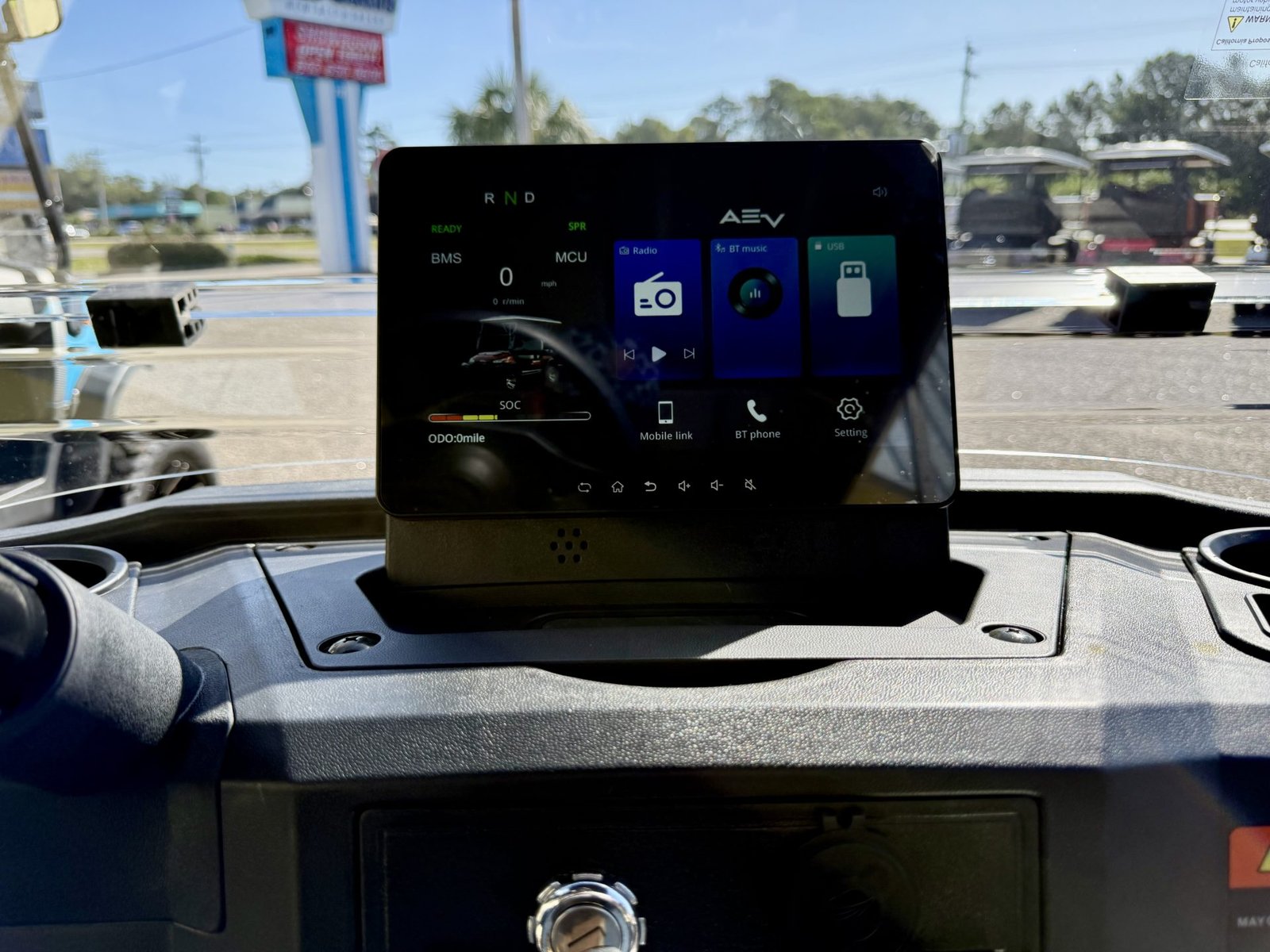
- Reduced speed on an Advent 4 is almost always the BMS or Curtis controller protecting the cart, not the motor failing.
- The Advent Toyota 48V controller table gives five real flash groups for temperature, contactor, current, sensor, and voltage anomalies.
- Curtis E/SE documentation confirms thermal cutback starting at 85C heatsink temperature and full cutoff above 95C, a controller-family reference, not an Advent-only number.
- Dealer speed programming, a stuck brake switch, and mechanical drag can all mimic an electrical limp mode.
A Advent 4 that suddenly caps speed is usually running protective logic rather than losing power outright. Low battery state, a BMS current limit, brake input, throttle signal, speed sensor data, or heat can all trigger the same crawl. This guide separates those causes using the real Toyota controller flash table and Curtis LED method verified for this platform, instead of guessing from a generic symptom list.
Rule out low charge
Charge the pack fully and test on level ground. A low lithium pack can feel like limp mode before it is actually empty.
- Charge state: Start every speed test with a full pack.
- Consistent cap: The same low top speed every time points to limp mode or dealer programming, not a random fault.
- Only under load: A cap that only shows up on hills points to voltage sag, heat, or mechanical drag.
Match the speed pattern to real data
Public Advent documentation does not publish one universal dash-message table for every Advent 4, but it does publish the Toyota 48V controller flash groups and the Curtis red/yellow two-digit reading method. Curtis family documentation also gives a verified controller-temperature cutback point. That is enough to separate a low-pack crawl from a controller fault, a heat derate, or a throttle signal problem without inventing Advent-only numbers.
| What you see | Verified context | What it means | First test |
|---|---|---|---|
| One Toyota flash group | Advent Toyota 48V table | Controller temperature anomaly, above 80C or below -20C | Let the cart normalize, inspect controller airflow, mud, leaves, and load |
| Two Toyota flash groups | Advent Toyota 48V table | External contactor coil short or F/R switches both on | Check contactor coil wiring, direction switch, and harness plugs |
| Three Toyota flash groups | Advent Toyota 48V table | Current anomaly, including phase current over 630A or current sensor offset out of range | Stop hard driving, inspect motor phase cables and controller terminals |
| Four Toyota flash groups | Advent Toyota 48V table | Internal temperature sensor short or open | Check controller connector condition, then use dealer diagnostics if wiring is clean |
| Five Toyota flash groups | Advent Toyota 48V table | 48V battery voltage sensor anomaly, above 60V or below 36V | Measure pack voltage at the pack and at controller B+ and B- |
| Red and yellow Curtis LED flashes | Advent Curtis instructions | Two-digit fault code; red flashes give the digit position and yellow flashes give that digit’s value | Record the sequence before key cycling. One red plus three yellow, then two red plus one yellow, reads as 31 |
| Strong cold, weak after hills | Curtis E/SE family manual | General controller-family thermal cutback, not Advent-exact; Curtis lists cutback from 85C to 95C heatsink temperature, with cutoff above 95C | Cool down, then inspect mounting, airflow, brakes, payload, and tire size |
| Surging or hunting near a speed cap | Curtis throttle input documentation | Throttle inputs are programmable; no public factory sheet documents exact Advent throttle voltage endpoints | Test the pedal sensor against the controller or dealer spec for your controller sticker |
Brake and throttle inputs
A stuck brake switch can hold the cart in a limited mode. Make sure the parking brake releases and the pedal returns. Then inspect the throttle connector for moisture or loose pins.
Heat and BMS protection
- Cool down: If speed returns after rest, reduce load and inspect tire pressure.
- Speed sensor: Check the motor sensor connector and harness.
- BMS: Battery warnings mean the pack is limiting output.
- Programming: If it has always been slow, confirm dealer speed settings.
How the Advanced EV drivetrain limits power
Advanced EV built its reputation on street-legal LSV builds, and the Advent and Advent 4 platforms from roughly 2020 forward run a 48V or 72V lithium system paired with an AC drive. Reduced speed on these carts is almost always the BMS and controller negotiating, not the motor giving up. As the pack works down through its usable range, the BMS trims the discharge current ceiling and the controller answers by capping top speed. Drivers read that as limp mode when the pack is really just protecting itself. Charge to full, verify the resting pack voltage looks correct for the pack size, and retest on level ground before chasing anything deeper.
A quirk worth knowing on the Advanced EV builds is that these carts are often optioned with real DOT lighting, turn signals, and a horn wired into the same low-voltage system. That extra accessory wiring means more connectors, more places for a chafed wire to nuisance a signal, and more chance that a bad ground shows up as odd controller behavior. If the reduced speed showed up right after an accessory install or a body panel came off, retrace that work first.
Thermal derate on the AC controller
The AC controller on these carts derates on temperature more deliberately than the old series DC systems many owners are used to. The public Curtis E and SE controller manual is a controller-family source, not an Advent-only calibration sheet, but it gives the useful boundary: maximum current is reduced as internal heatsink temperature rises from 85C to 95C, and complete cutoff occurs above 95C. The troubleshooting chart also lists code 22 as controller overtemp cutback, with reduced drive and brake torque once heatsink temperature exceeds 85C.
That means a cart that pulls strongly when cold and then softens after ten or fifteen minutes of hills, towing, tall tires, or a loaded rear seat should be treated as heat or load protection first. Clear packed leaves, mud, and body-panel contact around the controller, confirm the controller is mounted tightly to its heat path, and retest after a full cool-down. If the same hill triggers the same soft cap again, look for the load that is making heat: dragging brakes, low tire pressure, oversized tires, heavy passengers, or a pack that sags under current.
Throttle sensor drift is still possible, but do not trust a made-up Advent voltage range. Curtis documents programmable voltage or resistance throttle inputs, while public Advanced EV material does not give exact Advent pedal endpoints for every controller. A clean diagnosis checks pedal return, the three-wire connector, 5V supply if present, and the wiper signal against the controller sticker or dealer programming file.
Programming and the parking brake path
If the cart has been slow since you bought it or since a shop last touched it, suspect programming before parts. Advanced EV controllers hold a dealer-set speed profile, and a turf or fleet setting will hard-cap the cart well under its real top speed. No amount of charging or connector cleaning changes a programmed limit, so confirm the profile matches how the cart is actually used. Finally, give the brake input a real check, not a glance. A parking brake or pedal switch that only half-releases will hold the controller in a limited state even though the cart otherwise drives fine. Cycle the brake by hand, listen for a clean click, and confirm full pedal return every time.
One Advanced EV field note before you go deeper: because these are frequently registered street carts driven at real road speeds, the tires and rolling resistance matter more than on a course-only cart. A soft tire, a dragging rear brake shoe, or a wheel bearing starting to bind can rob enough speed to feel like a controller limit. Roll the cart by hand or spin each wheel with the cart lifted and listen for drag before you assume the limp behavior is electrical. Ruling out simple mechanical drag first saves you from tearing into the controller and BMS for a problem the axle was causing all along.
Frequently Asked Questions
Why is my Advanced EV stuck in reduced speed?
Likely causes include low charge, a BMS current limit, an active controller fault, a stuck brake switch, a throttle signal issue, a speed sensor fault, overheating, or dealer speed programming.
How do I reset limp mode on an Advanced EV?
Charge the pack fully, let the cart cool, release the parking brake, and key cycle. If reduced speed returns, the fault is still active and needs a real diagnosis.
Can a speed sensor make an Advanced EV slow?
Yes. If the controller loses reliable motor speed data, it may limit power or let the cart surge instead of allowing full speed.