Golf Cart Turn Signal Kit Worth It?
A golf cart turn signal kit is core street-legal equipment. Here is the honest verdict and who actually needs one.
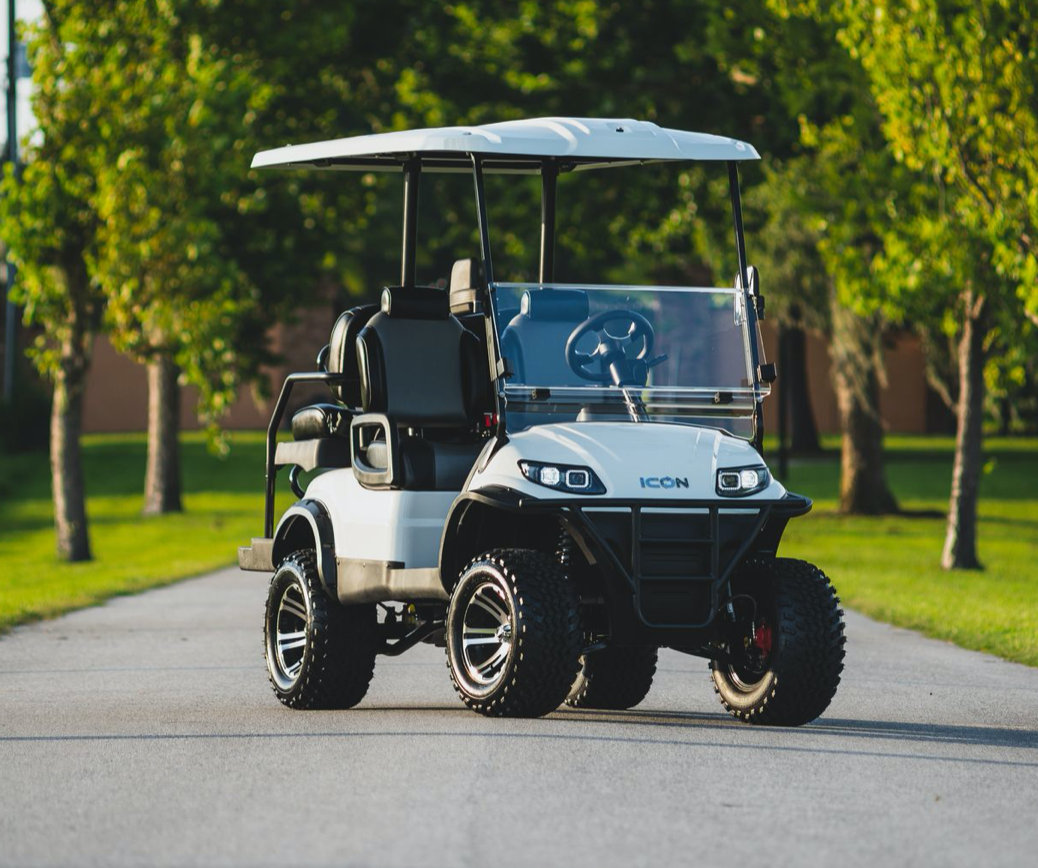
- a turn-signal kit is worth it for road use and busy mixed-traffic property.
- Owners who made their cart street-legal call the turn signal kit one of the most important upgrades, both for passing inspection and for safety in traffic.
- If you intend to register the cart as a Low-Speed Vehicle, turn signals and brake lights are mandatory equipment under federal LSV standards, with states adding their own rules.
- Worth it (or required) if: you drive on public roads or are making the cart a street-legal LSV, signals and brake lights are mandatory and a clear safety gain.
Turn signals are optional flair on a private cart and mandatory equipment on a street-legal one. This verdict covers what a golf cart turn signal kit includes and whether you need it.
Kit Types, Power, And Legal Scope
Direct answer: a turn-signal kit is worth it for road use and busy mixed-traffic property. Under federal FMVSS 500, a vehicle certified as a low-speed vehicle must have front and rear turn-signal lamps. That federal list is a vehicle-certification baseline, not permission to drive a cart on every road. Registration, permitted roads, equipment details, and enforcement remain state and local questions.
| Current example | Published voltage | Included functions | Fitment limit |
|---|---|---|---|
| MadJax 02-045 | 12 to 48V with built-in reducer | Signals, brake, horn, hazards | Club Car Precedent 2004 and newer listing |
| MadJax 02-140 | 12V | Sequential front signals | Requires the matching light system |
| GTW 02-122 | 12V horn circuit | Signals, hazards, horn, brake pad, controller | Only for compatible GTW light kits |
| 10L0L Precedent basic or deluxe | Basic 12V; deluxe 14 to 60V | Headlights and taillights, with kit-dependent signaling | Verify year and trim before ordering |
A universal stalk kit takes more fabrication and circuit tracing than a model-specific plug-style harness. On a 36V or 48V cart, use a compatible built-in reducer or a fused external DC converter. Confirm lamp polarity, brake-switch type, hazard function, connector pinout, and whether the kit expects existing light wiring. Difficulty ranges from a dash and harness job on a matched kit to a multi-hour splice-and-test installation on a universal kit. Price should be compared by included functions, not by the stalk alone.
Quick verdict: A golf cart turn signal kit is worth it, and usually legally required, the moment you drive on public roads, because turn signals, brake lights, and a horn are core street-legal LSV equipment. For a private or course-only cart it is optional but still a real safety upgrade if you share paths with others. Kits range from simple add-on switches to complete wired harnesses with signals, flashers, brake lights, and a horn; the right one depends on whether you are chasing legality or just safety.
What a turn signal kit includes
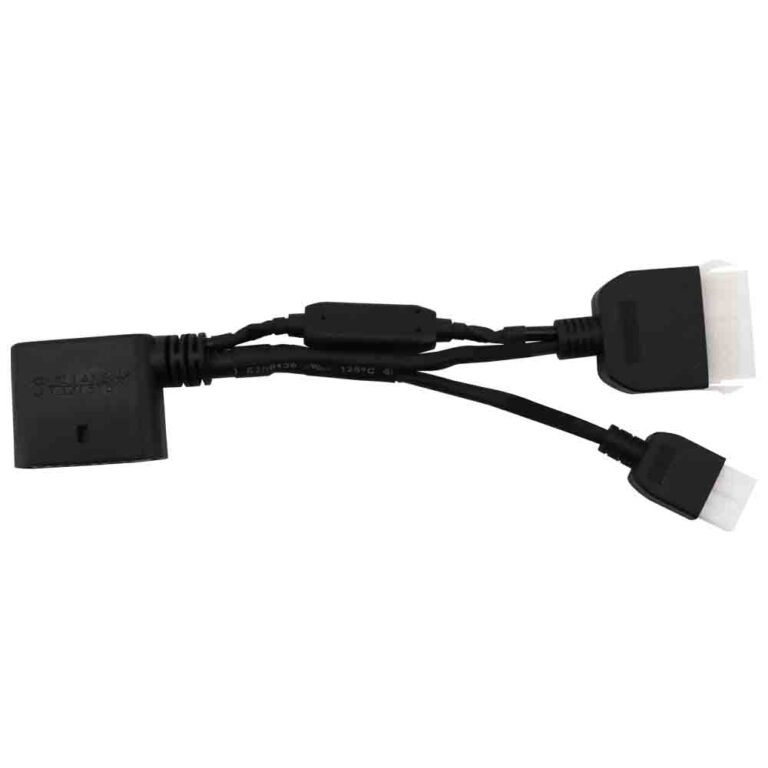
A proper kit bundles the parts that make a cart road-communicative: front and rear turn signals, a flasher relay, a steering-column or toggle switch, brake-light activation, a horn, and often a hazard function. Better kits use a plug-style harness for an easier install; basic ones require splicing. Most run on the cart’s 12V accessory power and integrate with existing head/tail lights.
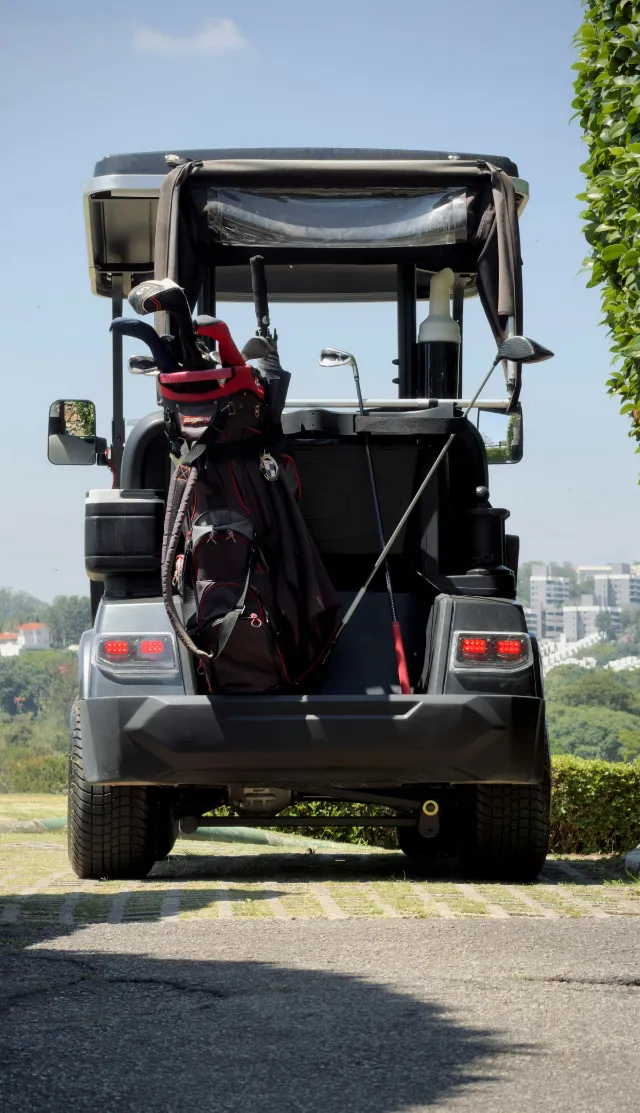
For a street-legal LSV, signals and brake lights are not optional, they are part of the federal and state equipment list alongside mirrors, a windshield, and seat belts.
One detail that trips up first-timers is the flasher itself: incandescent-style thermal flashers depend on bulb load to blink at the right rate, so if your kit uses LED signals with a thermal flasher you will get hyper-flash or no flash at all, and the fix is an electronic (LED-rated) flasher or a load resistor. It is also worth confirming your cart already has a working 12V accessory circuit; older 2010-and-earlier 36V and 48V carts often lack a proper reducer, so a signal kit that assumes 12V will need a voltage reducer added before anything lights up.
What owners report about turn signal kits
Owners who made their cart street-legal call the turn signal kit one of the most important upgrades, both for passing inspection and for safety in traffic. The common advice is to buy a complete, model-specific harness kit rather than piecing parts together, which saves hours of wiring. On the r/golfcarts community, owners recommend universal-plus-model kits from brands like 10L0L and MadJax for fit and clear instructions.
The honest gripes are install-related: vague directions on the cheapest kits, and the need to mount a flasher and run wire cleanly. None of it is hard with a complete kit, but budget an afternoon.
Fit is very platform-specific. A Club Car Precedent (2004-present) has a molded cowl with pre-formed pockets that many kits are cut to drop into, while the older Club Car DS and E-Z-GO TXT often need brackets or a light bar because their body panels were never designed for signal housings. Yamaha Drive and Drive2 owners should watch the steering-column diameter, since column-mount switch clamps are sized for a specific range and a Drive2 column can be a hair different from an older G-series. Buying the kit listed for your exact model and year avoids returning a switch that will not clamp.
Turn signals and street-legal status
If you intend to register the cart as a Low-Speed Vehicle, turn signals and brake lights are mandatory equipment under federal LSV standards, with states adding their own rules. the street legal guide lays out the full checklist, and budget kits are covered in the 10L0L parts review. Federal LSV equipment requirements come from NHTSA.
Is a turn signal kit worth it for you?
Worth it (or required) if: you drive on public roads or are making the cart a street-legal LSV, signals and brake lights are mandatory and a clear safety gain.
Optional if: your cart stays on a course or private property and never mixes with traffic, though signals still help on shared paths. See where it ranks in the accessories guide.
The bottom line on turn signal kits
A golf cart turn signal kit is the difference between a cart that can legally and safely share the road and one that cannot. For any street-legal build it is mandatory, signals, brake lights, and a horn are core LSV equipment, so buy a complete, model-specific harness kit and install it once, properly. For private-only carts it is optional, but still a worthwhile safety upgrade anywhere you share paths with people. Match the kit to your goal, legality or safety, and it is money well spent.
Installing a turn signal kit cleanly
A turn signal kit is a wiring job more than a mechanical one, so plan the layout first. Choose a kit that matches your exact model and year, EZGO TXT, RXV, Club Car DS, Precedent, or Yamaha, so the brackets and connectors fit without modification. Mount the switch where your hand naturally falls, either a steering-column lever for a car-like feel or a dash toggle for simplicity. Locate the flasher relay somewhere dry and accessible, since a clicking flasher is the first thing you check if a signal stops working. Tie the brake-light trigger into the existing brake circuit, and confirm the horn and hazards work before buttoning everything up. Use proper crimp or plug connectors, not twisted wire and tape, because road vibration loosens poor joints over time. Budget an afternoon, label your wires, and test every function, left, right, brake, hazard, and horn, before you rely on the cart in traffic or take it for inspection.
Frequently Asked Questions
Do you need a turn signal kit on a golf cart?
If you drive on public roads or register the cart as a street-legal LSV, yes, turn signals and brake lights are mandatory equipment. For private or course-only carts they are optional but still improve safety.
What does a golf cart turn signal kit include?
A complete kit includes front and rear turn signals, a flasher relay, a switch, brake-light activation, a horn, and often hazards. Better kits use a plug-style harness for an easier, splice-free install.
Reviewed and updated July 30, 2026 by the Golf Cart Lab team.