Golf Cart Motor Upgrade Worth It?
A motor upgrade is worth it when it solves a defined speed, hill, heat, or wear problem and the battery, controller, contactor, cables, gearing, and tire size can support the new operating point.
- A motor changes the speed-torque curve and thermal capacity.
- Define the problem with GPS speed, loaded hill speed, pack voltage sag, controller current, motor temperature, tire diameter, passenger load, and route.
- Current creates torque and heat. Voltage supports motor speed.
- A motor upgrade is worth it for sustained hills, hauling, a worn motor, a matched high-current build, or a specific safe speed goal.
A motor upgrade is worth it when it solves a defined speed, hill, heat, or wear problem and the battery, controller, contactor, cables, gearing, and tire size can support the new operating point.
What a motor upgrade does (and costs)
A motor changes the speed-torque curve and thermal capacity. It cannot command more current than the controller allows, raise pack voltage, fix battery sag, change axle gearing, or remove rolling resistance. A motor-only purchase disappoints when the real limit is a weak battery, low controller current, tall tires, dragging brakes, or a programmed speed cap.
| Upgrade path | Likely outcome | Cost evidence and limit |
|---|---|---|
| Motor only | Selected speed or torque curve; replacement for worn motor | D&D examples checked at about $700 to $850; exact SKU and labor vary |
| Controller only | More available launch and hill current with compatible stock motor | Get current controller, solenoid, cable, and programming quote |
| Matched DC motor and controller | Coordinated current, field, RPM, and thermal behavior | No universal kit price across cart families |
| Full AC conversion | Brushless 4kW or 5kW motor, 440A or 600A inverter options, regen | Platform-specific hardware and installation quote required |
| Gears or tires | Mechanical speed ratio changes | Taller effective gearing reduces wheel torque and can raise heat |
Current public manufacturers do not support one honest installed-price range for every combination, so missing prices should be quoted, not invented.
What owners actually say
Define the problem with GPS speed, loaded hill speed, pack voltage sag, controller current, motor temperature, tire diameter, passenger load, and route. Inspect brushes and commutator on DC motors using the brush wear guide. A healthy stock motor often responds well to a conservative controller upgrade; a worn or overheating motor does not.
D&D model 170-006-0001 illustrates the speed trade: its selector publishes higher speed with 15 percent less torque. Model 170-013-0001 illustrates the opposite, publishing 40 percent more torque with more modest speed. Those are named application claims, not transferable percentages.
The honest trade-offs
Current creates torque and heat. Voltage supports motor speed. Gear ratio and tire diameter trade wheel torque against road speed. The theoretical speed change from tire size is the new diameter divided by the old diameter, but load, drag, controller RPM limits, and heat prevent that ratio from being a guaranteed result.
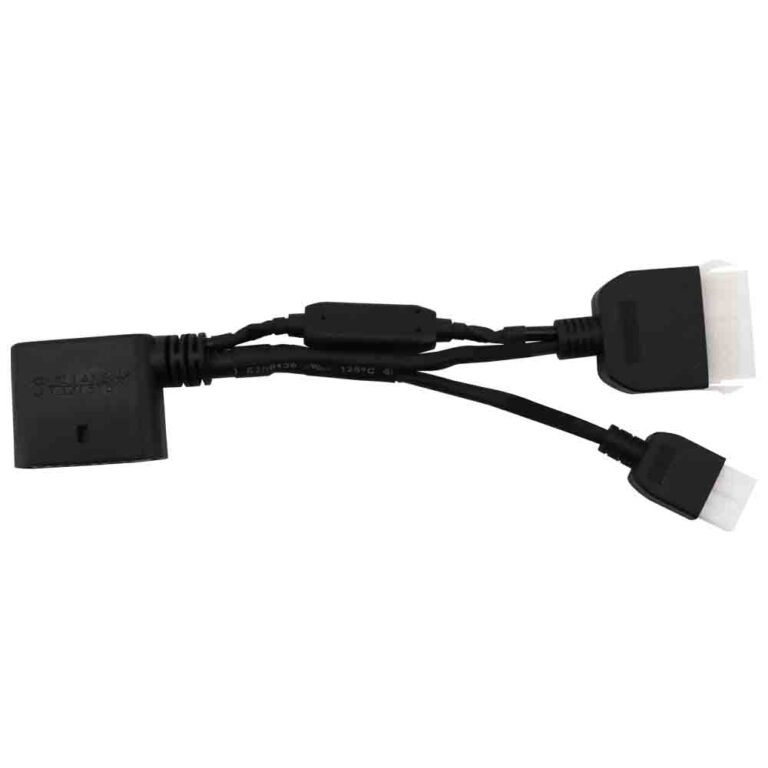
Series, SepEx, and AC motors are not interchangeable by case shape. Confirm voltage, drive type, shaft spline, mounting pilot, rotation, encoder, field terminals, and harness. The motor-type comparison and sizing guide prevent category errors.
Is a golf cart motor upgrade worth it for you?
A motor upgrade is worth it for sustained hills, hauling, a worn motor, a matched high-current build, or a specific safe speed goal. It is usually not the first purchase for poor acceleration with severe pack sag, an intermittent solenoid, hot cables, low tire pressure, or dragging brakes.
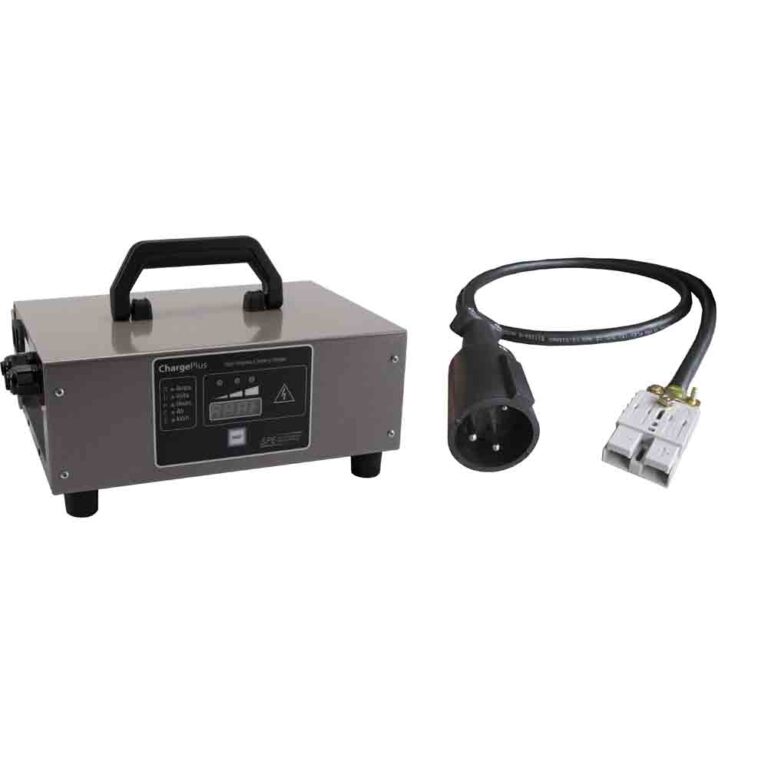
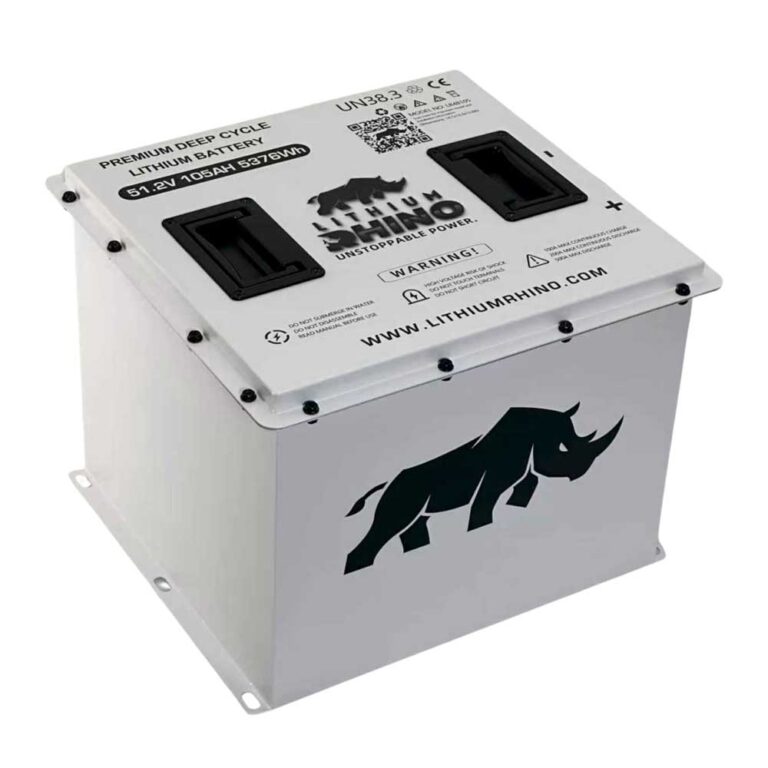
Before buying, set a battery-current ceiling, confirm BMS or lead-acid capability, controller rating, fuse, contactor, cable size, axle condition, brake performance, tire speed rating, and local speed rules. A controller upgrade may solve the goal with less mechanical work; DC versus AC frames a full conversion.
Parts note: A TSX 3.0 controller kit keeps your DC motor; the TAC2 AC kits we stock replace motor and controller as one matched system. See controller kits
The bottom line on a motor upgrade
The best upgrade is a matched system with a measured duty cycle. For a DC cart, select the winding from actual hills and load, not a top-speed advertisement. For a performance build, motor and controller should be selected together. For AC, use a complete platform-specific kit with motor, inverter, encoder, wiring, and calibration.
Build the purchase list before comparing prices: motor, controller, harness, programmer, contactor, fuse, cables, mounting hardware, coupler or spline parts, charger changes, battery changes, labor, and calibration. A motor price by itself cannot represent a finished project. Request written fitment and warranty treatment for lifts, large tires, high current, or nonstandard voltage.
After installation, verify direction, throttle return, contactor operation, low-speed control, braking and regen, pack sag, current, temperatures, and loaded speed. Stop if terminals, cables, motor, controller, or battery exceed documented limits. Retest after the first full heat cycle and inspect for loosened hardware, rubbed cables, encoder faults, or abnormal noise.
Use the same passenger load, route, tire pressure, and ambient conditions for before-and-after testing. Record acceleration, hill speed, energy per mile, and component temperatures. A higher top speed paired with worse hill speed or repeated thermal cutback is not a successful upgrade for a working cart. The AC conversion kit finder shows which motor and controller sets fit your cart, matched to your load and hills.
Compare the total project with other worthwhile upgrades.
Frequently Asked Questions
Is a golf cart motor upgrade worth it?
It is worth it when you want sustained high speed or serious hill torque, or when the stock motor is worn or overheating under a big controller. Otherwise, test the stock motor first, a controller or battery upgrade often delivers more per dollar.
Should I get a torque or speed motor?
Choose a torque winding for hills, hauling, and acceleration; choose a speed winding for higher flat-ground top speed. Match the winding to your actual use, since the wrong choice disappoints.
Reviewed and updated July 30, 2026 by the Golf Cart Lab team.