What Size Motor Do I Need for a Golf Cart?
Stock carts run 3 to 5 horsepower, but the right motor size depends on your voltage, terrain, weight, and speed goals. Here is how to match motor power to how you actually use the cart.
01 : Stock Motor Sizing Baseline
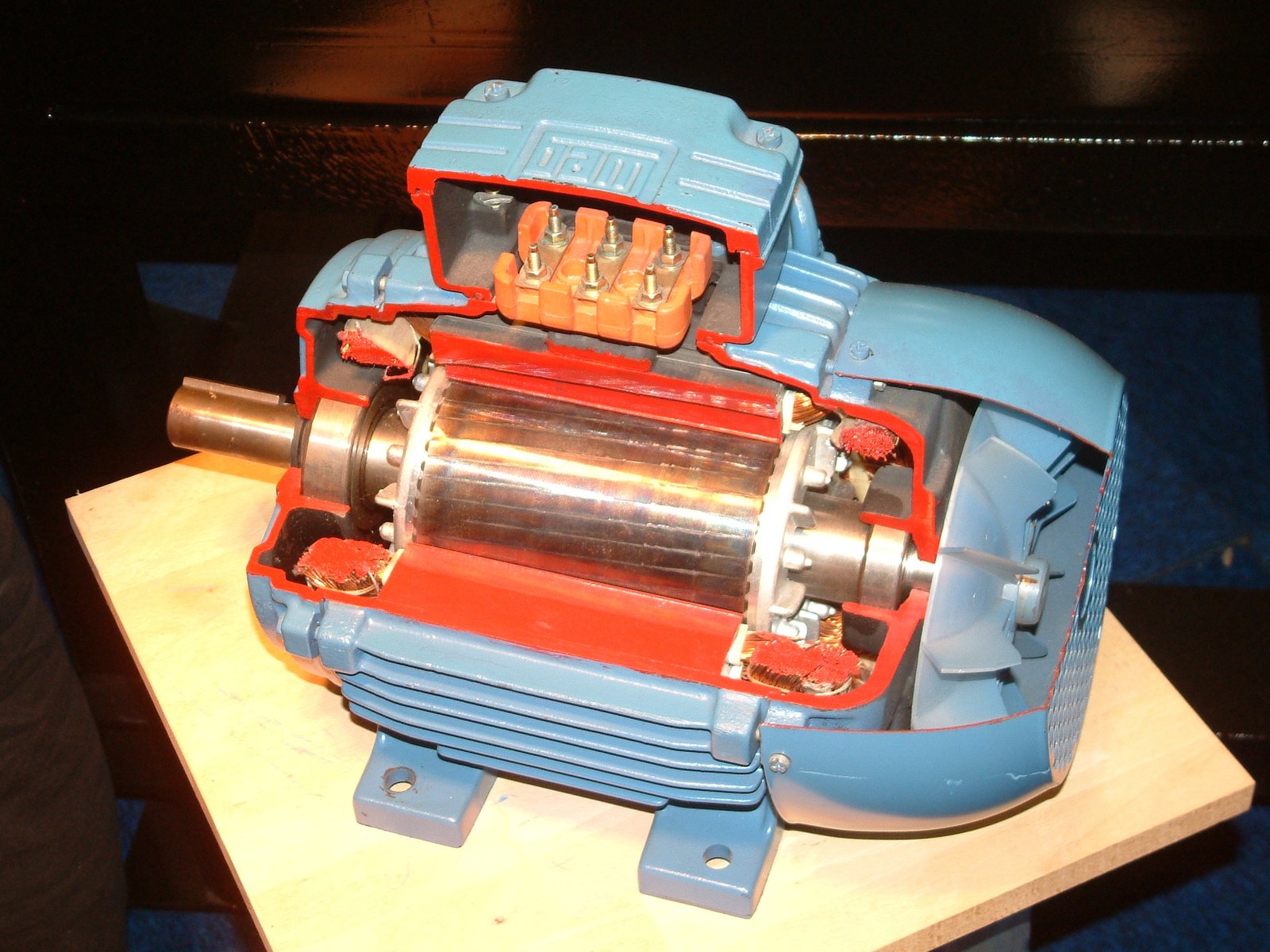
Stock ratings establish the baseline, but horsepower must be compared on the same basis. The official 48V TXT manual lists a 3.0 hp continuous shunt-wound motor and a 250A controller. Current RXV specifications list a 4.4 hp continuous AC induction motor and a 235A AC controller. Club Car DS production spans several series and shunt systems; historical service literature commonly shows roughly 3.1 to 3.2 hp depending on the drive system, but there is no single DS rating that applies to every year. Use the Club Car serial directory and official manual lookup to confirm that cart.
Those numbers also show why peak advertising cannot be compared casually with a continuous factory rating. Motor output, controller current, cooling, gear ratio, tire diameter, and battery voltage under load must be considered together. Before replacing a motor, rule out worn brushes, bearings, and voltage sag with the motor overheating diagnosis guide.
02 : Torque vs Speed: Pick Your Trade-Off
When you upgrade, motors are generally tuned toward one of two goals, and you cannot maximize both at once:
-
High-torque motors: Built for hills, towing, lifted carts, and heavy loads. They pull hard from a stop and climb without bogging, at the cost of slightly lower top speed.
-
High-speed motors: Wound for more RPM and a higher top speed on flat ground, but they sacrifice some low-end grunt and run hotter under heavy load or steep grades.
Be honest about your terrain. A high-speed motor on a hilly property will overheat and underperform, while a high-torque motor on flat ground gives effortless acceleration but caps your top end. Bigger tires also shift this balance, the guide on tire size vs torque explains the efficiency tax that taller tires impose on any motor.
03 : Voltage and the System Match
Motor power is inseparable from system voltage. The same motor produces more power at 48V than at 36V, and even more at 72V. That is why many owners chasing performance raise voltage rather than, or in addition to, swapping the motor.
But you cannot bolt a high-output motor onto a stock system and expect results. The controller must be rated to deliver the extra amperage, and the batteries must hold voltage under that draw. A motor upgrade without a matching controller will trip into limp mode or fault, and an undersized battery pack will sag and overheat. The 48V to 72V conversion guide breaks down the speed and torque gains and what the rest of the drivetrain needs to keep up. Each AC conversion in the AC conversion kit finder pairs the motor and controller as a matched set for your cart.
04 : What Size Motor Do I Need for a Golf Cart?
Controller amperage is the practical ceiling, but it is not the only ceiling. A battery that sags, a contactor with inadequate continuous rating, small or long cables, tall tires, and poor motor cooling can all reduce usable output before the advertised horsepower appears.
| Use case | Planning motor band | Torque or speed lean | Controller current floor | System note |
|---|---|---|---|---|
| Flat stock-height cruiser | About 3-4 hp continuous | Balanced or stock profile | About 250-300A | Stock gearing and tires often make the factory motor the best choice. |
| Hilly route | About 4-6 hp continuous or a vendor-matched high-torque motor | Torque and thermal capacity | About 400A; Alltrax uses 500A to 600A as its steep-hill application example. | Sustained grade and gross vehicle weight matter more than a short peak rating. |
| Lifted and loaded | About 5-7+ hp continuous, matched to the axle and voltage | Strong torque bias | About 500A as a planning floor | Taller tires multiply motor load. Upgrade the battery, cables, contactor, and cooling to the selected kit specification. |
| LSV-speed build | About 5-7+ hp or a complete matched AC conversion | Speed bias with adequate thermal reserve | About 400-600A, kit dependent | Gearing and tire rating set the safe ceiling. A legal LSV is limited to more than 20 mph but not more than 25 mph under NHTSA rules. |
For perspective, current Navitas TXT Elite and Club Car IQ packages pair a 5 kW motor with a 600A controller. That is a matched-system example, not proof that every 5 kW motor requires 600A. Follow the selected motor and controller data, then test motor and cable temperature on the real hill at the real load.
If the cart is merely slow, gearing, speed sensing, tire diameter, controller programming, or battery sag may be the actual limit. The guide to stock golf-cart top speed helps separate those causes before money is spent on a motor.
Parts note: The Navitas TSX 3.0 kits we stock come in 440A and 600A versions, listed by cart. See controller kits
05 : Why Bigger Isn’t Always Better
It is tempting to buy the most powerful motor you can find, but an oversized motor on an unprepared system creates more problems than it solves. It draws current the controller cannot supply, drains batteries faster and shortens their range, generates heat the cart was not designed to dissipate, and can stress axles and the rear end. The right answer to what size motor do I need for a golf cart is the smallest motor that comfortably meets your speed and load goals on a controller and battery pack sized to match, not the biggest motor on the shelf.
Frequently Asked Questions
What size motor do I need for a golf cart?
Stock carts use a 3 to 5 HP motor. Upgrades for speed, hills, or hauling run 5 to 8 plus HP, but the controller amperage and battery voltage set the real ceiling, not the motor rating alone.
Is a high-torque or high-speed motor better?
High-torque motors suit hills, towing, and lifted or loaded carts. High-speed motors suit flat ground but run hotter under load. Match the motor to your terrain.
Does voltage affect motor power?
Yes. The same motor makes more power at 48V than 36V and more again at 72V, which is why many owners raise voltage alongside or instead of swapping the motor.
Will a bigger motor always make my cart faster?
No. An oversized motor on a stock controller and pack draws current the system cannot supply, trips limp mode, and drains batteries faster. Size the whole system together.
Lab Verdict: Stock carts need 3-5 HP; upgrades for speed, hills, or hauling run 5-8+ HP. Choose high-torque for hills and loads, high-speed for flat ground, and always match the motor to your controller amperage and battery voltage.