Best Lithium Golf Cart Battery: 2026 Buyer’s Guide
What actually makes a great lithium pack, chemistry, BMS, capacity, and warranty, the reputable brands with real model numbers and prices, and how to size one to the range you need.
- Insist on LiFePO4 chemistry, a quality BMS, and a warranty of 5 years or more before comparing anything else.
- Real named packs (Eco Battery, RELiON, Dakota Lithium, Allied, ROYPOW, Bolt Energy) range from about $1,200 to $2,800* depending on capacity and kit contents.
- Size capacity to your actual range needs with the range calculator rather than buying the largest Ah rating available.
- A lithium-compatible charger and correct voltage match are non-negotiable for a safe, working conversion.
* Estimated retail prices from manufacturer and retailer listings at the time of writing. Prices change often, so use them as a planning guide, not a quote.
Lithium is the upgrade that transforms an electric golf cart, more range, less weight, longer life, and zero watering. But “best” depends on your cart and driving, so the smart move is to learn the specs that matter, and the real numbers behind each brand, before comparing prices.
Why lithium is worth it
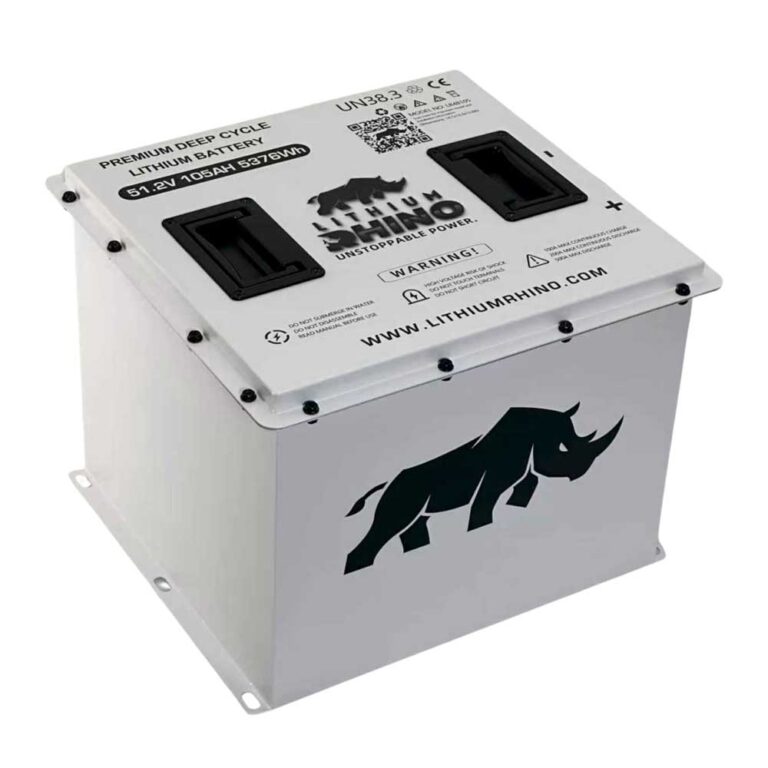
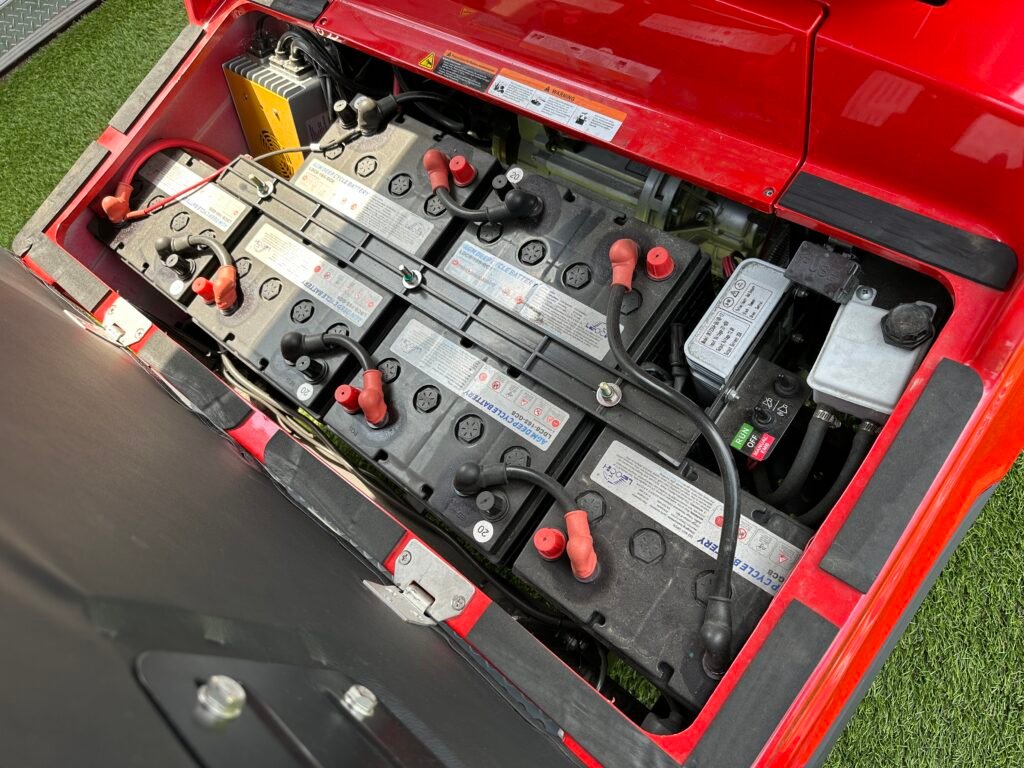
Lithium has become the default upgrade for serious golf cart owners, and for good reason. A LiFePO4 pack safely uses about 90% of its capacity versus roughly 50% for lead-acid, so it delivers far more range from the same rating. It weighs a fraction as much, holds voltage flat so the cart stays strong until nearly empty, needs zero watering, and commonly lasts eight to ten years or more.
The downside is upfront cost, usually $1,500 to $3,000*, but over the life of the cart it often matches or beats lead-acid because you avoid repeated battery-bank replacements. The full math is in our lead-acid vs. lithium cost analysis, and the honest trade-offs are in disadvantages of lithium batteries.
* Estimated retail prices from manufacturer and retailer listings at the time of writing. Prices change often, so use them as a planning guide, not a quote.
What to look for in the best lithium golf cart battery
Before comparing brands, know the specifications that actually matter. These are the buying criteria that separate a great pack from a risky bargain:
- LiFePO4 chemistry: the safest, longest-lasting lithium type for golf carts, avoid cheaper, less stable chemistries.
- Quality BMS: the battery management system protects against overcharge, over-discharge, heat, and cell imbalance. It is the heart of a safe pack.
- Capacity (Ah): more amp-hours means more range. Match it to how far you drive.
- Warranty: 5 years or more signals a brand that stands behind its product; several named packs below publish 10 to 12 years.
- True drop-in design: the easiest installs match your cart’s voltage and include the needed wiring and charger guidance.
Reputable lithium golf cart battery brands
The best lithium golf cart battery shortlist should be built from real pack data, not brand slogans. Checked July 2026, these are the most useful publicly verified anchors from golf-cart-specific lithium brands and official product pages. Prices are manufacturer-listed when the maker publishes a direct price; if a brand routes pricing through dealers, the table says so plainly. To see which of the packs we stock fit your own cart and tray, use the Lithium Battery Bundle Finder.
| Brand | Verified pack example | Chemistry, capacity, warranty | Manufacturer-listed price |
|---|---|---|---|
| Eco Battery | A-051105-01, 51V 105Ah Thru-Hole LiFePO4 Gen3 | 51.2V nominal, 105Ah, 5.3 kWh. Limited Lifetime warranty when registered (1 year unregistered). | $2,178 battery-only MSRP; cart-specific 105Ah bundles ran $2,663 to $2,754* with mount, meter, charger, and port hardware. |
| RELiON | InSight GC2 48V lithium golf car battery | 51.2V nominal, 30Ah, 1,536Wh, prismatic LiFePO4, GC2/GC8 case, parallel to 10 batteries. 10 year warranty. | $1,199.95* per battery; multiply pack count for full capacity. |
| Dakota Lithium | 48V 96Ah LiFePO4 Golf Cart Battery, PID48V96AHGC | 48V class, 96Ah, about 4.9 kWh, one-pack drop-in for many 48V carts. 11 year warranty. | $2,775* battery-only; optional 48V 8A charger and wiring kit sold separately. |
| Allied | RS Commercial 48V LiFePO4 Package, 105Ah | 48V 105Ah, RS relay BMS, internal solenoid, CAN bus/RS485, Bluetooth app, 2A active balancer. RS Commercial 105Ah+ warranty listed at 8 years. | $2,700* for the RS Commercial 48V 105Ah package. |
| ROYPOW | S51105L-Z 48V 105Ah lithium golf cart battery | 48V system, 105Ah, intelligent BMS, Bluetooth monitoring, 65Ah to 105Ah+ range. 10 year warranty. | No direct online price published; site uses Request a Quote / Find a Dealer. |
| Bolt Energy | 51.2V 60/105/160Ah for 48V PTVs, plus 38.4V and 73.6V 105Ah options | Heated and non-heated variants across the lineup. 12 year transferable warranty advertised. | No direct price published; dealer or quote based. |
The practical takeaway: compare nominal voltage, Ah, stored kWh, BMS current capability, charger compatibility, warranty terms, and exactly what is included in the kit. A $2,178 battery-only Eco listing and a $2,700* Allied package are not automatically the same scope, one kit may include a charger, state-of-charge meter, charge port, and DC-DC converter, while another is battery-only.
* Estimated retail prices from manufacturer and retailer listings at the time of writing. Prices change often, so use them as a planning guide, not a quote.
How much capacity do you need?
Bigger is not always necessary, you want enough capacity for your typical range with a comfortable margin, not more than you will ever use. A larger pack costs more and adds weight you may not need.
The simplest way to size a battery is to work backward from the range you want. Enter a candidate voltage and amp-hour rating into our range calculator and it estimates the miles per charge you would get, so you can compare options on real-world range rather than just amp-hour numbers. For background on configurations, see how many batteries a golf cart has.
Parts note: The 48V lithium bundles we stock run from 50Ah to 175Ah, so you can size the pack to your range. See lithium bundles
Installation and compatibility
A lithium conversion is well within reach for a handy owner, but a few compatibility points matter:
- Match the voltage to your cart (most are 48V/51.2V lithium for a 48V cart).
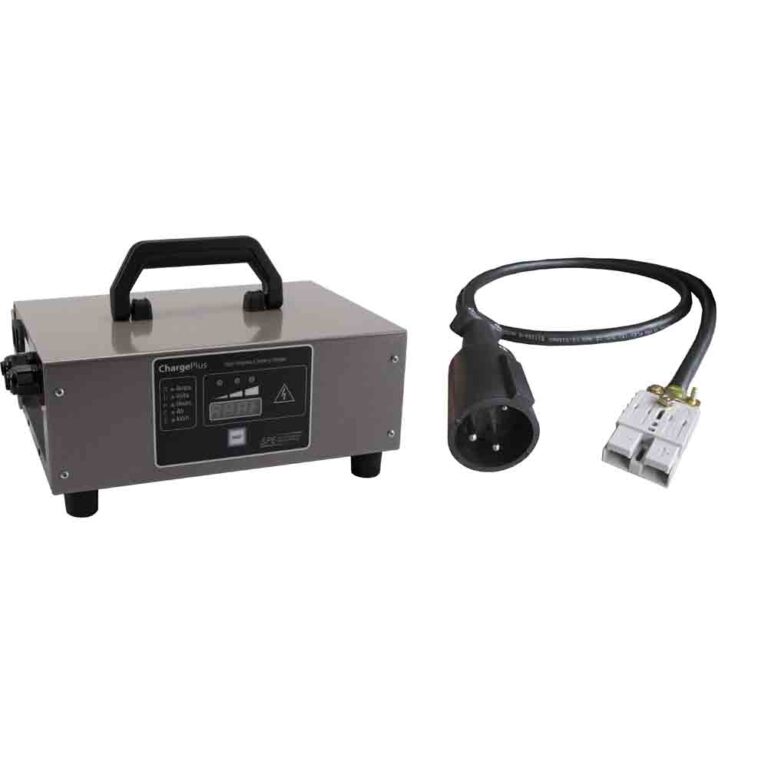
- Use a lithium-compatible charger, an old lead-acid charger profile can harm a lithium pack.
- Check the controller and accessories for voltage compatibility, especially if you also run lights or a stereo.
Many kits are designed as true drop-ins for popular carts, which keeps the job simple. Browse all of our battery how-tos in the repair guides library, and review manufacturer spec sheets, brands like RELiON publish detailed capacity and cycle-life data.
Charging, cold weather, and lifespan
One of lithium’s biggest quality-of-life advantages is charging. A LiFePO4 pack accepts a charge faster than lead-acid, has no memory effect to worry about, and does not mind being topped off after a short trip, partial charging that would slowly ruin a lead-acid bank is perfectly fine for lithium.
Cold weather deserves a note. Lithium delivers excellent range in normal temperatures, but charging a LiFePO4 battery below freezing can damage the cells, which is why better packs include low-temperature charge protection in the BMS. If you store or use your cart in genuinely cold conditions, prioritize a battery with heated or temperature-protected charging.
Lifespan ultimately comes down to the BMS and your charging habits. Use the correct lithium charger, avoid leaving the pack fully discharged for long storage, and a quality battery will cycle for the better part of a decade.
Choose LiFePO4 with a quality BMS, the right amp-hours, and a long warranty. Eco Battery, RELiON, Dakota Lithium, Allied, ROYPOW, and Bolt Energy are all reputable with real published specs. Size capacity to your range with the range calculator.
Frequently Asked Questions
What is the best type of lithium golf cart battery?
LiFePO4 (lithium iron phosphate) is the best chemistry for golf carts, it is the safest, most stable, and longest-lasting. Pair it with a quality BMS, enough amp-hours for your range, and a multi-year warranty.
How long do lithium golf cart batteries last?
A quality LiFePO4 golf cart battery commonly lasts eight to ten years or more, often outliving two or three lead-acid replacements. Lifespan depends on the BMS, charging habits, and how deeply the pack is cycled.
Do I need to match the exact battery brand my cart came with?
No. Most lithium golf cart batteries are aftermarket drop-in replacements built to match common voltages like 48V or 51.2V, not OEM-specific parts. What matters is matching voltage, physical case size, and using a lithium-compatible charger, not staying with one brand.