How Many Batteries Does a Golf Cart Have? 36V, 48V & 72V
Battery counts and configurations for 36V, 48V, 72V, and lithium carts, how to identify yours, why capacity beats count, and real usable-energy math with named packs and prices.
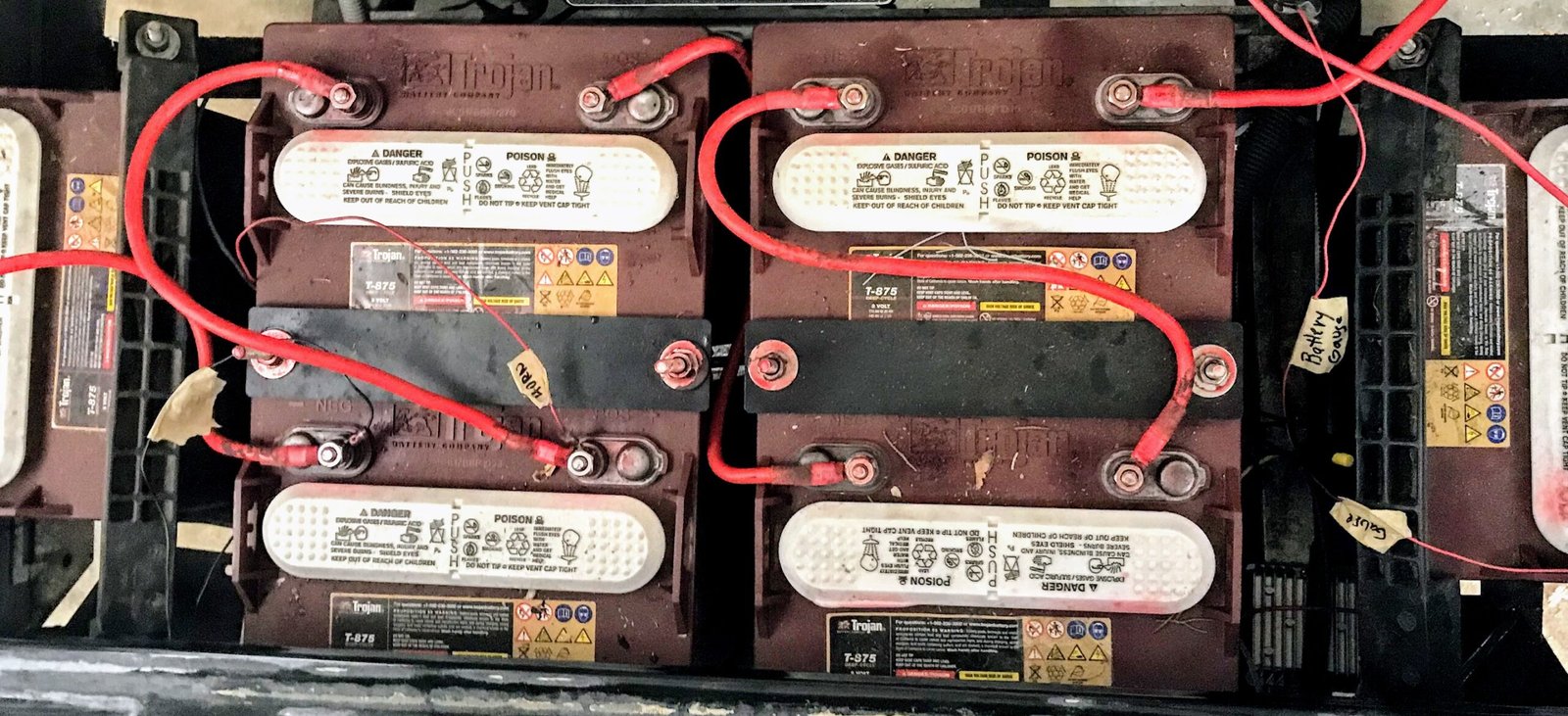
- 36V carts use six 6V batteries; 48V carts use six 8V or four 12V batteries; 72V carts use six 12V batteries; lithium carts commonly use one or two 48V-class batteries.
- Count the filler caps to cross-check voltage: 6V batteries have 3 caps, 8V have 4, 12V have 6.
- Capacity, not count, determines range. A 48V six-pack of Trojan T-875 batteries carries about 13% more usable energy than a four-pack of T-1275 batteries, despite both reading 48 volts.
- Real price anchors checked July 18, 2026: a six-battery Trojan T-105 lead-acid bank runs about $1,398; a named 51.2V 105Ah lithium battery runs $2,178 to $2,700*, battery-only.
* Estimated retail prices from public listings checked July 18, 2026. Prices change often, so use them as a planning guide, not a quote.
It is one of the most common questions new golf cart owners ask, and the answer depends entirely on voltage. Once you know how the batteries are wired in series to reach 36, 48, or 72 volts, counting them, and choosing replacements, becomes straightforward.
How many batteries does a golf cart have, by voltage
The number of batteries is set by the system voltage and the voltage of each individual battery, wired in series so their voltages add up. Here are the standard lead-acid configurations:
| System voltage | Battery setup | Battery count |
|---|---|---|
| 36V | 6-volt batteries | 6 batteries |
| 48V | 8-volt batteries | 6 batteries |
| 48V | 12-volt batteries | 4 batteries |
| 72V | 12-volt batteries | 6 batteries |
So the same 48V cart can carry either six 8-volt batteries or four 12-volt batteries, both add up to 48 volts. The 8-volt setup usually offers more capacity (and range), while the 4x12V setup is lighter and cheaper up front.
How to tell how many batteries your cart needs
If you are not sure what you have, you can work it out in two minutes:
- Open the seat and look at the battery bank. Count the batteries.
- Read the voltage printed on one battery (6V, 8V, or 12V) and count the filler caps as a cross-check, 6V batteries have 3 caps, 8V have 4, 12V have 6.
- Multiply battery voltage by the number of batteries to confirm the system voltage.
Six batteries with 3 caps each is a 36V cart; six with 4 caps is a 48V cart. For more ways to confirm voltage, see our guide on golf cart voltage, and to identify your exact model and year, run the numbers through our serial number decoder.
How many batteries for a lithium golf cart?
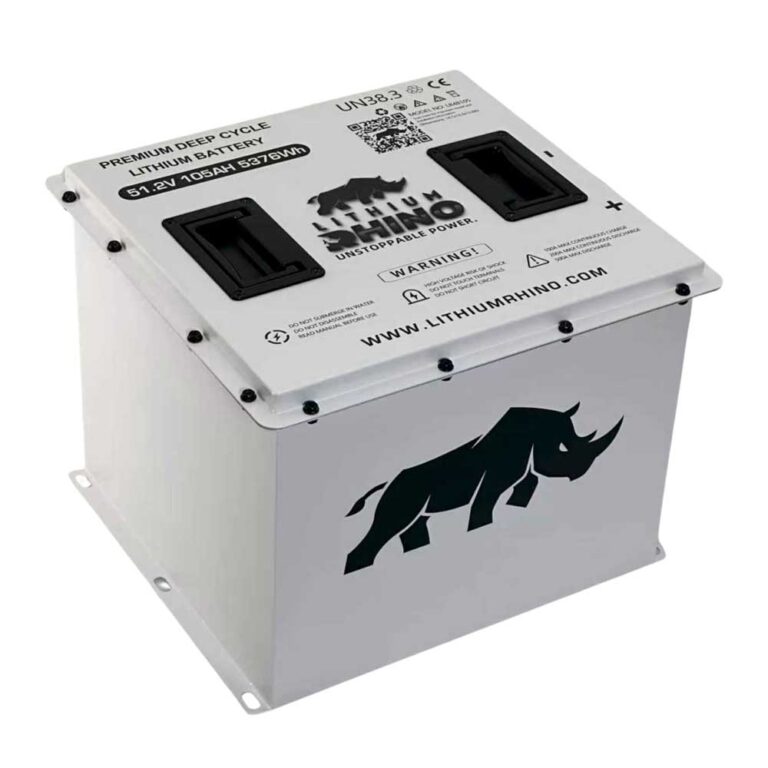
Lithium changes the math entirely. Instead of a bank of six lead-acid batteries, a lithium cart often runs one main 48V or 51.2V nominal LiFePO4 battery, or two parallel batteries when the kit is built for extended range. The right comparison is not one lithium case versus six lead-acid cases. It is usable kWh, current output, charger compatibility, and whether the cart’s controller can communicate with the battery management system.
For a real published example, Eco Battery’s 51V 105Ah Thru-Hole Gen3 battery lists 51.2V nominal voltage, 105Ah nominal capacity, 5.3 kWh stored energy, 250A continuous discharge, 550A for 10 seconds, and 600A for 5 seconds. Eco’s FAQ says to charge before the pack reaches 80% depth of discharge, so a practical usable-energy estimate is 5.3 kWh x 0.80 = 4.24 kWh. Checked July 18, 2026, Eco listed the battery-only MSRP at $2,178*.
* Estimated retail prices from public listings checked July 18, 2026. Prices change often, so use them as a planning guide, not a quote.
That is why a one-battery lithium cart can outrun a tired six-battery lead-acid bank, but it is not magic. A small 48V lithium pack can have less usable energy than a healthy high-Ah flooded bank, while a 105Ah LiFePO4 pack can be close to the usable energy of common 48V lead-acid sets with far less weight and maintenance. The trade-offs, mainly upfront cost and charger/BMS fitment, are covered in our look at the disadvantages of lithium batteries and the full lead-acid vs. lithium cost analysis.
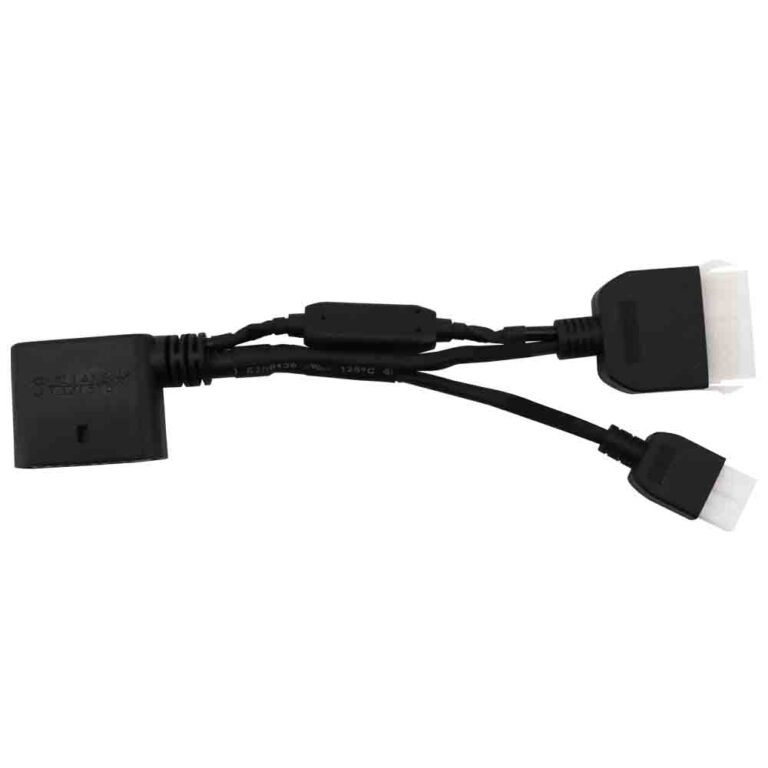
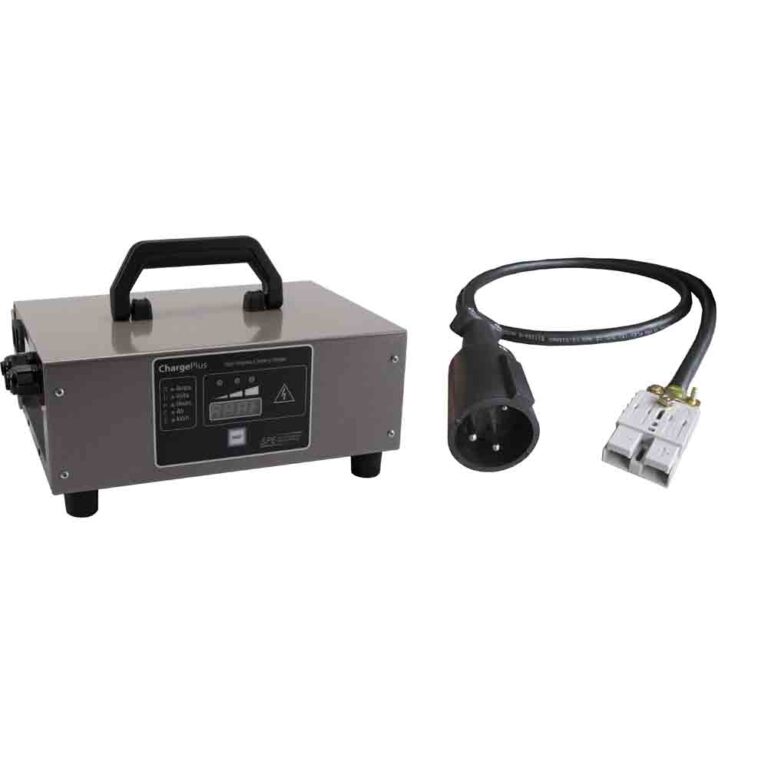
Parts note: The 36V and 48V lithium bundles we stock are each one pack with its charger in the box. See lithium bundles
Battery count is not the same as capacity
A common mistake is assuming more batteries means more range. What actually matters is total usable energy: nominal volts x amp-hours x usable depth of discharge / 1,000 = usable kWh. The amp-hour rating must come from the battery label or data sheet, because a 48V cart with six 8V batteries is not automatically the same as a 48V cart with four 12V batteries.
| Example pack | Published rating | Stored energy | Usable energy estimate |
|---|---|---|---|
| 36V, six Trojan T-105 6V batteries | T-105 is 225Ah at the 20-hour rate | 36V x 225Ah = 8.10 kWh | About 4.05 kWh at 50% DoD |
| 48V, six Trojan T-875 8V batteries | T-875 is 170Ah at the 20-hour rate | 48V x 170Ah = 8.16 kWh | About 4.08 kWh at 50% DoD |
| 48V, four Trojan T-1275 12V batteries | T-1275 is 150Ah at the 20-hour rate | 48V x 150Ah = 7.20 kWh | About 3.60 kWh at 50% DoD |
| 51.2V lithium, Eco Battery 105Ah | Eco publishes 5.3 kWh stored energy | 51.2V x 105Ah = 5.38 kWh, listed as 5.3 kWh | About 4.24 kWh at 80% DoD |
The lead-acid examples use Trojan’s own 20-hour capacity ratings, and the 50% usable-energy line follows Trojan’s maintenance guidance that 50% or less discharges are recommended for flooded batteries. Trojan also says 80% discharge is the maximum safe discharge and full discharge can damage or kill flooded batteries, so 50% is the better ownership math. The lithium example uses Eco Battery’s published 5.3 kWh figure and Eco’s own 80% DoD charging guidance.
That is exactly why our range calculator asks for voltage, amp-hours, and chemistry rather than just the number of batteries. Plug in your pack and it estimates your real miles per charge, runtime, and the cost of a full charge. For the bigger picture on distance, read how far a golf cart can go.
Replacing your golf cart batteries
When it is time to replace the bank, count still matters because the charger and tray were built for a system voltage. Cost, though, depends on the named battery and whether you are buying loose batteries, a complete lithium kit, or installed service from a dealer.
| Replacement path | Real price anchor checked July 18, 2026 | What the number means |
|---|---|---|
| Six 6V flooded batteries | Continental Battery listed a Trojan T-105 at $232.99* each | Six batteries price at about $1,398* before tax, core charges, cables, or installation. |
| One 51.2V 105Ah lithium battery | Eco Battery listed the 51V 105Ah Thru-Hole battery at $2,178* MSRP | Battery-only price, not necessarily a cart-specific charger, meter, port, or mount bundle. |
| 48V 105Ah lithium package | Allied listed its RS Commercial 48V 105Ah golf package at $2,700* | Package price anchor for a named 105Ah lithium option, dealer fitment still matters. |
* Estimated retail prices from public listings checked July 18, 2026. Prices change often, so use them as a planning guide, not a quote.
- Replace all lead-acid batteries at once. Mixing old and new flooded batteries drags the new ones toward the weakest unit.
- Match voltage, chemistry, and charger. A 48V charger profile for flooded lead-acid is not automatically right for a 51.2V LiFePO4 pack.
- Budget beyond the sticker. Cables, hold-downs, charger changes, a state-of-charge meter, and labor can move the final installed price.
Browse all of our battery how-tos in the repair guides library, and use the battery label before ordering. Same voltage does not guarantee same footprint, terminal style, or charger profile.
How long the batteries last and what they cost
The honest lifespan comparison starts with depth of discharge. Trojan recommends 50% or less discharge for flooded batteries and calls 80% the maximum safe discharge. Eco Battery tells owners to charge before reaching 80% depth of discharge, equal to 20% state of charge. In normal buyer language: lead-acid ownership math should usually be built around half the rated energy, while a modern LiFePO4 pack can usually use much more of its published stored energy.
| Pack example | Usable kWh from the table above | Price anchor | Simple cost per usable kWh |
|---|---|---|---|
| Six Trojan T-105 batteries | 4.05 kWh at 50% DoD | About $1,398 for six at $232.99* each | About $345* per usable kWh before install |
| Eco Battery 51V 105Ah | 4.24 kWh at 80% DoD | $2,178* battery-only MSRP | About $514* per usable kWh before install parts |
| Allied RS Commercial 48V 105Ah package | About 4.0 to 4.3 kWh if treated as a 105Ah 48V-class lithium pack | $2,700* package price | About $630 to $675* per usable kWh before install |
* Estimated retail prices from public listings checked July 18, 2026. Prices change often, so use them as a planning guide, not a quote.
That does not mean lead-acid is always cheaper. Flooded batteries need watering, terminal cleaning, full recharge after use, and more frequent replacement risk if they sit partly discharged. Lithium costs more up front but saves weight, has flatter voltage under load, and skips watering. The cost-per-year answer depends on how often the cart is used, how well the lead-acid bank is maintained, and whether the lithium price includes every required fitment part.
For the question how many batteries does a golf cart have, the count answer is still simple: 36V is usually six 6V batteries; 48V is commonly six 8V or four 12V batteries; 72V is commonly six 12V batteries; lithium is often one or two batteries. The range answer is the deeper one. A 48V six-pack of Trojan T-875 batteries works out to about 4.08 usable kWh at 50% DoD, while the named Eco 105Ah lithium example works out to about 4.24 usable kWh at 80% DoD.
Two batteries at the same voltage are not the same amount of run time, which is where the count-versus-capacity distinction gets practical. A 48V pack built from six 8V T-875 batteries is 170Ah at the 20-hour rate, while a 48V pack of four T-1275 12V batteries is 150Ah. Both read 48 volts on a meter, but the six-battery layout carries about 13% more stored energy before DoD limits. With lithium, the number stamped on the battery case tells you far more than the battery count ever will.
36V = six 6V; 48V = six 8V or four 12V; 72V = six 12V; lithium = one or two 48V-class batteries. Count caps to identify voltage, then use real Ah and DoD to compare usable kWh. See your real range with the range calculator.
Frequently Asked Questions
How many batteries does a golf cart have?
It depends on system voltage. A 36V cart uses six 6-volt batteries. A 48V cart uses either six 8-volt batteries or four 12-volt batteries. A 72V cart uses six 12-volt batteries. A lithium cart usually replaces that whole bank with one or two 48V-class LiFePO4 batteries.
How many batteries does a lithium golf cart have?
Most lithium conversions use a single 48V or 51.2V nominal LiFePO4 battery in place of the entire lead-acid bank, or two batteries in parallel on kits built for extended range. The right way to compare it to lead-acid is usable kWh and current output, not battery count.
Does more batteries mean more range?
No. Range depends on total usable energy: voltage times amp-hours times usable depth of discharge. A four-battery 48V pack with high-capacity batteries can outrange a six-battery 48V pack with smaller amp-hour ratings, so always check the Ah rating on the battery label, not just the count.
How much do golf cart batteries cost to replace?
A six-pack of flooded 6V batteries like the Trojan T-105 runs around $1,398 before tax, cables, or installation, based on a per-unit price of about $232.99. A single 51.2V 105Ah lithium battery runs around $2,178 to $2,700* depending on brand and package, battery-only, before any required charger or mounting parts.
* Estimated retail prices from public listings checked July 18, 2026. Prices change often, so use them as a planning guide, not a quote.