
Golf Cart Glossary: BMS, Solenoid, Controller, OBC, LSV & More
Plain-English definitions of the terms you meet in repair guides, parts listings, and buying talk, each with the one practical failure or buying note that actually matters.
- Terms are grouped into four buckets: battery and power, drive and control, charging and diagnostics, and street-legal and gas drivetrain.
- Acronyms are expanded from OEM or manufacturer usage where a public source exists (Club Car MCOR and OBC, E-Z-GO ITS/PDS/DCS, Delta-Q charge profiles).
- Every entry adds a practical note, because a definition is only useful when it helps you diagnose or buy.
- Under FMVSS 500, an LSV is a four-wheeled vehicle with a speed capability above 20 mph and not more than 25 mph, plus required safety equipment.
This golf cart glossary explains the terms you will run into in repair guides, parts listings, and buying conversations. Each entry gives the plain-English meaning plus one practical failure or buying note, because definitions are only useful when they help you make a better decision. Acronym expansions are checked against OEM or manufacturer usage where public sources exist. Where a term is common shop language rather than a single formal OEM definition, the entry says so instead of pretending there is one universal standard.
Battery and power
| Term | What it means |
|---|---|
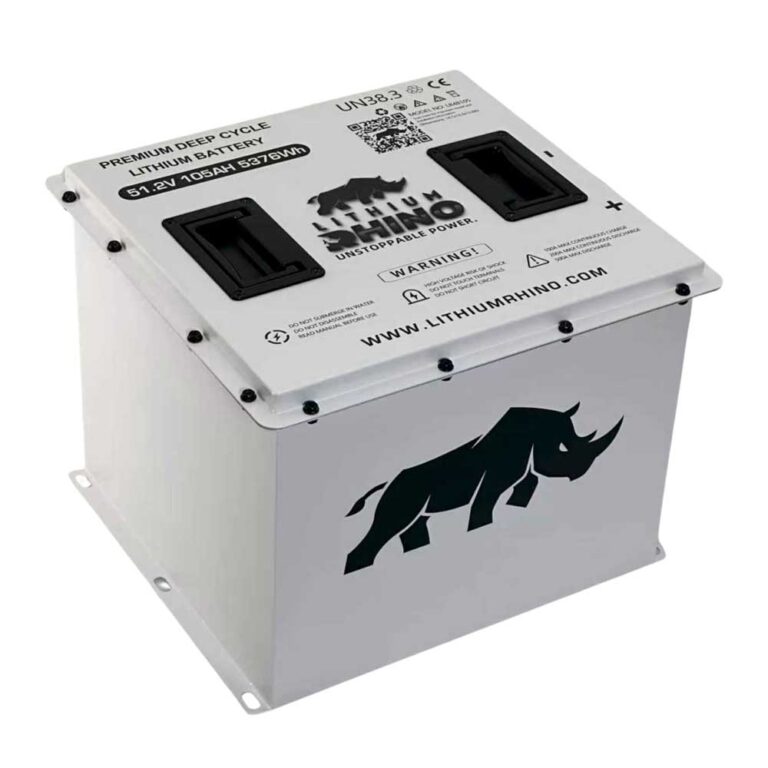
| BMS | Battery Management System. The electronics inside a lithium pack that balance cells and protect against low voltage, high current, heat, cold charging, and short circuits. A sudden lithium shutdown is often protection, not a dead battery. |
| LiFePO4 | Lithium iron phosphate, the common golf-cart lithium chemistry used by many drop-in and OEM packs. It is valued for stable chemistry, long cycle life, and flat voltage under load. |
| Amp-hours (Ah) | A capacity rating. More Ah usually means more range if voltage and cart load are similar, but a 105Ah 72V pack stores more energy than a 105Ah 48V pack. |
| kWh | Kilowatt-hours, the stored energy number. Estimate it as nominal volts x amp-hours divided by 1000. Use kWh when comparing packs across different voltages. |
| C-rating | A battery current rating tied to capacity. A 1C discharge on a 100Ah pack is 100A. It helps show whether a pack can feed a high-amp controller without tripping the BMS. |
| State of charge (SOC) | How full the pack is. Lead-acid SOC often follows resting voltage, while lithium meters may need communication or recalibration after a swap. |
| Voltage sag | The temporary voltage drop under load. Heavy sag on acceleration points to weak batteries, undersized cables, hot connections, or a BMS/current limit. |
| Deep-cycle battery | A battery built for repeated discharge and recharge, unlike a car starting battery. Flooded lead-acid golf-cart packs are deep-cycle, but running them flat still shortens life. |
| Watering | Adding distilled water to flooded lead-acid cells after charging. Skipping it exposes plates and kills packs; lithium packs do not need watering. |
| Pack voltage | The battery system voltage, such as 36V, 48V, 51.2V lithium, or 72V. Match chargers, controllers, solenoids, DC converters, and accessories to the actual pack. |
Drive and control
| Term | What it means |
|---|---|
| Controller | The electronic brain that meters battery current to the motor and sets acceleration, speed, regen, and protection limits. A high-amp controller still needs matching cables, solenoid, and battery current. |
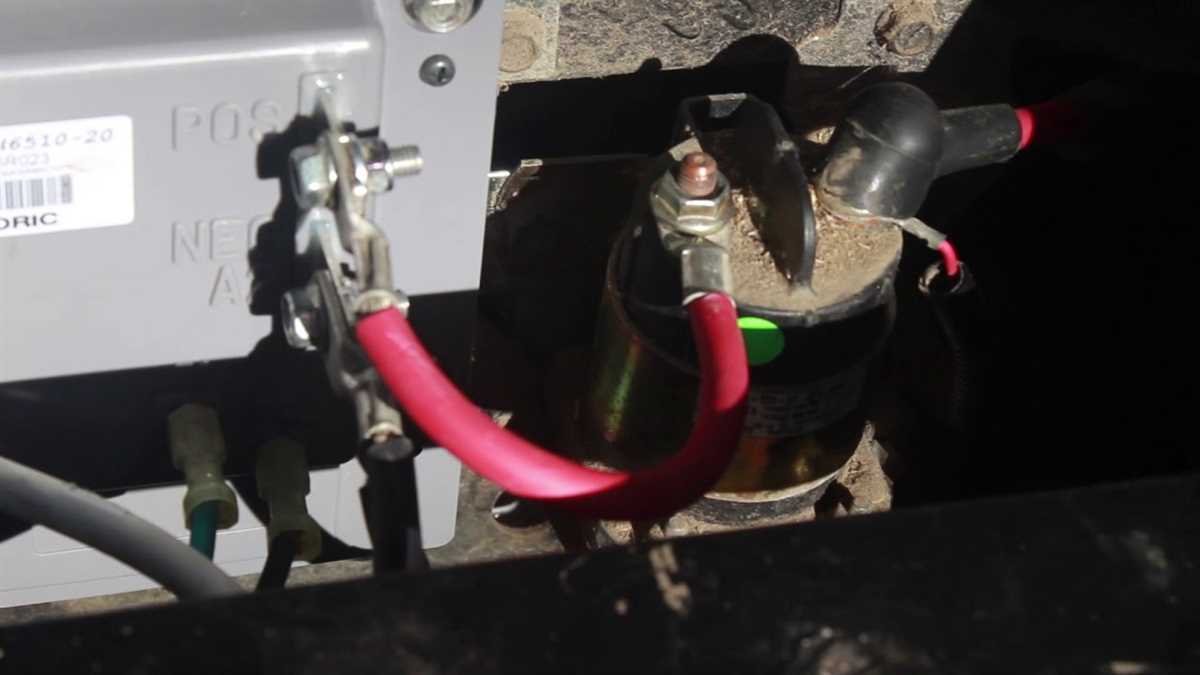
| Solenoid | A heavy relay that connects the high-current path on command. A silent solenoid often means a signal-side problem; a click with no movement points to contacts, precharge, controller, motor, or pack current. |
| Contactor | The industrial name for a heavy-duty solenoid. Many lithium and performance builds use contactor language because current ratings and duty cycles matter. |
| Precharge resistor | A resistor across the main contactor that gently charges controller capacitors before the contacts close. Wrong or open precharge can cause arcing, fault codes, or no-go behavior. |
| Series-wound DC | The classic brushed DC motor system on older carts. It is simple and upgrade-friendly, but it does not behave like sepex or AC drive. |
| Sepex | Separately excited DC drive. The motor field and armature are controlled separately, giving better speed control and regen options than a basic series system. |
| AC drive | An alternating-current motor and controller system. It is common on modern carts and supports smooth torque, regenerative braking, and software protection. |
| Regen braking | Regenerative braking. The motor slows the cart and sends some energy back to the battery. It can feel like engine braking and may be reduced when the pack is full or faulted. |
| MCOR | Club Car throttle device, commonly expanded as Motor Controller Output Regulator. It translates pedal movement into a controller signal; dead spots can cause surging or no response. |
| ITS | E-Z-GO inductive throttle sensor. It reads pedal movement without a simple mechanical potentiometer; misadjustment or failure can make a TXT/DCS/PDS cart refuse throttle. |
| PDS | E-Z-GO Precision Drive System, a TXT electronic drive platform. Speed settings, controller compatibility, and diagnostics differ from older series carts. |
| DCS | E-Z-GO Drive Control System, an earlier electronic drive platform. It also uses ITS-style throttle input but is not the same as PDS for parts matching. |
| Tow/Run switch | A switch used on many electric carts to protect the controller and disable drive for towing or service. Leaving it in Tow can make a healthy cart act dead. |
| F&R switch | Forward and reverse selector. On older DC carts it may carry meaningful current or route motor wiring, so heat or wear here can cause no-go or direction faults. |
| Motor brake | An electromagnetic parking brake used on platforms such as E-Z-GO RXV-style systems. If it fails to release, the cart may not move even though the motor can command torque. |
| Transaxle | The geared rear unit that transfers motor or engine power to the wheels and sets gear ratio. Noise, oil loss, or stripped hubs can imitate motor problems. |
Charging and diagnostics
| Term | What it means |
|---|---|
| OBC | Club Car On-Board Computer. On OBC-era Club Car systems it monitors and controls charging and can act as a go/no-go control for charging and drive logic; it is not simply the charger itself. |
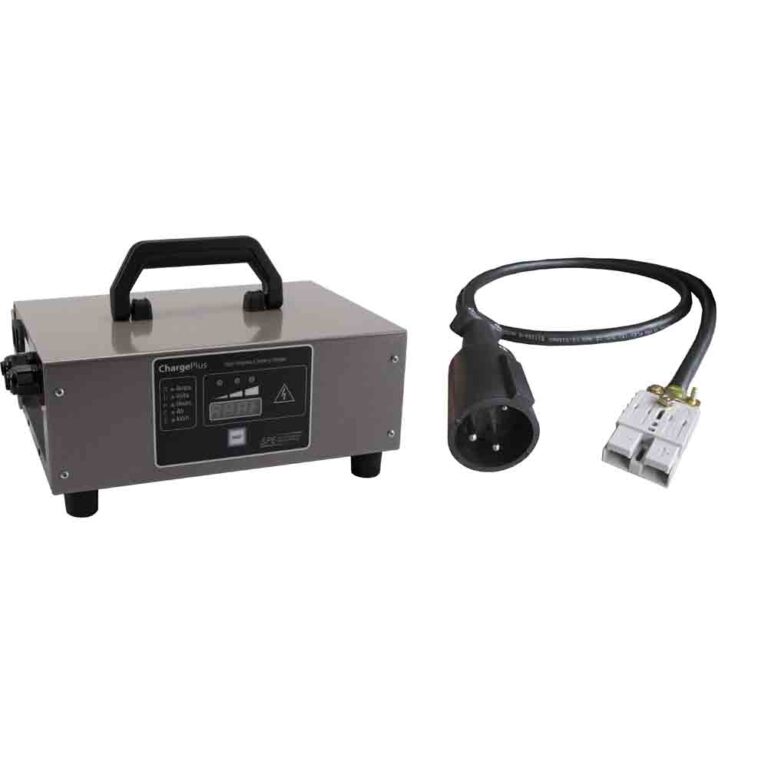
| Charger profile | The battery-specific charge program, also called an algorithm. Delta-Q defines it as the logic for stages such as bulk, absorption, and finish. A wrong profile can undercharge or damage batteries. |
| Delta-Q | A charger maker used on many carts and industrial EVs. Its QuiQ and IC chargers use selectable algorithms, so the charger label and profile number matter after battery changes. |
| Lester | A charger maker used on many golf carts, including Summit-series chargers and stand-alone replacements. Match voltage, chemistry, plug, and profile before replacing an OEM charger. |
| PowerWise | E-Z-GO charger family and connector language used on many older carts. Do not buy by plug shape alone; match pack voltage and charger type. |
| Crowfoot / SB50 | Common charger connector styles. They describe the plug, not the charge algorithm, so the battery and charger profile still have to match. |
| DTC | Diagnostic Trouble Code. A controller, BMS, EFI system, or charger may store DTCs that narrow the fault better than symptoms alone. |
| CAN bus | Controller Area Network, a communication network used by many modern carts, batteries, displays, chargers, and controllers. A CAN fault can be wiring, module power, or incompatible components. |
| Limp mode | A reduced-power protection mode. It can be triggered by low voltage, heat, BMS limits, throttle faults, or controller faults and should not be treated as one single failure. |
Street-legal and gas drivetrain
| Term | What it means |
|---|---|
| PTV | Personal Transportation Vehicle. A neighborhood or private-property cart category, not automatically street legal. Many PTVs are limited around 19 mph. |
| LSV | Low-Speed Vehicle. Under FMVSS 500, an LSV is a four-wheeled motor vehicle with a speed capability above 20 mph and not more than 25 mph, plus required safety equipment. |
| NEV | Neighborhood Electric Vehicle. Common market language for small local electric vehicles; in U.S. legal discussions it often overlaps with LSV, but state rules decide registration and road use. |
| Governor | A gas-cart speed-control device or adjustment system that limits engine rpm or road speed. Defeating it can overspeed the engine or clutch and may make the cart illegal on public roads. |
| CVT / clutch | Continuously variable transmission using drive and driven clutches plus a belt. A worn belt or sticking clutch can feel like low power even when the engine runs well. |
| Pulse fuel pump | A vacuum-pulse pump used on many older carbureted gas carts. Weak pulse lines, cracked hoses, or a tired pump cause fuel starvation under load. |
| Carburetor | A mechanical fuel and air mixer on older gas carts. Dirt, ethanol residue, wrong jets, or choke problems can cause bogging, surging, or no-start symptoms. |
| EFI | Electronic fuel injection. Modern gas utility carts may use EFI with a MIL and DTCs, so carburetor cleaning advice does not apply. |
| Valve adjustment | Setting engine valve lash to spec. Tight valves can cause hard starting, low compression, or power loss on gas carts. |
Where to go next
If a term came up while you were fixing something, jump to the troubleshooter or the relevant section: batteries, controllers, motors, or chargers. To understand how the pieces fit together, read how a golf cart works.
Frequently Asked Questions
What is a BMS in a golf cart?
The Battery Management System protects a lithium pack by balancing cells and cutting output under unsafe conditions. It is why a lithium cart can shut off suddenly and recover after rest or charging.
What does LSV mean?
Low-Speed Vehicle. FMVSS 500 uses a speed capability above 20 mph and not more than 25 mph, plus required safety equipment. State registration rules still apply.
What is the difference between DC and AC carts?
DC carts use brushed DC motor systems such as series or sepex designs. AC carts use an AC motor and controller, usually with smoother control, regen, and software protection.


What does EU stands for in preparing a golf cart for storage
Instructions says it needs 10 EUs to properly prepare for long term storage
Hi Franklin, good question. EU stands for Energy Units. It’s a Club Car term. On Club Car electric carts with an onboard computer (OBC), the OBC counts the energy you take out of the batteries in EUs, and the charger uses that count to decide how much charge to put back in.
So “10 EUs” in the storage instructions means the cart has to actually be driven before it’s charged. About two weeks before storage, top up the battery water with distilled water. Then drive the cart normally and recharge it, for about five charge cycles with at least 10 EUs drawn out. New water sits on top of the cells until charging mixes it into the acid. Just plugging in a cart that’s already full doesn’t mix it properly. You can’t see EUs on the dash, so ordinary driving between charges is the practical way to get there.
Then for storage itself:
1: Key off, Forward/Reverse in Neutral, accessories off.
2: Tow/Run switch to TOW.
3: Clean the battery tops and tighten the cable connections.
4: Leave the charger plugged in. Once a month, check the water level and make sure the charger still comes on.
5: If the power was off for a week or more, unplug the charge cord for 5 seconds and plug it back in so the OBC resets.
6: Chock the wheels instead of setting the park brake.
If yours is a lithium cart or a different brand, tell me the model and year and I’ll point you to the right steps.