Are Cheap Lithium Golf Cart Batteries Worth It?
Budget lithium can be a smart buy on a stock cart, or a costly gamble with a performance controller. The real risk is the BMS and the seller, not always the cells.
- The split in owner experience is stark and consistent.
- One quirk that catches budget-lithium buyers off guard is the low-temperature cutoff.
- Worth it if: you run a stock or lightly modified cart, drive moderate distances, and want lithium’s weight and maintenance benefits on a budget, and you accept a thinner warranty.
- If you do go budget, spend ten minutes on the listing before you buy.
Cheap lithium golf cart batteries are tempting, but they are not all the same risk. The cells are often fine; the savings usually come from a weaker BMS and thinner support. This honest verdict explains when budget lithium is smart and when it is a false economy.
What the phrase cheap lithium actually means
Nearly every budget 48V golf cart pack sold today uses LiFePO4 (lithium iron phosphate) chemistry in a 100Ah or 105Ah format, the same basic cell size the name brands like RELiON, Eco Battery and Allied use. The cells are commodity parts, so the gap between a $900 pack and a $2,400 pack is almost never the raw cells. It is the BMS board, the internal busbar quality, the low-temperature charge cutoff, and whether there is a US phone number that answers when the pack quits. A pack advertised at 200 amps peak may only sustain 80 to 100 amps continuous, and that continuous figure is the one that actually matters when you are climbing a grade.
Budget lithium packs, often sub-$1,000 for a 48V unit versus $1,500 to $2,800 for established brands, usually save money in two places: a lower-rated BMS and minimal US support infrastructure. The LiFePO4 cells themselves are frequently acceptable, but the BMS is what limits sustained and surge current, manages heat, and protects the pack. A budget BMS often advertises a high peak amp figure it cannot actually sustain.
That is fine for a stock cart sipping modest amps. It becomes a problem the moment a high-output controller asks for the current the listing promised, which is exactly the mismatch behind many cheap-lithium failures.
What real-world owners actually say
The split in owner experience is stark and consistent. Owners running cheap lithium in a stock cart for light neighborhood or course use often report years of trouble-free service and great value. Owners who paired cheap lithium with a high-amp Navitas or Alltrax controller report BMS trips, sudden cutoffs under load, or premature pack failure, the budget BMS simply cannot handle the surge.
The second recurring theme is support: when a budget pack does fail, owners frequently struggle to reach the seller or get a warranty honored, especially with overseas eBay-style listings. The widely repeated advice in the r/golfcarts community is to favor an established brand with a real US warranty unless you fully understand the BMS specs you are buying.
The honest trade-offs you accept
One quirk that catches budget-lithium buyers off guard is the low-temperature cutoff. Quality LiFePO4 packs refuse to accept a charge below about 32F because charging a cold lithium cell plates lithium metal and permanently damages it. Premium packs include a self-heating pad or at least a clear cutoff; many bargain packs simply stop charging in cold weather with no explanation, and the owner assumes the pack is dead. If you store a cart in an unheated garage over winter, this single detail separates a pack that survives from one that frustrates you every December.
- Lower entry price: Lithium benefits (weight, maintenance) at a fraction of premium cost.
- Fine for stock carts: Light, low-amp use rarely stresses the BMS.
- Weak BMS under load: Can trip or fail with performance controllers.
- Support risk: Thin warranties; slow or unreachable sellers when problems arise.
Is budget lithium the right buy for your cart?
Worth it if: you run a stock or lightly modified cart, drive moderate distances, and want lithium’s weight and maintenance benefits on a budget, and you accept a thinner warranty. Read the BMS continuous (not just peak) amp rating before buying.
Skip it if: you run a high-amp controller, climb hills hard, tow, or want dependable warranty backing, spend up for an established brand whose BMS and support can take it.
Understand exactly why cheap packs fail under load in our lithium C-ratings guide, and compare the trustworthy options in the best lithium battery guide.
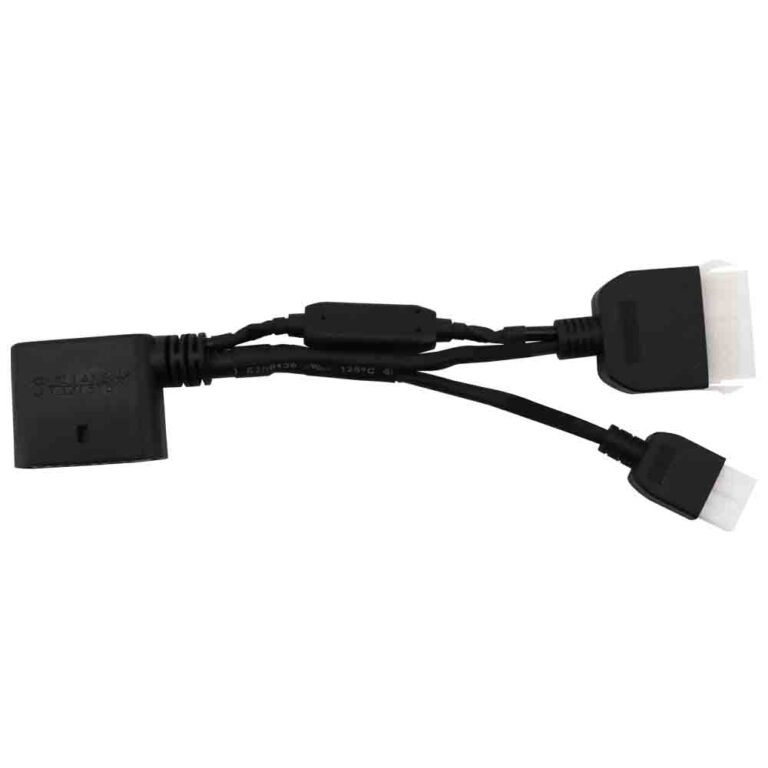
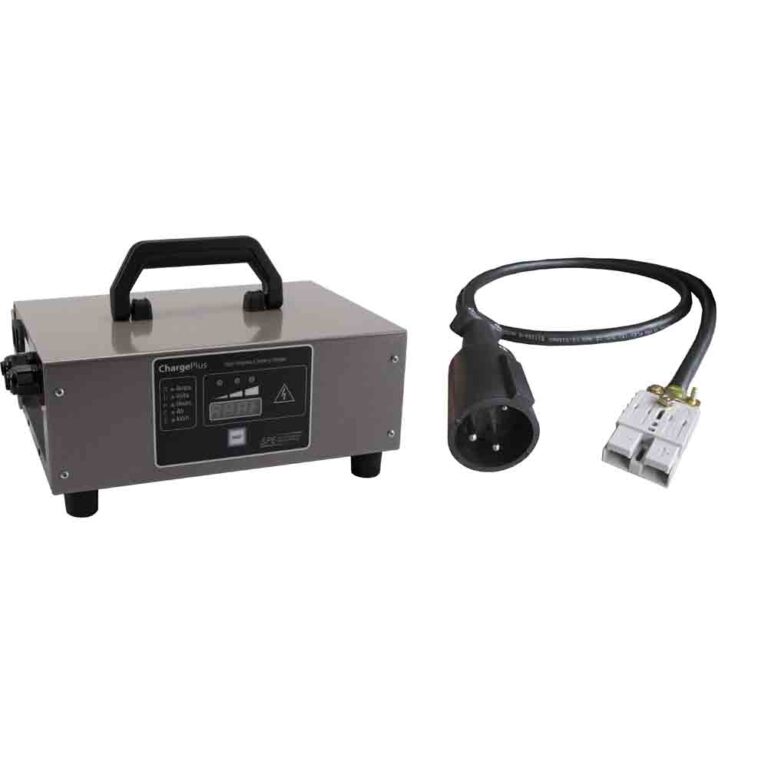
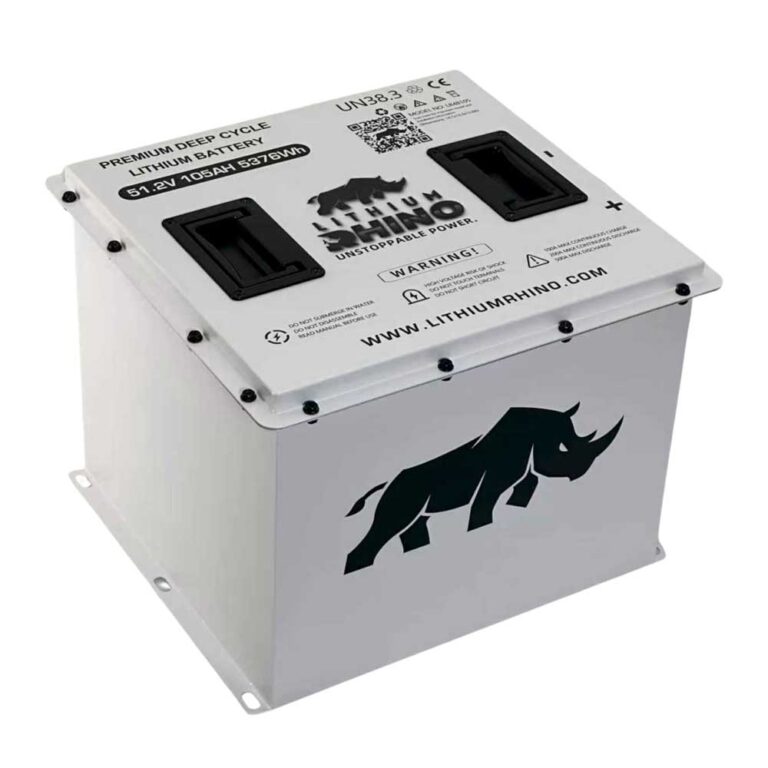
Parts note: The lithium bundles we stock are Lithium Rhino and MODZ, each with a charger matched to the pack. See lithium bundles
The bottom line on going budget lithium
If you do go budget, spend ten minutes on the listing before you buy. Confirm the BMS continuous amp rating in writing, not just the peak number. Confirm the pack has a low-temperature charge cutoff. Confirm there is a US warranty contact and read a handful of recent reviews to see whether that contact actually responds. A pack that clears those three checks, even at a budget price, will run a stock 48V cart with a factory or mild controller for years. A pack that hides those specs behind a flashy peak-amp headline is the one that leaves you stranded on a hill with a tripped BMS and a seller who never answers the email.
Cheap lithium is not automatically bad, for a stock cart and a realistic owner, it can deliver most of lithium’s benefits for far less money. What you are really buying down is BMS headroom and support, and both only matter when something goes wrong or when you ask the pack for big current. Match a budget pack to a stock, low-amp cart and read the continuous amp rating carefully, and it can be a smart buy. Pair it with a performance controller, and it is usually a false economy. Know which situation you are in before you click buy. Whichever way you lean, the Lithium Battery Bundle Finder shows the packs that fit your cart and tray, with the charger included.
Frequently Asked Questions
Are cheap lithium golf cart batteries worth it?
For stock, light-use carts on a budget, they can be, you get lithium’s weight and maintenance benefits for less. For performance controllers, towing, or anyone needing reliable warranty support, an established brand is the safer buy.
Why do cheap lithium batteries fail?
Most failures trace to a weak BMS that cannot sustain the current it advertises, especially under a high-amp controller, plus thin warranty support that makes replacement difficult.
Reviewed and updated July 7, 2026 by the Golf Cart Lab team.