
Lifted Golf Cart Ride Quality: 5 Best Proven Truths for Street Driving
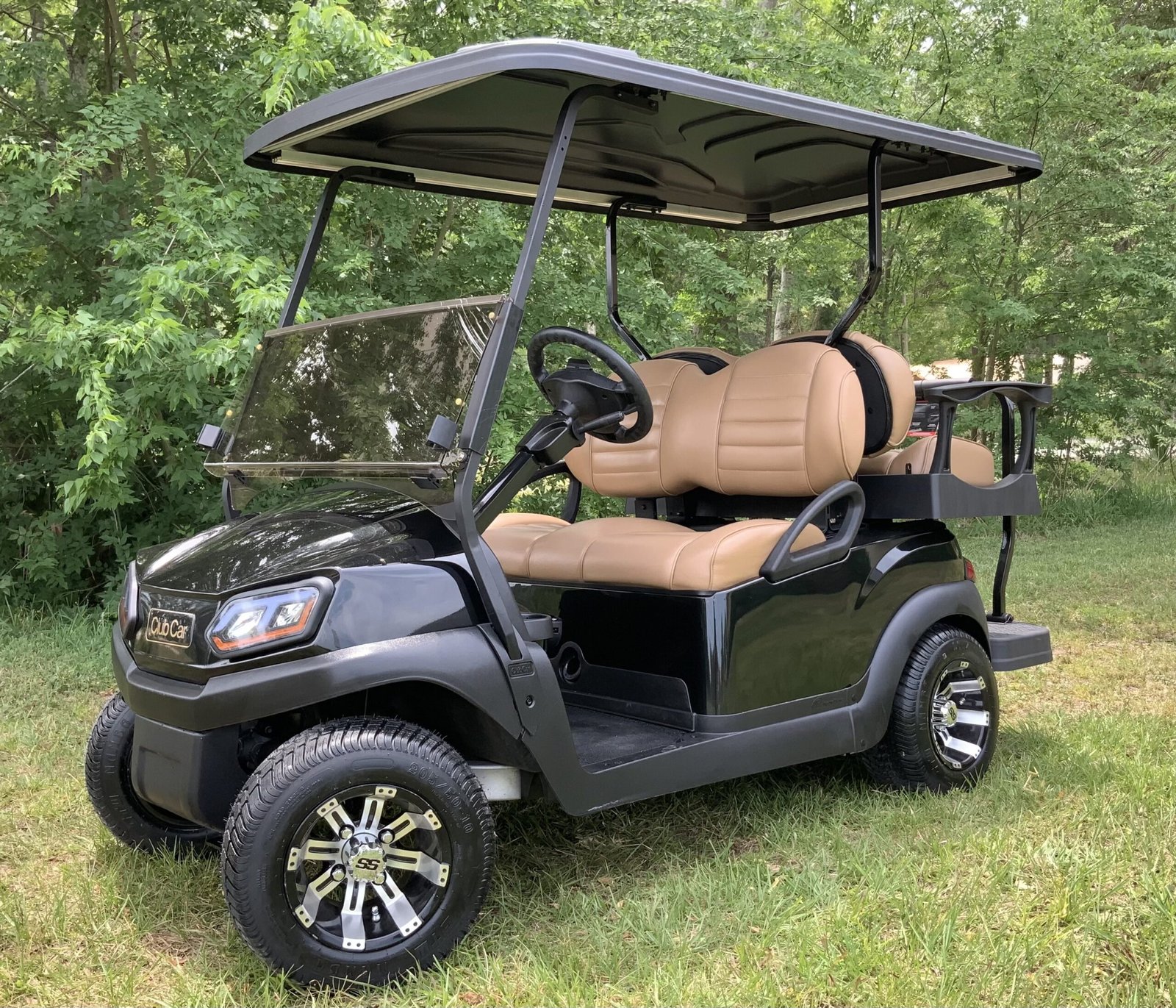
- a lifted cart can ride well on pavement, but lift height alone does not determine comfort.
- A single sharp impact with no repeated bounce points first toward tires, pressure, wheel mass, or limited travel.
- The best improvement per dollar is diagnosis, not a parts bundle.
A massive 6-inch lift and aggressive 23-inch tires will make your golf cart look incredible, but how will it actually feel when driving to the neighborhood pool? Many owners fear that a lift kit will completely destroy their lifted golf cart ride quality, resulting in a stiff, unstable, and terrifying experience on pavement. This protocol separates the myths from the mechanical realities of elevated street driving.
Measured Ride-Quality Drivers
Direct answer: a lifted cart can ride well on pavement, but lift height alone does not determine comfort. The largest changes usually come from heavier wheel-and-tire assemblies, stiffer low-profile sidewalls, tire pressure, altered suspension geometry, and shocks that no longer control the new mass. Bilstein’s technical guidance explains the mechanism: added unsprung mass is harder for the damper to control, while a stiff sidewall transmits more road input.
| Change | Street effect | Best correction |
|---|---|---|
| Heavier wheel and tire | More hop and slower rebound control | Use the lightest rated package that meets load and fitment needs |
| Low-profile or overinflated tire | Less sidewall compliance and sharper impacts | Use the exact tire and cart cold-pressure guidance |
| Higher spring rate | Less sag, but a firmer unloaded ride | Match springs to normal passenger and cargo load |
| Weak or mismatched shock | Repeated bounce after a bump | Fit a platform and lift-specific damper |
| Raised center of gravity | More body roll and weight transfer | Slow corner entry and verify alignment and track width |
Run a simple test before buying parts: set cold pressure correctly, inspect bushings and mounts, then drive the same bump at the same speed. One compression followed by controlled return points away from a damping fault; repeated oscillation supports a shock or spring-control diagnosis. Manufacturers rarely publish universal spring rates or shock travel, so match by exact cart, lift part number, load, and manual. A golf cart shock upgrade is worthwhile only after tire pressure, wheel balance, alignment, and worn joints are ruled out.
Diagnose Before Buying Parts
- Set every tire cold to the exact tire and vehicle guidance.
- Inspect tread, wheel balance, lug seating, bushings, shocks, and mounts.
- Measure ride height side to side with the normal load installed.
- Check toe, camber, full-lock clearance, and steering return using the lift manual.
- Drive one repeatable bump and note impact harshness, number of rebounds, steering kick, and body roll.
A single sharp impact with no repeated bounce points first toward tires, pressure, wheel mass, or limited travel. Two or more rebounds point more strongly toward damping. Side-to-side hop suggests pressure, tire, wheel, or shock differences. Pull or scrub points toward alignment or damaged parts. Use diagnostics for symptom isolation and repair guides for model-scoped service steps.
A Dense Street Setup
For pavement, favor a moderate tire diameter, a load-rated street or turf pattern, the lightest practical wheel, pressure within the exact published limits, and shocks designed for the precise platform and lift. Do not add heavy-duty rear springs unless passenger or cargo load requires them, because extra spring rate can make an empty cart ride worse. Recheck fastener torque and alignment after the kit maker’s break-in interval.
Slow down before corners. Lift height raises the mass above the roll axis, and wide or sticky tires do not cancel that change. If the cart feels unstable, do not mask it with stiffer shocks until loose hardware, wrong offset, unequal tire pressure, alignment, steering wear, and load placement are corrected.
Bottom Line
The best improvement per dollar is diagnosis, not a parts bundle. Correct pressure and alignment first, reduce unnecessary wheel-and-tire mass second, repair worn joints third, and add matched shocks or springs only when testing supports the change.
What Physically Changes When You Lift A Cart
It helps to separate the lift itself from the parts that usually get changed alongside it. Most of the ride quality complaints blamed on lift kits actually come from the tires fitted at the same time, and knowing which is which tells you what to fix.
- Spring rate. Many kits include stiffer springs or add leaves to carry the extra height and larger wheels. Stiffer springs transmit more of the road surface to the seat, which is the firmness owners notice first.
- Tire sidewall. This is the big one. A stock turf tire has a tall, soft sidewall that absorbs a great deal of pavement texture. A low profile street tire on a larger wheel has far less sidewall to flex, so the ride firms up noticeably even if the suspension is untouched.
- Unsprung weight. Bigger wheels and tires weigh more, and the suspension has to control that extra mass. Heavier wheels settle less quickly after a bump, which reads as a busier ride.
- Suspension geometry. A spindle lift keeps the original suspension travel and geometry largely intact. A block or drop-axle lift changes the angles more substantially, which affects both ride and steering feel.
- Center of gravity. Height moves the mass up, which shows up as more body roll in corners rather than as harshness in a straight line.
The practical takeaway is that if your lifted cart rides badly, tire pressure and sidewall choice are worth checking before you conclude the lift kit itself was a mistake.
Getting The Ride Back Without Undoing The Lift
Most harshness is recoverable without removing anything. Start with tire pressure, since this is free and is the most common cause. Many owners run lifted carts at the pressure printed on the sidewall, which is a maximum rather than a recommendation. Dropping toward the lower end of the safe range for your tire and load often transforms the ride on pavement.
After pressure, look at whether the shocks match the new spring rate. A kit that includes springs but reuses the original shocks frequently rides poorly because the damping no longer suits the spring. Fitting shocks intended for the lifted setup is usually a bigger improvement than any other single change. Finally, check that nothing is binding at full droop, since a suspension running out of travel early feels harsh in a way that no amount of pressure adjustment will fix.
Frequently Asked Questions
Does a lift kit ruin a golf cart's ride quality on the street?
A lift kit makes the suspension stiffer and raises the center of gravity, so it does change the ride. But it doesn't have to ruin it, choosing the right design (like an independent A-arm kit) and pairing it with street-appropriate tires keeps pavement driving comfortable and stable.
Which lift design rides best on pavement?
An independent A-arm lift generally rides better on the street than a basic spindle lift because it preserves more suspension travel and stability. Combined with street-appropriate tires, it minimizes the stiffness a lift can introduce.
Will a lift kit make my cart unstable at speed?
A lift raises the center of gravity, which can affect cornering, but with the right lift design and proper street tires the cart stays stable for normal neighborhood speeds. The biggest real change is a firmer ride, not dangerous instability.
My lifted cart rides rough. What should I check first?
Tire pressure, before anything else. The figure moulded into the sidewall is a maximum, not a recommendation, and many lifted carts run 10 to 20 PSI higher than they need to for neighborhood use. Drop toward the lower end of the safe range for your tire and load and re-drive the same route. This costs nothing and resolves a large share of ride complaints.
Is it the lift kit or the tires making the ride harsh?
Usually the tires. A tall soft turf sidewall absorbs a great deal that a low profile street tire on a large wheel simply cannot. If the ride firmed up when you went from stock tires to 14 or 15 inch wheels at the same time as the lift, the tires are the more likely cause, and a taller sidewall on a smaller wheel will recover much of the comfort while keeping the lifted look.
Do I need new shocks after fitting a lift kit?
If the kit changed the spring rate and you reused the original shocks, very likely yes. Springs and damping work as a pair, and a stiffer spring controlled by a shock sized for the softer original spring gives a busy, unsettled ride. Matching the shocks to the new setup is often the single most effective fix once tire pressure is sorted.
How much lift is reasonable for a cart used mainly on streets?
For pavement use, a modest lift in the three to four inch range keeps the geometry and center of gravity closer to standard while still clearing larger tires. Taller lifts are aimed at rough terrain and trade away pavement manners and cornering stability to get there. If the cart mostly sees neighborhood roads, less lift generally gives a better result.
Will a lift kit affect my brakes or speed?
Larger diameter tires effectively change the final drive ratio, which typically lowers acceleration slightly and can raise top speed a little, while giving the brakes more leverage to work against. Stopping distances can lengthen as a result. If you fit substantially larger tires, verify the brakes are correctly adjusted and expect to check them more regularly than you did on stock sizes.
Reviewed and updated July 30, 2026 by the Golf Cart Lab team.