Golf Cart Shock Upgrade Worth It? Honest Verdict
Why stock cart shocks ride harsh, what an upgrade actually changes, and the honest split between the owners who feel a real difference and the ones who are wasting money.
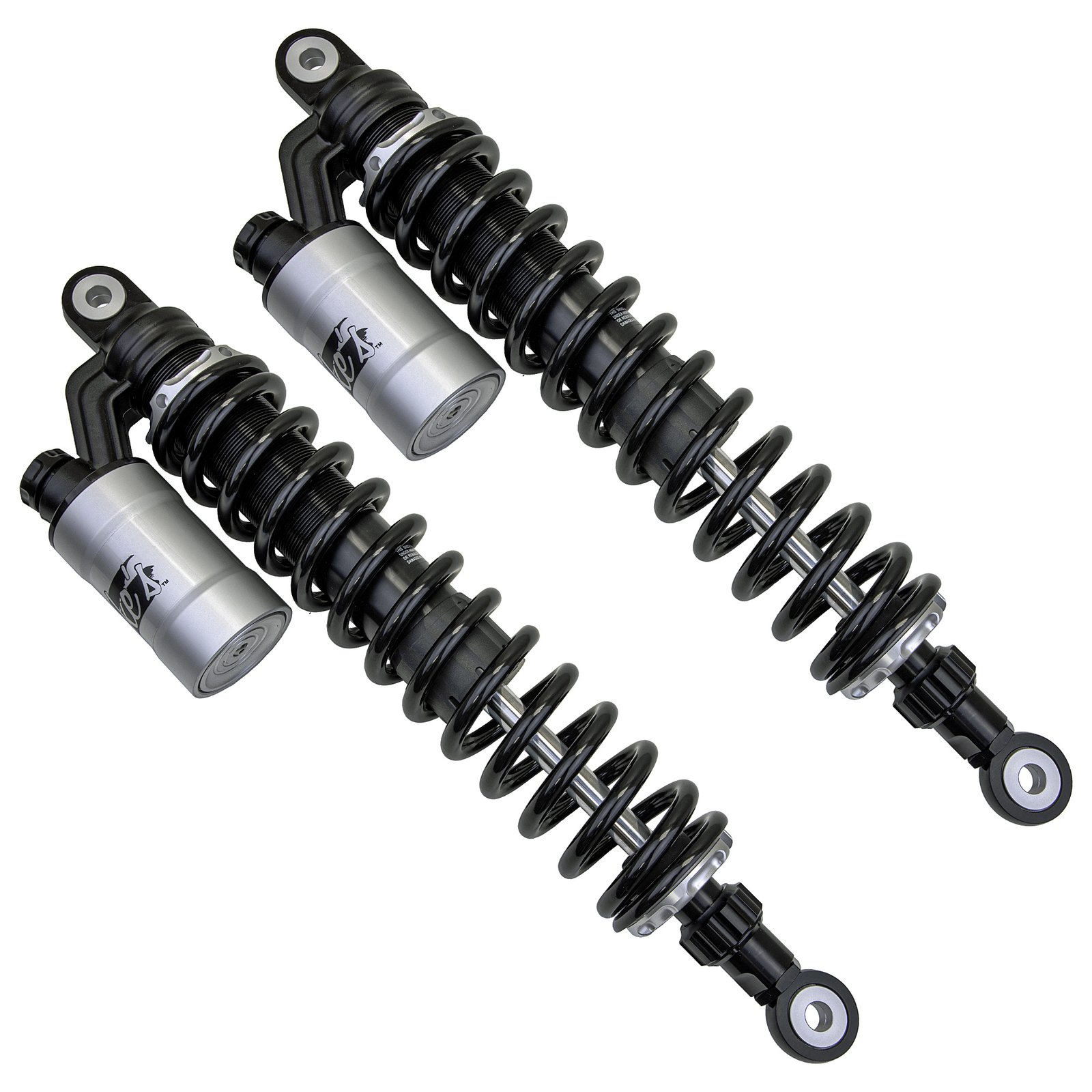
- Stock shocks ride harsh because they use short travel and basic hydraulic damping tuned for cost, not comfort.
- Upgraded gas-charged or adjustable shocks add controlled damping, which is what actually smooths bumps and body roll.
- The biggest gains show on lifted, loaded, or off-road carts, or to rescue a ride a lift made worse.
- On a light, stock cart that already rides fine, the benefit is smaller and springs may matter more than shocks.
Quick verdict: A golf cart shock upgrade is worth it if your cart rides harshly, carries heavy loads, or runs rough terrain, quality gas shocks and heavier-duty springs noticeably improve comfort and control for a modest cost. It is less worth it on a stock cart that already rides fine on smooth surfaces. The biggest gains come on lifted carts, loaded carts, and off-road use, where stock shocks are most overwhelmed.
01 : What A Shock Upgrade Does And Costs
Why can a stock cart feel harsh even when the shocks are not leaking? On many golf carts the leaf spring carries the weight and the shock is only a hydraulic damper. The damper slows the spring after a bump. A stiff or overloaded spring can still hit hard, while a worn damper lets the cart keep bouncing. Replacing only the shock cannot cure a sagging leaf spring, a seized bushing, an overinflated tire, or a lift kit that changed the shock angle.
| Upgrade type | What it changes | Published example | Typical parts tier |
|---|---|---|---|
| Fixed hydraulic replacement | Restores damping without changing spring rate or ride height. | The Club Car DS replacement sold under item 5021 measures 10 3/8 inches open and 8 inches closed, a 2 3/8-inch eye-to-eye change. | About $30 to $90 per pair for basic replacements. |
| Gas-charged damper | Gas pressure helps limit oil aeration and keeps damping more consistent over repeated bumps. | Jake’s external-reservoir pair is nitrogen charged and lists 17 3/8 to 17 1/2 inches hole to hole for its long-travel application. | About $150 to $500 per pair depending on fitment and adjustability. |
| Adjustable coilover | Combines spring and damper. Preload or mounting position can change ride height and initial spring force, while some systems also adjust damping. | Jake’s TXT long-travel manual shows nine mounting locations and four shock settings. Outside holes are stiffer and inside holes are softer. | Usually part of a $1,000-plus long-travel kit, not a universal bolt-on shock. |
| Heavy-duty spring plus damper | Raises load capacity and controls the extra stored spring energy. | GTW recommends a separate heavy-duty rear leaf spring for loaded double A-arm builds. | About $150 to $450 for springs and matched dampers. |
Most golf-cart shock listings do not publish damping force, spring rate, or internal stroke. Do not invent those numbers. Measure the current shock eye to eye at ride height, full droop, and safe compression, record the mount style and bolt diameter, and use a kit made for the exact cart and lift. The lift-kit ride-quality guide explains how geometry and tire setup interact with damping.
02 : What Cart Owners Actually Say
The carts that show the biggest improvement are easy to identify. A rear-seat cart that sags needs spring capacity first; the EZGO rear-seat spring installation guide covers one common load-carrying fix. A lifted cart that tops out a short stock shock needs the correct extended and compressed length. A trail cart that feels controlled over one bump but fades over repeated washboard can benefit from a gas-charged or reservoir damper. A stock two-passenger cart on smooth pavement often needs only fresh bushings, correct tire pressure, or factory-style replacement shocks.
Use the bounce test as a screen, not a final diagnosis. Push one corner down and release it. More than one uncontrolled rebound suggests weak damping. Oil wetness on the shock body, a bent rod, damaged eye bushing, or a metallic top-out clunk is stronger evidence. If the cart sits low before the test starts, inspect the springs and shackles before buying shocks.
03 : The Honest Trade-Offs
| Symptom | Most likely high-value fix | Upgrade to avoid |
|---|---|---|
| Bounces several times after a bump | Correct-length replacement damper. | Stiffer spring alone, which can add bounce energy. |
| Rear sags with passengers | Load-rated rear leaf springs, then matched dampers. | Gas shocks sold as a ride-height cure. |
| Lifted cart clunks at full droop | Shock with verified extended length and mount clearance. | Universal shock chosen only by brand. |
| Harsh on small pavement cracks | Check tire pressure, bushings, spring friction, and shock valving. | Maximum-preload coilover setting. |
| Repeated rough trail use | Gas-charged or reservoir system with published fitment. | Stock-length damper on a long-travel suspension. |
Adjustability is useful only when the owner will tune it. Start soft, drive the same route, and add one step at a time until the cart stops floating or bottoming. Too much compression damping makes the tire skip over sharp bumps. Too much spring preload raises the cart but reduces droop and can make the first part of the ride harsher.
04 : Is A Shock Upgrade Worth It For You?
Worth it for a lifted, loaded, or rough-terrain cart when the failure mode is actually damping or shock length. A fixed replacement is the cost-effective answer for a worn stock cart. A gas-charged adjustable setup earns its price on repeated rough use. A coilover or reservoir system makes sense when it is part of a matched long-travel design.
Skip the premium shock if the cart sits level, returns after one bounce, has no leaks or bushing play, and spends its life on smooth pavement. Put that money into tires, bushings, springs, alignment, or a higher-value item from the best golf-cart accessories guide if those better match the actual need.
05 : The Bottom Line On A Shock Upgrade
A shock upgrade is an affordable, worthwhile improvement for carts that ask a lot of their suspension, lifted, loaded, or off-road, delivering a more composed, controlled ride and far less bottoming-out. For a stock cart that already rides fine on smooth ground, the gain is smaller and easier to skip. Match the shocks and springs to your actual load and terrain (heavier for loaded/off-road, moderate for street), and a shock upgrade quietly makes the cart nicer to drive without the cost or trade-offs of bigger mods.
Worth it for lifted, loaded, or off-road carts, where upgraded shocks and springs deliver real comfort and control for a modest cost and can rescue a ride a lift harmed. Skip it on a light, stock cart that already rides well, the gain there is small.
Frequently Asked Questions
Is a golf cart shock upgrade worth it?
Yes for lifted, loaded, or off-road carts, upgraded shocks and springs deliver real comfort and control gains for a modest cost, and can restore a ride harmed by a lift. On a stock cart that already rides well, the benefit is smaller.
Do I need new springs with new shocks?
For carrying passengers or cargo, heavier-duty springs help prevent sagging and bottoming and pair well with upgraded shocks. For light, unloaded use, shocks alone may be enough, overly stiff springs can firm the ride.
What is the difference between shocks and springs on a golf cart?
Springs carry the weight and set ride height; shocks control how fast the springs move, which is what actually damps bumps and body roll. Upgrading shocks smooths the ride, while heavier springs mainly help with sag under load.
Will upgraded shocks fix a harsh lifted cart?
Often yes. A lift can leave the stock shocks working at the wrong angle and travel, which rides harsh. Matched upgraded shocks (and sometimes springs) tuned for the lift usually restore a controlled, comfortable ride.