RoyPow Golf Cart Battery Review: Honest 2026 Verdict
RoyPow is the lithium pack many carts ship with from the factory: strong power delivery, a built-in low self-discharge, and IP67 protection, set against a shorter 5-year warranty. Here is the honest review with the verified specs.
- RoyPow is an OEM-grade LiFePO4 brand with clear 36V, 48V, and 72V families and IP67 cases.
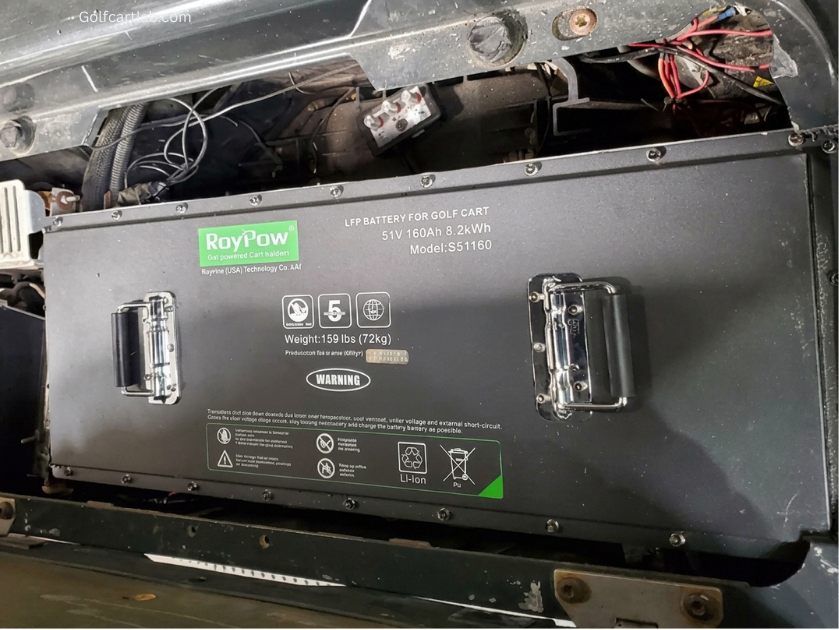
- The verified S51160 is 51.2V, 160Ah, 8.19kWh, 159 lb, 100A continuous, 200A for 10 seconds, but its page is now marked stopped.
- Its 100A continuous limit is lower than some 200A to 250A rivals, so match the pack to the controller’s real draw.
- The 5-year full-replacement warranty is shorter than some competitors; confirm the written terms for your exact SKU and region.
RoyPow is one of the lithium brands several cart makers install at the factory, so a lot of owners meet it as the pack already in their cart. This review is built around the current manufacturer catalog, not one generic 48V label, because RoyPow covers several capacities and two very different buying situations: a like-for-like replacement in an existing factory-integrated pack, or a full conversion with charger, display, tray, and communication parts.
Quick verdict: RoyPow is a credible, well-documented lithium choice with strong 36V, 48V, and 72V coverage. The S51160 delivers a large 8.19kWh energy reserve and IP67 protection, but it is heavy for lithium and its current product page marks it stopped. A current L-series or P-series quote can still be a smart buy when the dealer documents the exact SKU, charger, display, fitment, and regional warranty.
What the RoyPow Pack Offers and Costs
RoyPow markets 48V packs by cart-system class, while the cells are 51.2V nominal. That distinction matters because energy and charger voltage are calculated from the nominal lithium voltage. The official S51160 page lists a 40V to 57.6V discharge range, 100A continuous output, and 200A for 10 seconds. A controller that can demand more than 100A continuously needs a higher-output RoyPow model or a controller limit that stays inside the battery rating.
| RoyPow model | Voltage and capacity | Stored energy | Weight and case | Published output |
|---|---|---|---|---|
| S38100L | 38.4V, 100Ah | 3.84kWh | 94.8 lb, IP67 | Use current data sheet for controller sizing |
| S51100L | 51.2V, 100Ah | 5.12kWh | 110.23 lb, IP67 | Use current data sheet for controller sizing |
| S51160 | 51.2V, 160Ah | 8.19kWh | 159 lb, steel case, IP67 | 100A continuous, 200A for 10 seconds |
| S72100P-B | 76.8V, 100Ah | 7.68kWh | 147.71 lb, IP67 | Use the P-series sheet and integration guide |
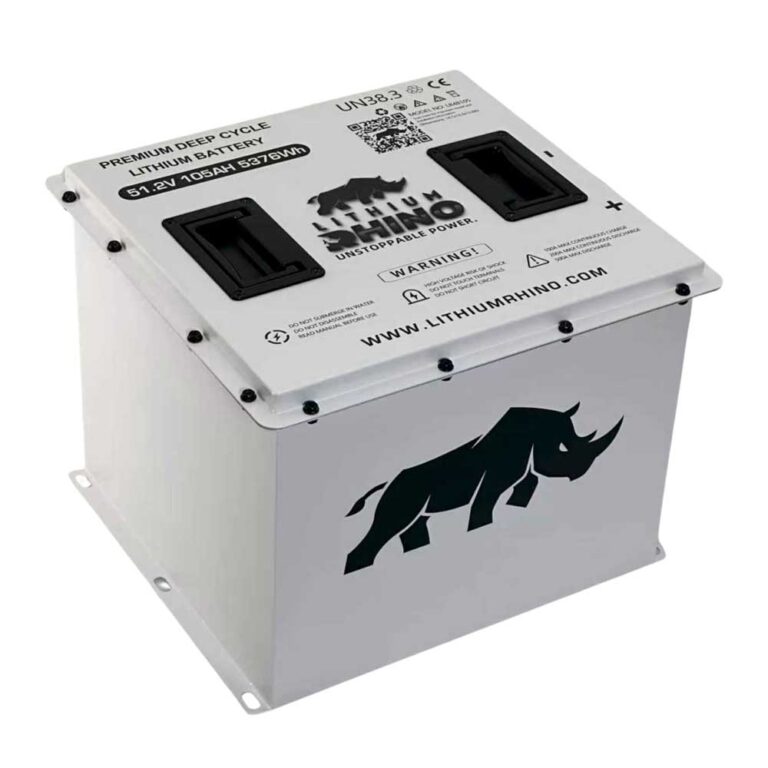
The 2025 RoyPow brochure also lists S5165L at 51.2V and 65Ah, S51150L at 51.2V and 150Ah, and 72V-class choices for higher-voltage carts. The S51160 itself is marked stopped on the current product page, so treat it as a verified reference model, not the current dealer recommendation.
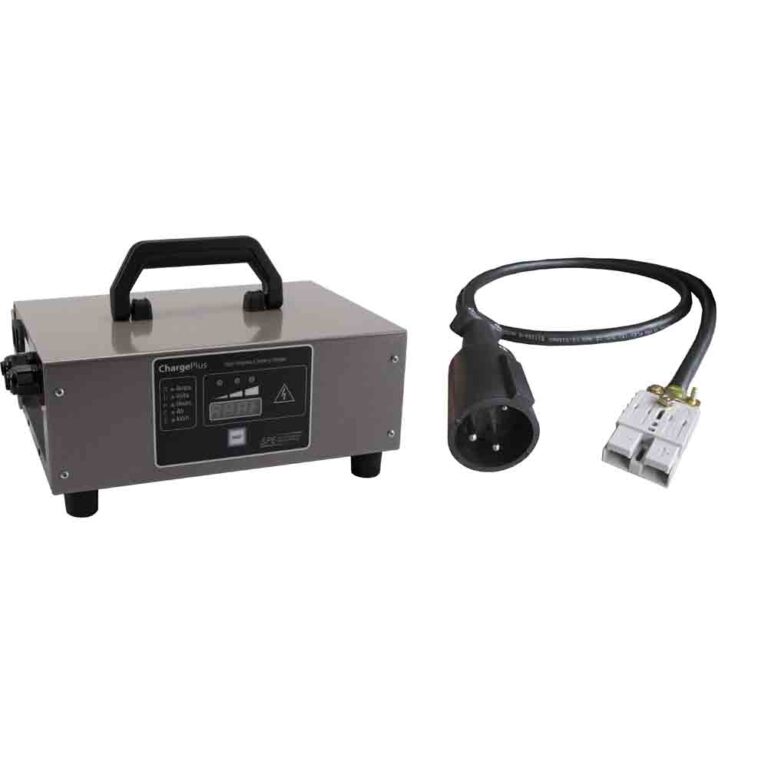
RoyPow uses quote-based dealer sales for these packs, and no reliable public U.S. street price for the current S51160 equivalent is published, so assigning one would be guesswork. Ask for a written line-item quote covering the battery, matched charger, state-of-charge display, DC-to-DC converter, tray, charge-port harness, labor, freight, and tax. That creates an honest comparison with the complete kits in the best lithium battery guide.
BMS, Storage, and Accessory Power
The battery management system, or BMS, watches cell voltage, pack current, and temperature, and it can interrupt output when a limit is reached. That protects the cells but can make a cart stop abruptly if the battery is undersized for the controller. RoyPow’s brochure describes multiple built-in protections and a state-of-charge meter with Bluetooth on supported models, and the S51160 page lists charge operation from 32F to 131F and discharge from -4F to 131F.
RoyPow’s current brochure says the L series can sit fully charged in storage for more than one year, while the broader line has model-dependent power-saving behavior. Storage advice must still come from the exact pack manual: turn off or isolate parasitic loads, follow the prescribed state of charge, and check the battery at the manual’s interval rather than leaving the cart on a lead-acid maintainer.
No current S51160 specification table publishes a rated built-in 12V accessory output. Do not connect lights or audio to an unverified auxiliary pin. Use a properly sized, fused DC-to-DC converter unless the data sheet for the exact serial-numbered battery gives an output voltage and current rating. That also keeps accessory draw off a communication or wake-up circuit.
What Ownership Looks Like
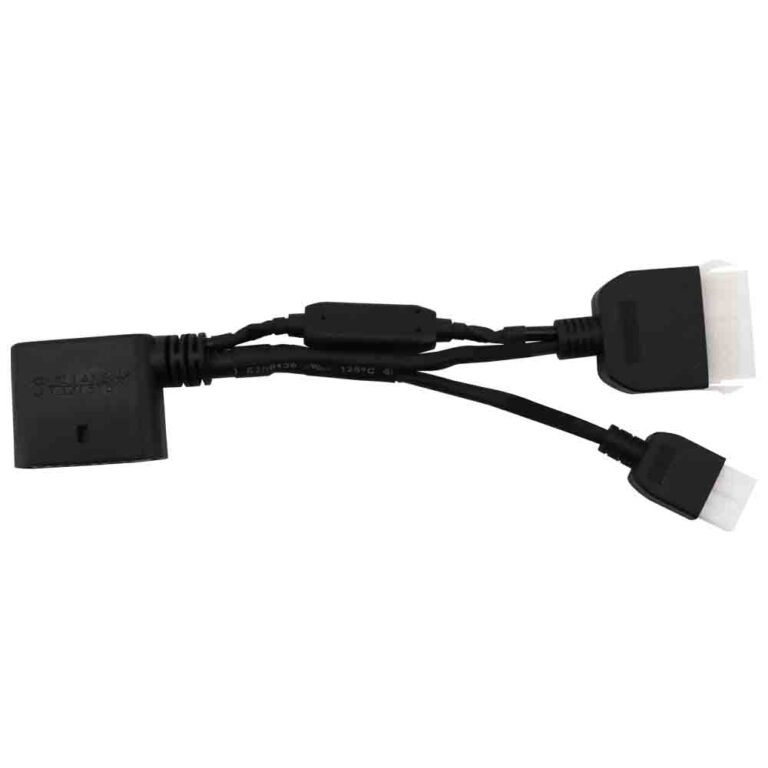
The best part of a dealer-installed RoyPow system is integration. On a factory RoyPow cart, replacing like for like can retain the charger, display, communications, mounting points, and service workflow. On a conversion, that convenience exists only when the quote includes the correct pieces, because a bare battery of the right voltage can still have the wrong connector, CAN communication, charger profile, or mounting footprint.
Range claims need context. RoyPow lists 60 to 70 miles as typical for the S51160 and 40 to 50 miles for the S51100L in its brochure, but passenger load, tire diameter, tire pressure, hills, speed, temperature, controller current, and accessory use can move the result sharply. Stored energy is the better cross-brand comparison: 8.19kWh is roughly 60 percent more energy than a 5.12kWh 100Ah pack before real-world losses.
Forum reports can help identify service patterns, but they cannot replace a serial-specific warranty or data sheet. Owners comparing lifetime cost should use the lead-acid versus lithium cost analysis and the broader lithium value guide.
The Honest RoyPow Trade-offs
- Strength: clear 36V, 48V, and 72V families, published energy and current values, IP67 cases, and model-specific chargers.
- Strength: dealer support and factory integration make a replacement much cleaner than adapting a universal pack.
- Trade-off: the S51160 weighs 159 lb, so it is not the lightest 48V conversion even though it drops a lot of lead-acid weight.
- Trade-off: the stopped S51160 page and evolving L-series catalog make exact SKU confirmation essential.
- Trade-off: the published S51160 100A continuous limit is lower than some current 200A to 250A competitors.
Warranty and Who Should Buy
RoyPow’s July 2025 golf-cart brochure states a 5-year full-replacement warranty and says RoyPow provides a full replacement when a battery cannot be repaired. RoyPow’s 2025 PGA announcement uses the same language. Some newer regional product pages advertise different terms for selected L-series models, so the written warranty supplied with the exact model and region controls. Get the serial, warranty document, dealer identity, labor policy, and freight responsibility in writing before payment.
Buy RoyPow if the cart already uses RoyPow, a local service dealer supports the exact model, or the quote includes the complete matched system at a competitive installed price. Compare alternatives if the cart has a high-amp controller that exceeds the selected pack’s continuous output, the quote leaves out conversion hardware, or warranty length is the top priority.
For a stock or moderately upgraded cart, a current 100Ah to 105Ah RoyPow can be a sound fit when its continuous current is adequate. The S51160 makes more sense for long routes and heavy range demand than for a short neighborhood loop. Before adding energy that will not be used, compare other changes in the golf cart upgrades guide.
RoyPow earns a positive verdict for engineering transparency, broad voltage coverage, and dealer integration. The verified S51160 specification is 51.2V, 160Ah, 8.19kWh, 159 lb, IP67, 100A continuous, and 200A for 10 seconds. Its page is now marked stopped and no official 12V accessory-output rating appears there, so the best RoyPow purchase in 2026 is the current dealer-supported equivalent whose written specs match the cart, not an old model name chosen from memory.
Frequently Asked Questions
Is RoyPow a good golf cart battery?
Yes. RoyPow is an OEM-grade LiFePO4 brand used by several cart makers as factory equipment, with clear 36V, 48V, and 72V families, published energy and current values, and IP67 cases. Its main trade-offs are a 5-year warranty that is shorter than some rivals and a documented continuous-output limit on some models that a high-amp controller can exceed.
What is the warranty on a RoyPow golf cart battery?
RoyPow’s July 2025 golf-cart brochure states a 5-year full-replacement warranty, providing a full replacement when a battery cannot be repaired. Some newer regional product pages advertise different terms for selected L-series models, so the written warranty supplied with the exact model and sales region controls. Get the serial, warranty document, dealer identity, labor policy, and freight terms in writing before you pay.
What are the specs of the RoyPow S51160?
The verified S51160 is a 51.2V, 160Ah, 8.19kWh pack weighing about 159 lb in a steel IP67 case, with a 40V to 57.6V discharge range, 100A continuous output, and 200A for 10 seconds. Its product page is now marked stopped, so treat it as a verified reference model and buy the current dealer-supported equivalent whose written specs match the cart.
Can I run 12V accessories off a RoyPow pack?
Not from an unverified pin. No current S51160 specification table publishes a rated built-in 12V accessory output, so use a correctly sized, fused DC-to-DC converter unless your exact pack’s data sheet gives an auxiliary output voltage and current rating. That keeps accessory draw off the battery’s communication or wake-up circuit.