Golf Cart Battery Brands Ranked: Honest 2026 Guide
No single brand wins outright. The best pack depends on your priority, so here are the top golf cart battery brands ranked honestly by build, BMS, warranty terms, support, and real price.
- No brand wins outright: Eco leads on integration, Allied on premium modular capacity, Dakota on discharge and defect coverage, RoyPow on dealer value, Trojan on lead-acid and a strong new OnePack line.
- Compare stored energy in kWh (voltage x Ah / 1000), not amp-hours, and check the BMS continuous-current rating against your controller.
- Warranty headlines mislead. Read the registration deadline, the no-charge years, and the proration schedule before comparing terms.
- The right pack is the one whose voltage, continuous output, charger, tray, and written warranty all match one specific serial-numbered cart.
With so many golf cart battery brands competing now, the best choice comes down to what you value most: integration, warranty terms, discharge strength, or lowest cost. A useful ranking compares the pack you can actually order today, judged by voltage, usable energy, discharge capability, registration terms, public pricing, and support, not a brand’s oldest warranty headline.
Quick verdict: Eco Battery is the strongest all-around choice when a model-specific Gen3 bundle and dealer support matter. Allied’s current RS line is the premium modular pick. Dakota offers an unusually long manufacturer-defect term and high-output single packs. RoyPow remains a proven value option when a local dealer quotes the exact SKU. Trojan is the safest recommendation for buyers staying with lead-acid, and its OnePack line is now a serious lithium alternative.
How These Brands Are Ranked
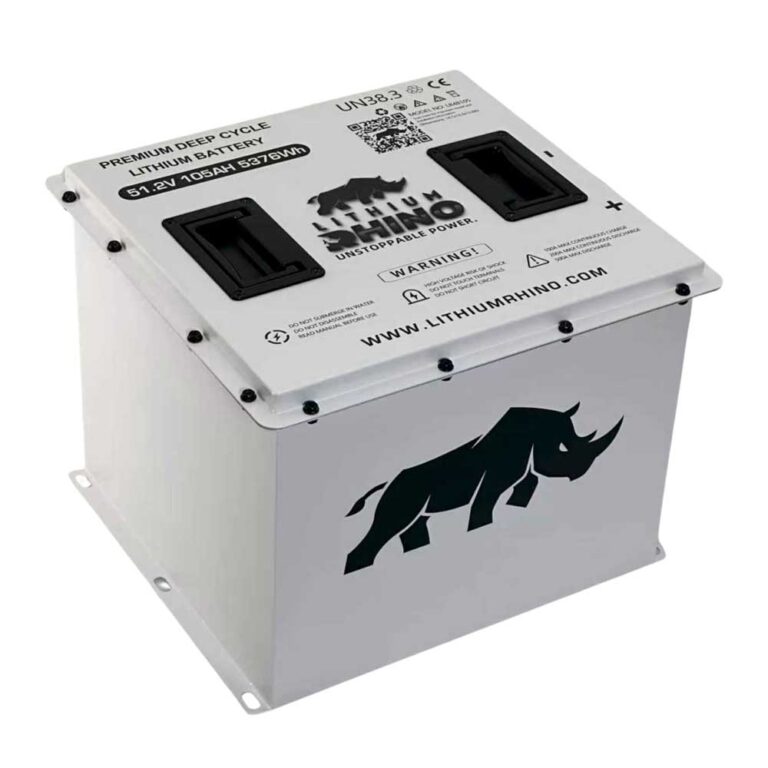
Nominal voltage comes first. A pack marketed as 48V lithium is normally 51.2V nominal, while a 48V lead-acid pack is six 8V batteries in series. Amp-hours show capacity, not hill-climbing strength. Energy in kilowatt-hours is nominal voltage multiplied by amp-hours and divided by 1,000. A 51.2V 105Ah battery stores about 5.38kWh, but its BMS current rating still decides whether a 400A controller can pull hard without tripping protection.
Warranty length also needs terms. Registration deadlines, original-owner limits, full-replacement years, proration, authorized-dealer rules, and shipping costs all change the real value. The figures below are current public examples from each maker’s own store where available, checked in July 2026. A quote-only product is labeled that way rather than assigned an invented street price.
Verified Brand Comparison
| Brand and example | Nominal pack options | Current warranty terms | Price note |
|---|---|---|---|
| Eco Battery Gen3 Skinny | 51.2V, 105Ah, about 5.38kWh. Also 38.4V and 70V to 76V platform bundles. | Gen3 limited lifetime. Register within 60 days or coverage defaults to one year. Authorized dealer and proof of purchase required. Non-transferable. | Sold as a bare pack or as a cart-specific bundle; dealer-quoted by platform. |
| Allied RS Commercial | 38.4V, 51.2V, and 76.8V families. RS 48V choices include 105Ah and larger. | RS bought March 2026 or later: 10 years, first 3 years no-charge repair or replacement, years 4 to 10 prorated, register within 60 days. Non-RS 105Ah or larger: 8 years, monthly prorated, 30-day registration. | Current RS packages are configuration-priced; get a written kit quote. |
| Dakota Lithium 48V 105Ah | 48V marketed, 5.12kWh for the current single pack. Also 36V and 72V options. | 11-year manufacturer-defect warranty allowing credit, repair, or replacement, non-transferable, and excluding an undersized battery used beyond its current rating. | Premium tier; single-pack format sold direct and through dealers. |
| RoyPow S51160 and L series | 38.4V, 51.2V, and 76.8V families. The S51160 is 51.2V, 160Ah, 8.19kWh. | The July 2025 golf-cart brochure states 5 years of full replacement when a battery cannot be repaired. Some regional pages show different terms, so match the written warranty to the SKU and region. | Dealer quote-based; the S51160 page is quote-only. |
| Trojan OnePack S2 or flooded | OnePack in 36V, 48V (105Ah and 171Ah), and 72V. Also 6V, 8V, and 12V flooded lead-acid. | Eligible OnePacks from an authorized dealer on or after August 2025 get 10 years when registered within 90 days: years 1 to 5 no-charge replacement, later years purchase credit. Unregistered base coverage is one year, non-transferable. | Dealer pricing; flooded set cost varies by case size, core, and freight. |
Honest Notes on Each Brand
Eco Battery: The case for Eco is system integration. Current cart-specific bundles list the battery, CAN charger, display or adapter, mounting tray, charge-port parts, and wake-up hardware by platform. That costs more than a bare pack but removes compatibility guesswork. Confirm whether the quoted battery is Gen2 or Gen3, because the warranty changes from 8 years to limited lifetime. See the full Eco Battery review.
Allied: Allied suits unusual trays and owners who want modular or high-capacity choices. The current RS 10-year term is strong, but years 4 through 10 are prorated and the pack must use an Allied charger to stay inside the published terms. The non-RS 105Ah warranty remains 8 years. See the Allied lithium review.
Dakota Lithium: Dakota’s 11-year policy is a manufacturer-defect warranty, not an automatic new battery after normal capacity loss. Its current 48V 105Ah page lists 250A continuous output and 600A peak, so it is the clearest fit here for buyers sizing around a demanding controller. The premium price makes sense only if that output and the sealed single-pack format are useful. See the Dakota Lithium review.
RoyPow: RoyPow’s advantage is a broad 36V, 48V, and 72V catalog plus dealer-installed packages. Its published S51160 numbers are excellent for range, but that model is marked stopped on the current page, so buyers should use the current equivalent SKU rather than an old listing on the S51160 name alone. The full RoyPow battery review covers the current specifications.
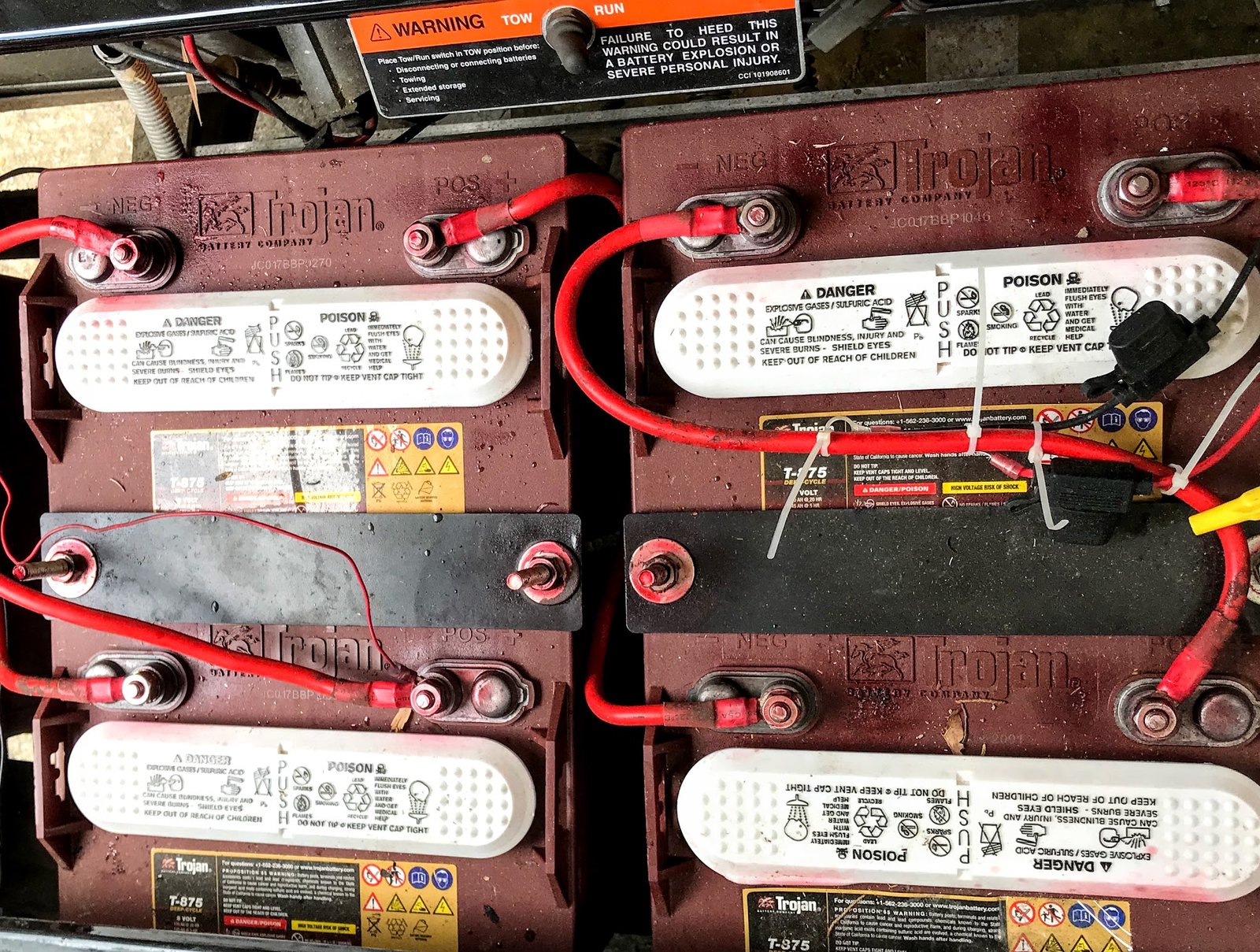
Trojan: Trojan remains the reference brand for maintainable flooded deep-cycle batteries, and the OnePack S2 now pairs a 105Ah pack with a published 180A continuous rating and a detailed 10-year warranty. A local dealer quote should separate the battery, charger, tray, labor, and any disposal or core charges.
Which Battery Brand Is Right for You?
- Stock two-passenger cart: choose a 60Ah to 105Ah system only after confirming controller draw and route length.
- Lifted cart, rear seat, hills, or performance controller: compare continuous BMS current before range or peak current.
- Cold-weather use: verify the exact pack’s low-temperature charge protection and heater behavior; a generic brand claim is not enough.
- Long ownership: compare the no-charge period and proration schedule, not the headline number alone.
- Lowest initial cost: a maintained Trojan flooded set can still be rational once watering, charger condition, and replacement labor are included.
Capacity and chemistry comparisons are covered in the best lithium battery guide and the lithium versus lead-acid comparison. Before spending on extra capacity, weigh it against other changes in the golf cart upgrades guide.
The ranking changes with the cart. Eco is the easiest integrated system to specify, Allied RS offers flexible premium capacity, Dakota is compelling for high discharge and a long defect term, RoyPow is a sound dealer-supplied value pick, and Trojan covers both the proven lead-acid route and a competitive OnePack lithium line. The right purchase is the pack whose nominal voltage, continuous output, charger, tray, and written warranty all match one specific serial-numbered cart. For the cart in your garage, the Lithium Battery Bundle Finder lists the packs that fit it.
Frequently Asked Questions
What is the best golf cart battery brand?
It depends on the cart and the priority. Eco Battery is the easiest integrated system to specify, Allied RS is the flexible premium pick, Dakota Lithium suits high-discharge builds and long defect coverage, RoyPow is a sound dealer-supplied value option, and Trojan covers both proven lead-acid and a competitive OnePack lithium line. The right choice is the pack whose voltage, continuous output, charger, tray, and written warranty all match one specific cart.
Which golf cart battery brand has the longest warranty?
Dakota Lithium publishes an 11-year term, but it is a manufacturer-defect warranty, not a promise of a free replacement after ordinary capacity loss. Allied RS and Trojan OnePack both offer 10-year terms with no-charge early years and proration later, and Eco Gen3 is a registered limited-lifetime warranty. Always read the registration deadline, the no-charge period, and the proration schedule, not just the headline number.
Is lithium or lead-acid better for a golf cart?
Lithium removes watering, sulfation, and most maintenance, holds voltage better under load, and stores well over winter, which is why most new buyers choose it. A well-maintained Trojan flooded set can still be the lower initial cost. The deciding factors are how the cart is used, how long it will be owned, and whether the controller’s current draw stays inside the pack’s continuous rating.
How do I compare battery capacity between brands?
Use stored energy in kilowatt-hours, which is nominal voltage times amp-hours divided by 1,000. A 51.2V 105Ah pack stores about 5.38kWh. Amp-hours alone do not show hill-climbing strength, because the BMS continuous-current rating decides whether a high-amp controller can pull hard without tripping protection.