Lithium vs Lead Acid Golf Cart Battery
Lithium wins on usable energy, weight, charge speed, and maintenance, while flooded lead-acid still wins on entry price and field service familiarity. This comparison keeps every number tied to a named pack and depth-of-discharge basis.

- lithium is the better operating battery for most frequently used carts; flooded lead-acid is the lower-cost entry choice.
- Weight reduction is the immediate difference.
- Cost per cycle is only meaningful with the same test basis.
- Buy lithium: frequent driving, hills, rear seats, high annual energy use, limited maintenance access, or a need for consistent speed through discharge.
Lithium wins on usable energy, weight, charge speed, and maintenance, while flooded lead-acid still wins on entry price and field service familiarity. This comparison keeps every number tied to a named pack and depth-of-discharge basis.
The Core Differences Between Lithium and Lead-Acid
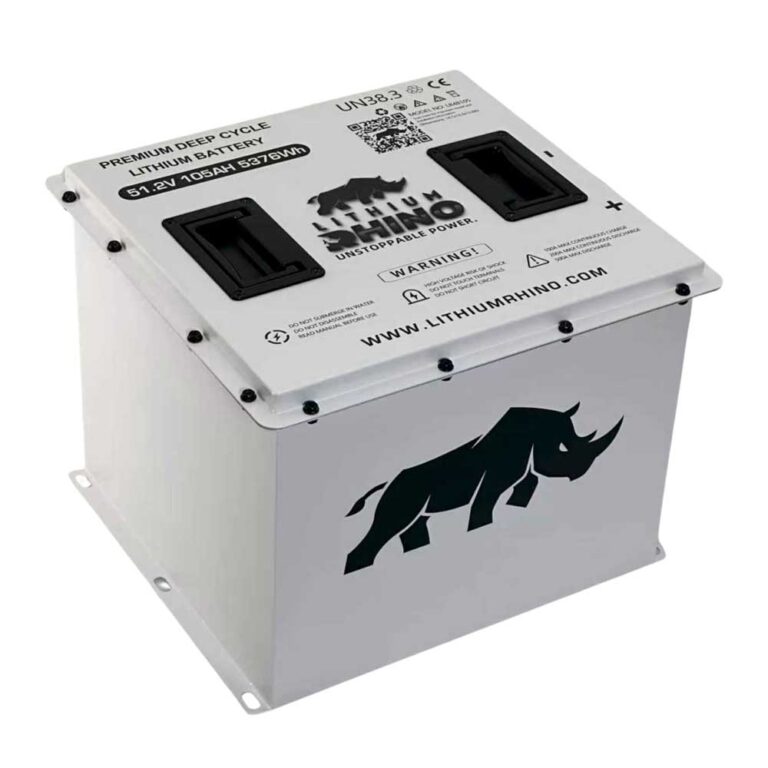
Direct answer: lithium is the better operating battery for most frequently used carts; flooded lead-acid is the lower-cost entry choice. The comparison must use named packs. Six Trojan T-875 batteries make a 48V 170Ah flooded pack, while an Eco Gen3 51.2V 105Ah pack is a current lithium reference.
| Measure | Six Trojan T-875 flooded | Eco Gen3 51.2V 105Ah LiFePO4 |
|---|---|---|
| Nominal stored energy | 48V x 170Ah = 8.16kWh at the 20-hour rate | 51.2V x 105Ah = 5.376kWh |
| Practical planned use | About 50 percent depth of discharge for conservative cycle life: roughly 4.08kWh before rate losses | About 80 percent depth of discharge: roughly 4.30kWh |
| Battery weight | 6 x 63 lb = 378 lb | 98 lb for the thru-hole pack |
| Maintenance | Water, clean, torque, recharge, and equalize only when indicated | No watering; inspect mounts and connections; BMS manages protection |
| Voltage under load | More sag as current and discharge increase | Flatter output until near BMS low-voltage cutoff |
The flooded pack has a larger nominal kWh number but cannot be treated as 8.16kWh of equally usable cart energy. Its C20 rating is measured slowly, capacity falls at high discharge current, and repeated deep discharge shortens life. Lithium delivers a larger share of its nameplate energy with less sag.
What Real Owners Report After Switching
Weight reduction is the immediate difference. Removing about 280 lb from the battery compartment can improve acceleration and reduce energy used to move the cart. It can also change rear ride height and traction, so springs, tire pressure, and alignment still matter. Lithium does not create horsepower; it lets the existing system receive steadier voltage within BMS limits.
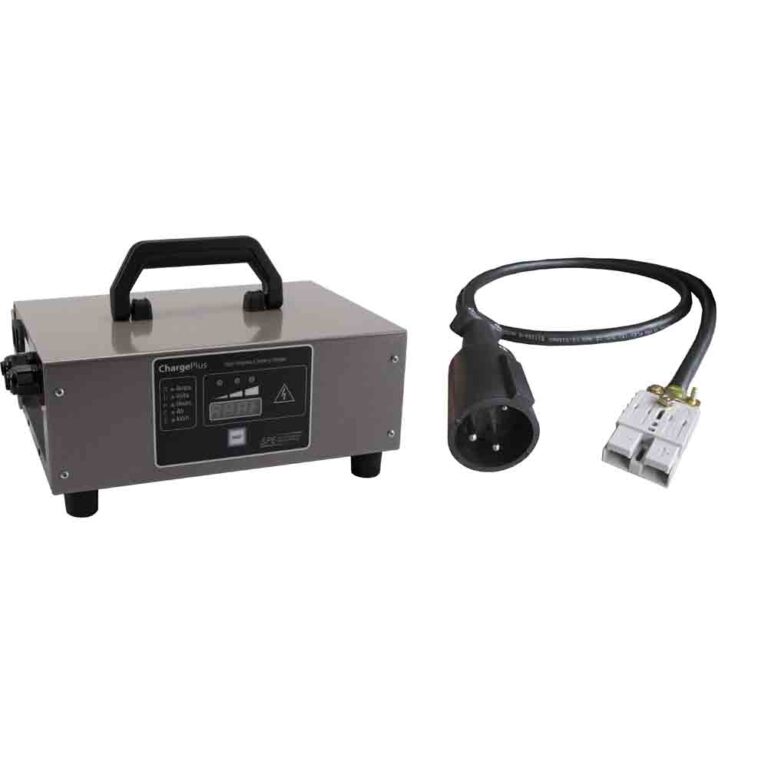
Charge time depends on charger current. A 105Ah lithium pack on a 19A charger has a simple 5.5-hour capacity-to-current estimate before taper and losses. A flooded 170Ah pack on a 15A charger calculates to more than 11 hours before inefficiency and absorption. Real time depends on starting state of charge and the exact charger profile.
Owners who dislike monthly battery access get the most value from lithium. Owners who drive only a few gentle miles and already own a healthy flooded pack may not recover the conversion cost quickly. The detailed ownership math is in the lead-acid versus lithium ROI analysis.
The Honest Trade-offs of Each Chemistry
| Decision factor | Lithium advantage | Lead-acid advantage |
|---|---|---|
| Usable energy | Deeper routine discharge and less rate loss. | Larger nameplate Ah can be inexpensive, but usable share is smaller. |
| Cycle claims | Dakota publishes 3,000 cycles at 100 percent DOD and at least 6,000 at 80 percent DOD to 80 percent capacity for its named 105Ah pack. | Cycle life varies sharply with DOD; current T-875 product page does not publish one comparable cart-cycle number. |
| Cold | Can discharge below freezing when the model permits. | Can accept charge below freezing at reduced performance; no lithium charge cutoff. |
| Failure behavior | BMS can make an abrupt protective cutoff. | Performance usually fades through sag and reduced capacity. |
| Service | Low routine maintenance, proprietary electronics. | Cells are directly testable with voltage and hydrometer on flooded models. |
Cost per cycle is only meaningful with the same test basis. Example: a $2,528 lithium bundle divided by a published 3,000-cycle basis would be $0.84 per cycle for hardware, but that Dakota cycle count and Eco bundle price belong to different products, so combining them would be invalid. For a valid owner calculation, divide the delivered installed cost of the chosen pack by its warranted or documented cycles at the intended DOD, then add charger and replacement costs.
Cold-climate owners should choose a heated lithium pack or warm it before charging. Lead-acid avoids the lithium freeze-charge restriction but loses capacity in the cold and still needs full recharging.
Which Battery Chemistry Should You Buy?
Buy lithium: frequent driving, hills, rear seats, high annual energy use, limited maintenance access, or a need for consistent speed through discharge. Match the BMS continuous current to the controller and use a lithium charger. Start with the best lithium golf-cart battery guide and lithium value guide. The Lithium Battery Bundle Finder then narrows it to the packs that fit your cart.
Buy flooded lead-acid: lowest upfront cost is essential, the cart sees light seasonal duty, local service is built around flooded batteries, and the owner will water and charge correctly. The current Trojan review shows the model choices.
Buy neither yet: an existing pack still passes rested, loaded, and capacity tests. Replacing sound batteries early destroys the return on investment. Rank the conversion beside other work in golf-cart upgrades worth doing.
Parts note: Every lithium bundle we stock includes a lithium charger matched to its pack. See lithium bundles
The Bottom Line on Lithium vs Lead-Acid
Lithium is the stronger operational choice and often the lifetime-value choice for a cart that is genuinely used. Flooded lead-acid remains rational for low purchase price and light duty. State the pack, usable-depth assumption, charger current, cycle endpoint, and installed cost whenever a comparison uses numbers.
Frequently Asked Questions
Is lithium or lead acid better for a golf cart?
Lithium is better on weight, lifespan, maintenance, usable capacity, and performance. Lead-acid is only better on upfront cost. For frequent drivers and long-term owners, lithium usually wins overall; for light, budget-focused users, lead-acid still makes sense.
Is lithium cheaper than lead acid over time?
Often yes, a lithium pack typically lasts 8-10 years and can outlast two or more lead-acid sets, so despite roughly double the upfront price it frequently costs less over the life of the cart.
Reviewed and updated July 30, 2026 by the Golf Cart Lab team.