Carlisle Fairway Pro vs Wanda P5024: Best Turf Tires Reviewed
Replacing bald tires on an unlifted Precedent, TXT, or G29? Here is a spec-honest comparison of the premium Carlisle Fairway Pro against the budget Wanda P5024, with verified catalog data on one side and a clear caution on the other.
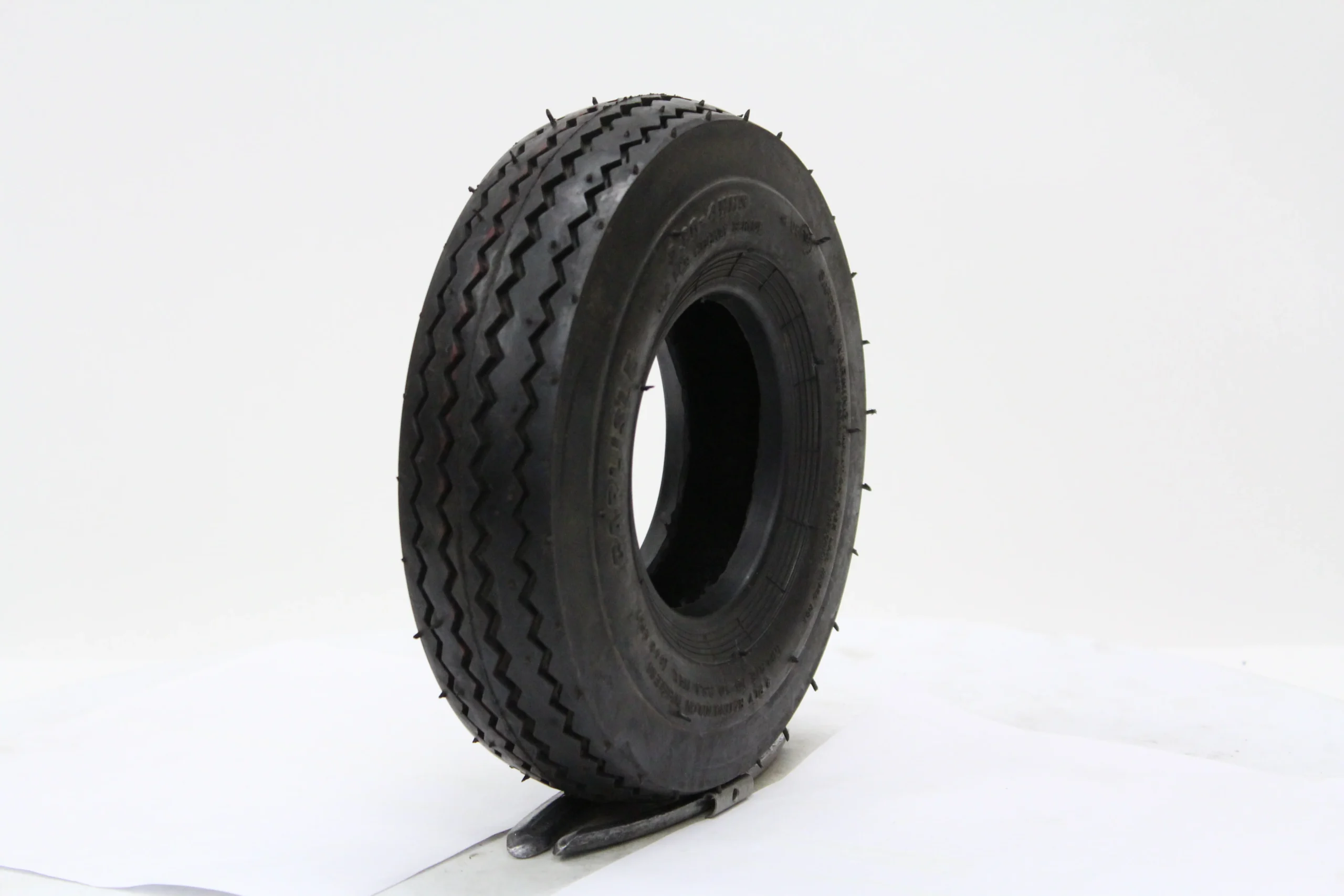
- Both are shopped in the classic 18×8.50-8 size on 8-inch wheels, fitting unlifted EZGO TXT, Club Car Precedent, and Yamaha G29 carts without a lift kit.
- Carlisle Fairway Pro verified spec (Carlstar catalog): 4 ply, product code 5189761, 18.2 in mounted diameter, 8.4 in mounted width, 825 lb max load at 10 mph, 22 psi max, 12.0 lb.
- No public Wanda factory data sheet publishes the P5024 load, ply, and max PSI for this size, so read the sidewall and get the seller SKU sheet rather than assuming Carlisle numbers apply.
- For turf duty, run 18×8.50-8 tires around 12 to 15 psi to broaden the footprint (below the sidewall max) and keep left-to-right pressure matched. Inflation, not brand, is what protects a green.
- The old “Carlisle soft, Wanda hard” durometer claim is not backed by a published spec for either tire. Choose Carlisle for documented data, Wanda for budget when its sidewall spec matches your cart.
The Carlisle Fairway Pro has a verified Carlstar catalog line in 18×8.50-8: 4 ply, product code 5189761, 825 lb max load at 10 mph, and 22 psi max. The Wanda P5024 is a valid budget turf-tire competitor, but there is no public Wanda factory data sheet for its exact 18×8.50-8 load and pressure figures, so its sidewall markings and the seller SKU data are the final check before mounting. That gap in documentation, not brand snobbery, is the honest difference between these two tires.
If your current factory tires wore out bald on just one edge, mounting fresh Carlisles or Wandas will not solve the underlying problem. Sort out toe and steering looseness first, because a new premium tire will still feather quickly on a misaligned cart.
01: The Contenders, Carlisle vs Wanda
Both tires are normally shopped for unlifted golf carts in the classic 18×8.50-8 size on 8-inch wheels. That size is common on the EZGO TXT, Club Car Precedent, Yamaha G29, and similar carts, but always match the sidewall size already on the cart and check fender clearance before changing width or diameter.
Carlisle Fairway Pro
Verified spec: Carlstar lists 18×8.50-8, product code 5189761, 4 ply, 18.2 in mounted diameter, 8.4 in mounted width, 7 in rim width, 825 lb max load at 10 mph, 22 psi max, and 12.0 lb tire weight.
Best use: a known premium golf and park-grass tire when you want documented catalog data and a smoother turf-oriented ride.
Wanda P5024
Verified limitation: retailers such as SimpleTire list the P5024 as a golf-cart tire, but no public Wanda factory sheet publishes the exact 18×8.50-8 load, ply, and max-PSI line.
Best use: budget turf and neighborhood use when the tire sidewall confirms the right size, ply rating, load capacity, and max pressure for your cart.
| Spec Point | Carlisle Fairway Pro | Wanda P5024 |
|---|---|---|
| Size | 18×8.50-8 verified in Carlstar catalog | Commonly sold as 18×8.50-8; confirm sidewall and seller sheet |
| Ply rating | 4 ply verified | Do not assume; check the tire sidewall or seller data for the exact SKU |
| Max load | 825 lb at 10 mph verified | No public Wanda factory sheet found for this exact comparison |
| Max pressure | 22 psi verified | Use the stamped sidewall max; do not copy Carlisle’s 22 psi unless the Wanda says it |
| Published compound data | No durometer number in the public Carlstar catalog | No durometer number in public Wanda material |
02: Finding the Best Turf Tires for the Greens
If you live in a strict golf-cart community, the greenskeeper is the law. To play 18 holes, your tires cannot tear up delicate fairways during sharp turns. Both options use a turf-style, sawtooth-type tread meant to spread load better than aggressive trail lugs. Carlisle’s advantage is that its catalog data is transparent and the tire is explicitly positioned for course or park grass. Wanda’s advantage is value, provided its sidewall spec matches your cart.
Be careful with the old “Carlisle is softer, Wanda is harder” shortcut. It is a useful owner-impression shorthand, but there is no published durometer spec for either tire to back it up. A safer way to put it: Carlisle’s known dimensions and turf positioning make it the safer premium choice for manicured grass, while the Wanda P5024 is commonly treated as a budget mixed-use turf tire. Turn sharply while stopped, run under-inflated, or run too much pressure for turf, and either tire can scuff grass.
The number that actually protects a green is inflation pressure under the cart’s real load. Carlisle publishes a 22 psi maximum for the Fairway Pro, but maximum pressure is not the same as a turf setup. For turf duty, many owners run 18×8.50-8 tires around 12 to 15 psi to broaden the footprint, then add pressure for heavier passengers or more pavement. Stay below the sidewall maximum and keep left-to-right pressure matched so the cart does not pull or scrub.
03: Pavement Performance, Which Lasts Longer?
Not everyone uses a cart strictly for golf. If you use a G29, TXT, or Precedent to cruise asphalt, your priorities shift toward wear, vibration, and range. A turf tire is still non-highway-service rubber, so it is not a DOT street tire for LSV use. For private roads and neighborhood paths, the practical question is whether you want a plusher premium tire or a cheaper tire you do not mind wearing out.
- Wanda’s practical advantage: the budget case is real. If the P5024 costs meaningfully less when you buy, it can be the better value for asphalt-heavy use where any turf tire eventually wears flat.
- Carlisle’s practical advantage: you are buying a catalog-verified product with known load and pressure data, which matters if the cart carries four adults, rear-seat passengers, or cargo.
A turf tire is not directional, so both brands can usually be rotated front to back to even out wear. On rear-drive carts the rear tires scrub faster because they carry acceleration load and often more passenger weight. If the front edges feather quickly, fix toe and steering looseness before blaming the tire.
04: Price and Value
When shopping for the best turf tires, budget is often the deciding factor, but treat any dollar figure as market-typical rather than permanent. Tire prices move with inventory, shipping, mounted-wheel bundles, and whether you buy tire-only or tire-and-wheel assemblies.
A set of Carlisle Fairway Pro tires usually sits above the cheapest Wanda P5024 listings because Carlisle has broader brand recognition and a published Carlstar catalog line. The Wanda often wins when the goal is to refresh a used cart, keep a neighborhood cruiser rolling, or replace tires before selling. Carlisle is easier to justify when you want documented load data, a quiet turf-focused ride, and fewer unknowns about the exact casing spec. If you are weighing whether a tire or wheel change is worth it at all, the golf cart tire size guide covers fitment before you spend.
05: Lab Summary
Declaring the definitive best turf tire comes down to your driving habits and how much uncertainty you will accept. Choose the Carlisle Fairway Pro for the best-documented 18×8.50-8 option in this matchup: 4 ply, 825 lb at 10 mph, 22 psi max, and a published Carlstar product code. Choose the Wanda P5024 if budget matters most and the actual tire sidewall confirms the size, ply, load, and pressure you need.
The honest pivot here is that no public Wanda factory spec sheet was available for the exact P5024 size, which does not make the tire bad. It just means this article will not invent a load index, max load, or max PSI for it. Read the sidewall, ask the seller for the SKU data sheet, and match or exceed the load capacity your cart actually needs.
Assess your terrain and your tolerance for unknowns. Buy Carlisle Fairway Pros for strict golf-course use, heavier loads, and a documented spec; buy Wanda P5024s for budget neighborhood cruising where hot asphalt chews up any turf tire, after confirming the sidewall size, ply, load, and max PSI. Both fit standard 8-inch rims without a lift kit. Set turf pressure around 12 to 15 psi, matched side to side.
Frequently Asked Questions
Carlisle Fairway Pro or Wanda P5024, which turf tire is better?
The Carlisle Fairway Pro is the better-documented choice: Carlstar publishes its 18×8.50-8 spec at 4 ply, 825 lb max load at 10 mph, and 22 psi max. The Wanda P5024 is a real budget alternative, but no public Wanda factory sheet publishes those numbers for this size, so verify its sidewall spec before buying. Choose Carlisle for documented data and course use, Wanda to save money when its sidewall confirms the right load and pressure.
Is the Wanda P5024 a good budget turf tire?
It can be, for unlifted Precedent, TXT, or G29 carts on turf and neighborhood roads, as long as the tire sidewall confirms the size, ply rating, load capacity, and max pressure your cart needs. Because there is no public Wanda factory data sheet for the exact 18×8.50-8 line, treat retailer listings and the stamped sidewall as the final check rather than assuming it matches Carlisle numbers.
Do turf tires protect golf course greens?
Turf tires use a sawtooth-style tread to spread load and reduce tearing, which is why courses require turf-style tires. But the biggest factor is inflation pressure under the cart’s real load. Running around 12 to 15 psi on an 18×8.50-8 turf tire broadens the footprint and protects grass; running near the sidewall maximum shrinks the contact patch and lets the tread dig in on turns.
What size are Carlisle Fairway Pro and Wanda P5024 tires?
Both are commonly sold in 18×8.50-8, which fits the factory 8-inch wheels on an unlifted EZGO TXT, Club Car Precedent, or Yamaha G29 with no lift kit. The Carlisle mounts to about 18.2 inches diameter and 8.4 inches wide per the Carlstar catalog. Always match the size already on your cart and check fender clearance before changing width or diameter.