Easiest Golf Cart Brand to Maintain
A cart that is cheap to buy but a nightmare to service is no bargain. The easiest golf cart brand to maintain comes down to parts availability, drivetrain simplicity, and how forgiving the design is when something wears out.
01 : Electric vs. Gas: The Biggest Factor
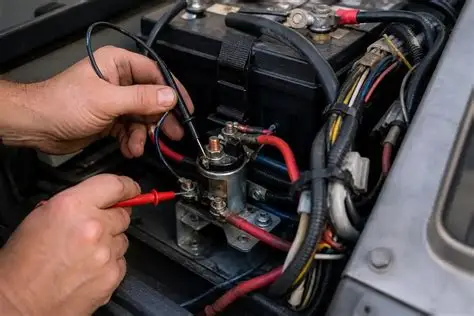
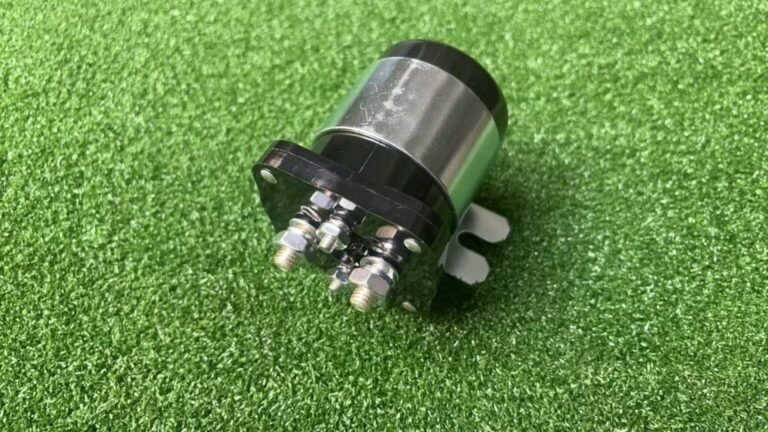
Before brand, decide on powertrain. Electric carts have no oil changes, no spark plugs, no carburetor, and far fewer moving parts. Maintenance is mostly batteries, connections, and the occasional controller or solenoid.
Gas carts deliver longer range and quick refueling but demand engine upkeep, oil, filters, valves, and fuel-system cleaning. If “easiest to maintain” is your top priority, an electric cart from any reputable brand wins before you even pick a logo.
02 : Why E-Z-GO Is the Easiest
E-Z-GO’s TXT platform is arguably the most serviced cart on earth. That ubiquity means parts are cheap and everywhere, every mechanic knows the layout, and there are countless guides for every repair.
When a part fails, you are rarely waiting on a special-order component or hunting for a rare diagram. That accessibility, not any single clever feature, is what makes E-Z-GO the low-hassle choice for DIY owners.
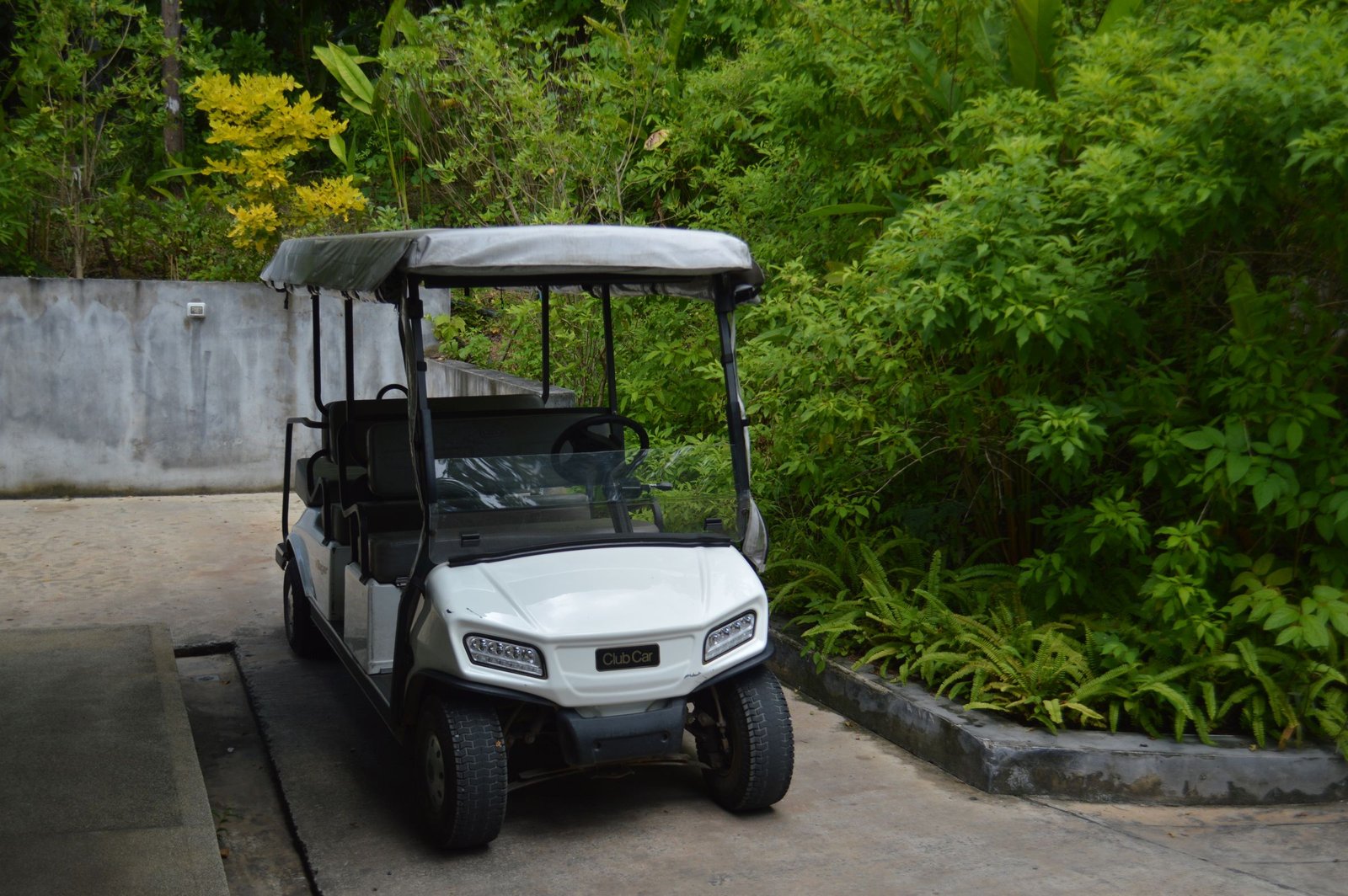
03 : Club Car’s Rust-Free Advantage
The single most expensive, miserable repair on an old cart is a rusted-out frame. Club Car sidesteps that entirely with its aluminum chassis, so you never face corrosion-driven structural repairs. The catch is the onboard computer, which can complicate charger and battery work, but a one-time OBC bypass solves that, as detailed in the repair guides.
04 : Maintenance Habits That Matter More Than Brand
No matter which brand you choose, these habits keep upkeep minimal:
- Keep battery terminals clean and tight: Loose, corroded connections cause the majority of electric-cart breakdowns.
- Water flooded batteries on schedule: The cheapest way to extend lead-acid pack life.
- Store it properly off-season: Prevents the self-discharge and seized brakes that create spring headaches.
05 : Real Parts Cost and Availability by Brand
Ease of maintenance is really a question of how fast and cheap you can get the part in your hand. E-Z-GO TXT parts, built continuously since 1994, are stocked by nearly every golf-cart shop and dozens of online sellers, so a solenoid or controller usually ships same day. Club Car DS and Precedent parts are nearly as common, and their aluminum frame means you are almost never paying for rust repair. Yamaha electric parts are readily available, but Yamaha gas carts, especially the G-series, sometimes need engine components that take longer to source.
The lithium-era brands like ICON, Evolution, and Bintelli are improving fast, but their newer platforms can still leave you waiting on a proprietary display or controller. For a first-time owner who wants the shortest possible downtime, the depth of the E-Z-GO and Club Car parts pipeline is hard to beat.
The useful comparison is not an uncited dollar estimate. It is whether a correct, serial-matched part and service information can be obtained without adapting another platform. The table below separates common service items from proprietary electronics.
| Platform | Solenoid and controller parts availability | Frame material | Biggest recurring service item |
|---|---|---|---|
| E-Z-GO TXT / RXV | TXT has a broad OEM and aftermarket pipeline. RXV AC controls are model-specific, but E-Z-GO lists a large certified service network. Confirm controller and harness by serial. | Welded steel on current RXV, with DuraShield coating. TXT is also steel. | Flooded-battery care and steel-frame corrosion checks. RXV adds AC motor-brake, sensor, and controller diagnostics. |
| Club Car DS / Precedent | Broad OEM and aftermarket supply, but DS series, PowerDrive, IQ, and Precedent electronics are not interchangeable. Use the serial-prefix directory before ordering. | AlumiCore ladder-style aluminum box beam on Precedent; DS is also known for an aluminum chassis. | Battery cables, charger-generation matching, and OBC or IQ wiring diagnosis. Aluminum avoids red rust but battery acid and loose grounds still need attention. |
| Yamaha G-series / Drive2 | Strong dealer support; common service parts are available, while older G-series electronics and gas-engine parts can be more model-specific. Confirm by serial. | HybriCore robotic-welded steel with phosphate treatment, e-coat, and powder coat on Drive2. | Gas models need engine and fuel-system service. Electric models center on batteries, cables, brakes, and steel-frame inspection. |
| ICON | Warranty and proprietary electrical work route through an authorized dealer. Exact display, controller, and harness fitment is model-specific. | Tubular powder-coated steel on the official i40F specification. | Battery or BMS care plus corrosion inspection at steel seams, fasteners, and accessory mounting points. |
| Evolution | Dealer and model-specific supply. Match controller, display, charger, and harness to the exact series before ordering. | Automotive e-coated steel on the D5 series. | Lithium charger and BMS compatibility, suspension fasteners, and corrosion at damaged coating. |
| Bintelli | Official parts manuals are published for current models, but parts should be matched by model and year. | Aluminum frame on the current Beyond; do not assume the same material for every legacy model. | Lithium charger, display, and harness fitment, plus chassis fastener inspection. |
The E-Z-GO verdict still holds for a first DIY cart because TXT volume and documentation reduce search time. Club Car is close, especially where aluminum-frame longevity matters. Local dealer depth can reverse that order, so check who can identify a controller or charger from the serial number before buying.
06 : Model-Year Quirks That Affect Upkeep
Not every year of a brand is equally easy to live with. The E-Z-GO RXV, launched in 2008, uses an AC induction motor with no brushes to replace, which lowers long-term maintenance, but its early-year controllers and throttle sensors could be finicky. The pre-2008 TXT with its series-DC motor is dead simple but does need occasional brush service. Club Car Precedents from 2004 onward carry the onboard computer that trips up charger swaps until you bypass it.
A genuine quirk worth knowing: Yamaha Drive gas carts from 2007 to 2008 have a fuel pump that is a known weak point, so a gas Yamaha of that vintage asks for a bit more attention than its electric sibling. Matching the specific model year to your tolerance for tinkering is smarter than judging the brand as a whole.
07 : How DIY-Friendly Each Brand Really Is
For the home mechanic, layout accessibility matters as much as parts. E-Z-GO and Club Car both place the batteries, solenoid, and controller in easy-to-reach spots with plenty of published wiring diagrams, so most repairs are a socket-set-and-a-multimeter job. Yamaha is only slightly less friendly on gas models because engine work adds carburetor and valve tasks. If you plan to do your own service, an electric E-Z-GO or Club Car gives you the gentlest learning curve, with a huge community of guides and videos backing you up when you get stuck.
08 : The Long-Term Maintenance Picture
Over a 15-year ownership span, the easiest brand is the one that keeps costing you the least in both parts and headaches. E-Z-GO and Club Car electric carts consistently deliver that outcome because a worn part is always cheap and available, and the frames outlast the drivetrain. Add lithium at some point and you eliminate the biggest recurring maintenance item, watering and replacing lead-acid batteries, entirely. The takeaway holds: pick a reputable electric platform, keep the connections clean, store it right, and maintenance stays a minor chore rather than a recurring expense.
It also helps to buy where support already exists. If the nearest well-stocked dealer or independent shop in your area happens to specialize in one brand, that local reality can outweigh any spec sheet, because a part you can pick up across town today beats a marginally cheaper one that ships in a week. Let both the platform reputation and your local parts access guide the final call.
Frequently Asked Questions
What golf cart brand is the easiest to maintain?
E-Z-GO is generally the easiest to maintain thanks to the huge, cheap parts supply for the TXT platform and its simple layout, with Club Car close behind for its rust-proof aluminum frame.
Are electric or gas golf carts easier to maintain?
Electric carts are easier for most owners: no oil, spark plugs, or carburetor, just batteries, connections, and the occasional controller or solenoid. Gas carts need routine engine service.
Which brand has the cheapest parts?
E-Z-GO TXT and Club Car DS/Precedent parts are the most widely stocked and usually the cheapest to source, often shipping same day from many suppliers.
Does frame material affect maintenance?
Yes. Club Car uses aluminum frames that resist the corrosion that rusts out steel-framed carts in coastal or humid climates, avoiding one of the most expensive long-term repairs.
Lab Verdict: The easiest golf cart brand to maintain is E-Z-GO, thanks to cheap, ubiquitous parts and simple platforms, with Club Car close behind for its rust-proof frame. Choose electric over gas to minimize upkeep, and remember that clean battery connections and proper storage matter more than the badge on the cart.