Is It Expensive to Fix a Stuck Solenoid?
One of the first questions every golf cart owner asks when their solenoid fails is whether the repair will break the bank. The good news: fixing a stuck solenoid is one of the most affordable repairs in the entire golf cart world. Whether you do it yourself or take it to a shop, you are looking at a fraction of the cost of most other electrical repairs. Here is the complete cost breakdown so you know exactly what to expect.
01 : Itemized Solenoid Repair Cost
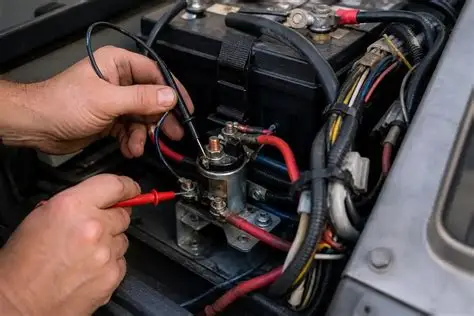
Prices vary by coil voltage, continuous-current rating, duty cycle, brand, and whether the cart needs an OEM-specific contactor. Use these as planning ranges, then order by the old part number and controller requirement.
| Item | Typical parts or labor range | What moves the price |
|---|---|---|
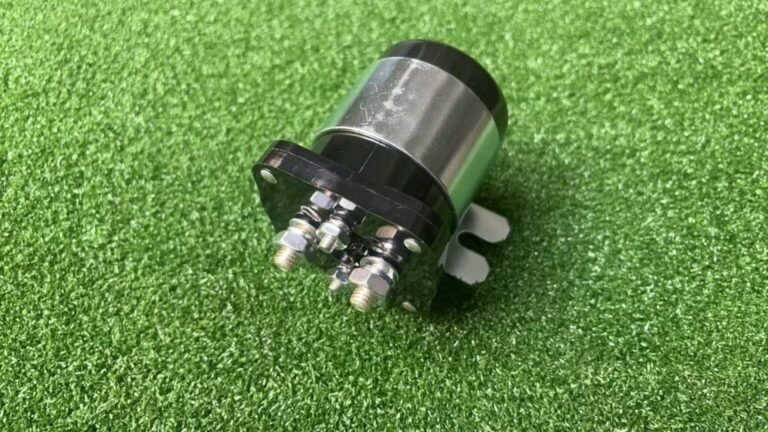
| 12V gas-cart starter solenoid | $20 to $60 | Generic four-post unit at the low end; OEM fitment and sealed housings at the high end. |
| Stock 36V or 48V traction solenoid | $35 to $110 | Coil voltage, continuous-duty rating, mounting pattern, and included diode/resistor. |
| Heavy-duty 400A-class contactor | $100 to $250+ | Genuine Albright-style hardware, higher interrupt rating, sealed construction, and upgraded controllers. |
| Terminal nuts, washers, boots | $5 to $25 | Replace heat-discolored or damaged hardware; do not reuse stripped nuts. |
| Cable end or short cable | $15 to $75 | Gauge, length, copper-lug quality, and whether crimping is included. |
| Specified resistor/diode | $5 to $25 | Use only the value and polarity called for by the cart or controller maker. |
| DIY labor | $0 | Usually under an hour once the fault is confirmed and access is clear. |
| Shop diagnosis and installation | $100 to $300 | Minimum labor, local hourly rate, troubleshooting time, and mobile-call fee. |
Practical total: many stock DIY repairs land around $40 to $135. A shop-installed OEM or heavy-duty unit can reach roughly $200 to $500 when diagnosis, new cables, or service-call travel is included.
02 : What Drives the Shop Price
The low end applies when the solenoid is accessible, the failure is already confirmed, and the cables are reusable. The high end usually means an OEM-only part, a 400A-class contactor for a modified cart, heat-damaged cable ends, corrosion cleanup, or an intermittent fault that consumes diagnostic time. Many shops bill a half-hour to one-hour minimum even though the physical swap can take less time; mobile technicians may add roughly $30 to $100 for travel. Ask whether the quote includes diagnosis, terminal hardware, the correct suppression diode or precharge resistor, and a loaded voltage-drop check after installation.
03 : Cost Compared to Other Golf Cart Repairs
To put the solenoid repair cost in perspective, here is how it stacks up against other common golf cart repairs:
- Full battery pack replacement (lead-acid): $800 to $1,500 for 6x 8V batteries on a 48V cart. Lithium conversions run $2,000 to $4,000+.
- Motor controller replacement: $300 to $800 depending on brand and amperage. See our controller comparison guide.
- Motor replacement: $200 to $600 for a stock motor. High-performance aftermarket motors can exceed $800. Read about motor interchangeability before purchasing.
- Charger replacement: $200 to $500 for a quality smart charger. See our charger troubleshooting guide before replacing.
04 : Hidden Costs to Watch For
While the solenoid itself is inexpensive, a failed solenoid can cause collateral damage that increases the total repair bill:
- Melted wiring: A solenoid that has been running hot can melt adjacent cable insulation. Replacing a damaged wiring harness section adds $20 to $50 in cable and terminals. Check our terminal melting guide for what to look for.
- Damaged microswitch: If a stuck-closed solenoid caused a runaway condition, the accelerator microswitch may have been damaged in the process of emergency stopping. Microswitches cost $5 to $15 each. See our microswitch testing guide.
- Battery imbalance: If a welded solenoid kept the circuit energized with the key off, it may have created a parasitic draw that unevenly discharged your batteries. Test each battery individually using our voltage bounce test.
05 : How to Save Money on the Repair
- Do it yourself. The solenoid swap is a beginner-level repair. You save $50 to $150 in labor by spending 30 minutes with a wrench and multimeter.
- Buy aftermarket. A quality aftermarket solenoid from a reputable golf cart parts supplier performs identically to the OEM unit at 30-50% less cost.
- Buy the resistor and diode kit together. Many sellers offer a solenoid + precharge resistor + flyback diode combo kit for less than buying each component separately.
- Install circuit protection. Spending $5 extra on a resistor and diode now prevents a $50 to $80 solenoid replacement six months from now. The protection components pay for themselves on the very first solenoid they save.
- Check your battery cables while the solenoid is off. Corroded or undersized cables cause high resistance that destroys solenoids prematurely. Fixing them during the solenoid swap costs nothing extra in labor. Our cable voltage drop guide shows you how to verify cable health.
Frequently Asked Questions
Is it expensive to fix a stuck solenoid?
No. The solenoid is one of the cheapest drive-system repairs. The part is inexpensive and DIY replacement takes basic hand tools; most of any shop bill is labor, not parts.
How much does a golf cart solenoid cost?
A standard replacement solenoid is a modest cost that rises with amp rating and voltage; heavy-duty 400-amp units cost more. Prices vary by brand and supplier, so confirm the rating for your cart before buying.
Is it cheaper to replace the solenoid yourself?
Usually yes. The job is a short wrench task once the pack is safely disconnected, so doing it yourself avoids shop labor, which is the largest part of a professional bill.
What extra parts might add to the cost?
Corroded terminal hardware, undersized or burnt cables, a missing precharge resistor, or a flyback diode are often replaced at the same time and add a small amount to the total.