Parking Brake Warning: 5 Ultimate Dangers of Winter Storage
- A mechanical golf-cart parking brake holds the rear shoes against the drum through cables and springs.
- Do not press the accelerator hard to tear the shoes free.
Pulling your cart out of winter storage in the spring should be effortless. But if you press the accelerator and the rear tires drag across the concrete, you have fallen victim to the most common storage mistake: leaving the parking brake engaged. This lab protocol explains the chemical and mechanical destruction caused by locked brakes and how to properly secure your Club Car, EZGO, or Yamaha chassis over the winter.
Why A Stored Parking Brake Can Stay Applied
A mechanical golf-cart parking brake holds the rear shoes against the drum through cables and springs. Damp air enters the drum and cable ends. When the temperature falls below the dew point, water condenses on the cooler metal. Repeated wet and dry cycles create oxide on the drum, shoe hardware, cable strands, and pivots. Holding the shoe against one spot gives corrosion a stationary contact area on which to build.
The result can be a shoe bonded to the drum, a cable that does not slide freely in its housing, or return springs and adjusters that cannot overcome the added friction. Cable tension by itself is not proof that a spring has permanently weakened. Inspect the hardware before assigning the cause. Electric carts with an automatic motor brake, including some E-Z-GO RXV configurations, do not use the same cable-and-drum parking arrangement. Follow the serial-matched owner manual rather than defeating an automatic brake.
| Storage condition | Main risk | Correct action |
|---|---|---|
| Level, dry floor, cable brake | Shoes remain clamped for months | Release brake and chock wheels front and rear |
| Damp or temperature-cycling building | Condensation on drums, cables, and springs | Improve ventilation, dry the cart, and avoid a moisture-trapping cover |
| Automatic electric park brake | Brake may require pack power or a prescribed tow procedure | Use the exact model and serial storage instructions |
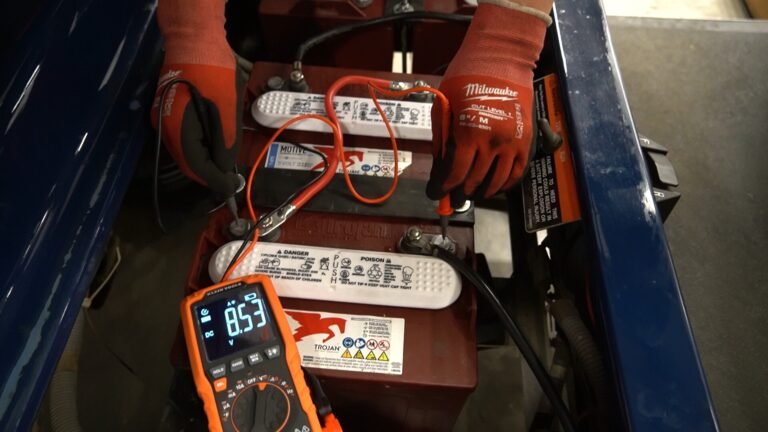
| Lead-acid electric cart | Discharge, freezing risk, and terminal corrosion | Charge and maintain by battery and vehicle instructions |
| Tires loaded for months | Temporary or semi-permanent flat spotting | Set placard pressure and follow the approved support or movement plan |
A Safe Winter Storage Sequence
- Choose a clean, dry, well-ventilated, level location. Do not rely on a slope and a brake.
- Turn the key off, remove it, select neutral where the manual requires it, and place the run or tow control in the documented storage position.
- Release a mechanical parking brake fully. Put purpose-made chocks against the front and rear of tires so the cart cannot roll in either direction. Club Car’s electric fleet checklist and the cited E-Z-GO manual both direct long-term storage without the park brake and with the vehicle secured from rolling.
- Clean and dry the battery area and undercarriage. Follow the undercarriage storage procedure before the cart is covered.
- Service the battery by chemistry. Trojan directs flooded batteries to be fully charged before and during storage and kept in a cool, dry place. Yamaha directs a full charge and the prescribed tow setting for its documented electric carts. Never improvise a charger-maintenance routine across chemistries.
- Set tires to the vehicle placard or owner-manual pressure, not the sidewall maximum. Michelin notes that underinflation increases flat-spot susceptibility. For more detail, see golf-cart tire flat spots during winter.
- Use stands only when the exact vehicle manual identifies approved lifting and support points. Support the chassis with correctly rated stands on a firm floor. A hydraulic jack alone is never a support.
If The Brake Is Already Seized
Do not press the accelerator hard to tear the shoes free. That can overheat the motor or controller, damage tire tread, break friction material, and move an unsupported cart unexpectedly. Start with the key off, wheels chocked, charger disconnected, and the drive system in the service state specified by the manual.
- Confirm which wheel is locked by lifting only at approved points and supporting the chassis on rated stands. Keep the opposite wheels chocked.
- Check that the parking pedal and cable equalizer have returned. A cable that remains taut, a torn sheath, or heavy external corrosion calls for cable replacement, not repeated penetrant sprayed toward brake friction surfaces.
- Remove the wheel and drum by the service-manual sequence. Never strike a drum while a puller, axle nut, or retained fastener is still loaded incorrectly. Keep oil and penetrant off shoes and drum friction surfaces.
- Inspect the drum, lining bond, return springs, adjuster, pivots, seals, and cable. Replace contaminated, cracked, detached, deeply rusted, or heat-damaged parts. Clean only with an approved brake-cleaning method.
- Adjust and test both sides to the exact model procedure, then verify free wheel rotation and controlled braking at walking speed before normal use.
If the wheel cannot be freed without force, stop and use a qualified brake technician. Continue with diagnostics and the repair guides.
Frequently Asked Questions
Is it bad to leave the parking brake on during winter storage?
Yes. Leaving the parking brake engaged lets moisture rust the steel brake cables inside their housings and can permanently fuse the brake shoes to the drums. Store the cart on flat ground with the brake disengaged and the wheels chocked instead.
Why do my rear tires drag when I take the cart out of storage?
Dragging rear tires after storage usually means the parking brake was left engaged and the shoes have rusted or fused to the drums. The locked brakes resist the motor, so the tires scrape across the concrete when you press the accelerator.
How should I secure a golf cart over winter instead of using the parking brake?
Park on flat, level ground with the parking brake released and chock the wheels to keep the cart from rolling. This holds the cart in place without trapping moisture against the brake cables and shoes.
Reviewed and updated July 30, 2026 by the Golf Cart Lab team.