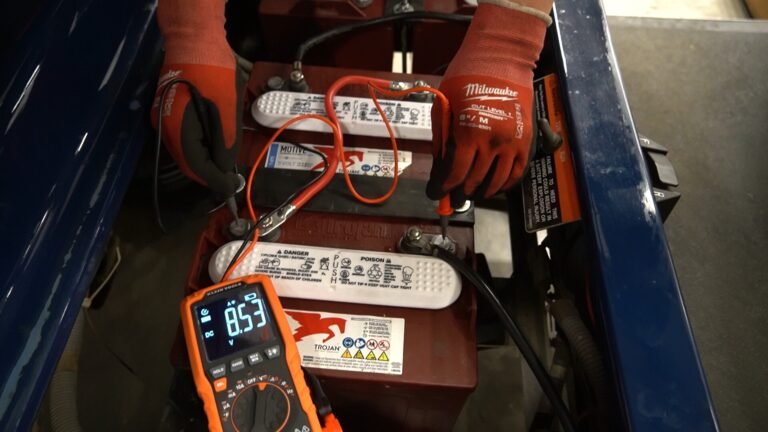
Troubleshoot Yamaha G29 Heavy Steering: 5 Ultimate Fixes
- Golf carts do not have power steering. Every input you make at the steering wheel is transferred mechanically to the ground.
- Before you tear the front end apart, check the easiest variable: tire pressure.
- The "kingpin" is the main vertical hinge that connects your wheel spindle to the A-arm (or lift kit spindle).
- If the kingpins are greased and the tires are inflated, the problem lies inside the steering box itself.
You just installed a 6-inch lift kit and 23-inch all-terrain tires on your Yamaha G29 (Drive). It looks incredible, but now it requires the arm strength of a bodybuilder just to turn the steering wheel at low speeds. This is one of the most common issues when upgrading a Yamaha chassis. This protocol will help you troubleshoot Yamaha G29 heavy steering by addressing the physics of oversized tires, suspension alignment, and internal rack lubrication.
Ordered G29 And Drive Steering Checks
Mechanism first: a larger contact patch increases scrub torque at low speed, extra wheel offset changes scrub radius, a heavier assembly adds inertia, and low pressure increases tire deformation. A lift can also leave toe incorrect or put tie rods, kingpins, rack components, and the steering shaft universal joint at poor angles.
| Symptom | Likely cause | Test | Result and fix |
|---|---|---|---|
| Heavy only when stopped | Tire width, offset, or low pressure | Verify cold pressure and wheel fitment | Correct pressure within exact limits; reduce unsupported offset |
| Heavy through the whole turn | Kingpin, bushing, tie-rod, or rack bind | Support safely and isolate joints in manual order | Repair the component that remains stiff |
| Wanders or scrubs | Toe or damaged steering part | Measure front and rear tread references at hub height | Set to exact G29/Drive and lift-kit specification |
| Notch or clunk at the wheel | Rack, column, or universal joint wear | Observe each joint while a helper moves the wheel slightly | Replace the part with lost motion or seizure |
Yamaha’s accessible daily-maintenance sheet lists 20 PSI for its 8.5-inch tire application and 22 PSI for its 10-inch application. Those are Yamaha configurations, not a universal oversized-tire target. Use the exact tire sidewall, cart manual, wheel load rating, and lift instructions. Yamaha’s public parts catalogs identify a rack, tie rods, seals, pressure pad, column, and universal joint, supporting a component-by-component diagnosis.
No accessible Yamaha owner document located for this pass publishes a universal G29 post-lift toe or steering-fastener torque. Confirm by serial and exact service manual instead of copying a generic number. Continue with the G29 steering-box play guide and big-tire review.
If the steering wheel is stiff and shaking violently at high speeds, you have a completely different issue. Jump over to the death wobble protocol in the Diagnostics Lab to balance your heavy wheels.
The Physics of Heavy Rubber
Golf carts do not have power steering. Every input you make at the steering wheel is transferred mechanically to the ground.
When you remove the factory 18-inch turf tires and bolt on heavy, 23-inch 6-ply all-terrain tires, you drastically increase the scrub radius and the contact patch. You are essentially asking the factory steering rack to drag twice as much heavy rubber across the pavement every time you turn. At a dead stop, this creates massive frictional resistance.
The Free Fix: Air Pressure Calibration
Before you tear the front end apart, check the easiest variable: tire pressure.
Many owners install oversized tires and run them at 10 to 12 PSI, thinking it will give them a softer ride. On the front steering tires, underinflation causes the tire to pancake out, creating a massive, sticky footprint that fights the steering wheel. To immediately lighten the steering feel, inflate the front tires to 20 to 22 PSI. This rounds the tire profile, reducing the amount of rubber dragging on the asphalt during a turn.
Lubricating the Kingpins
The “kingpin” is the main vertical hinge that connects your wheel spindle to the A-arm (or lift kit spindle). If this hinge is dry, your steering will be incredibly stiff.
-
The Grease Zerks: Look closely at the top and bottom of the kingpin joints on your Yamaha front suspension. You should see small metal grease fittings (Zerk fittings).
-
The Injection: Attach a grease gun loaded with heavy-duty marine chassis grease to the fitting. Pump grease into the joint until you see the old, dirty grease oozing out the sides of the kingpin bushing. Wipe away the excess.
Inspecting the Yamaha G29 Rack and Pinion
If the kingpins are greased and the tires are inflated, the problem lies inside the steering box itself.
The Yamaha G29 utilizes a sealed rack-and-pinion box. When you install a lift kit, the extreme angles put new, harsh stress on the internal gears.
- Check the Bellows: Look at the accordion-style rubber boots (bellows) on the ends of the steering rack. If they are torn, dirt and water have entered the rack, grinding away the internal grease.
- Lubricate the Rack: While the G29 rack is technically “sealed,” many mechanics carefully pull back the rubber bellows and pack fresh lithium grease directly onto the toothed rack gear to eliminate binding.
- Check the U-Joint: Follow the steering column down to where it meets the steering box. There is a universal joint (U-joint) there. Spray it heavily with penetrating oil to ensure it isn’t rusting and binding up.
The Alignment Bind
Finally, improper alignment geometry will make the steering wheel feel sluggish and heavy.
If your tires are pointing outward (Toe-Out), the wheels are constantly trying to pull away from each other, creating massive drag. Use a tape measure to check the distance between the front center treads and the rear center treads of the front tires. Adjust your tie rods until the front measurement is exactly 1/8″ smaller than the rear measurement (Toe-In). This relieves the binding tension on the steering rack.
Looking for a cart that already has the suspension professionally dialed in? Browse custom-built Yamaha models in the Guides.
The G29 Drive chassis from roughly 2007-2016 is especially sensitive to tire offset because the front suspension was designed around narrow turf tires, not wide 22-inch or 23-inch assemblies. If the lift kit pushed the wheels outward, the steering wheel has to drag the tire through a larger arc at parking-lot speeds. That is why a cart can feel fine rolling straight but feel heavy when backing out of a garage. Check wheel offset before blaming the rack: a deep-dish wheel often adds more steering effort than the lift kit itself. Yamaha kingpins also dry out when carts sit through winter, and oversized tires amplify that friction. Jack the front end, follow the service-manual isolation sequence to distinguish spindle, tie-rod, rack, and column friction. If one side feels notchy or sticky, the problem is joint friction, not tire pressure. Fix that first before adjusting toe.
Lab Summary
Learning to troubleshoot Yamaha G29 heavy steering prevents you from blowing hundreds of dollars on a new steering box. Start by increasing your front tire pressure to 22 PSI to reduce rubber drag. If it’s still stiff, hit every Zerk fitting on the kingpins with fresh grease, inspect the internal rack for binding, and dial in a 1/8″ Toe-In alignment to restore fluid control.
For more details on your specific steering gear ratios and factory lubrication points, consult the service manuals at Yamaha Golf-Car Company.
Frequently Asked Questions
Why is my Yamaha G29 hard to steer after installing big tires?
Oversized tires and a lift increase the tire's contact patch and leverage, so low-speed steering gets heavy. Start by raising front tire pressure to 20-22 PSI to shrink the contact patch, then check alignment and rack lubrication if it's still stiff.
Does tire pressure affect steering effort on a G29?
Yes. Lower front pressure widens the contact patch and increases steering friction. Bumping the front tires to about 20-22 PSI noticeably reduces the effort needed to turn at low speed with oversized tires.
What else makes G29 steering heavy besides tire size?
Beyond oversized tires, heavy steering can come from poor suspension alignment after a lift or a dry, under-lubricated steering rack. Correcting alignment and lubricating the rack restores easier turning.
Reviewed and updated July 30, 2026 by the Golf Cart Lab team.