Golf Cart Enclosure Worth It?
An enclosure turns a fair-weather cart into a year-round one for a low price, if you buy the right fabric and fit. Here is the honest verdict.
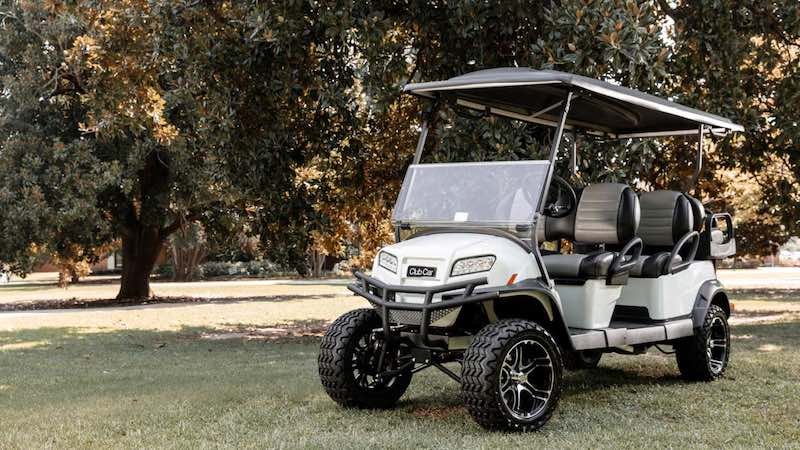
- an enclosure is worth it for frequent cold, rain, or wind use when it matches the exact roof length, body, and rear-seat layout.
- An enclosure is a fabric “cab” that zips over the cart to block rain and wind.
- Owners in cold or rainy climates rate enclosures as one of the most life-changing cheap upgrades, they extend the driving season and keep passengers dry and warm.
- Worth it if: you drive in cold, wind, or rain, use the cart year-round, or want to keep passengers and interior dry.
A golf cart enclosure is a cheap way to keep driving in rain, wind, and cold. The fabric cab itself is simple, but fit and material quality make or break it, so its value depends on your climate and the cover you choose.
Material, Window, And Mounting Tradeoffs
Direct answer: an enclosure is worth it for frequent cold, rain, or wind use when it matches the exact roof length, body, and rear-seat layout. Generic fit is the usual source of flapping fabric, overloaded seams, poor door alignment, and blocked rear visibility.
| Current system | Published material | Fitment | Attachment | Price tier |
|---|---|---|---|---|
| Eevelle Greenline | 300D polyester; clear double-polished vinyl windows | 2, 4 short-roof, 4 long-roof, and 6 passenger options | Over-roof with hooks and roll-up panels | Entry/mid |
| Club Car Onward custom fit | 100 percent solution-dyed Sunbrella acrylic | Onward 2, 4, and 6 passenger | Adjustable straps and roll-up panels | Premium |
| DoorWorks track style | Canvas SDA with clear marine-grade vinyl | Model-specific 2, 4, and 6 passenger | Pre-drilled awning track and snaps | Premium |
| DoorWorks hinged | Marine vinyl or Sunbrella canvas on aluminum frames | Model and rear-body specific | Removable hinged doors | Highest |
Denier describes yarn mass, not complete weather performance. Seam construction, zipper load, window grade, UV treatment, and how tightly the enclosure is anchored matter just as much. A loose universal cover balloons in crosswind, concentrating load at hooks and stitched corners. A track or custom-fit system spreads load more evenly but costs more and takes longer to install.
Clear flexible vinyl can scratch, crease, haze, or yellow from UV exposure, incompatible cleaners, and being rolled while dirty or cold. Rinse grit first, use the maker-approved cleaner and soft cloth, and roll windows around a wide core rather than folding them. Stop using any rear panel that fogs or distorts the path behind the cart. Verify mirror visibility and use the street-legal guide for road equipment checks.
Quick verdict: A golf cart enclosure is worth it if you drive in cold, wind, or rain, it turns a fair-weather cart into a year-round one for a relatively low cost. A good 600D fabric enclosure with clear, well-fitted windows is genuinely useful; a cheap, baggy one flaps, leaks, and scratches. If you only ever drive in nice weather, it is a skip.
What A Cart Enclosure Does And What It Costs
An enclosure is a fabric “cab” that zips over the cart to block rain and wind. They come as 2-sided, 3-sided, or full 4-sided kits, and in portable (drape-over) or track-mounted styles. Budget roughly $70 to $200 for a basic portable cover and $200 to $500 and up for a quality track-mounted enclosure sized to your roof. The key spec is the fabric: 600D polyester with marine-grade clear vinyl windows holds up far better than thin generic covers.
Brands like 10L0L, RedDot, and OEM E-Z-GO/Club Car options dominate. Fit matters more than brand, a cover cut for an 80-inch top will not seal on a stretched or lifted cart.
Sizing is where most buyers go wrong, so measure before you order. A standard two-passenger EZGO TXT or Club Car Precedent uses a roof around 54 to 58 inches long, while a four-passenger cart with a rear seat and an 80 inch or longer extended top needs an enclosure cut specifically for that stretched roof. A lifted cart also sits taller, so the drop-down sides must be long enough to reach the floor and seal against the wind. A quirk owners learn the hard way is that Club Car and EZGO roof strut shapes differ, so a track-mounted enclosure designed for one brand may not clip cleanly to the other. Track-mounted kits, which use a channel screwed to the underside of the roof, seal far better than drape-over covers that rely only on straps and hooks, and they are the ones cold-climate owners recommend.
What Enclosure Owners Actually Report
Owners in cold or rainy climates rate enclosures as one of the most life-changing cheap upgrades, they extend the driving season and keep passengers dry and warm. The complaints are almost entirely about fit and quality: cheap covers are baggy, flap loudly at speed, fog or scratch at the windows, and leak at the seams. The fix owners recommend is buying a cover cut specifically for your roof length and choosing real 600D fabric over the thinnest budget options.
A common companion note: clear visibility is a safety issue, so owners stress keeping the vinyl windows clean and unscuffed, and adding a windshield wiper or anti-fog treatment if you drive in rain regularly. Ventilation is the other honest issue: a sealed cab warms up quickly in sun and traps the moisture from wet clothes, so owners who drive in mixed weather leave a rear or side panel partially unzipped or add a small roof vent to keep the front clear. The marine-grade vinyl windows also stiffen and can crack in hard freezes, so owners in very cold regions unzip and roll panels gently rather than folding them sharply, and store the enclosure loosely rather than crushed in a bin over summer to keep the clear windows from creasing. Many pair an enclosure with the safety items in the street-legal guide for road use.
The Honest Fit And Comfort Trade-Offs
- Weather protection: Keeps rain, wind, and cold out, extends the usable season.
- Low cost: A lot of comfort for under a few hundred dollars.
- Fit-dependent: Cheap or wrong-size covers flap, leak, and scratch.
- Visibility & heat: Vinyl windows can fog or scratch; cabs get warm in sun without ventilation.
Is A Golf Cart Enclosure Worth It For You?
Worth it if: you drive in cold, wind, or rain, use the cart year-round, or want to keep passengers and interior dry. A track-mounted 600D enclosure is the upgrade most cold-climate owners wish they had bought sooner.
Skip it if: you only drive in good weather on a private course, an enclosure is dead weight and clutter you will rarely deploy.
Installation effort is worth weighing too. A drape-over cover goes on in minutes but flaps at speed and is fiddly to secure, while a track-mounted enclosure takes an afternoon to fit the channels but then zips on and off cleanly each season. Many owners keep the full enclosure for winter and swap to just a windshield and doors for shoulder seasons. If your cart lives outdoors year round, a properly fitted 600D enclosure also doubles as weather protection for the seats and dash, which slows the sun fading and cracking that plague uncovered carts.
Pair it with a roof if you do not have one, and see other comfort and practical add-ons in the best accessories guide. For full all-weather road use, also confirm your lights and mirrors against the street-legal checklist.
The Bottom Line On Golf Cart Enclosures
For the money, few upgrades change how often you can actually use a cart as much as a good enclosure. In cold and wet climates it is a clear yes, just buy one cut for your exact roof in real 600D fabric, and keep the windows clean for visibility. In permanently sunny, dry conditions it is an easy skip. The mistake to avoid is buying the cheapest generic cover and assuming the experience represents what a properly fitted enclosure can do.
Frequently Asked Questions
Is a golf cart enclosure worth it?
In cold, windy, or rainy climates, yes, it extends the usable season and keeps passengers dry for a low cost. In permanently dry, warm weather it is largely unnecessary.
What fabric should a golf cart enclosure be?
Look for 600D polyester with marine-grade clear vinyl windows, sized for your exact roof length. Thinner generic covers tend to flap, leak, and scratch.
Reviewed and updated July 30, 2026 by the Golf Cart Lab team.