Star EV Golf Cart Won’t Turn On (No Power): Fix
A dead Star EV usually has an open disconnect, sleeping BMS, low pack, blown fuse, converter fault, or missing key feed, worked from the battery outward using Star EV’s own documented pack and converter specs.
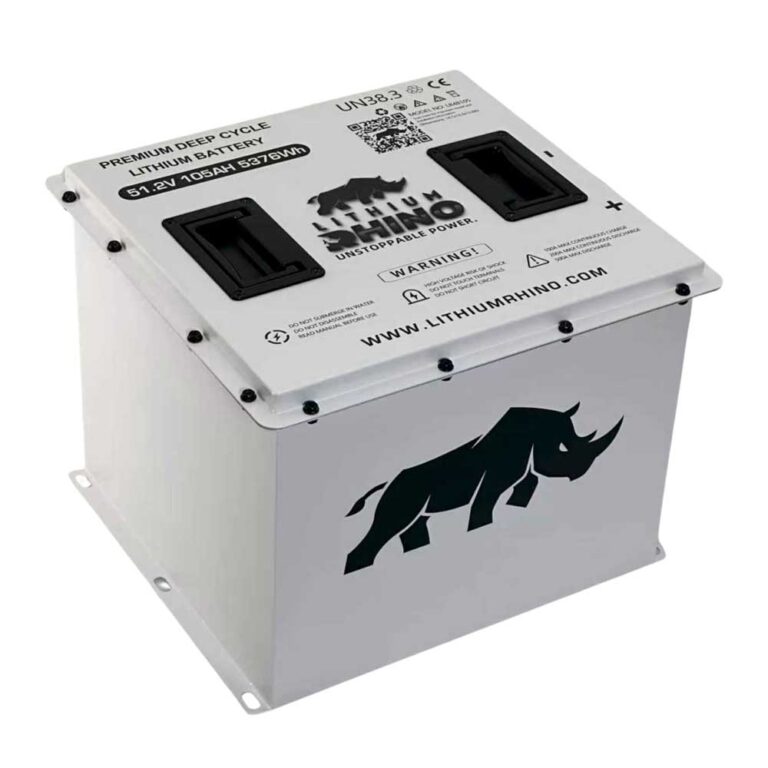
- Current STAR Smart Lithium packs are 48 Volt at 80Ah, 105Ah, 160Ah, or 210Ah, use the pack label, not a generic number.
- Battery sleep mode can turn power off after 1 hour of key power with no driving, a key cycle usually wakes it.
- The STAR lithium manual says stop driving and charge immediately at 10 percent state of charge.
- Any accessory needing other than 48V must run through a DC-to-DC converter, a documented Star model uses a DC48-12V/30A unit.
- If pack voltage enters the converter but 12V output is missing, suspect the converter, fuse, or ground, not the main battery.
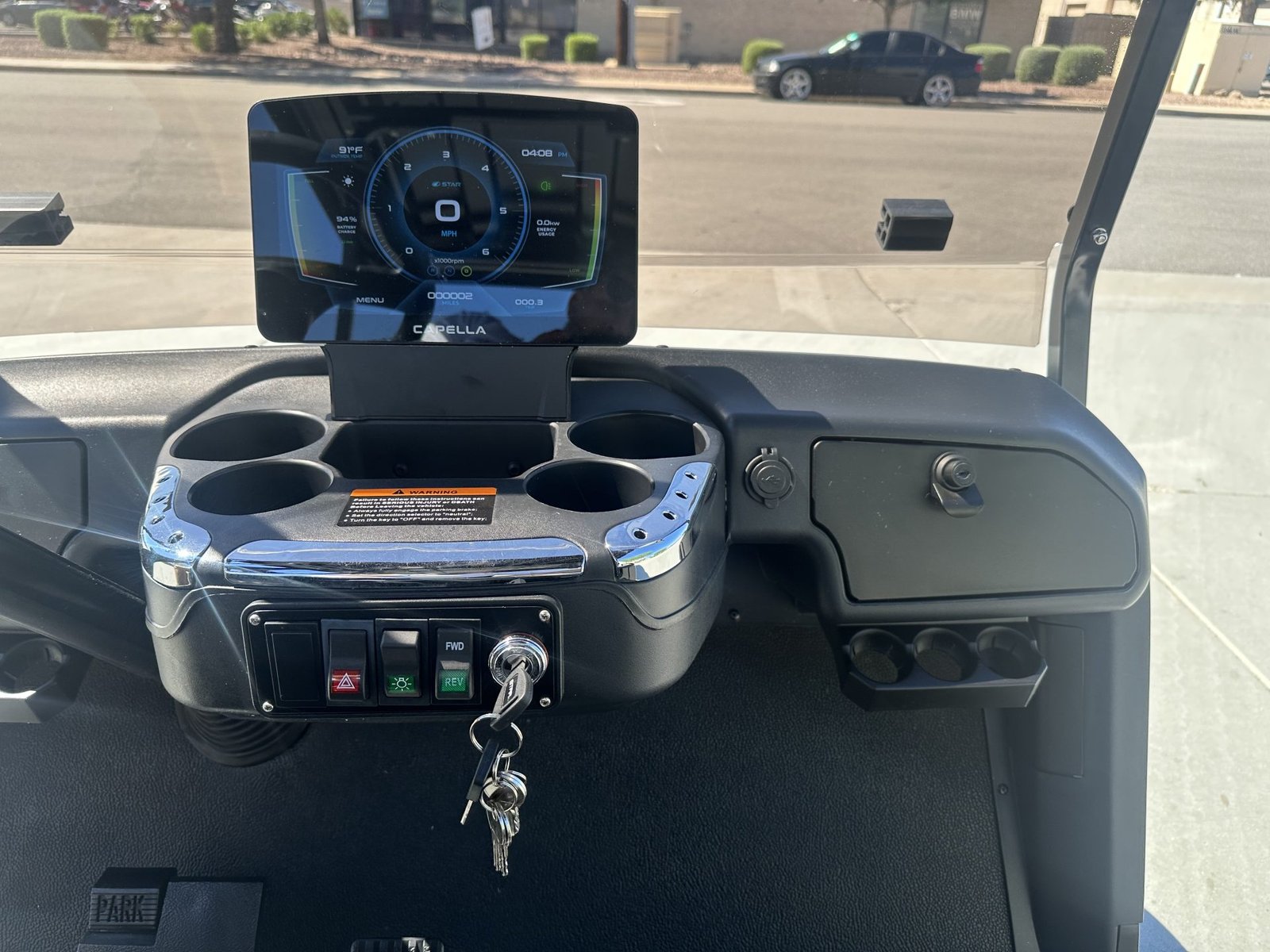
No dash, no lights, and no response from the key means the power supply needs to be proven before any drive part matters. On the Capella, the lithium pack and street legal accessory wiring add several places where voltage can disappear, this guide works from Star EV’s own owner manual and lithium documentation rather than generic golf cart assumptions.
01: Start at the Battery Disconnect
Turn the main disconnect off, wait ten seconds, then turn it fully on. Make sure the switch is seated and the battery display, if present, wakes up.
- Disconnect: A half-seated switch can make the cart look dead.
- Pack display: Check whether the battery itself is awake.
- Main lugs: Inspect loose, hot, or corroded terminals.
02: Measure Pack and Converter Voltage
Probe pack output with the disconnect on and use the label on the actual battery, not a generic lithium number. STAR’s lithium manual lists the current STAR Smart Lithium line as 48 Volt packs at 80Ah, 105Ah, 160Ah, and 210Ah, with stored energy of 3.84 kWh, 5.04 kWh, 7.68 kWh, and 10.08 kWh, and BMS protections for cell-level voltage, temperature, over voltage, under voltage, and over current. If pack output is normal, move to the main fuse and DC converter. If output is zero or very low, diagnose BMS sleep, deep discharge, or an open disconnect before replacing the dash.
| Reading | Meaning | Next Step |
|---|---|---|
| Expected 48V pack voltage at main output | Battery is awake enough to feed the vehicle | Test the main fuse, key feed, and DC-to-DC converter input. |
| Very low pack voltage or SOC near 10 percent | Discharged pack or BMS limiting output | Stop testing loads and charge. STAR says to stop driving immediately and charge as soon as possible at 10 percent state of charge. |
| Zero at output with battery label present | Disconnect open, BMS asleep, or pack protection active | Cycle the key, wake the pack, press the pack power button if fitted, and check the STAR Smart Lithium app. |
| Pack voltage into converter but no 12V output | Accessory power conversion fault | Confirm fuse and ground, then match the converter label. STAR documents a DC48-12V/30A converter on the J Model platform, but Capella manuals only specify a DC-to-DC converter for non-48V accessories. |
03: Trace the Fuses and 12 Volt Circuits
Street legal accessories rely on fused low-voltage circuits. The Capella manual says factory accessories may continue to operate with the key off, and its battery section says accessories that need anything other than 48 Volts must use a DC-to-DC converter to change the voltage to the correct amount. That makes the converter a real no-power suspect, but it does not prove every Capella or Sirius uses the exact same converter part. If pack voltage enters the converter and the output side is dead, the dash and lights may stay dark even though the main battery is healthy.
04: Test the Key Switch and Dash Feed
- Key input: One side should have voltage with the disconnect on.
- Key output: The output side should wake when the key is on.
- Dash plug: Inspect the connector and ground if key output is present.
- Converter label: If your converter is marked DC48-12V, expect a nominal 12V accessory bus. Do not chase a 14V automotive alternator number unless the converter label or service data calls for it.
- Drive next: If the cart wakes but will not move, use the no movement guide.
06: Waking a Sleeping Star EV Lithium Pack
Newer Star EV models like the Capella and Sirius should be described from STAR’s own 48 Volt lithium documentation unless the vehicle label proves another system. The STAR lithium manual says the battery has sleep mode that turns power off after 1 hour of key power being supplied without driving. If that happens, cycle the vehicle key off and back on, and on 80Ah, 105Ah, and 160Ah packs the manual says you may also have to press the battery power button on the passenger side of the vehicle.
The same manual says the top cover of each battery has a QR code for the Smart Battery app so you can view charge status. Use that before assuming the pack is dead. If the pack is simply asleep, a key cycle and power-button wake can bring the dash back. If the state of charge is extremely low, stop testing and charge. If charging never starts, diagnose the charger and port with the Star EV charging guide before condemning the battery.
Because Star EV builds many carts as street-legal LSVs, the cart carries headlights, brake lights, turn signals, a horn, and frequently a stereo. Those circuits are not the same as the traction motor circuit. STAR’s Capella manual does not publish a universal converter output amperage, but it does state that any accessory needing a voltage different than 48 Volts must use a DC-to-DC converter. STAR’s J Model specs provide a concrete example: Converter DC48-12V/30A. For a no-power Star EV, meter the converter input for full pack voltage, then meter the output against the converter label, voltage present at the input but nothing at the output points toward converter, fuse, enable, or ground trouble rather than a failed 48V lithium pack.
The extra street legal wiring on a Star EV introduces additional ground points and inline switches that can silently cut power. A loose chassis ground behind the dash, a bumped accessory rocker, or a harness pinched under the seat can each imitate a completely dead cart. Wiggle-test the main connectors while watching the dash, and confirm the battery-negative-to-frame ground strap is clean and tight. On lifted Capellas in particular, relocated harnesses sometimes rub the frame and open a circuit intermittently, which is why some no-power faults appear and vanish on their own.
A lithium pack drained too far can fall below the voltage its BMS is willing to wake from, and a normal charge cycle never starts because the charger and BMS fail to complete their handshake. If the disconnect is on, the charger is known good, and the port still shows nothing, the pack likely needs a dealer recovery charge rather than a driveway remedy. Leave the Star EV on its charger during long storage so the BMS never sleeps deep enough to lock itself out in the first place.
Cycle the main disconnect and confirm the battery display wakes. Meter the pack right at the terminals to separate a sleeping battery from a wiring fault. Put the correct charger on the port and give the BMS a minute to close its contactor. Check the main fuse and the DC-to-DC converter output before touching the drive system. Verify the key switch passes voltage from input to output. Working in that order isolates the failure to a single stage instead of leaving you guessing.
Frequently Asked Questions
Why is my Star EV golf cart completely dead?
Common causes include the main disconnect, sleeping lithium BMS, low pack voltage, blown fuse, failed converter, bad ground, or failed key switch feed.
How do I wake a Star EV lithium battery?
Turn the main disconnect on, connect the correct charger, and give the BMS time to wake. If charging never starts, diagnose the charger and port.
Can a bad key switch make a Star EV look dead?
Yes. If voltage enters the key switch but does not leave with the key on, the dash and controller may stay off.