Star EV Golf Cart Won’t Move: Diagnosis & Fix
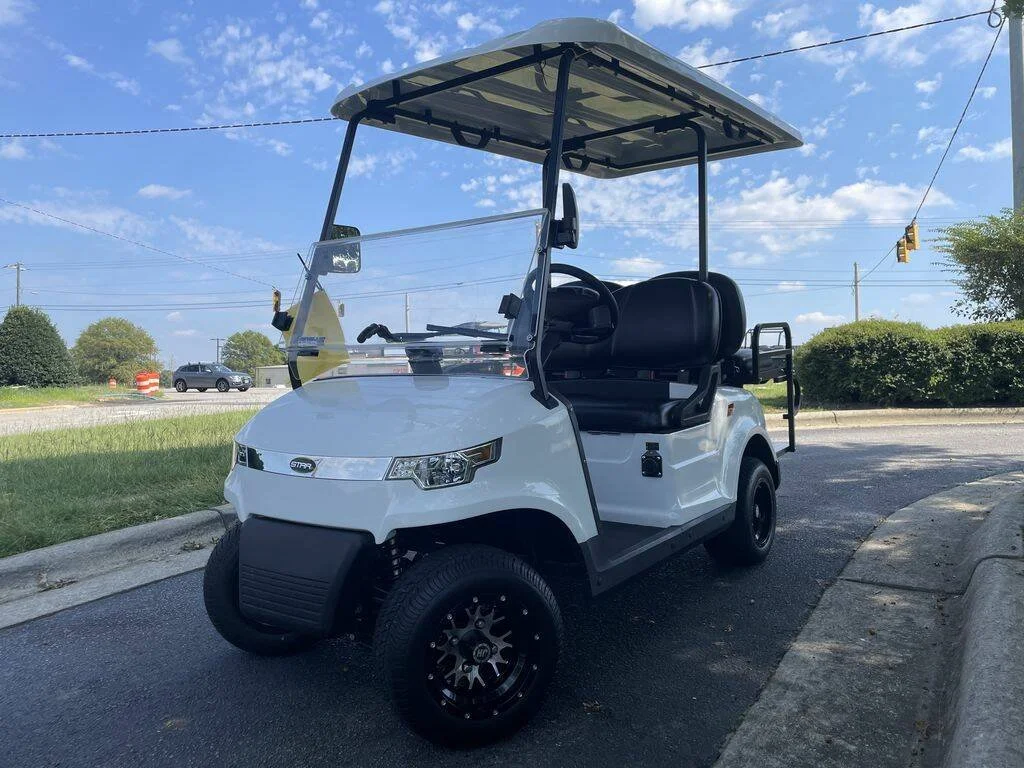
A Star EV that wakes up but will not drive is usually waiting on an interlock, protecting the lithium pack, or losing the throttle signal before the controller, verified against Star EV’s own Capella and Sirius owner documentation.
- Star EV’s current Smart Lithium packs are 48 Volt at 80Ah, 105Ah, 160Ah, or 210Ah, not a vague 48V or 51V guess.
- The Capella manual documents a charger interlock and a high-pedal disable reset most owners never learn.
- Battery sleep mode can turn power off after 1 hour of key-on with no driving, a key cycle (and sometimes the battery power button) wakes it.
- Capella controllers are documented as 350A or 450A AC depending on the model, useful for voltage-drop testing.
- The vehicle plate with serial number and build date lives in the glove box, that photo is the right first step for a dealer call.
When a Capella has dash power but refuses to roll, separate the no-drive symptom from a dead-cart symptom. The drive chain starts with pack wake state and safety inputs, then moves through pedal signal, solenoid, controller, and motor wiring. Star EV is a dealer-supported LSV brand, so model year, local programming, and dealer-installed options matter when diagnosing symptoms, this guide uses Star EV’s own Capella and Sirius owner documentation rather than generic golf cart assumptions.
01: Confirm Drive Permission
Start with the items that intentionally block motion. A street legal lithium neighborhood cart can look broken when it is simply parked, charging, or seeing a brake input.
- Charger interlock: Unplug the charger and key cycle the cart. The Capella manual confirms every vehicle uses a charger interlock that disables the controller while the charger is connected.
- Run setting: Confirm run mode and a fully released parking brake.
- Dash warning: Record any fault icon before clearing it.
02: Read the No-Drive Pattern
A silent Star EV points toward enable inputs first, not a bad motor. The Capella manual documents a high-pedal disable reset: both feet off the pedals, key off, then key on, select a direction, and press the accelerator. A cart that clicks but will not move points toward the solenoid, controller output, or motor cables. A cart that tries to move and quits points toward BMS protection, controller heat, or an active fault.
| Pattern | Verified Star EV Context | First Check |
|---|---|---|
| No click, no movement | Capella manual: charger plug disables the controller. High-pedal disable also blocks acceleration if the key is turned on while the accelerator or brake is pressed. | Remove the charger, key off, feet off both pedals, key on, select FWD or REV, then press the accelerator. |
| Dash works, lights work, no drive | STAR lithium manual: battery sleep mode can turn power off after 1 hour of key power with no driving. 80Ah, 105Ah, and 160Ah packs may require the battery power button after key cycling. | Cycle the key. If the pack label is 80Ah, 105Ah, or 160Ah, press the battery power button and check the STAR Smart Lithium app if available. |
| Click, no motion | Capella specs list 350A AC controllers on shorter 48V models and 450A AC controllers on longer or lifted 48V models. | Check solenoid control voltage, voltage drop across the large terminals, and hot or loose high-current cables. |
| Moves, then stops or crawls | STAR lithium documentation lists BMS protections for cell-level voltage, temperature, over voltage, under voltage, and over current. The Capella common-fault table also cites controller shutdown protection above 75°C during overloaded hill climbing. | Record the dash alert, reduce load, let the cart cool, then charge fully and retest. |
03: Check Pack Wake State
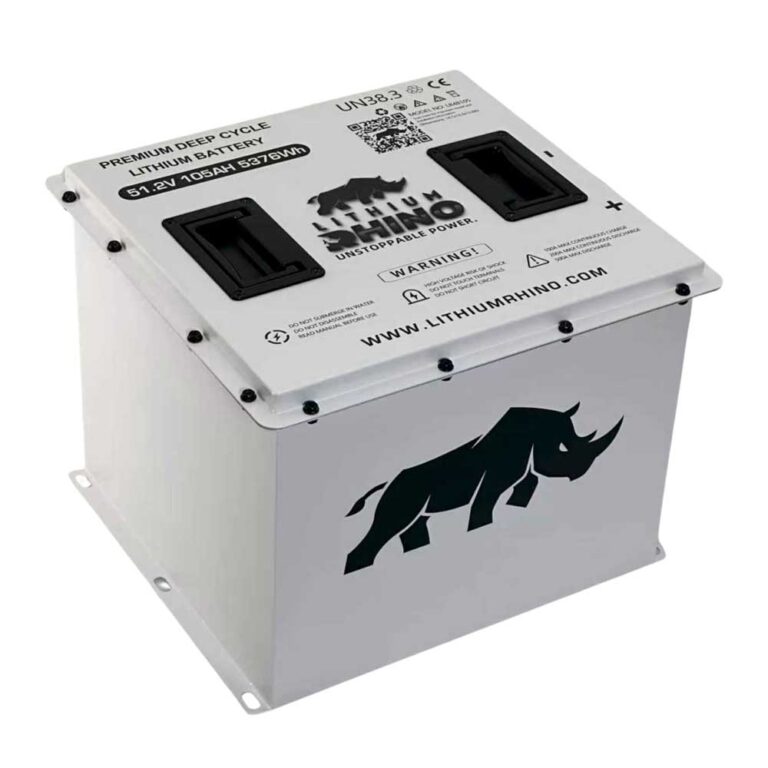
Star EV’s published lithium line for these carts is 48 Volt, not a vague 48V or 51V guess. The STAR lithium manual lists 48 Volt nominal packs at 80Ah, 105Ah, 160Ah, and 210Ah, with stored energy of 3.84 kWh, 5.04 kWh, 7.68 kWh, and 10.08 kWh. Capella’s owner manual ties those same capacities to CP-2, CP 2+2, CP4, CP4+2, lifted, and long-body variants. If your Star EV will not move, read the pack label and the model plate first, a CP-2 with an 80Ah pack and a CP4+2 lifted with a 160Ah or 210Ah pack should not be tested from the same assumptions.
The wake check is simple. Turn the key off, unplug the charger, confirm the cart is not in tow or service mode, then power the battery if your pack has a side power button. STAR documents a QR code on the battery top cover for the Smart Battery app, which shows charge status. If the app or meter shows very low state of charge, stop the drive test and charge the pack, the STAR lithium manual warns to stop driving immediately and charge as soon as possible at 10 percent state of charge. If the cart also refuses to charge, use the Star EV charging guide before chasing the controller.
04: Test Pedal, Solenoid, and Controller
- Pedal: Press slowly after the high-pedal reset. The Capella manual says key on with accelerator or brake pressed can trigger high-pedal disable.
- Direction selector: Confirm FWD or REV is selected only after the cart is stopped. The manual says moving the selector while in motion immediately decreases speed and activates a warning device.
- Solenoid: Check control voltage on the small terminals and voltage drop across the large terminals.
- Controller: Use the actual platform number. Capella documents 350A and 450A AC controller versions, and Sirius owner data lists 350Amp and 450Amp controller groupings too.
- Motor cables: Inspect hot, loose, or damaged high-current cables before replacing electronics.
06: Star EV Model and Year Context
Do not diagnose every Star EV as the same 48V or 72V lithium platform. Capella and Sirius personal carts document 48V systems, while STAR’s separate lithium-kits page states that 72V is only available on new bus orders, not aftermarket kits. Capella specs document 48 Volt AC motors, 350A AC controllers on shorter models, 450A AC controllers on longer or lifted models, and onboard 48V/18A charging. Sirius owner data lists 4 kW and 5 kW AC motor groups plus 350Amp and 450Amp controller groups, and the Sirius product page states that every Sirius model includes a standard LiFePO4 lithium battery.
The serial-plate detail is sourceable too. The Capella owner manual says the serial number and manufacture date code are on the vehicle plate in the glove box, with two chassis numbers also on the chassis frames, and that a dealer needs the date code, serial number, or model to supply the correct components. The right first photo for a dealer is the glove-box plate, the battery nameplate, and any dash alert, not just a picture of the cart.
What is still not public is a universal Star EV BMS cutoff voltage or controller part number that applies across every Capella, Sirius, Lunar, and older Classic cart. For the sibling Star EV articles in this cluster, the verified shared baseline is: current STAR lithium packs are 48 Volt at 80Ah, 105Ah, 160Ah, and 210Ah; BMS protections are listed as cell-level voltage, temperature, over voltage, under voltage, and over current; sleep mode can require a key cycle and sometimes a battery power-button press; and Capella/Sirius controller capacity is documented as 350A or 450A depending on configuration.
Because most Star EV carts are sold as street-legal LSVs, they carry more interlocks than a basic golf cart. A seat or brake switch is tied to the drive-enable circuit on many trims, and a stuck reverse buzzer relay can confuse the controller enable logic. Dealer-installed options like a turn-signal harness or an aftermarket speed programmer can also break the drive circuit if a connector backs out. Before condemning the controller, wiggle-test every added harness and confirm the parking-brake microswitch fully releases.
Star EV is a dealer-supported brand, and some fault reads require the dealer programmer to pull codes from the controller or BMS. If your meter shows good pack voltage, a healthy solenoid, and a clean pedal signal but the cart still refuses to move, the fault almost certainly lives in the controller or BMS firmware rather than the wiring, and a dealer scan is faster than swapping parts on a guess. Document your voltage readings before the visit so the technician can skip the checks you already proved good.
Most Star EV no-drive callbacks trace to two habits: letting a lithium pack sit deeply discharged over the off-season, which lets the BMS latch into a protective lockout that only a slow balance charge clears, and corrosion at the high-current solenoid and motor lugs from living outdoors. Store the cart on a maintenance charge or top it monthly, and clean and re-torque the solenoid and motor lugs yearly to prevent the intermittent click-no-move symptom that mimics an expensive controller failure.
A Star EV that will not move is usually stopped by an interlock, pack sleep state, BMS protection, missing pedal signal, solenoid failure, or controller fault. Test the drive chain in that order, using Star EV’s own documented pack and controller specs, and replace only the part the meter proves bad.
All of the checks above assume the fault is electrical. If the motor spins while the cart stays still, the electrical side has already proved itself and the break is mechanical, which is covered in the guide to a golf cart that will not move while the motor spins.
Frequently Asked Questions
Why won’t my Star EV golf cart move?
The usual causes are charger interlock, run switch, parking brake switch, low lithium pack, pedal sensor, solenoid, controller fault, or motor cable issue.
Why does my Star EV click but not move?
A click usually means the enable side is working. Test solenoid contacts, controller input and output, motor cables, and any active dash warning.
Can a low lithium battery stop a Star EV from driving?
Yes. The BMS can allow dash power while limiting drive current. Charge fully and check for a battery warning before replacing drive parts.