OEM vs. Aftermarket Golf Cart Parts: Fitment and Compatibility Guide
OEM and aftermarket are not two quality grades, they are two supply channels, and fitment comes down to matching real interfaces. Here is how splines, connectors, coil voltages, and charger logic decide whether a part actually works.
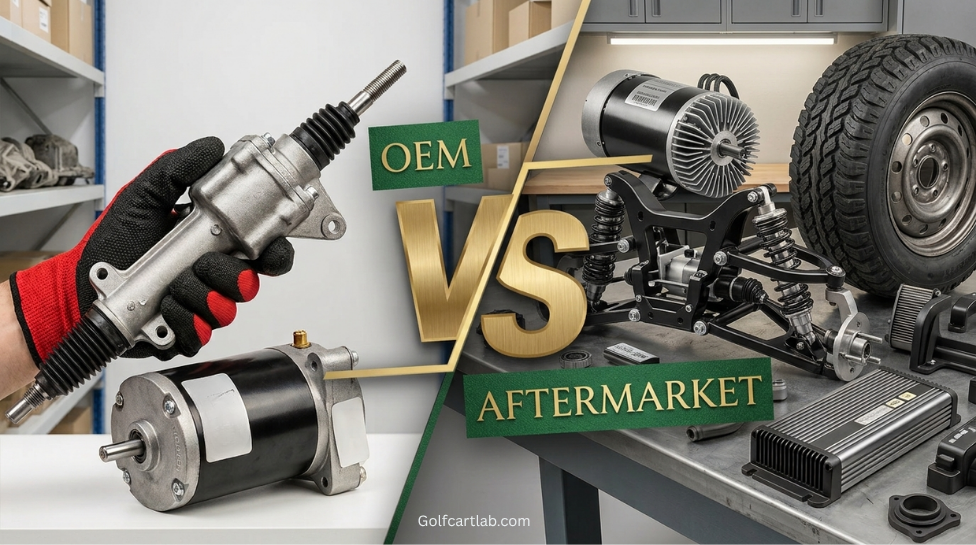
- OEM and aftermarket are supply channels, not fixed quality grades; fitment is about matching the exact mechanical, electrical, and software interface.
- Build a cart ID sheet (serial, voltage, controller and motor numbers, spline count, connectors) before ordering anything.
- Common traps: Club Car 10-spline vs E-Z-GO/Yamaha 19-spline motors, controller pinouts, 36V vs 48V solenoid coils, and metric vs standard lug nuts.
- OEM earns its premium on safety interlocks and molded parts; aftermarket wins when it publishes stronger specs and a traceable cross-reference.
Deciding between OEM and aftermarket parts is one of the most common dilemmas for cart owners and fleet mechanics, and the wrong replacement on a Club Car DS, an E-Z-GO TXT, or a Yamaha Drive2 can cause fitment headaches, electrical damage, or a blown controller. The key idea is that these are not two fixed quality grades. OEM identifies the original equipment channel, and aftermarket covers everything from direct-fit service replacements to controllers, motors, and suspension parts engineered for a different performance target. The useful question is whether a part matches the cart’s exact mechanical, electrical, and software interface.
What OEM and Aftermarket Actually Mean
An OEM part carries the vehicle maker’s approved part number and fitment path. It is often the simplest choice when a safety input, a molded body panel, a charger interlock, or a model-specific connector must behave exactly like the original. An aftermarket part comes from another manufacturer, and it may duplicate the original function, offer a lower-cost replacement, or deliberately change performance.
Neither label proves fitment by itself. Carts that share a model name can use different controllers, motors, charger systems, connectors, and hardware across model years, so a listing that says only “fits Club Car” or “fits E-Z-GO” leaves out the identifiers that matter.
The Interfaces That Decide Fitment
| Part family | What must match | Verified example | No-data fallback |
|---|---|---|---|
| Motor | Voltage range, shaft spline, mounting face, speed sensor, rotation, controller type | Navitas lists separate 10-tooth and 19-tooth AC motors. Nivel’s 7119 is a 10-spline Club Car series motor; its 3264 is a 19-spline E-Z-GO and Yamaha application. | Expose and physically count the splines. Do not turn one cross-reference into a brand-wide rule. |
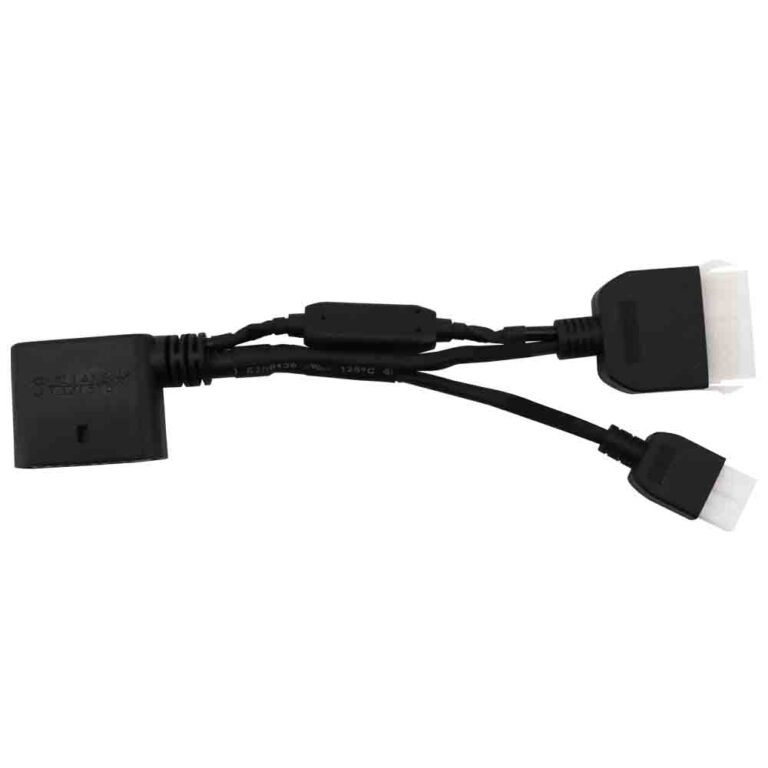
| Controller harness | Controller family, connector body, pinout, throttle signal, direction input, model year | Navitas assigns harness 40-000542 to Club Car Curtis 1510/1515, 40-000512 to E-Z-GO TXT 36V Curtis 1206MX, 40-000541 to TXT 48V Curtis 1206HB, and 40-000513 to Yamaha G29 Moric JW2. | Match the controller label and every connector against the current cross-reference. Similar plugs do not prove an identical pinout. |
| Solenoid | Coil voltage, continuous-duty rating, main-contact current, mounting, suppression device | Nivel catalogs separate 36V and 48V applications and model-specific replacements. | Read the original coil marking and wiring diagram. Pack voltage alone does not prove the coil voltage. |
| Wheel and tire | Bolt circle, lug seat and thread, center clearance, width, offset, tire diameter, load rating | Many cart wheels use a 4-by-4-inch (4-by-101.6mm) bolt circle. Nivel warns that some Yamaha applications use metric lug nuts while others use standard hardware. | Measure the bolt circle and identify the stud thread before ordering. Never force a nearly matching lug nut. |
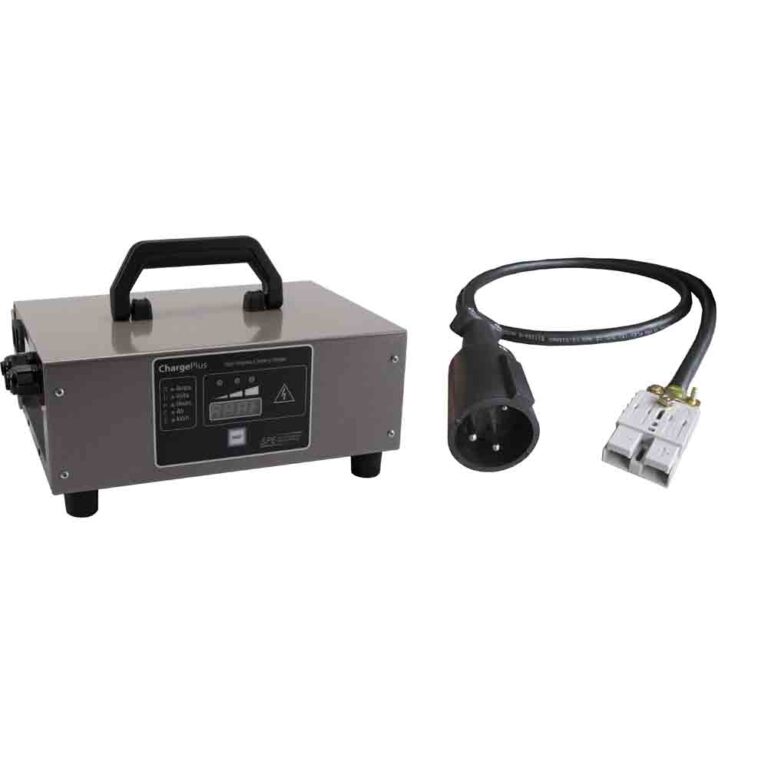
| Charger | Pack chemistry and voltage, plug, charge algorithm, OBC or interlock behavior | Lester identifies its 26610-21 as the legacy aftermarket unit compatible with an active Club Car OBC. Summit II applications can require the documented OBC bypass harness. | Confirm charger model, cordset, receptacle, and vehicle-side interlock in the charger maker’s current compatibility guide. |
The Motor Spline Trap
Spline count is a mechanical interface, not a brand slogan. Common Club Car series applications use a 10-spline shaft, while common E-Z-GO and Yamaha applications use 19 splines, but that still does not make every motor interchangeable. Motor family, mounting pattern, sensor arrangement, and controller strategy must also agree.
Catalog claims around older Yamaha generations can vary. If a listing mentions a different count, including 21 splines, treat it as a prompt to verify the exact motor rather than a rule for the whole brand. Counting the exposed shaft and matching the original motor number is faster than discovering the mismatch after installation.
Controller Connectors and Pinouts
A controller kit can have the right pack voltage and still be wrong for the cart. Navitas’ application table separates E-Z-GO TXT 36V Curtis 1206MX, TXT 48V Curtis 1206HB, Club Car Curtis 1510/1515, and Yamaha Moric systems with different harness part numbers, and the connector shell, throttle input, key circuit, direction input, and speed-sensor wiring all matter.
Before buying, compare the controller label, harness part number, plug keying, number of pins, and wiring diagram. If the manufacturer does not publish a cross-reference for the exact controller and cart, ask for written fitment confirmation tied to the serial number, because a seller’s broad year range is not a substitute for that record.
Solenoids: Match the Coil and the Load Circuit
The small terminals energize the coil. The large terminals carry traction current. A correct replacement must suit both sides, so match coil voltage, continuous-duty design, contact-current rating, mounting orientation, terminal layout, and any diode or resistor across the coil. Reversing polarity on a coil with a suppression diode can cause immediate trouble.
Do not choose a solenoid by appearance. A 36V and 48V unit may share a case while using different coils, and an upgraded controller can demand more contact capacity. The original part number and vehicle wiring diagram provide the baseline, and the replacement maker must explicitly approve the intended controller and pack.
Wheels, Lugs, Offset, and Clearance
A 4-by-4-inch bolt circle is common, but it is only the first measurement. Verify stud thread, lug-seat style, center clearance, wheel width, offset, and the assembled tire diameter. Nivel’s fitment notes distinguish metric Yamaha lug hardware from standard hardware on other applications, and the wrong thread can start by hand and still damage the stud when tightened.
Offset moves the tire inward or outward. A more outward position can clear suspension components but increases scrub radius and the load leverage at the bearings, while a more inward position can contact the spring, frame, or tie rod. Check clearance at full steering lock and through suspension travel, not only while parked straight.
Club Car OBC and Charger Compatibility
Some 48V Club Car vehicles use an active onboard computer in the charging circuit. Lester’s legacy guidance identifies a specific OBC-compatible charger, while its Summit II path can use a documented bypass harness, and that distinction matters because charger plug fit alone does not prove the cart will enable charging correctly.
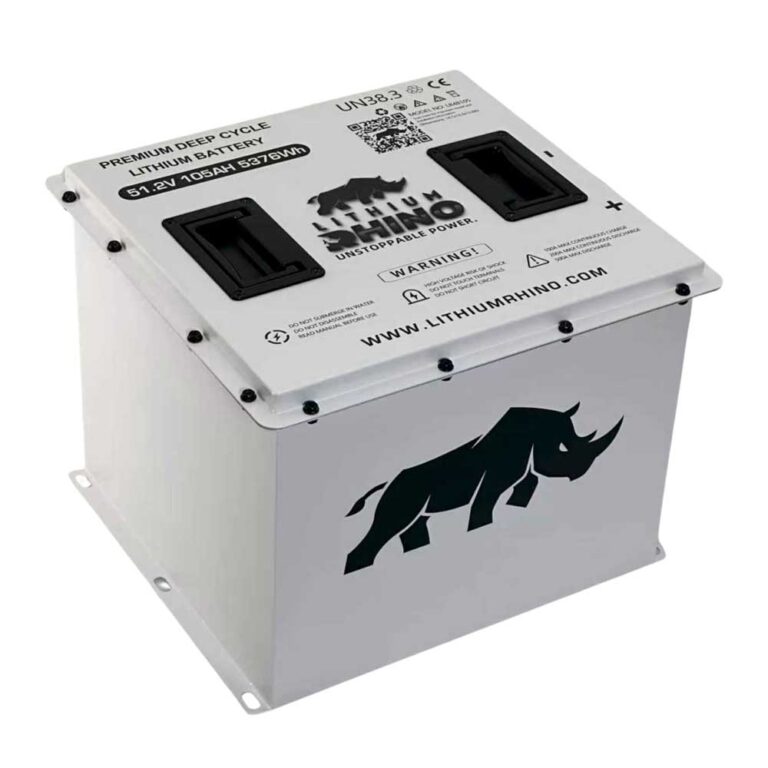
Confirm whether the OBC is active, bypassed, or absent, then choose the charger and cordset for that state and the installed battery chemistry. Lithium conversions also need the battery manufacturer’s approved charge profile, and connector adapters cannot correct an incompatible voltage or algorithm.
A Reliable Ordering Workflow
- Identify the cart. Decode the serial number and record model, year, voltage, and drivetrain.
- Identify the installed system. Photograph labels and connectors before removing anything.
- Find the original number. Use the cart maker’s parts catalog or service manual, including supersession notes.
- Cross-reference the replacement. Require a manufacturer document that names the original number, controller family, or exact cart application.
- Compare every interface. Check spline, connector and pinout, coil voltage, bolt pattern, offset, charger logic, dimensions, and ratings as applicable.
- Resolve conflicting literature. Installation manuals and serial-specific application tables take priority over a broad store title.
- Save the evidence. Keep the listing, data sheet, warranty, and written fitment confirmation with the receipt.
OEM is the known baseline, while aftermarket is a much wider design category. Buy by verified interfaces and part-number cross-reference, not by brand-level fitment language. OEM earns the premium on safety interlocks, molded shapes, and serial-resolved supersessions; aftermarket wins when the maker publishes stronger specs, a model-specific kit, and a traceable cross-reference. For more system context, use the diagnostics library and the golf cart repair guides.
Frequently Asked Questions
Are aftermarket golf cart parts as good as OEM?
They can be, because OEM and aftermarket are not two fixed quality grades. OEM identifies the original equipment channel, while aftermarket covers everything from direct-fit service replacements to performance controllers and motors. The useful question is whether a part matches the cart’s exact mechanical, electrical, and software interface, not which label it carries.
How do I know if a golf cart part will fit?
Build a cart ID sheet first: record the serial number and model year, pack voltage, controller make and number, motor label and spline count, charger receptacle, connector photos, and the original part number. Then require a manufacturer document that names the original number, controller family, or exact cart application. A seller’s broad year range is not a substitute for that record.
Do E-Z-GO and Club Car motors interchange?
Usually not. Common Club Car series applications use a 10-spline shaft while common E-Z-GO and Yamaha applications use 19 splines, and some catalog claims around older Yamaha generations mention other counts such as 21. Spline count is only the first check: motor family, mounting pattern, sensor arrangement, and controller strategy must also agree, so count the exposed shaft and match the original motor number.
When is OEM worth the extra money?
OEM earns its premium when the part controls a safety interlock, must match a proprietary molded shape, or has several superseded part numbers the vehicle maker resolves by serial number. Aftermarket makes sense when the manufacturer publishes stronger specifications, a complete model-specific kit, a clear warranty, and a traceable cross-reference, which is common for performance controllers and motors where you are intentionally changing output.