
How to Tell If a Golf Cart Is 36 or 48V
Your pack voltage decides which charger, controller, and batteries you buy. The fastest checks are counting batteries, metering the pack, and reading the charger label. Here are three reliable methods.
01 : Method 1: Count the Batteries
The quickest check is to open the battery compartment, count the batteries, and identify each one’s voltage (printed on the label or by the number of filler caps, three caps = 6V, four = 8V, six = 12V).
- 36V: Six 6-volt batteries.
- 48V: Eight 6-volt, six 8-volt, or four 12-volt batteries.
If your cart uses four 12V batteries, the guide on running 4 12V batteries in a 48V golf cart explains that exact setup.
02 : Method 2: Use a Meter to Tell If a Golf Cart Is 36 or 48V
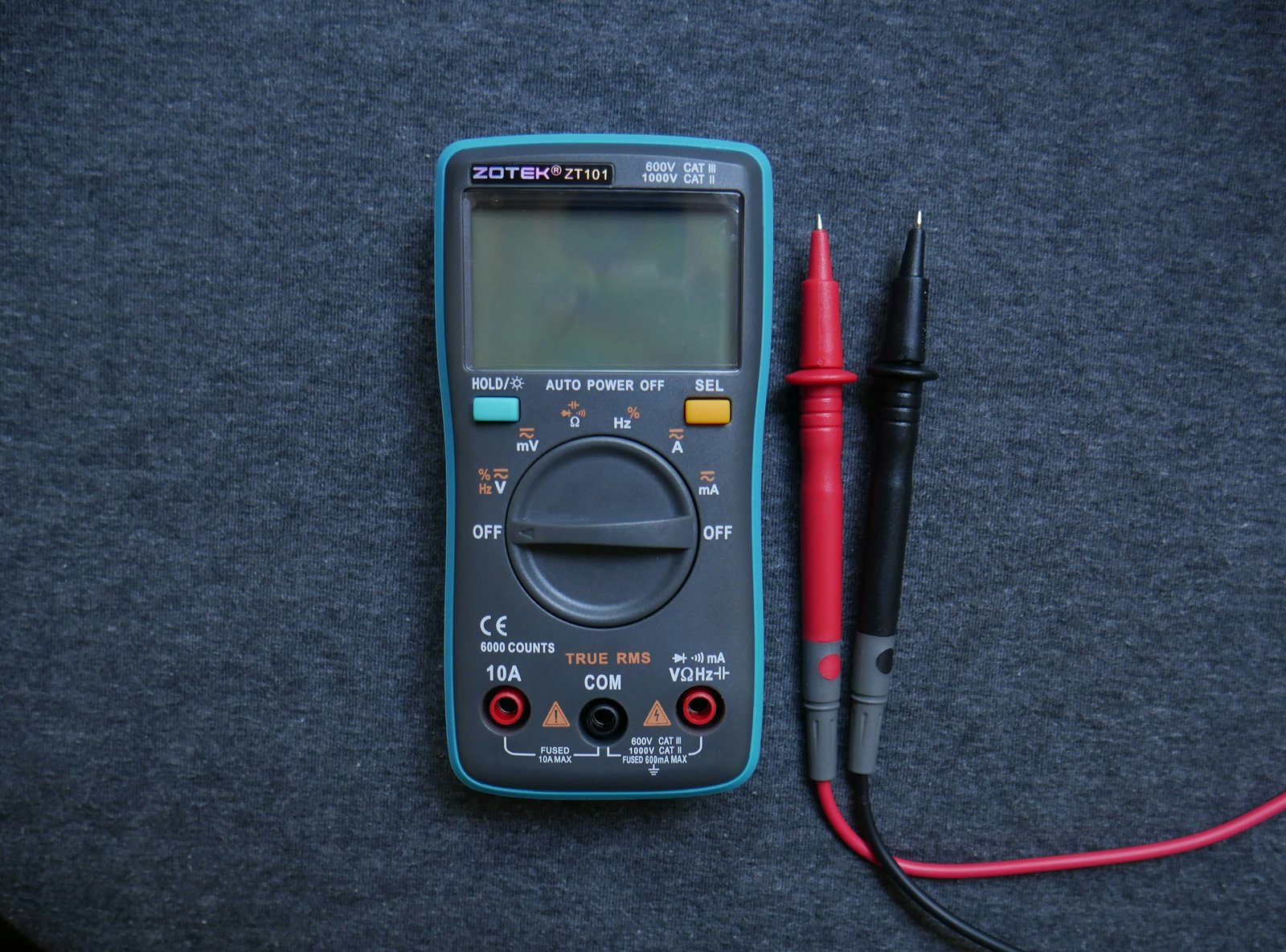
Set an appropriately rated digital multimeter to DC volts and measure only across the main pack positive and negative terminals. Trojan’s open-circuit chart gives 38.20V for a fully charged 36V flooded pack and 50.93V for a fully charged 48V flooded pack after at least six hours of rest, with 24 hours preferred. That makes the familiar 38-39V and 50-51V rules useful, but only as rested lead-acid ranges.
| Nominal system | Common battery-count options | Charged resting lead-acid | LiFePO4 identification range | Charger label |
|---|---|---|---|---|
| 36V | 6 x 6V flooded; some conversions use a single 36V-class lithium pack | 38.20V at 100% state of charge after at least 6 hours rest, preferably 24 | Pack-specific. A common 38.4V nominal pack may rest around 40-41V high in its plateau, but the BMS and manual are authoritative. | “36V” nominal system plus a lead-acid or lithium-specific charge profile |
| 48V | 8 x 6V, 6 x 8V, 4 x 12V, or a single 48V-class lithium pack | 50.93V at 100% state of charge after rest | A 51.2V nominal LiFePO4 pack often settles near 53-54V high in its plateau. Fresh charge can be higher: an official 48V RELiON example lists 57V peak charge and 54V float. | “48V” nominal system plus the correct chemistry profile; charger output during charge is higher than nominal |
A low reading can mean the pack is discharged, not that the cart has a lower nominal voltage. Count and label each battery, read the charger label, and compare the result with the full-pack meter reading. The voltage-drop guide covers safe load testing after nominal voltage is known.
03 : Method 3: Read the Charger
Your charger is matched to the pack, so its output label states 36V or 48V plainly. The plug style also differs between generations. If the charger won’t turn on, that can be a separate issue, see why a charger won’t kick on.
04 : Why It Matters
Voltage determines compatibility for every major component: chargers, controllers, solenoids, and reducers are all voltage-specific. Installing a 36V part on a 48V system (or vice versa) causes failure. Once you know your voltage, you can confidently plan upgrades like a voltage conversion or a battery replacement.
05 : Brand-Specific Voltage Notes
Voltage layout tracks closely with brand and model year. Club Car DS carts built before 1995 were almost all 36V with six 6V batteries, and the Precedent line (2004 and up) shifted to 48V with either six 8V or four 12V batteries depending on trim. E-Z-GO followed a similar path: the older TXT was commonly 36V, while the AC-drive RXV launched in 2008 was 48V from the start. Yamaha ran 36V on the G16 and G19 era and moved the Drive (G29, 2007) and Drive2 firmly to 48V.
A real quirk to watch: some 1990s Club Car DS carts were converted from 36V to 48V by previous owners without changing the data plate, so never trust the sticker alone. Always physically count the batteries and meter the pack before ordering a controller or charger.
06 : Common Mistakes When Checking Voltage
The most frequent error is confusing individual battery voltage with pack voltage. A single 12V battery in a four-battery bank does not make the cart a 12V system, the four wire in series to create 48V. Another mistake is metering a single battery instead of the full pack, which only tells you one cell is charged, not the system total.
Also be careful with mixed or replacement batteries. If a previous owner swapped in the wrong voltage battery to fill a tray, the count method can mislead you. That is exactly why the three-method cross-check exists: count, meter, and charger label should all agree. If any one disagrees, something has been modified and deserves a closer look before you spend money.
07 : Tools You Need for an Accurate Check
Use a digital multimeter with a DC-voltage range above the highest voltage the pack or charger can produce, intact insulated probes, and an appropriate measurement-category rating for the work. Wear eye protection around lead-acid batteries, remove conductive jewelry, and keep tools from bridging terminals. Follow the serial-matched shutdown procedure before exposing the pack.
A lithium BMS display or app is useful corroboration, but it does not replace the pack label and an independent meter when identifying modified wiring. Measure at the two main pack terminals, not across a single battery or an accessory tap.
08 : What to Do Once You Know Your Voltage
Knowing whether you have 36V or 48V unlocks every future decision. It tells you which charger connector to buy, which controller and solenoid part numbers to search, and whether a lithium conversion kit will bolt in cleanly. A 48V platform generally offers a bit more torque and range headroom, which is why many owners of older 36V carts eventually upgrade. Write your confirmed voltage on a label inside the battery compartment so you never have to re-diagnose it before your next parts order.
09 : Voltage and the Lithium Question
Lithium voltage is where a one-number shortcut becomes misleading. Many 48V golf-cart LiFePO4 packs are 51.2V nominal and sit near 53-54V through the upper resting plateau, but a charger may take the same pack into the upper-50V range before charge ends. The exact cell count, BMS limits, and charger setpoint decide the value. A reading of 53-54V strongly suggests a charged 48V-class lithium pack; it is not a universal “fully charged” specification.
Confirm lithium by reading the pack label and BMS display, not by voltage alone. Record nominal voltage, chemistry, capacity, maximum charge voltage, and continuous and peak current limits. Match the charger to those published pack values. A lead-acid charger labeled 48V and a lithium charger labeled 48V can have different charge algorithms even though both serve a 48V-class cart.
Voltage ID summary: battery count, full-pack measurement, and charger label should agree. If they do not, assume the cart has been modified and trace the serial number, controller label, pack label, and charger model before ordering parts.
Frequently Asked Questions
How do I tell if my golf cart is 36 or 48V?
Use three cross-checks: count batteries (six 6V equals 36V; eight 6V, six 8V, or four 12V equals 48V), meter the pack (about 38V vs 50V charged), and read the charger label. All three should agree.
What voltage should a charged pack read?
A charged 36V lead-acid pack reads roughly 38 to 39V and a 48V pack about 50 to 51V. A 48V lithium (LiFePO4) pack often reads higher, around 53 to 54V.
Can I trust the data plate for voltage?
No. Some carts were converted from 36V to 48V without changing the plate, so always physically count the batteries and meter the pack before ordering a controller or charger.
Why does pack voltage matter?
Chargers, controllers, solenoids, and reducers are voltage-specific. Installing a 36V part on a 48V system, or the reverse, causes failure.
Lab Verdict: To tell if a golf cart is 36 or 48V: count batteries (6x6V=36V; 8x6V/6x8V/4x12V=48V), measure the pack (~38V vs ~50V charged), and read the charger label. All three should agree.