
Advanced EV Golf Cart Error Codes: Read & Fix Guide
Advanced EV dash warnings are useful clues when you record the exact icon, timing, and symptom before clearing anything. Here is how to match a warning to the right circuit.
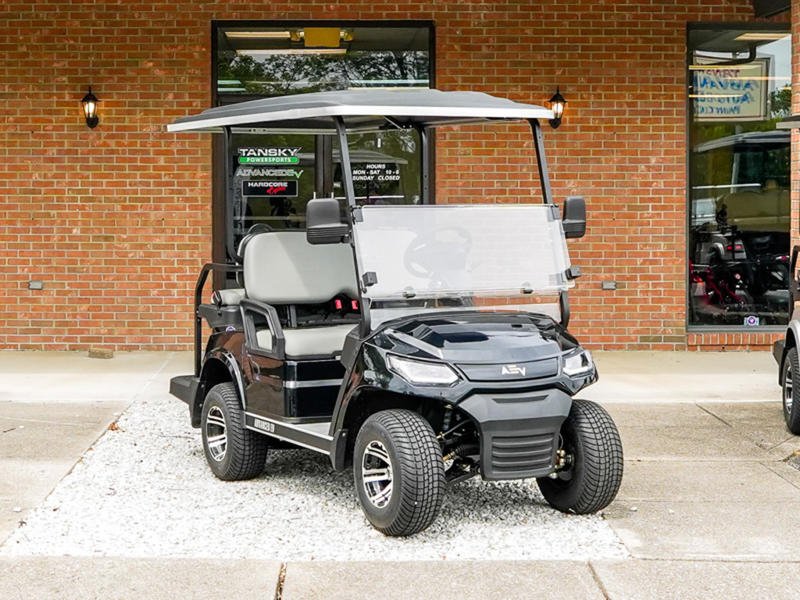
- Advanced EV has not published one universal Advent 4 dash-code table covering every year, battery, and controller, use the documented Toyota and Curtis paths instead.
- The 2022 Advent manual gives a Toyota AC controller malfunction table (5 flash groups) plus a Curtis red/yellow two-digit LED reading method.
- Newer Advent HD builds use a 48V 450A AdvancedEV controller, 48V/5kW AC motor, and Eco 51.2V 105Ah or 160Ah lithium pack, confirm your controller sticker and battery label before using any table.
- Check the tow/run switch before chasing electrical faults, it is easy to bump when loading cargo and mimics a drive fault.
The Advent 4 uses controller, battery, charger, throttle, and brake inputs to decide whether it should drive normally. A warning is not the repair, but it points you to the circuit to test first.
01. Document the Fault First
Take a photo and write down what the cart was doing. A warning while charging should not be diagnosed like a warning under throttle.
Advanced EV Advent documentation is more useful than the old generic warning list because it shows two controller paths. The 2022 Advent manual includes a “Malfunction Table of Toyota Controller (48V)” with five LED-flash fault groups, then a Curtis-controller section explaining how to read two-digit red/yellow LED codes. Current indexed Advanced EV Advent HD specs also show a 48V 450A AdvancedEV controller, 48V/5kW AC motor, Eco 51.2V 105Ah lithium pack, optional 160Ah lithium pack, and 51.2V 15A onboard charger on newer Advent HD builds. Older Advent cars can still be lead-acid or a different controller variant, so confirm the controller sticker and battery label before treating any code table as universal.
- Photo: Capture the exact icon, LED flash pattern, or wording before key cycling.
- Timing: Startup, charging, driving, and hill faults point to different systems.
- Key cycle: If it returns after one cycle, treat it as active.
02. Point the Warning at a Circuit
The Advent 4 does not have one public, model-year-universal dash-code table. What is public is better than the old generic category list: Advanced EV’s Advent manual gives a Toyota AC controller malfunction table and a Curtis LED-reading method, while Curtis publishes a 1232SE platform fault list. Use the table that matches the controller installed in your cart.
How to read Curtis-style LED codes: the Advent manual says the controller fault code is two digits. Red flashes tell you which digit is being shown, and yellow flashes give that digit’s value. For example, one red flash followed by three yellow flashes, then two red flashes followed by one yellow flash, reads as code 31. Multiple active faults can be shown in sequence.
| Code / Light | Source | Meaning | First Check |
|---|---|---|---|
| 1 flash group | Toyota controller table | Temperature anomaly, internal controller temperature too high or too low | Let the cart cool or warm, inspect controller area for blocked airflow, water, or load abuse |
| 2 flash group | Toyota controller table | External contactor coil or direction-switch connection anomaly | Inspect contactor coil wiring, F/R switch inputs, and connectors before replacing the controller |
| 3 flash group | Toyota controller table | Current anomaly, including high phase current or current-sensor reading out of range | Stop driving, inspect motor phase cables, controller connections, and signs of shorting |
| 4 flash group | Toyota controller table | Internal temperature sensor short or open condition | Inspect controller plug and harness. If wiring is clean, dealer controller diagnosis is likely needed |
| 5 flash group | Toyota controller table | Battery voltage sensor anomaly, including pack above 60V or below 36V on that 48V table | Measure pack voltage at the main pack and controller B+ and B-, then verify charger and battery health |
| Yellow flashing | Curtis controller LED | Controller operating normally | Look elsewhere if the cart still will not move |
| Red solid | Curtis controller LED | Watchdog failure or no software loaded | Cycle the key. If it returns, dealer programming or controller service is required |
| Red and yellow flashing | Curtis controller LED | Controller has detected a two-digit fault code | Read the code before resetting, then match it to the Curtis list for the installed model |
03. Pack and Charger Warnings
Battery warnings after storage, deep discharge, or hard climbs point toward BMS protection. Charger warnings belong with the charging guide, especially if the charger never starts.
First identify the pack. The current Advanced EV Advent HD spec sheet indexed by Advanced EV lists Eco 51.2V 105Ah lithium with a 160Ah upgrade, while the older Advent manual still includes lead-acid battery care and watering instructions. Eco Battery’s current 51.2V 105Ah thru-hole pack is LiFePO4, 16 cells, 5.3 kWh, 250A max continuous discharge, and 600A for 5 seconds. Eco also says its BMS protects against short circuit, over current, over charge, over discharge, high and low temperature, and freeze charging. So on a lithium Advent, battery warnings often mean BMS protection or communication, not just low state of charge.
| Code / Symptom | Supported Source | What It Points To | First Check |
|---|---|---|---|
| Toyota flash group 5 | Advanced EV Advent manual | 48V controller table voltage anomaly, above 60V or below 36V with recovery thresholds listed in the manual | Measure pack voltage with a meter. Do not rely only on the dash gauge |
| Curtis 17 | Curtis 1232SE platform list | Severe B+ undervoltage | Charge pack, load test weak batteries, inspect B+ fuse and main contactor closure |
| Curtis 18 | Curtis 1232SE platform list | Severe B+ overvoltage | Check charger output and regen conditions before driving again |
| Curtis 23 | Curtis 1232SE platform list | B+ undervoltage cutback, reduced drive torque | Recharge, then retest under load for voltage sag |
| Curtis 24 | Curtis 1232SE platform list | B+ overvoltage cutback, often during regen | Check battery resistance, charger state, and regen setup |
| Eco BMS protection | Eco Battery FAQ and pack specs | Over current, over charge, over discharge, temperature, freeze-charge, or short-circuit protection | Use the Eco app or display if installed, then match the alarm to the battery label and manual |
04. Throttle, Brake, and Speed Faults
Before chasing the pedal, confirm the tow or run switch under the seat is set to run. On street-legal builds like the Advent 4 it is easy to bump that switch when loading cargo, and in the tow position the controller intentionally kills drive and can flag a fault that looks like a throttle problem.
For Curtis-equipped carts, the fault list is specific enough to avoid guesswork. Use these as controller-platform codes unless your Advanced EV dealer confirms the exact controller model and VCL setup in your cart. Curtis also allows OEM-defined VCL faults, so codes 51 through 67 may not mean the same thing on every vehicle.
| Curtis Code | Meaning | Likely Advent Circuit | First Check |
|---|---|---|---|
| 12 | Controller overcurrent | Motor phase wiring, encoder noise, or controller setup | Stop driving and inspect U, V, and W motor cables for shorting or loose lugs |
| 14 | Precharge fault | Capacitor bank, B+ load, precharge path | Check main contactor and anything added to B+ that may keep the capacitors from charging |
| 22 | Controller overtemp cutback | Controller heat protection | Cool down, inspect controller mounting, airflow, load, and tire size |
| 28 | Motor temperature hot cutback | Motor temp sensor or real motor heat | Cool down, inspect motor temp input, hill load, brake drag, and tire size |
| 31 | Main open/short or coil driver open/short depending on setup | Main contactor or driver wiring | Inspect driver load, contactor coil, dirty pins, bad crimps, and harness damage |
| 32 | EM brake open/short or coil driver open/short depending on setup | Electromagnetic parking brake circuit | Inspect brake connector and wiring before condemning the brake |
| 36 | Encoder or Sin/Cos sensor fault | Motor speed sensor | Inspect motor encoder plug, sensor wiring, and vibration-related dropouts |
| 38 | Main contactor welded | Main contactor stuck closed or alternate voltage path | Do not keep cycling the key. Test contactor state safely |
| 39 | Main contactor did not close | Main contactor, B+ fuse, or precharge load | Listen for contactor click, then test coil power and B+ fuse |
| 41 or 42 | Throttle wiper high or low | Pedal sensor signal | Confirm pedal return, sensor plug, 5V supply, and wiper signal |
| 47 | High Pedal Disable or sequencing fault | Key, direction, interlock, or throttle order | Release pedal, return F/R to neutral, cycle key, then inspect switches if it returns |
| 92 | EM brake failed to set | Parking brake hold or motor movement after brake command | Inspect EM brake, wiring, and rolling movement after shutdown |
05. The Bottom Line on Advent Codes
Error codes are most valuable before they are cleared. Capture the warning, LED flash pattern, or dash message, then match it to the controller and battery actually installed in the cart.
The honest answer is that Advanced EV has not published one public Advent 4 dash-code table that covers every model year, battery, and controller. The public 2022 Advent manual does publish Toyota controller flash groups and the Curtis red/yellow two-digit reading method. Curtis publishes a 1232SE platform fault list, and Eco Battery publishes real LiFePO4 BMS protections and 51.2V 105Ah pack specs. That is enough to diagnose smarter than a generic battery-throttle-brake list, but not enough to call every Curtis platform code an Advanced EV dash code. If the code comes back after a key cycle, photograph it and test that circuit before replacing the controller.
Document the fault before clearing it, then match the flash pattern or LED code to the Toyota or Curtis controller table for the exact controller installed. Battery, throttle, and brake circuits are the most common causes behind an active warning.
Frequently Asked Questions
How do I read Advanced EV golf cart error codes?
Record the dash icon or message and note when it appears. Use the warning type to choose the battery, charger, throttle, brake, speed sensor, or heat circuit.
Will a key cycle clear a Advanced EV error?
It may clear a temporary warning. If the code returns, the fault is active or stored and should be diagnosed.
Why does my Advanced EV show an error and slow down?
The controller or BMS may be protecting the cart from low voltage, heat, throttle error, brake switch error, or speed sensor data loss.

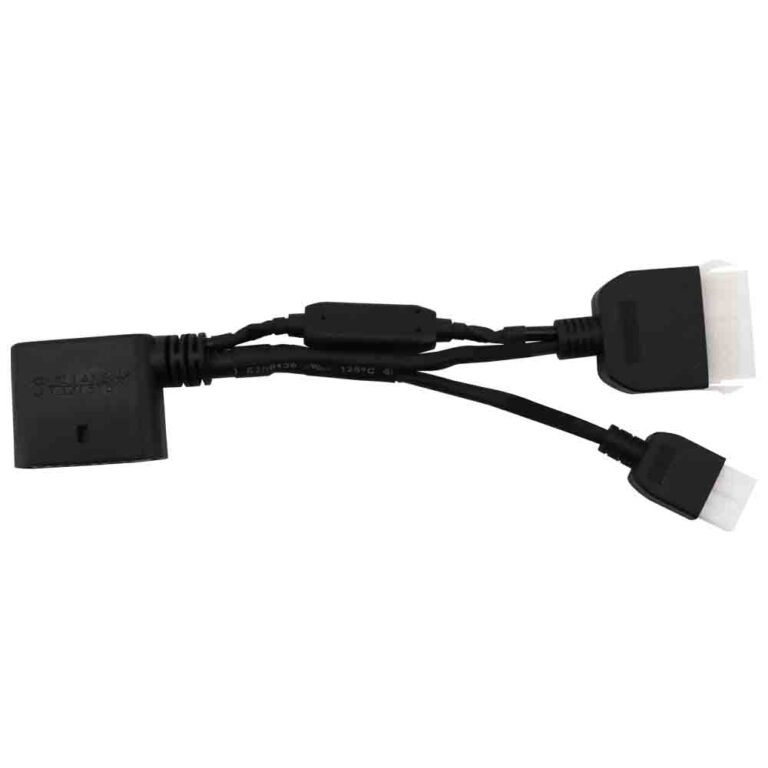
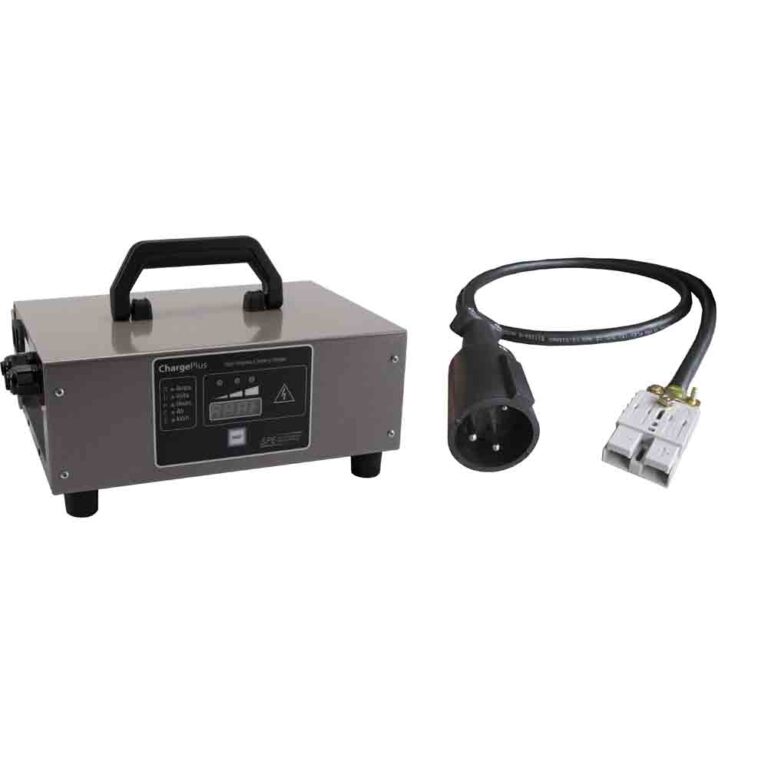
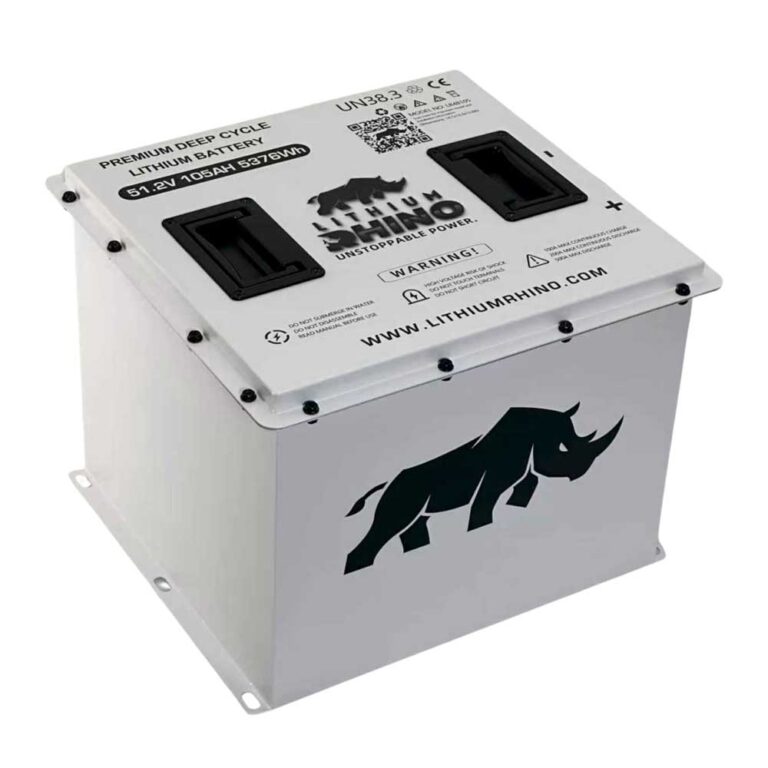
I have a 2025 Advance EV golf cart. I washed it ( which I had done several times) & after I dried it off, it would not move forward or reverse. Everything else works find. I noticed a blue picture of a cart with a line across it. I pushed on the symbol & it gave me a warning code of 68 with a note that it seems it trying to go into forward & reverse at the same time. I took the switch out & blew it out & put a hair dryer on it to attempt to dry it out. It worked for a couple of days & then went back to doing the same thing. I ordered a new switch & put it in & still have the same issue. What should I do next?
Hi Steve, the Advanced EV manual confirms this fault means the controller is seeing Forward and Reverse at the same time. Since replacing the switch didn’t fix it, the connector, wiring, or controller input needs to be isolated next.
Please email support@golfcartlab.com with the subject “Steve-Code 68” and include:
1: Exact model and build year and photos of serial plate
2: Dashboard photo showing the symbol and code
3: Controller-label photo
4: Photos of the new switch and connector
5: Whether the new switch is OEM
Meanwhile, park securely, unplug the charger, and put the selector in Neutral. Turn the key off, wait 15 seconds, then restart in Neutral without touching the accelerator. Note whether code 68 appears immediately or only after selecting Forward or Reverse.
With the key and main power off, inspect the switch plug for moisture, corrosion, bent/pushed-back pins, or damaged wiring. Please don’t jumper wires or open the controller.
Send us the photos and results, and we’ll provide the correct pin-specific test and likely repair or replacement part.