Used Golf Cart Buying Guide: Inspection Checklist
A step-by-step inspection checklist for buying a used cart with confidence, what to verify, test, and walk away from, plus real sourced price anchors by age and model so you know what a fair offer looks like.
- Decode the real serial-number year first, sellers routinely guess or inflate a cart’s age.
- The battery bank is the single biggest cost risk: a lead-acid six-pack runs about $1,400, named 105Ah lithium packages run $2,178 to $2,700.
- There is no official price guide, but sourced dealer data puts a typical 5 to 10 year old fleet cart around $5,000 to $6,000.
- Walk away from a seller who refuses a test drive or battery inspection.
A used golf cart can be a fantastic value or an expensive headache, and the difference comes down to inspection. Because carts are simple machines, a careful buyer can spot nearly every costly issue in half an hour, if they know exactly what to check, and what a fair price actually looks like.
Verify the true year and model
Start here, because everything else depends on it. Sellers routinely guess (or inflate) a cart’s age. Find the serial number and decode it yourself rather than trusting the listing, our serial number decoder turns it into a model year, model, and likely voltage in seconds.
Knowing the real year tells you what the cart should be worth, what parts it takes, and whether the price matches reality. If the decoded year is older than the seller claimed, you have instant negotiating leverage, or a reason to walk away.
Test the battery bank (the big one)
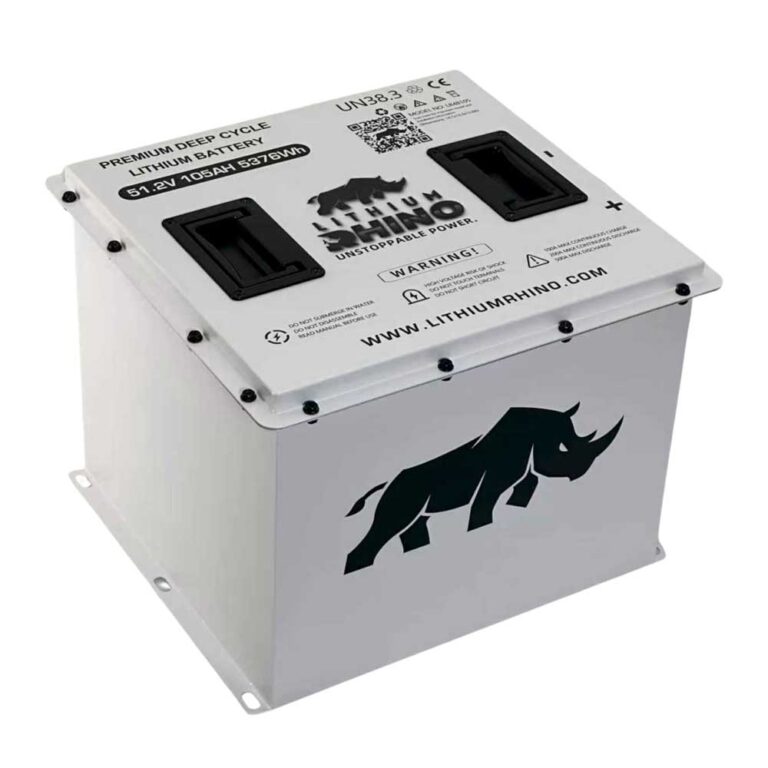
The battery bank is the single most expensive thing to replace, so it deserves the most scrutiny. The old “$700 to $3,000” rule is too loose by itself. Current sourced anchors are better: a six-pack of Trojan T-105 6V flooded batteries priced from Continental Battery at $232.99 each comes to about $1,398 before tax, core charges, cables, or installation, while named 105Ah lithium packages checked this update ranged from Eco Battery’s $2,178 battery-only pack to Allied’s $2,700 RS Commercial 48V 105Ah package.
- Ask the battery date, most have a date stamp; lead-acid over 4-5 years old is near end of life.
- Check voltage and water level, low electrolyte and corrosion signal neglect.
- Drive it after a full charge, a pack that fades quickly or struggles on a hill is on its way out.
If the cart needs batteries soon, that is not necessarily a deal-breaker, just negotiate the verified replacement cost off the price. See how many batteries a golf cart needs to estimate the bill, then price the exact voltage, Ah, charger, and installation parts before making an offer.
Inspect the frame, body, and tires
Structural problems are expensive and sometimes deal-ending. Steel-framed carts (most E-Z-GO and Yamaha) can hide rust, especially in wet or coastal climates; Club Car’s aluminum frame is far more resistant. Look underneath with a flashlight for corrosion, cracks, or sloppy welds.
Check the tires for even wear and adequate tread, uneven wear can hint at alignment or suspension issues. Look over the body for cracks and faded, brittle plastic, and make sure the seats and canopy are sound. These are cosmetic but factor into price.
The test drive and mechanical check
Never buy a cart you have not driven. On the test drive, run through these checks:
- Accelerate from a stop, it should be smooth, without hesitation or jerking.
- Climb a hill, weak hill performance points to tired batteries or a worn motor.
- Listen for grinding, whining, or clicking from the motor and rear end.
- Test the brakes, they should stop the cart firmly and evenly.
- Try forward and reverse, lights, horn, and any accessories.
A loud whine or a solenoid that clicks without moving the cart are classic warning signs covered throughout our repair guides, price any needed repairs into your offer.
Charger, wiring, and paperwork
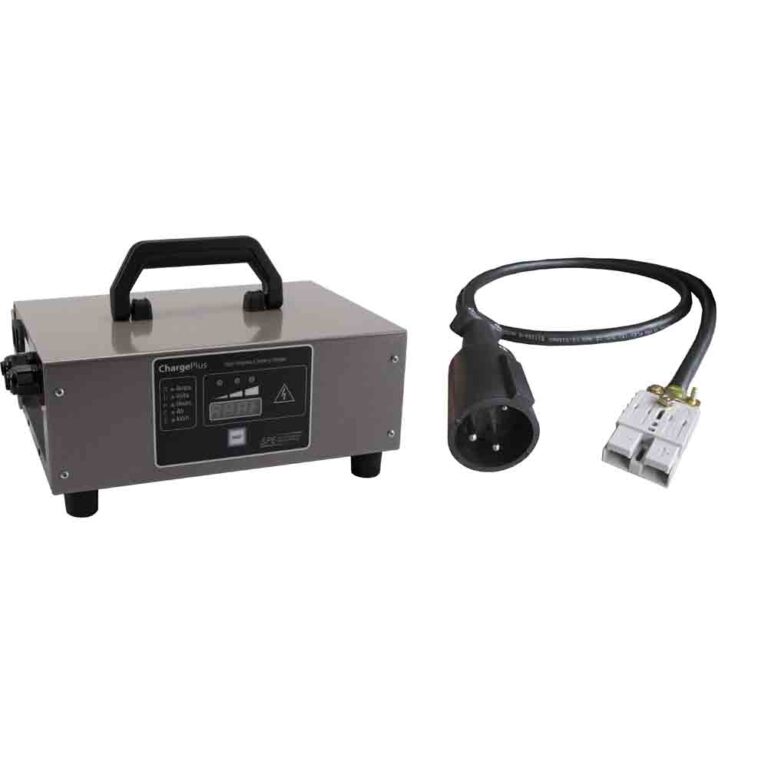
Confirm the cart comes with a working, correct charger, a replacement charger is a real cost, and lithium carts need a lithium-specific one. Open the battery compartment and look at the wiring: clean, tidy connections are a good sign, while melted insulation, corrosion, or a tangle of add-on splices suggest deeper problems.
Finally, get the paperwork. A bill of sale, the serial number, and any service records protect you and help with future registration or warranty questions. If you plan to make the cart street legal, confirm what your area requires before you buy.
Red flags that should give you pause
Walk away, or negotiate hard, if you spot any of these:
- A seller who refuses a test drive or will not let you inspect the batteries.
- A serial year that does not match the seller’s claim.
- Visible frame rust, melted wiring, or a missing or mismatched charger.
- A price that seems too good, it usually means a hidden cost like a dead battery bank.
What a used golf cart is worth in 2026
There is no Kelley Blue Book style official golf cart price guide that covers every private-party cart, battery, and local market. The best published data found for this update is market-based asking-price data from GolfCartSearch’s model pages, treat these as negotiation anchors, not guaranteed sale prices.
| Age and power type | Sourced 2026 price anchor | How to use it |
|---|---|---|
| Under 5 years, lead-acid/PTV | 2020 Club Car Precedent fair price $4,995; 2021 E-Z-GO TXT fair price near $3,995; Club Car CPO electric models start at $5,999. | A clean newer cart below the CPO starting point can be fair if batteries are healthy; a weak pack should pull the offer down by the replacement cost. |
| Under 5 years, lithium/premium | Club Car CPO 4 Forward lithium starts at $8,999 before freight/setup; Onward used values average around $8,995 across a 39-listing sample. | Lithium, rear seats, LSV gear, and dealer refurbishing can push newer carts close to five figures. |
| 5 to 10 years, common fleet platforms | Club Car Precedent median $5,450 (208 listings); E-Z-GO TXT median $5,399 (214 listings); E-Z-GO RXV median $5,795 (413 listings). | This is the core used market. Battery date, charger condition, body work, and true 4-passenger build matter more than the badge. |
| 5 to 10 years, Yamaha Drive/Drive2 | Median around $7,375, with most dealer listings $5,150 to $8,295. | Yamaha examples can price higher when condition is clean and local supply is tight, but still verify battery age and serial year. |
| 10 years or older | Club Car DS averages around $3,250; older Precedent years commonly land $2,995 to $5,450 depending on condition. | Older carts can be a bargain only if the frame, charger, steering, and batteries are healthy. |
| Gas carts | No official age-by-age gas-only guide found; market listings show value is driven by brand, engine condition, and service history. | Price against comparable local gas listings, not an electric fleet-cart median, and add engine/belt/fuel checks. |
For a fair offer, start with the closest model-year anchor, then subtract near-term repairs. A cart advertised at $5,500 with batteries that need replacement can really be a $6,900 to $8,200 purchase once a sourced lead-acid or lithium replacement is included. A higher-priced cart with verified new batteries, a matching charger, clean frame, and paperwork may be the cheaper cart over the next two years.
The bottom line
Buying a used golf cart is one of the best values in personal transportation, if you do the homework. Before you start shopping, our cart finder quiz can shortlist the right models for your budget and needs. Verify the year, test the batteries under load, inspect the frame, and drive it before you decide.
Treat the inspection as non-negotiable, not optional. The thirty minutes it takes to run through this checklist routinely saves buyers hundreds or thousands of dollars. Pair this guide with our new vs used comparison and cost guide to know exactly what a fair price looks like before you make an offer.
When inspecting a used cart, decode the year before judging the price. A seller may call a cart a 2018 because that is when they bought it, while the serial plate shows a 2012 chassis. Club Car Precedent, Onward, EZGO TXT, RXV, Yamaha Drive, and Drive2 all have year ranges where body panels look similar but controllers, chargers, and brake parts differ. On lithium conversions, ask who installed the battery, whether the charger was changed, and whether the 12V accessories use a proper reducer. A clean seat and shiny wheels do not offset a weak pack, bent frame, or mismatched charger.
Verify the year, test the batteries under load, check the frame and tires, drive it on a hill, and confirm the charger and paperwork. Start every inspection by decoding the serial with the serial decoder.
Frequently Asked Questions
What should I check when buying a used golf cart?
Verify the true model year from the serial number, test the battery bank under load, inspect the frame for rust, drive it on a hill, and confirm the brakes, charger, tires, and paperwork. The batteries are the most expensive item, so check them first.
How do I know if a used golf cart has good batteries?
Ask the battery date (lead-acid over 4-5 years is near end of life), check the water level and terminals for corrosion, then drive the cart after a full charge. A pack that fades fast or struggles uphill is worn out and needs replacing.
What is a fair price for a used golf cart?
There is no official price guide, but sourced dealer and marketplace data puts a typical 5 to 10 year old Club Car or E-Z-GO fleet cart around $5,000 to $6,000 median asking price, with older carts often landing near $3,000 and newer lithium or CPO models closer to $9,000. Use these as negotiation anchors, then subtract the cost of any needed repairs.