Navitas AC Conversion Kit Review
Navitas TAC2 conversions combine an AC motor, 440A or 600A controller, wiring, mounting hardware, on-the-fly control, and app support in platform-specific kits. Fitment is determined by the exact cart and drive system.

- Navitas TAC2 is a matched AC conversion, not a controller-only shortcut on a DC cart.
- Expected advantages are broad usable torque, controlled regenerative braking, brushless motor operation, and app-assisted setup.
- The kit is worthwhile for hills, heavy use, controlled regen, and a performance build that can support complete installation.
- Navitas TAC2 is a credible high-output conversion when purchased by exact vehicle part number and installed as a matched system.
Navitas TAC2 conversions combine an AC motor, 440A or 600A controller, wiring, mounting hardware, on-the-fly control, and app support in platform-specific kits. Fitment is determined by the exact cart and drive system.
What The Navitas AC Kit Includes And Costs
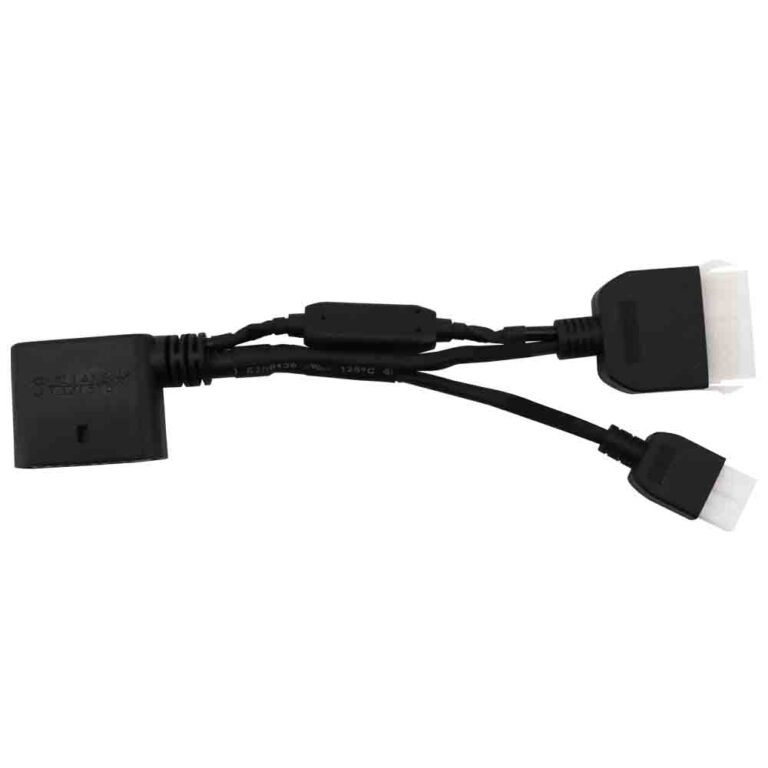
Navitas TAC2 is a matched AC conversion, not a controller-only shortcut on a DC cart. Current platform pages list 440A and 600A controllers with 4kW motors, plus selected 600A and 5kW combinations. A typical complete listing includes the motor, controller, on-the-fly programmer, vehicle module, mounting parts, motor and battery cables, and platform harness.
| Platform example | Current selector detail | Fitment caution |
|---|---|---|
| Club Car Precedent/IQ | 440A or 600A with 4kW; selected 600A with 5kW | Confirm APPS/IQ drive, voltage, and motor spline |
| E-Z-GO TXT48 | 440A/4kW and 600A/5kW listings with 19T motor | Not an Elite lithium fitment unless specifically listed |
| E-Z-GO RXV | Controller packages for existing AC drive variants | Curtis and Danaher versions differ; motor is not automatically included |
| Yamaha G29/Drive2 | 440A/4kW and 600A/4kW listings with 19T motor | YDRE2 controller-only variants must be identified |
Navitas does not publish one universal direct MSRP for every current kit. Use the exact part number and a current quote.
Parts note: The TAC2 kits we stock are listed by cart, and each product page lists exactly what is in its box. See conversion kits
What Navitas AC Kit Owners Actually Report
Expected advantages are broad usable torque, controlled regenerative braking, brushless motor operation, and app-assisted setup. The Navitas app can expose speed, acceleration, regen, and diagnostics on supported systems. Measure results with loaded hill speed, motor and controller temperature, pack current, and watt-hours per mile rather than relying on an unloaded wheel-speed claim. To see which TAC2 kit fits your cart, and whether a DC controller kit would do the job instead, use the AC conversion kit finder.
The DC versus AC comparison explains why this is a system change. A 600A label is controller capability, not a command to draw 600A from every battery.
The Honest Cost And Setup Trade-Offs
Installation requires safe pack isolation, correct motor spline and rotation, controller mounting, phase and encoder wiring, throttle calibration, contactor and cable inspection, firmware setup, and a controlled first test. Navitas recommends supporting hardware by current level in its TAC2 FAQ, including a heavy-duty solenoid and larger cable guidance for higher-current systems.
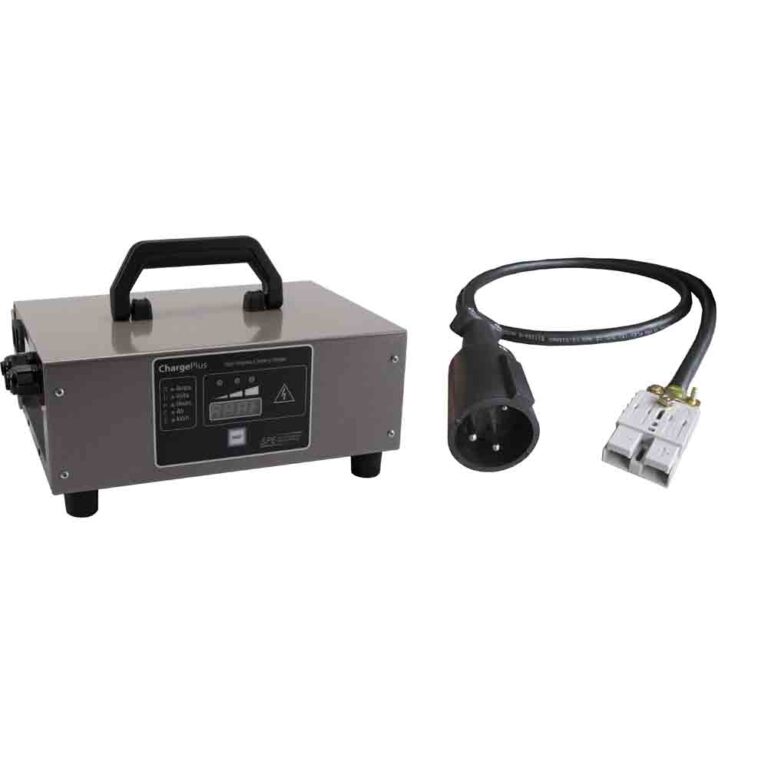
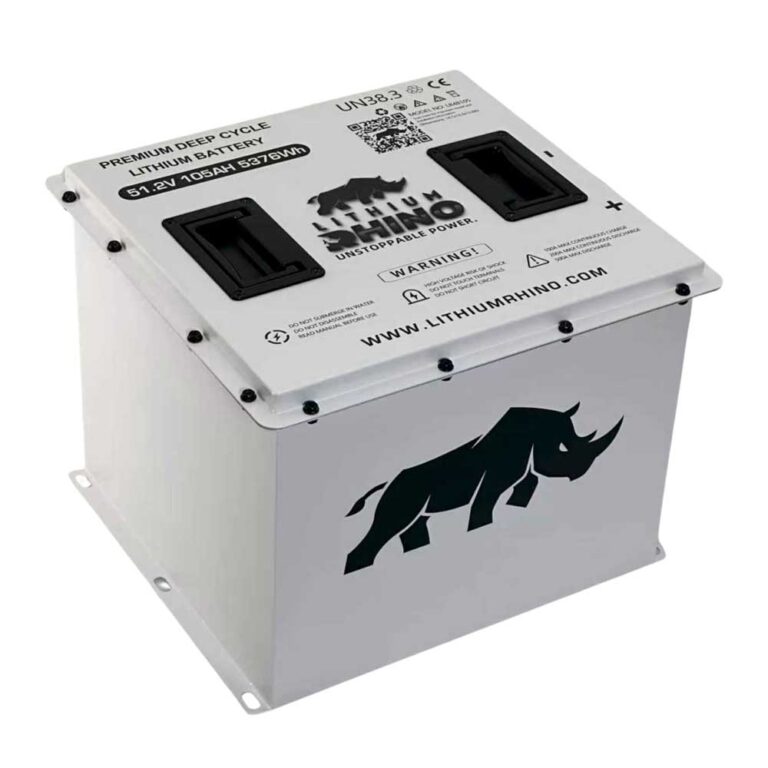
A charger does not automatically need replacement when motor and controller change. It does need replacement if pack voltage or chemistry changes, or if its profile no longer matches the battery. Lithium is not mandatory, but the battery must sustain the requested current without excessive sag or BMS trips.
Is The Navitas AC Kit Worth It For Your Cart?
The kit is worthwhile for hills, heavy use, controlled regen, and a performance build that can support complete installation. It is excessive when the actual problem is low battery voltage, dragging brakes, failed cables, a worn stock motor, or a modest acceleration request that a conservative DC controller can satisfy.
Confirm platform, year and serial, OEM controller, battery voltage and chemistry, motor spline, tire size, brake condition, legal-speed requirement, and current quote. Compare alternatives in Alltrax versus Navitas versus Curtis and Club Car specifics in the fitment guide.
The Bottom Line On The Navitas AC Kit
Navitas TAC2 is a credible high-output conversion when purchased by exact vehicle part number and installed as a matched system. The main risk is not the AC architecture; it is ordering from a cart name alone or ignoring battery, contactor, cable, brake, and thermal limits.
Request a quote that identifies every Navitas part number and states whether the motor is included. RXV listings deserve special attention because the cart already uses AC and controller variants differ. Confirm the old controller maker, motor feedback connector, battery system, and Elite status before treating an RXV package like a TXT48 conversion.
Before commissioning, save the supplied baseline, confirm motor direction and encoder feedback, calibrate the throttle, and keep speed and current conservative. Test regen at low speed with room to stop mechanically. Then monitor pack sag, BMS events, inverter and motor temperature, and terminal heat on the steepest route.
The app is a tuning and diagnostic interface, not a substitute for hardware limits. Full-battery or temperature conditions can reduce charge acceptance and regen. The mechanical brakes must remain capable without regen, while steering, tires, axle, and suspension must support the configured speed. Keep the wiring diagram and final parameter file with the vehicle. Record kit serial numbers, app version, tire diameter, and final settings for later service.
Rank it against other golf-cart upgrades.
Frequently Asked Questions
Is the Navitas AC conversion kit worth it?
For performance-focused owners with the budget and a lithium battery, yes, it delivers big torque and speed gains, regenerative braking, and app tuning. It is overkill and over-budget for anyone wanting only a modest pep bump.
How much does a Navitas AC conversion kit cost?
A complete Navitas AC kit (motor, controller, programmer) typically costs $1,500 to $3,000 and up, depending on the power level and your cart model.
Reviewed and updated July 30, 2026 by the Golf Cart Lab team.