How to Make a Golf Cart Faster: 5 Proven Speed Upgrades
Five proven upgrades that add real speed, ranked from cheapest to most involved, with real controller amp ratings, the speed-vs-torque motor tradeoff, and a calculator to predict your gains.
- Upgrade in order of value: taller tires first, then a high-output controller, then a performance motor, then more voltage or lithium.
- Taller tires are the cheapest real speed, adding about 28% from an 18-inch to a 23-inch tire, but need a lift kit and cut low-end torque.
- A controller is the best-value electrical mod, but pick one with a known amp rating (Navitas TSX3.0 up to 600A, Alltrax XCT 300 to 570A peak) and match the solenoid, cables, fuse, and pack to that current.
- Build the electrical foundation before chasing top speed: a cart that cannot hold voltage at stock speed will not be reliable at 25 mph.
Almost every golf cart leaves the factory governed well below what its hardware can do. The good news is that unlocking more speed is one of the most accessible upgrades there is, if you understand the four levers that control it and upgrade them in the right order. If a controller upgrade is on your list, match the amp rating to a solenoid and cable first with the controller amp calculator, then read the deeper controller upgrade guide.
The four levers that control speed
A golf cart’s top speed comes down to a simple chain: the motor spins, the gear ratio steps it down, and the tire size turns those revolutions into distance. Change any link and you change the speed. Every upgrade below pulls one of these levers:
- Tire diameter: taller tires cover more ground per turn.
- Gear ratio: a lower number trades torque for speed.
- Motor RPM: higher-speed motors and more voltage spin faster.
- Controller limits: the controller caps current and can govern speed.
How to make a golf cart faster with bigger tires
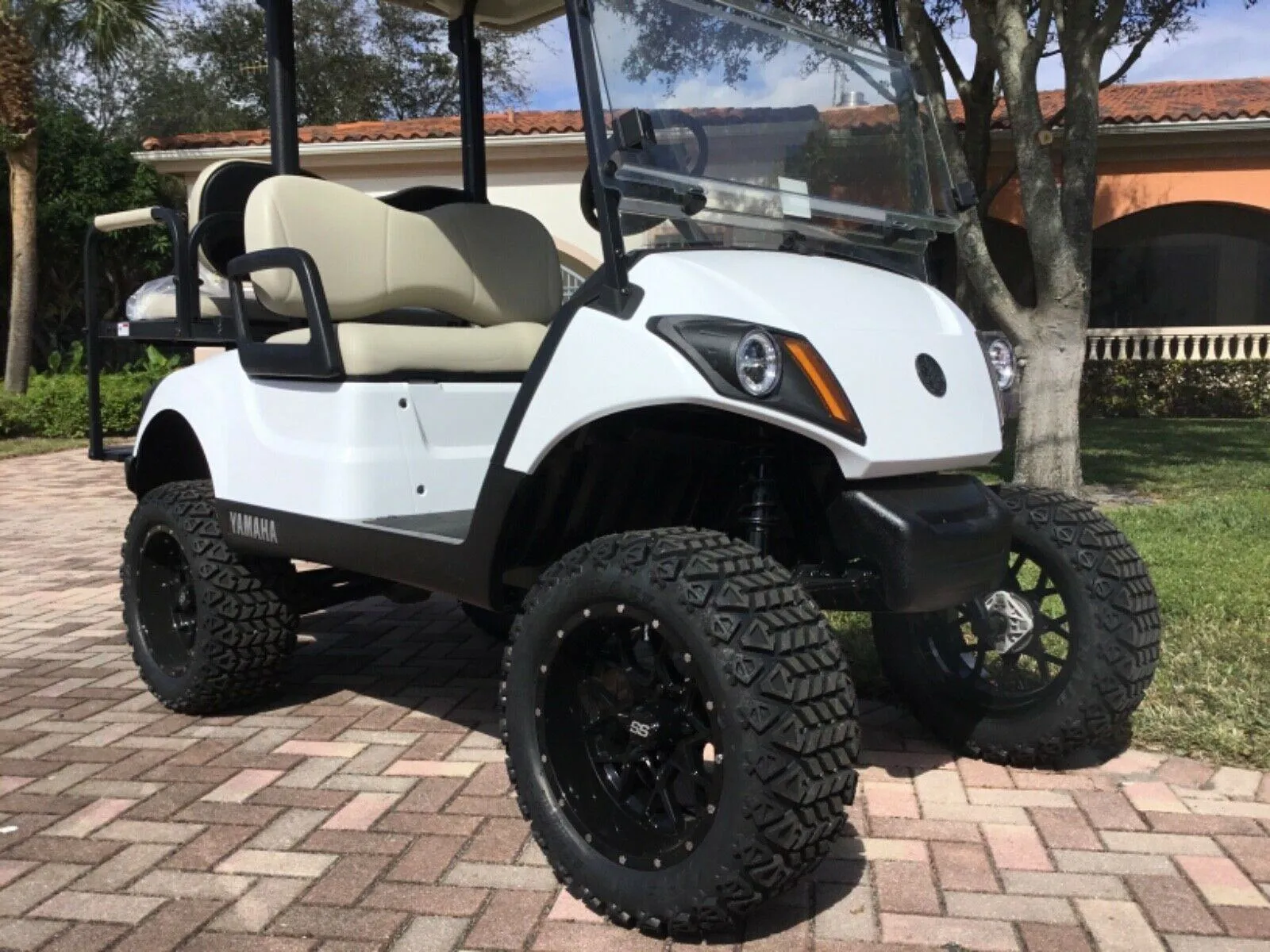
Taller tires are the cheapest speed mod and often the first one people make. Because top speed scales directly with tire diameter, going from a stock 18-inch tire to a 23-inch tire adds roughly 28% to your top end, turning a 15 mph cart into about 19 mph with no electrical changes at all.
There are two catches. First, you usually need a lift kit to clear larger tires. Second, taller tires reduce low-end torque, so the cart launches and climbs hills more slowly, and your factory speedometer will read low until recalibrated. Our tire size vs. torque guide covers that trade-off in depth.
Upgrade the controller
The controller is the brain that decides how much current reaches the motor. Stock controllers are deliberately conservative for battery life and safety. A real speed build starts by choosing a controller with a known amp rating, then matching the solenoid, cables, fuse, motor, and battery or BMS to that current.
| Controller family | Verified rating context | Best use note |
|---|---|---|
| Navitas TSX3.0, p/n 10-000685 family | Navitas publishes TSX3.0 as 36-48V with up to 600A motor current and 50A peak field current. | Common Club Car, E-Z-GO, and Yamaha sepex upgrade path. Confirm the exact kit harness for your cart. |
| Alltrax XCT48300, XCT48400, XCT48500 | Alltrax’s XCT specification sheet lists 300/350A, 400/460A, and 500/570A peak modes by model. | Use the model suffix to know the current class. The larger number depends on Peak Amp Mode in Toolkit. |
| Curtis 1236/1238 AC controller family | Curtis 1236/1238 documentation covers 24-80V systems with roughly 300-650A two-minute current ratings by model. | Platform-level AC controller reference. Use the label and exact Curtis model before buying replacements. |
This is usually the best bang-for-buck electrical upgrade because it unlocks performance the rest of your drivetrain may already have. It is also where weak supporting parts get exposed. If a controller can pull 500A or 600A, the main contactor or solenoid, battery cables, lugs, fuse, and pack current limit must be rated for that amperage. Use the controller amp calculator and the full controller upgrade guide before ordering parts. Controller makers like Navitas publish fitment and speed-gain guidance for their kits.
For shopping, the part number matters more than the brand name alone. “Navitas 600A” and “Alltrax 500A” are useful shorthand, but the harness plug, throttle type, motor family, voltage class, regen support, and programming file decide whether the controller fits your cart. Photograph the existing controller sticker, motor tag, solenoid rating, battery label, and pedal sensor connector before comparing kits.
Parts note: The Alltrax AC1 route is a complete AC system, not the XCT DC-controller-only path discussed above. See the Alltrax AC1 TXT kit
Upgrade the motor
If the controller alone is not enough, a performance motor is the next step. Motors are wound for different tradeoffs. A speed wind is built to carry more rpm for higher top end, but it gives up some low-speed pull and can heat up if the cart is heavy, lifted, or used on hills. A torque wind builds stronger launch and climbing power, but it usually gives up some maximum rpm. To see whether a controller kit or a full AC conversion suits your cart, try the AC conversion kit finder.
That tradeoff matters more than the label on the box. A flat-neighborhood cart on stock tires can use a speed motor differently than a lifted six-passenger cart with 23-inch tires. Pair the motor with the controller current limit, battery current capability, tire diameter, and axle ratio. A speed motor with too little current feels soft; a torque motor with too much speed demand can run hot.
For most owners chasing speed, a balanced speed motor paired with an upgraded controller is the sweet spot. Pushing a stock motor too hard with a big controller generates heat that wears brushes and bearings quickly, so respect the safe RPM limits for your setup.
Parts note: A complete AC1 kit matches its 5.5kW motor and 650A controller to the documented cart application. See the Club Car AC1 kit
Add voltage or convert to lithium
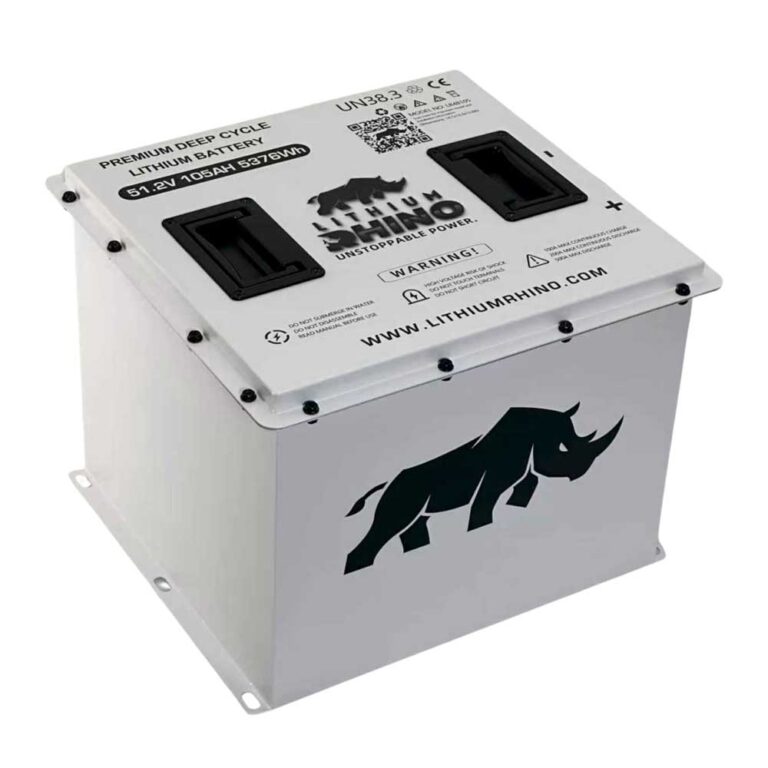
More voltage means more motor RPM, so converting a 36V cart to 48V is a classic speed and torque upgrade. A lithium conversion can do the same while also cutting weight and holding voltage flatter, so the cart stays strong deeper into the charge. Because faster driving burns more energy per mile, check how a speed build affects your driving range with the range calculator before you commit.
Do it safely and legally
Speed without matching upgrades is a recipe for trouble. As you add pace, also consider:
- Brakes: stopping distance grows sharply above 20 mph, so upgrade if you push real speed.
- Tires and suspension: stock parts were tuned for lower speeds.
- Local law: standard carts are not street legal much above 20 mph; an LSV is built and capped at 25 mph.
Want a baseline before you spend anything? See the fastest stock golf carts and read our full guide on how fast a golf cart goes. The smartest builds raise speed and protect reliability at the same time.
Cost vs. speed gain at a glance
Here is roughly what each upgrade costs and what it delivers, so you can plan a build that fits your budget and your goal rather than buying parts piecemeal:
| Upgrade | Typical cost | Speed gain | Best for |
|---|---|---|---|
| Taller tires + lift kit | $300-$800 | +15-28% | Cheapest real speed |
| High-output controller | $300-$700 | +10-25% | Best value electrical mod |
| Performance motor | $400-$900 | +15-30% | Serious top-end builds |
| 36V to 48V conversion | $600-$1,500 | +20-30% | Older 36V carts |
| Lithium conversion | $1,500-$3,000 | +5-15% | Speed + range + weight |
These dollar ranges are typical street-price planning ranges for parts and common kits, not a single manufacturer quote. Labor, battery quality, charger changes, cable and solenoid upgrades, and brand-specific harness kits can move the invoice sharply.
Stacking a controller with a speed motor and a tire upgrade is the classic recipe for a cart that comfortably runs in the mid-20s. Pricing varies by brand and whether you install it yourself, but this ordering gets you the most speed per dollar at each step. Do not start by installing the tallest tires that fit: first verify pack health under load, brake drag, cable gauge, and solenoid rating, then raise speed in small steps.
Frequently Asked Questions
How can I make my golf cart faster for cheap?
The cheapest way to make a golf cart faster is taller tires, which raise top speed in direct proportion to diameter, about 28% from an 18-inch to a 23-inch tire. You usually need a lift kit to clear them, and they reduce low-end torque and read low on the factory speedometer until recalibrated.
Will upgrading the controller make my golf cart faster?
Yes. A high-output controller raises the current limit and removes conservative speed governing, improving both acceleration and top speed. Choose a controller with a known amp rating (for example a Navitas TSX3.0 rated up to 600A, or an Alltrax XCT48300/400/500 at 300 to 570A peak) and make sure the solenoid, cables, fuse, motor, and battery or BMS can handle that current.
What is the best order to upgrade a golf cart for speed?
Start with taller tires (cheapest real speed), then a high-output controller (best value electrical mod), then a performance motor, then more voltage or a lithium conversion. Match every upgrade to the rest of the drivetrain and your brakes, and verify pack health, cable gauge, and solenoid rating before pushing real speed.
Does a speed motor or a torque motor make a cart faster?
A speed wind carries more rpm for a higher top end but gives up some low-speed pull and can run hot on a heavy or lifted cart. A torque wind builds stronger launch and hill-climbing power but usually gives up some maximum rpm. For most owners chasing speed, a balanced speed motor paired with an upgraded controller is the sweet spot.