Which Golf Cart Is Best for Me? A Simple Buyer Framework
Match seating, terrain, speed, and budget to the right model, voltage, and battery, with real current-model anchors and a free finder quiz that scores the lineup for you.
- Size the cart to your real use first: count the most passengers you carry regularly, then add one.
- 48V is the mainstream modern default; 36V is the cheap flat-course lane, and 72V is a niche high-performance platform.
- On electric carts, price the battery pack into the deal; a tired lead-acid pack can cost $1,200 to $2,500 to replace.
- Real anchors help: a Club Car Onward comes in 2, 4, and 6 passenger and a 25 mph LSV package with a 375A AC controller.
01 : Start With How You’ll Actually Use It
Before looking at a single brand, write down your real-world use case. The most common buyer regret is not picking the “wrong” brand, it is buying a cart sized for the wrong job. A two-seat golf cart is perfect on the course and miserable when it suddenly needs to haul three grandkids and a cooler.
- Passengers: Count the most people you will regularly carry, then add one. 2-seaters for couples and golf; 4-seaters for families; 6-seaters for community shuttling.
- Terrain: Flat paved streets need very little; hills, grass, and trails demand more voltage, torque, and ground clearance.
- Speed and street use: If you will drive on public roads you likely need a street-legal LSV with lights, signals, mirrors, seat belts, a VIN, and more-than-20 mph but 25-mph-or-less capability.
- Hauling: Utility beds, towing, and gear change whether you want a standard cart or a utility/UTV-style platform.
| Buyer use case | Real model anchor | Why it fits |
|---|---|---|
| Golf and neighborhood two-seater | Club Car Onward 2 Passenger | Club Car lists a one-row 2-seat layout, up to 19 mph, and gas, flooded lead-acid, and lithium power choices. |
| Family four-seater with rougher paths | Club Car Onward 4 Passenger Lifted | The lifted Onward 4 uses a longer 114 inch package than the non-lifted 108 inch version and is built around 4-passenger personal transport. |
| Longer shuttle or community cart | Club Car Onward 6 Passenger | Club Car’s 6-passenger spec sheet shows a 143 inch non-lifted length and 148 inch lifted length, which is a different class from a compact golf car. |
| Street-legal neighborhood EV | Club Car Onward LSV 4 Passenger | Club Car publishes a 25 mph LSV package with a 375A AC controller and lithium range options, so it is a cleaner source-backed street-legal anchor than a generic neighborhood cart. |
02 : Electric or Gas, and How Much Power
For most buyers the honest answer is electric. Electric carts are quieter, cheaper per mile, and need far less maintenance, with no oil, no belts, and no carburetor. Gas still wins for very long days far from an outlet and for heavy towing, but it is a minority case. We break the trade-offs down fully in our gas vs. electric golf cart guide.
If you go electric, voltage is shorthand for the system class, but not every voltage is equally common. Modern consumer carts are overwhelmingly 48V-class or lithium systems that replace a 48V lead-acid pack. Yamaha’s current Drive2 PTV electric spec, for example, lists a 48V AC motor. Club Car Onward personal carts also sit in the common 48V/lithium shopping lane.
| System | Best For | Notes |
|---|---|---|
| 36V | Older flat-course carts and light neighborhood use | Cheapest used-cart lane; weaker on hills and usually older electronics. |
| 48V | The mainstream modern default | Best balance of power, range, parts support, charger support, and used-cart availability. |
| 72V | Niche high-performance or specific-brand platforms | Not a normal first shopping filter for most consumer carts. A 2025 Bintelli Beyond parts manual lists a 72V 165Ah lithium battery in the platform parts diagrams, while many mainstream current shopping pages still sit in the 48V-class lane. Buyers should confirm the exact battery label and model year. |
03 : Set a Budget That Includes Batteries
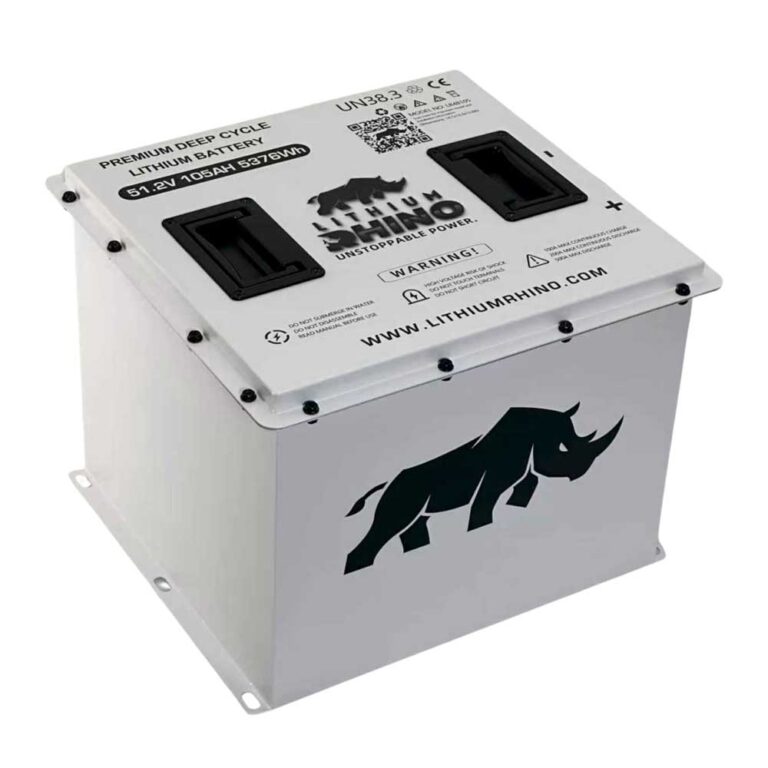
The sticker price is only part of the story. On an electric cart the battery pack is the most expensive wear item, and a used cart with tired lead-acid batteries can need $1,200-$2,500 in replacements within a year, which can erase the “deal.” A lithium (LiFePO4) pack costs more up front but lasts far longer and needs no watering. See real price ranges in how much a golf cart costs and the long-run math in our lead-acid vs. lithium ROI breakdown.
If you’re weighing a cheaper used cart against a new one, our new vs. used golf cart guide walks through when each makes sense.
04 : Which Golf Cart Is Best for Me, Use the Finder
Knowing the framework is one thing; matching it to specific models is another. Rather than guess, answer six quick questions and let the tool score the whole lineup for you. Our Which Golf Cart Should I Buy finder quiz weighs seating, terrain, street-legal needs, and budget against real models, then returns your top three matches, each linked to a year-by-year used-value page so you know what a fair price looks like before you shop.
Buying new? The U.S. Department of Transportation’s FMVSS standards (NHTSA) define what makes a low-speed vehicle street-legal, worth a read if you plan to drive on public roads.
05 : Common Buying Mistakes to Avoid
Even with the right framework, a few mistakes trip up first-time buyers again and again. The biggest is buying on looks alone, a flashy lifted cart with big tires may be wrong for a flat retirement community, and a bare golf-spec cart frustrates a family that wanted to cruise the neighborhood. Decide the job first, then let the styling follow.
The second mistake is ignoring battery condition on a used cart. Sellers often list a cart as “runs great” when the pack is months from needing $1,500 in replacements. Always ask the battery age, check the manufacture date stamped on the batteries, and test the range on a full charge before you commit. A cart that only goes a few miles before sagging has a tired pack regardless of how it looks.
Third, buyers forget about street-legal requirements until after the purchase. If you intend to drive on public roads, confirm the cart can be registered as a low-speed vehicle in your state, retrofitting lights, signals, mirrors, and seat belts after the fact is far more expensive than buying a cart already equipped. Settle the use case, the budget including batteries, and the legal question up front, and you will rarely regret the buy.
06 : Should You Buy New or Used?
Once you know the class of cart you need, the last question is condition. A new cart gives you a warranty, a fresh battery pack, and the exact configuration you want, which is reassuring for a first-time buyer who does not want surprises. The trade-off is depreciation, like a car, a golf cart loses value fastest in its first couple of years, so you pay a premium for that peace of mind.
A well-chosen used cart can be the smarter buy if you inspect it carefully and price the battery pack into your offer. Many lightly used carts from courses and communities have plenty of life left at a fraction of new-cart cost. The finder quiz points you to the right models either way, and the per-model value pages it links show what a fair used price looks like for each year, so you can shop new or used with the same confidence.
The Bottom Line
Pick the cart that fits your passengers, terrain, and street-legal needs first, then choose voltage and battery chemistry to match, and budget for the pack, not just the sticker. Run the finder quiz to turn that framework into three concrete, fairly-priced models. Buyer Verified
Frequently Asked Questions
Which golf cart is best for me if I have a family?
For most families a 4 or 6 passenger 48V electric cart is the best fit, balancing seating, power, and running cost. Something like a Club Car Onward 4 Passenger Lifted uses a longer 114 inch package built around family transport. Use the finder quiz to match your exact passenger count and terrain to specific models.
Is 48V or 72V better for a golf cart?
For most buyers 48V is the right default: it has the best balance of power, range, parts support, and used-cart availability. 72V is a niche high-performance or specific-brand platform, such as a Bintelli Beyond that lists a 72V lithium battery, and is not a normal first shopping filter. Confirm the exact battery label and model year.
Is a gas or electric golf cart better for beginners?
Electric is better for most beginners: it is quieter, cheaper per mile, and needs far less maintenance with no oil, belts, or carburetor. Gas only pulls ahead for very long days away from an outlet or heavy towing.
Should I buy a new or used golf cart?
A new cart gives a warranty, a fresh pack, and the exact configuration you want, but depreciates fastest in its first years. A well-inspected used cart can be the smarter buy if you price the battery pack into your offer. The finder quiz and our new versus used guide help you decide.