Bintelli Golf Cart Won’t Turn On (No Power): Fix
No dash, no lights, no response from the key. On a Beyond, the lithium pack, its BMS, and the street-legal accessory wiring add several places voltage can disappear before you should suspect the controller.
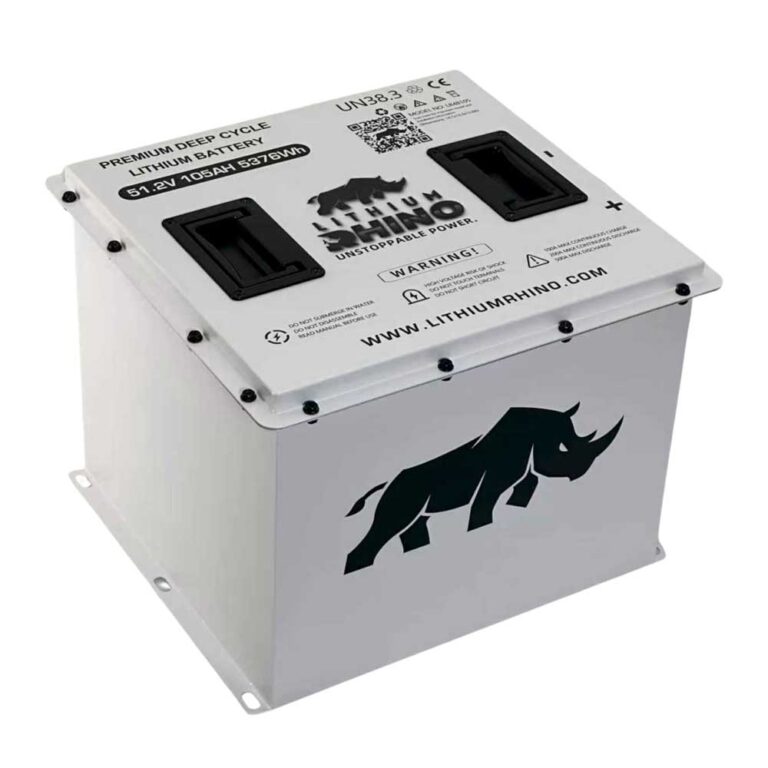
- The lithium battery has its own physical power switch separate from the dash key. If it is off, the cart will not run even with the key cycling normally.
- Verified pack baseline (2025 Beyond 4 Passenger Lifted parts manual): 72V 165Ah lithium battery, 72V 5kW motor, JEVD1-72M450L controller, 400A fuse, main contactor. Do not assume every Beyond is 48V or 51V; older years and variants differ, so match the battery label.
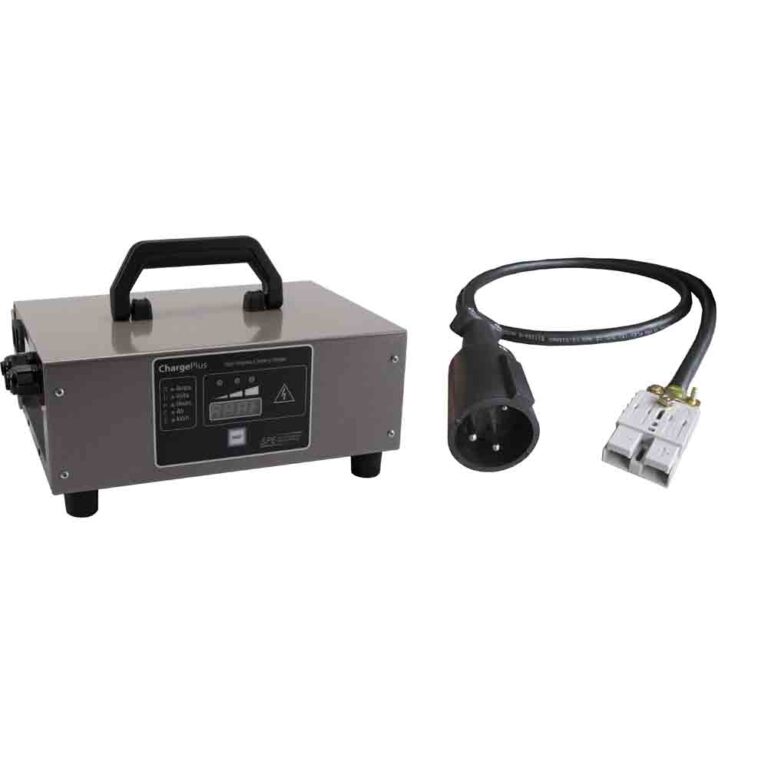
- Bintelli tells owners to unplug the charger before turning the vehicle on. A charger-lockout interlock can hold the cart dark while AC power is still applied, which looks exactly like a dead key switch.
- A healthy pack with a failed DC/DC converter can still produce a dark dash, since headlights, turn signals, horn, and some dash feeds run on the low-voltage accessory bus, not traction voltage.
- Work the checklist in the same order every time: charger unplugged, Tow/Run in Run, battery switch on, Neutral confirmed, pack voltage at the battery, main fuse, converter input/output, key input/output.
No dash, no lights, and no response from the key means the power supply needs to be proven before any drive part matters. On the Beyond, the lithium pack and the street-legal accessory wiring add several places where voltage can disappear. Work from the battery outward: the physical battery switch, the pack itself, the main fuse, the DC/DC converter, and finally the key switch and dash feed.
01: Start With the Two Power Switches
A Bintelli Beyond can be dead for two different switch reasons. The Tow/Run switch must be in Run for normal operation, and the lithium battery has its own physical power switch on the side of the battery. Bintelli’s current Beyond manual says that if the battery power switch is not on, the cart will not run. That switch is separate from the dash key, so do not skip it just because the key feels normal.
- Battery switch: confirm the switch on the lithium battery itself is on before measuring anything else.
- Tow/Run: put Tow/Run in Run for diagnosis, and use Tow only when pushing, towing, or powering down for service.
- Key and neutral: for the normal start sequence, confirm Neutral before turning the ignition on, release the parking brake, then select direction.
02: Confirm the Correct Pack Baseline
Do not diagnose every Beyond as a 48V or 51V cart. The 2025 Beyond 4 Passenger Lifted parts manual verifies a 72V 165Ah lithium battery, a 72V 5kW motor, a JEVD1-72M450L controller, a 400A fuse, and a main contactor for that model. Older Beyond documents and battery variants do not publish one universal voltage and amp-hour spec, so the battery label and exact model year still win.
| Check | What It Proves | Use This Result |
|---|---|---|
| Battery label | Actual voltage, chemistry, and capacity for your cart | Match charger, meter range, and parts to that label |
| Pack output at main terminals | Whether the battery switch and BMS are passing traction voltage | Zero volts points to the switch, BMS sleep, fuse, or an open pack output |
| 400A main fuse area (2025 4P Lifted) | Whether the high-current feed is open | Test with power off and use insulated tools |
| Contactor input and output | Whether pack voltage reaches the controller side when commanded | Separates a no-power problem from a later no-move problem |
03: Separate Traction Voltage From 12V Accessory Power
The Beyond has a DC/DC converter and a separate power-steering DC/DC converter in the current parts manual. That manual names the parts but does not publish a service voltage range, so treat a driveway test as a 12V accessory-bus check rather than a Bintelli factory spec. With the pack awake, a healthy low-voltage bus should behave like a typical 12V system, roughly 12 to 14V at the accessory side. If full pack voltage enters the converter and the output is dead or unstable, the cart can look lifeless at the dash even though the lithium battery is awake.
That distinction matters. Headlights, turn signals, horn, infotainment, USB, and some dash feeds live on the low-voltage circuit. A good 72V pack with a failed converter can still produce a no-dash complaint. A dead pack output, by contrast, must be solved before the converter can be judged at all.
04: Check Charger Lockout Before Chasing the Key Switch
Bintelli tells owners to unplug the charger before turning the vehicle on. The Bintelli-hosted Lester Summit Series II manual explains why: the charger lockout signal can be interfaced with the vehicle controller to prevent movement while charging, and on onboard configurations it is active while AC power is applied. On a no-power complaint, first remove AC power, unplug the charge cord, and let the cart fully wake before judging the key switch.
If the cart wakes after you unplug the charger, that was not a failed key switch. It was the intended interlock doing its job. If it stays dark, continue outward: battery switch, pack output, fuse, converter input, converter output, key input, key output.
05: Key Switch and Dash Feed Test
- Key input: with the battery switch on and Tow/Run in Run, one side of the key switch should show the low-voltage feed for the dash circuit.
- Key output: turning the key on should pass voltage to the dash or wake circuit. Input present with no output points at the key switch or its connector.
- Ground path: a weak dash ground can mimic a dead key. Check the ground before replacing the display.
- Drive next: if the dash wakes but the cart will not move, move to the Bintelli no-move guide.
06: Waking a Sleeping Lithium BMS
A sleeping lithium BMS can make pack output read zero even when the cells are not ruined. On a Beyond, use the charger that matches the battery label, confirm the battery power switch is on, and give the charger time to begin its wake process. The current Beyond manual warns owners to recharge before the meter falls to 20 percent or less and says reaching zero percent can create recharging issues. That is a practical clue: deep discharge is a real no-power path, but it should not be guessed at without voltage readings.
If the charger never starts, do not keep cycling the key and hoping. Check the charge port, AC circuit, charger status, battery switch, and pack label. If the pack is deeply discharged below the charger’s handshake window, dealer recovery may be needed.
07: Fuses, Relays, and Hidden Open Circuits
The 2025 Beyond 4 Passenger Lifted parts manual lists a 400A fuse, a 12V 30A relay, a fuse box assembly, a main contactor, and the DC/DC converter. Those are the places to inspect before condemning the controller. Work with the vehicle fully powered down when touching terminals, and do not bypass the 400A fuse with a jumper; a high-current lithium pack can deliver dangerous fault current.
Dealer accessories add another layer. Extra lighting, stereos, USB chargers, and aftermarket switches can create poor grounds or open inline fuses. If the fault began after an accessory install, inspect that circuit without assuming the core Bintelli harness failed.
08: A Repeatable No-Power Checklist
Use the same order every time: unplug the charger, set Tow/Run to Run, turn the lithium battery power switch on, confirm Neutral before key-on, release the parking brake, read pack voltage at the battery, check the main fuse, check converter input and 12V output, test key input and output, then inspect dash connectors and grounds. This order keeps the diagnosis in layers, from stored energy to low-voltage controls.
Most wrong turns on a dead Beyond come from assuming the controller is bad too early. If the dash is dark, the controller has not even had a fair chance to prove itself. Current 2025 Beyond 4 Passenger Lifted data is strong enough to publish exact 72V 165Ah, 72V 5kW, JEVD1-72M450L, and 400A fuse details for that trim, but it is not strong enough to claim every older Beyond shares the same battery or controller. If your serial tag, battery label, or charger label differs from the 2025 source set, use the label as the final authority and check with a Bintelli dealer.
Work from stored energy outward. Unplug the charger, confirm both the Tow/Run switch and the physical lithium battery switch, read pack voltage at the battery (72V 165Ah on a 2025 4P Lifted, otherwise match your label), then check the main fuse, the DC/DC converter, and finally the key switch and dash ground. Prove pack and converter power before replacing anything.
Frequently Asked Questions
Why is my Bintelli golf cart completely dead?
Common causes include the lithium battery power switch, Tow/Run position, a sleeping BMS, low pack voltage, a blown main fuse, a failed DC/DC converter, a bad ground, charger lockout, or a failed key feed. Work from the battery outward rather than guessing at the controller first.
How do I wake a Bintelli lithium battery?
Confirm the battery power switch is on, use the charger that matches the battery label, and let the charger begin its wake process. If charging never starts, diagnose the port, charger, AC circuit, and pack voltage before assuming the cells are damaged.
Can a bad key switch make a Bintelli look dead?
Yes. If voltage enters the key switch but does not leave with the key on, the dash and controller may stay off. Prove pack and converter power first, since a dead pack or a failed DC/DC converter produces the exact same symptom and is more common.
What voltage battery does a Bintelli Beyond use?
It depends on the model and year. The 2025 Beyond 4 Passenger Lifted parts manual verifies a 72V 165Ah lithium battery with a 72V 5kW motor and JEVD1-72M450L controller. Older Beyond years and other battery variants are not confirmed to share that same spec, so check the battery label on your specific cart before ordering a charger or parts.