Advanced EV Golf Cart Won’t Move: Interlocks, BMS, Controller, and Pedal Tests
Diagnose an Advanced EV that powers up but will not drive by checking Tow/Run state, direction sequencing, brake interlocks, lithium wake state, Toyota or Curtis controller warnings, solenoid behavior, and pedal signal.
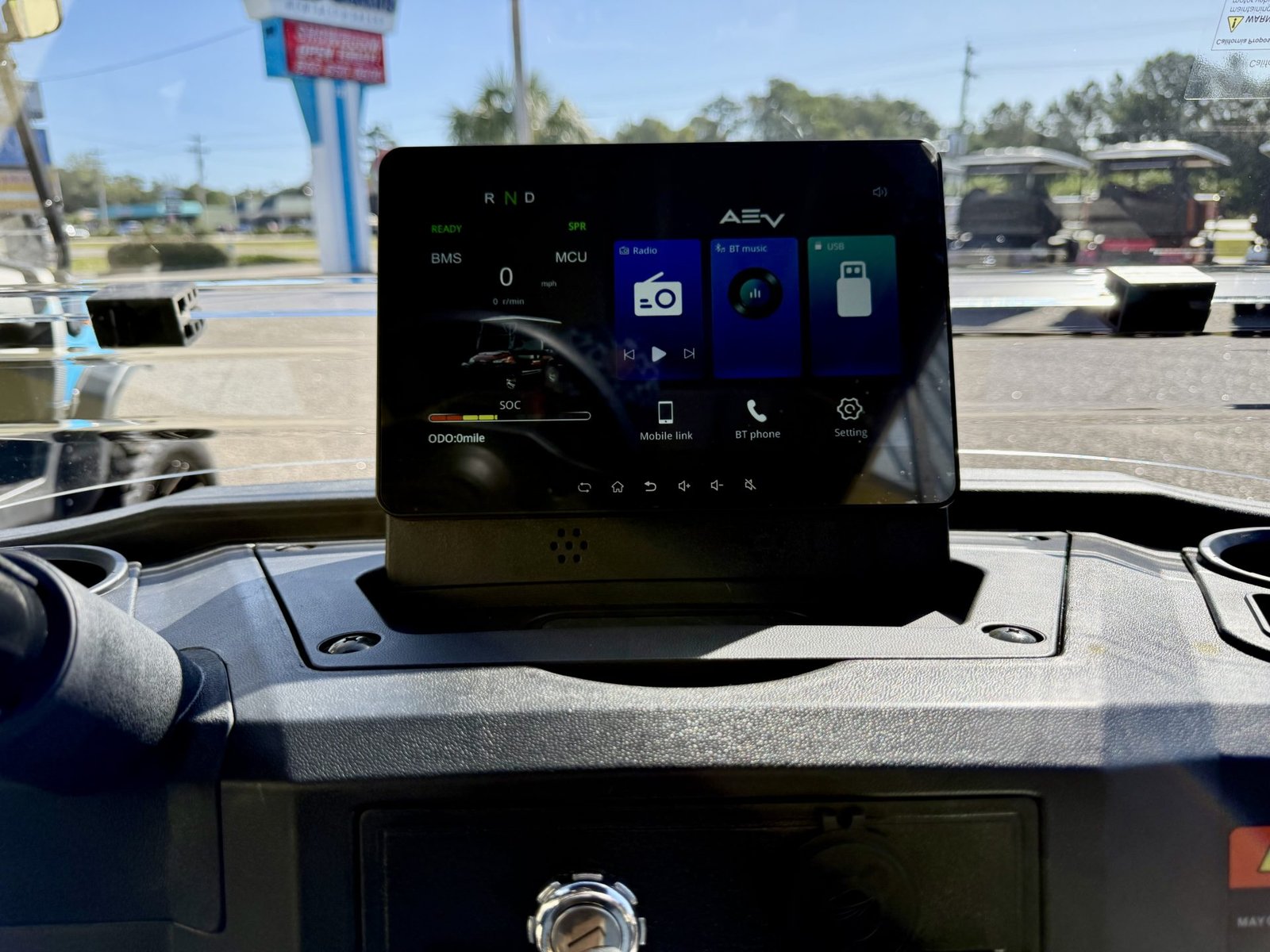
- Tow/Run, direction-neutral startup, brake state, and charger connection are first checks.
- Advanced EV Advent manuals document Toyota controller flash groups and Curtis red/yellow two-digit code reading.
- Eco Battery Advent bundles verify 51.2V lithium options and a remote wake-up kit, so BMS sleep can be part of the no-drive path.
- Controller-family fault codes are useful only when the controller label and service data match the cart.
An Advanced EV golf cart that will not move can still have lights, dash power, or charger response. The drive system needs permission from the battery, key, direction switch, brake inputs, controller, contactor, and pedal circuit. Start with the interlocks, then use the controller or battery warning as the map.
Rule Out the No-Drive Interlocks First
Do not start at the motor. Confirm the cart is not in tow mode, the charger is disconnected, the direction selector is not in a confused state, the brake is released, and the key sequence is clean. An interlock can leave the dash alive while drive output is disabled.
- Set Tow/Run or maintenance switch to Run before testing drive.
- Return F/N/R to Neutral, key off, then key on before selecting a direction.
- Release parking brake and confirm brake inputs are not stuck.
- Unplug the charger and confirm the charge port is not holding a lockout signal.
- Record any controller LED flash or dash warning before resetting.
Match the No-Move Symptom to the Drive Chain
| Symptom | Likely area | First test |
|---|---|---|
| Dash on, no click, no movement | Interlock, key, direction switch, pedal, or controller enable | Check tow/run, neutral startup, brake input, and controller LED before replacing the motor. |
| Click but no movement | Main contactor, controller output, motor, encoder, or brake | Measure pack at controller B+ and B- after the click. Curtis 39 is main contactor did not close, and Curtis 38 is main contactor welded. |
| Moves then stops | BMS current limit, voltage sag, thermal cutback, or loose cable | For Toyota 48V controller context, flash group 1 is temperature anomaly and group 5 is battery-voltage anomaly. For Curtis 1232SE context, 22 is overtemp cutback, 23 is B+ undervoltage cutback, and 24 is B+ overvoltage cutback. |
| Controller LED flashes | Toyota flash group or Curtis two-digit fault | Read the code before cycling the key. Toyota groups run 1 through 5. Curtis examples include 12 overcurrent, 14 precharge, 36 encoder, 41 or 42 throttle, 47 sequencing, and 73 stall detected. |
| Pack appears asleep | Lithium BMS sleep or low state of charge | Use the correct charger or Eco Battery remote wake kit if that Eco Advent bundle is installed. |
Use Toyota or Curtis Codes Without Overclaiming
The public Advent material shows two different controller-code paths. The Toyota 48V table is a five-group flash table. The Curtis path is a red/yellow two-digit code method, where red identifies the digit position and yellow gives that digit’s value. Match the table to the controller label on the cart before using any code as exact.
| Public source | Actual code | What it means for no-move |
|---|---|---|
| Advanced EV Toyota 48V table | Flash group 1 | Temperature anomaly: internal temperature above 80 C or below -20 C. Restoration is above 75 C for high temp or below -15 C for low temp. |
| Advanced EV Toyota 48V table | Flash group 2 | External connection anomaly: contactor coil short circuit or forward and backward switches both on. |
| Advanced EV Toyota 48V table | Flash group 3 | Current anomaly: phase current greater than 630A, or stopped current-sensor AD average beyond 2048 plus or minus 140. |
| Advanced EV Toyota 48V table | Flash group 4 | Internal sensor anomaly: internal temperature sensor short circuit or break. |
| Advanced EV Toyota 48V table | Flash group 5 | Voltage sensor anomaly: battery voltage above 60V or below 36V. Restoration is below 54V for high voltage or above 40V for low voltage. |
| Advanced EV Curtis method | Red/yellow two-digit readout | Red flashes once for the tens digit and twice for the ones digit. The manual example reads yellow 3, then yellow 1, as code 31. |
| Curtis 1232SE family | 12, 14, 17, 22, 23, 36 | 12 overcurrent, 14 precharge faulted, 17 severe B+ undervoltage, 22 controller overtemp cutback, 23 B+ undervoltage cutback, 36 encoder or Sin/Cos sensor fault. |
| Curtis 1232SE family | 38, 39, 41, 42, 47, 73 | 38 main contactor welded, 39 main contactor did not close, 41 throttle wiper high, 42 throttle wiper low, 47 high pedal disable or sequencing, 73 stall detected. |
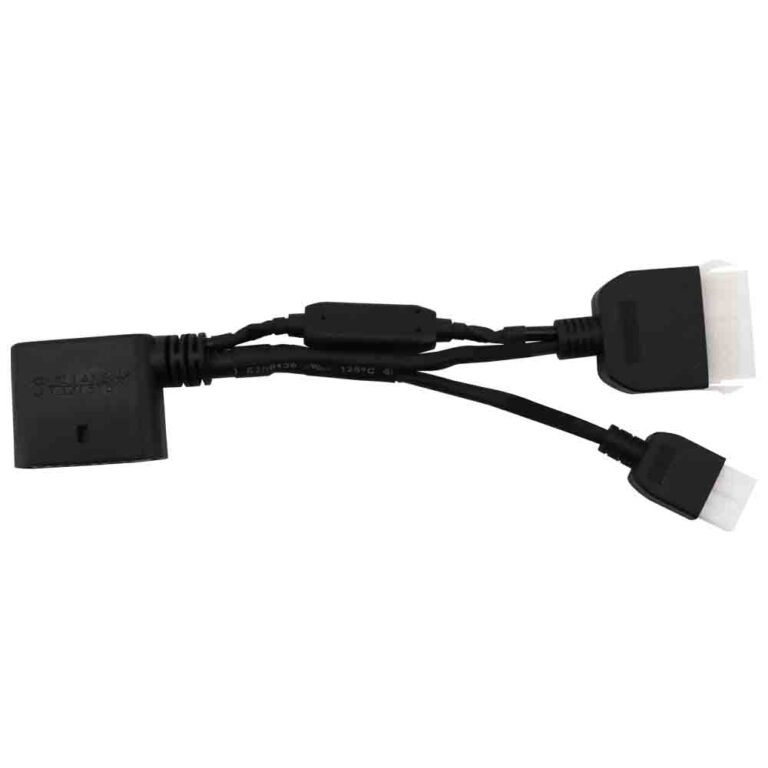
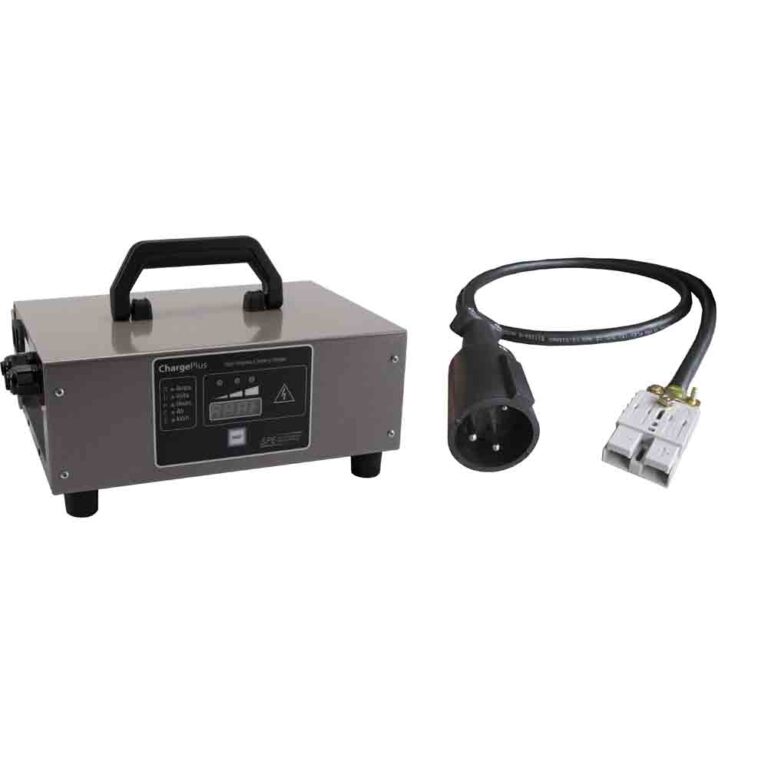
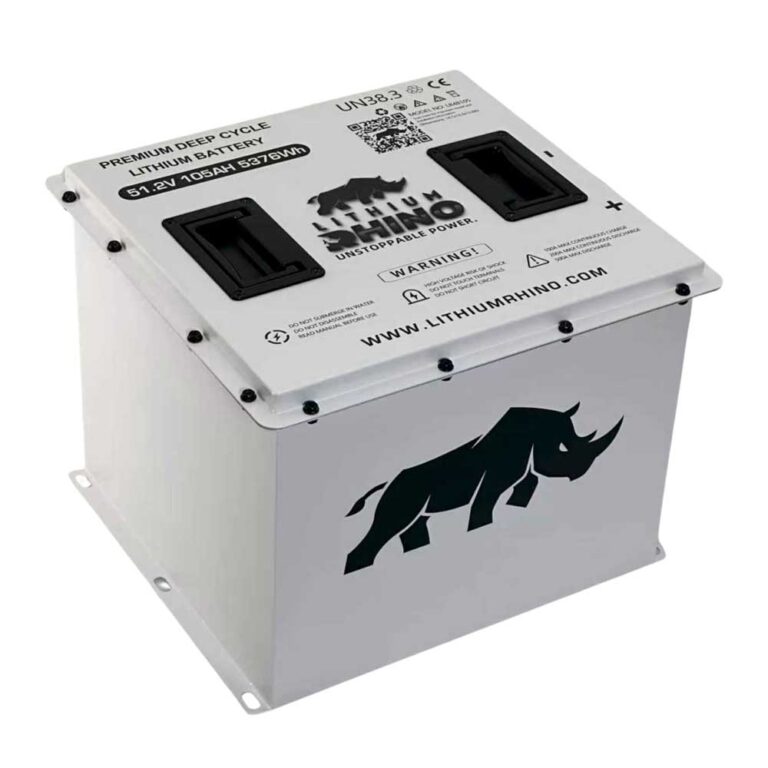
| Eco Battery Advent bundle | A-051105-01, A-1055, A-4220 | The bundle lists a 51V 105Ah battery, 38V-51V 15A CAN charger, and remote wake-up kit, so battery wake state and CAN charging can matter. |
Verify the Lithium Pack Is Awake
Eco Battery lists Advanced EV Advent-specific bundles with 51.2V lithium options, CAN charging, and a remote wake-up kit. That matters because a sleeping or protected lithium pack can leave some low-current systems alive while drive current is blocked. If the cart was stored, deeply discharged, or charged cold, wake and charging behavior belongs in the diagnosis.
- Identify the battery label, voltage, charger type, and BMS display or app if present.
- Confirm the charger starts normally and the battery is above its low-state warning.
- Use the battery maker wake procedure instead of bypassing the BMS.
- Retest drive after the pack is awake, charged, and warm enough to operate.
Walk the Pedal, Contactor, and Motor Signals
After interlocks and battery state are known, move to the drive chain. Listen for the main contactor. If it closes, test whether pack voltage reaches the controller. If it does not close, test coil command, direction inputs, brake inputs, and pedal signal. If the controller reports throttle, encoder, EM brake, or contactor faults, follow that code rather than replacing the motor blindly.
No movement is a permission problem until proven otherwise. Check interlocks, wake state, controller code, contactor behavior, and pedal signal in that order.
All of the checks above assume the fault is electrical. If the motor spins while the cart stays still, the electrical side has already proved itself and the break is mechanical, which is covered in the guide to a golf cart that will not move while the motor spins.
Frequently Asked Questions
Why does my Advanced EV turn on but not move?
The cart may be blocked by tow mode, charger lockout, direction sequencing, brake input, BMS protection, controller fault, main contactor failure, pedal signal, encoder fault, or motor brake issue.
Does an Advanced EV have real controller fault codes?
Yes, but they depend on the controller. Public Advent material documents Toyota 48V flash groups 1 through 5 and a Curtis red/yellow two-digit code reading method. Match the table to the controller installed in the cart.
Can a low lithium battery stop an Advanced EV from driving?
Yes. A lithium BMS can protect the pack by limiting drive current while some dash or accessory power remains. Charge, wake, and identify the battery before replacing drive parts.