Advanced EV Golf Cart Lithium Battery Problems (BMS): Fix
Advanced EV lithium battery problems usually show up as no power, no charge, a sudden cutout, reduced speed, or a warning after storage or heavy load. The verified Eco Battery Advent bundle specs separate real BMS protection from a bad cell.
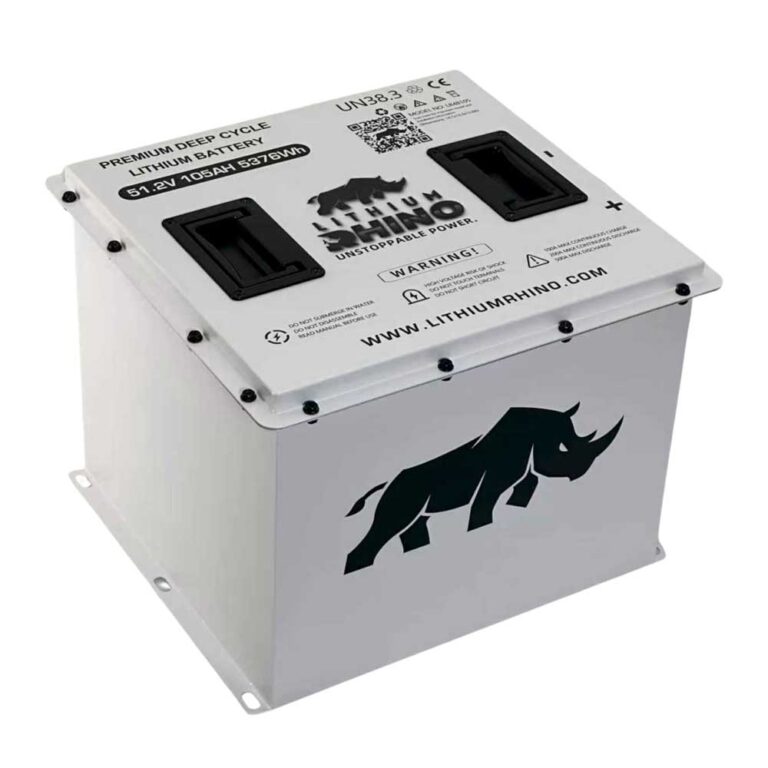
- An Eco Battery Advent 2022-24 bundle uses a verified 51V 105Ah thru-hole LiFePO4 pack and an A-1055 38V-51V 15A CAN charger, but not every Advent left the factory with the same battery.
- The Eco Gen3 51.2V 105Ah pack is rated 250A continuous discharge, 550A for 10 seconds, and 600A for 5 seconds.
- Standard Eco packs will not accept a charge below 32F, which reads as a charging failure in a cold garage but is protection working correctly.
- Never bypass the BMS. A shutdown is a diagnostic clue, not a defect to route around.
Different battery complaints need different paths. A pack that will not wake, one that will not charge, and one that cuts out under load are not the same failure. This guide uses the real Eco Battery Advent bundle specs to separate BMS behavior from an actual pack problem.
Isolate the battery symptom
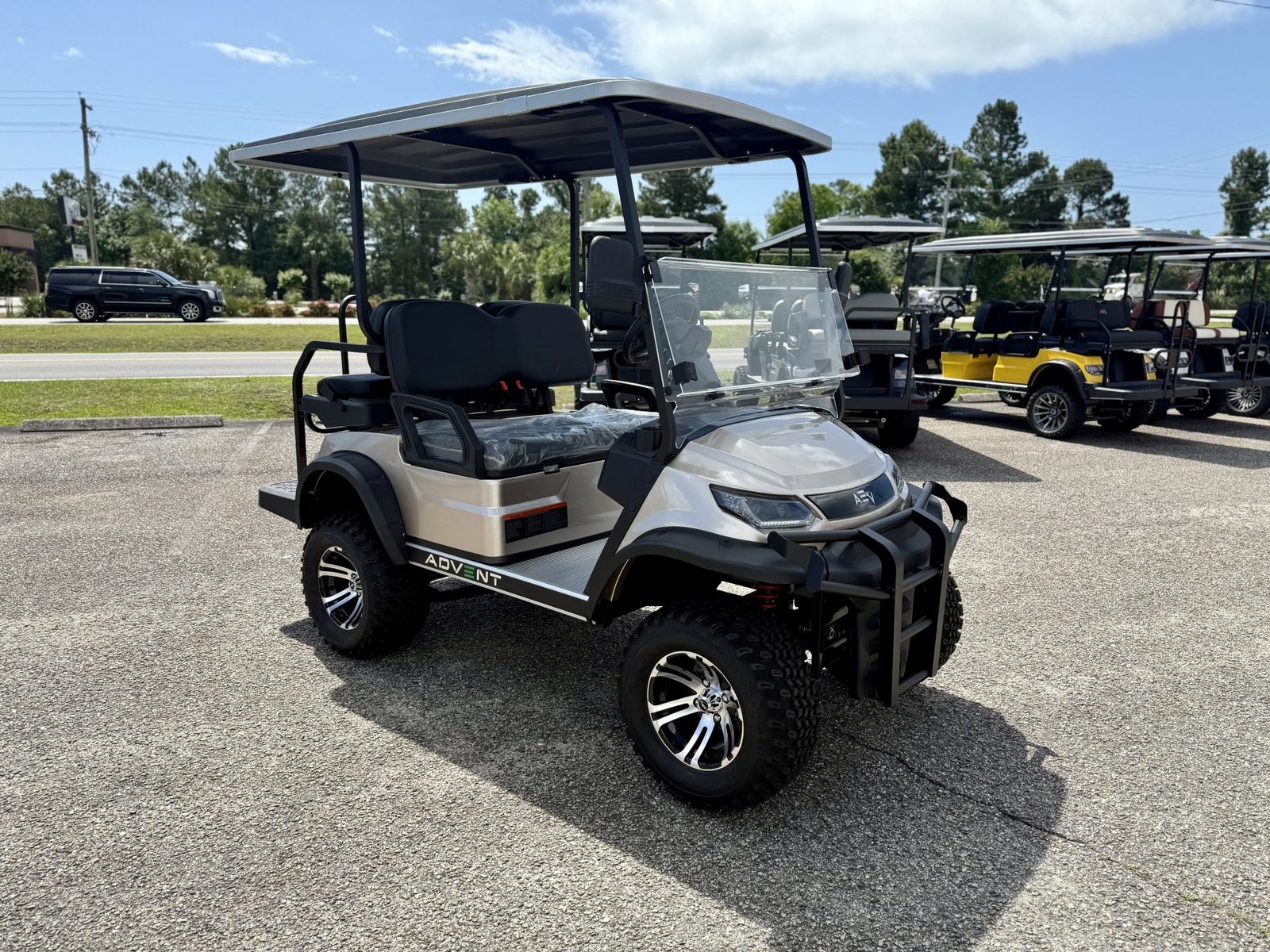
Advanced EV built the Advent 4 as an AC-drive LSV, and through the early 2020s many left the factory with LiFePO4 (lithium iron phosphate) packs in 48V trim. The AC drivetrain matters here because these controllers use regenerative braking, which pushes current back into the pack on deceleration and downhills. A LiFePO4 BMS that is already near a full charge can reject that regen current and briefly cut power or flash a warning going downhill, which surprises owners who expect battery faults only under acceleration. Combine that with the flat LiFePO4 voltage curve, which hides a dying pack until the last moment, and you can see why the symptom is usually the BMS managing conditions rather than a broken cell.
- No power: Check the disconnect, BMS sleep state, output, and fuse.
- No charge: Inspect the charger, port, and wake state.
- Cuts out: Look for voltage sag, heat, or cable resistance.
Real pack data by symptom
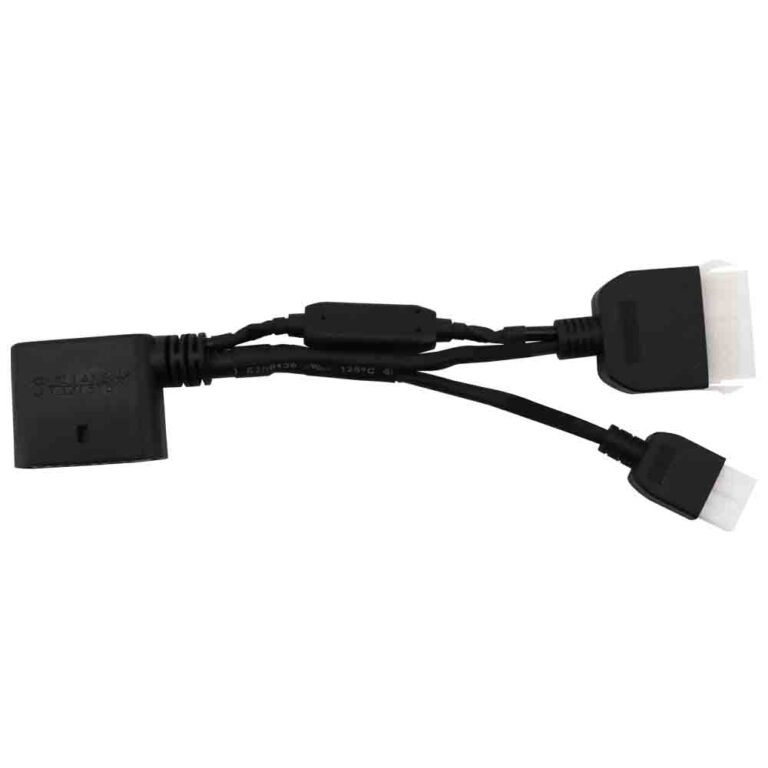
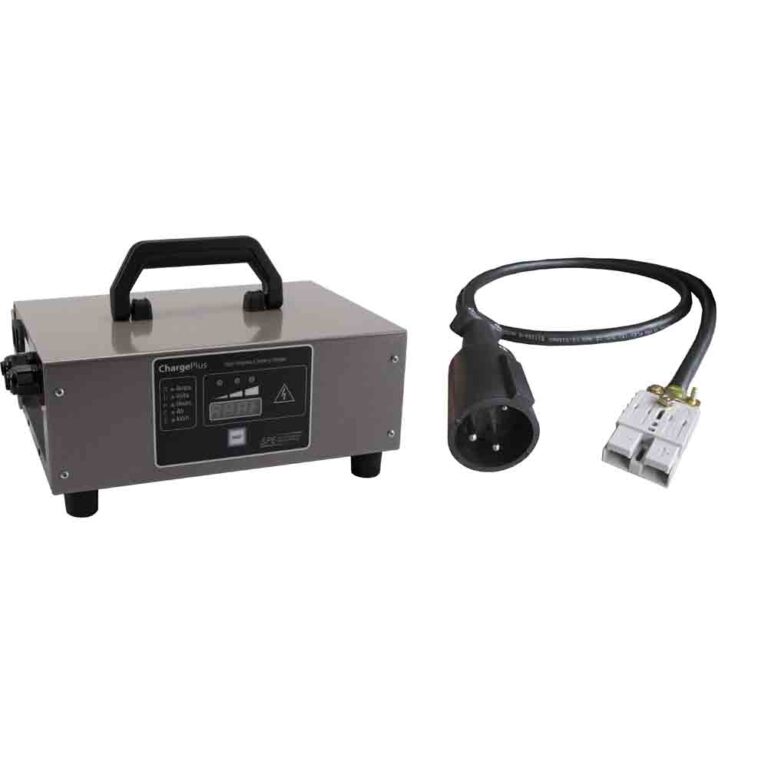
The pattern of the failure usually names the cause on a smart pack. Dead only after sitting is a sleep or self-discharge story; a charger that will not begin is a handshake story; cutting out under load is a current-limit or connection story. The real numbers matter here because Advanced EV Advent carts can be lead-acid, dealer-converted, or Eco-equipped lithium depending on year and build. For an Eco Battery Advent 2022-24 bundle, Eco lists a 51V 105Ah thru-hole LiFePO4 pack, an A-1055 38V-51V 15A CAN charger, a controller CAN adapter for ICON/AEV, a 5-pin CAN cable, a CAN resistor pass-through, and an A-4220 remote wake button kit. That is a battery and charger combination, not proof that every Advent 4 left the factory with the same pack. Match the battery label before using the numbers below.
| Symptom | Verified data point | Likely issue | First test |
|---|---|---|---|
| Dead after storage | Eco Advent bundle includes an A-4220 remote wake kit | BMS sleep or a deeply discharged pack | Use the correct charger and wake method; do not jumper around the pack |
| Charger will not start | Eco A-1055 is a 38V-51V 15A CAN charger for Eco Batteries with automatic voltage detection | CAN handshake, wrong charger, sleeping pack, or charge-port fault | Confirm charger SKU, pack label, charge port, and CAN cable before replacing the charger |
| Slows or cuts out under load | Eco 51.2V 105Ah thru-hole Gen3 spec lists 250A max continuous discharge, 550A for 10 seconds, and 600A for 5 seconds | Current limit, voltage sag, or a hot high-current connection | Load-test the pack and check cable-lug temperature after a controlled drive |
| Cold garage will not charge | Eco specs list charging at 32F and above; the Eco FAQ says standard packs will not charge below 32F | Low-temperature charge protection | Warm the pack above the charge limit and retry with the matched charger |
| Warning after downhill regen | Eco FAQ lists overcharge, overcurrent, overdischarge, high and low temperature, short-circuit, and freeze-charge protection | BMS refusing current or voltage outside its allowed window | Check state of charge and BMS or app data if available, then retest below full charge |
| One cell group weak or gauge odd | Eco Gen3 specs list 16 cells for 51.2V packs | Cell imbalance or a pack-specific BMS alarm | Use the battery display, EB Power app, or dealer tool rather than guessing from dash behavior alone |
Connection heat and voltage drop
Loose high current connections create heat and voltage drop. After a short test, carefully compare cable ends for abnormal warmth, discoloration, or melted insulation. Repair damaged cables before blaming the pack.
Resistance in the main pack leads bites lithium carts harder than lead-acid ones. A LiFePO4 pack barely sags under load, so a corroded lug does not just waste energy, it tricks the BMS: under a hill load the drop across a bad terminal can pull the measured voltage below the cutoff while the cells are perfectly healthy, and the pack shuts off for nothing. The Advent 4 runs a full road-legal harness with lights and signals grounding near the battery compartment, so a loose main lug or a shared ground gone green is a documented cause of cutouts that only appear under load. Clean and torque those terminals before you suspect the cells.
Storage, balancing, and waking the pack
Storage causes many wake complaints on Advent 4 lithium carts because a BMS can open the pack to protect the cells. On an Eco-equipped Advent, the published 2022-24 bundle specifically includes an A-4220 remote wake button kit, which is a strong clue that wake procedure and CAN communication are part of the system, not a side issue. Use the matched charger and wake hardware for the installed battery. Jumping the contactor or bypassing the BMS can turn a recoverable sleep state into cell damage.
Balancing also needs real context. Eco lists the 51.2V 105Ah thru-hole pack as a 16-cell LiFePO4 battery with 5.3 kWh energy capacity. Its FAQ says all Eco Battery lithium packs use a proprietary BMS with short-circuit, overcurrent, overcharge, overdischarge, high and low temperature, and freeze-charge protection. That supports the warning behavior described above, but it does not publish every internal trip threshold for every Advent pack. When the cart has a different battery label, the label and battery manual outrank generic Advent advice.
- Charge before storage: Follow the battery label, not a universal Advent number.
- Use the disconnect: Turn the cart off if it will sit, and reduce accessory parasitic loads.
- Wake with the correct system: Eco-equipped Advent bundles use a CAN charger and wake kit, so give the BMS time to respond.
- Respect temperature limits: Standard Eco packs charge at 32F and above. Cold-charge refusal is protection, not a failed charger by itself.
- Do not bypass protection: A BMS shutdown is a diagnostic clue. Read pack data or involve the dealer before replacing cells.
Solving most Advent 4 lithium complaints starts with treating the pack as a computer that can say no, not a passive box of energy. Sleep after storage, a refused cold-weather charge, a downhill regen cutback, a hill-only cutout from a loose lug, or a current limit under heavy load are all the BMS doing its job. Confirm the connections, respect the wake procedure, and give the pack a full balancing charge before you condemn it. Genuine cell failure is real but rare on these AC-drive builds, and it sits far below wiring and BMS state on the list of likely causes.
Frequently Asked Questions
Why does my Advanced EV lithium battery shut off?
The BMS may be protecting the pack from low voltage, high current, heat, cold, cell imbalance, or wiring resistance.
Can an Advanced EV battery sleep after storage?
Yes. Lithium packs can enter a protective sleep state. Use the correct charger and wake procedure for the installed battery to wake the pack.
Should I bypass the BMS on an Advanced EV?
No. The BMS protects the battery and cart. Bypassing it can damage cells or wiring and create a safety risk.