48V Lithium Battery Conversion Worth It?
A 48V lithium conversion is a system change, not a battery swap. The pack, tray, charger, state-of-charge display, reducer, cables, and cart-specific bypass work all have to agree before the first drive.

- a 48V lithium conversion is worth it when the cart is used enough to benefit from lower weight, flatter voltage, and less maintenance.
- Current published hardware examples show the price range better than a generic estimate.
- Lithium's low internal resistance and flat voltage curve reduce the slowdown that a flooded pack shows under acceleration and near half charge.
- Worth it: a cart with a failing lead pack, regular weekly use, hills or passenger load, a sound drivetrain, and an owner who wants maintenance reduction.
A 48V lithium conversion is a system change, not a battery swap. The pack, tray, charger, state-of-charge display, reducer, cables, and cart-specific bypass work all have to agree before the first drive.
What a 48V lithium conversion involves (and costs)
Direct answer: a 48V lithium conversion is worth it when the cart is used enough to benefit from lower weight, flatter voltage, and less maintenance. It is not worth doing as a battery-only shortcut. The conversion must be scoped as one electrical and mechanical system.
| Conversion item | Required check | Why it cannot be skipped |
|---|---|---|
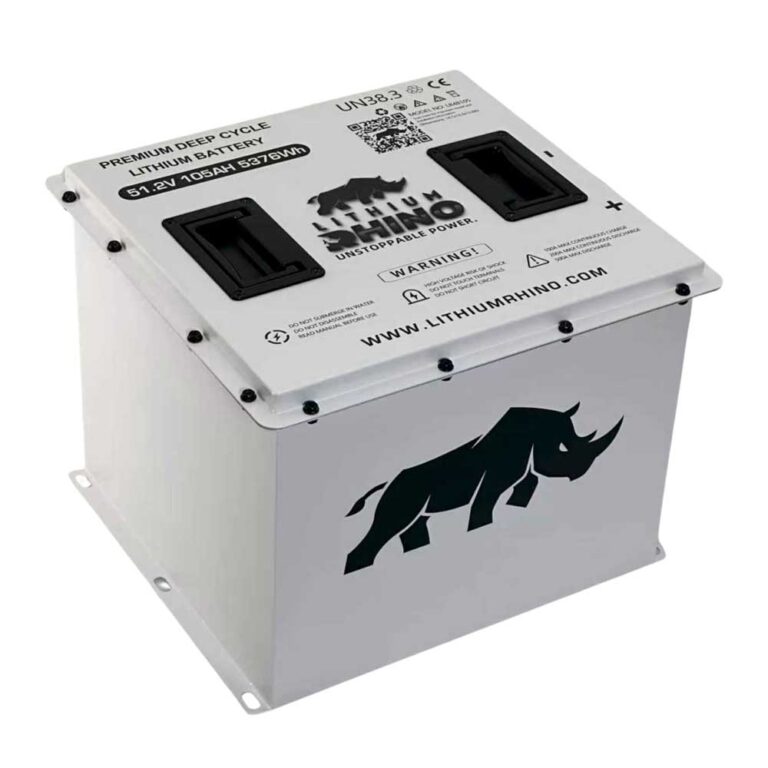
| 51.2V LiFePO4 pack | Capacity, continuous and peak BMS current, case dimensions, terminal position | Must power the controller and fit below the seat. |
| Tray and hold-down | Corrosion, load path, bracket kit, service clearance | Lithium must be mechanically restrained without case distortion. |
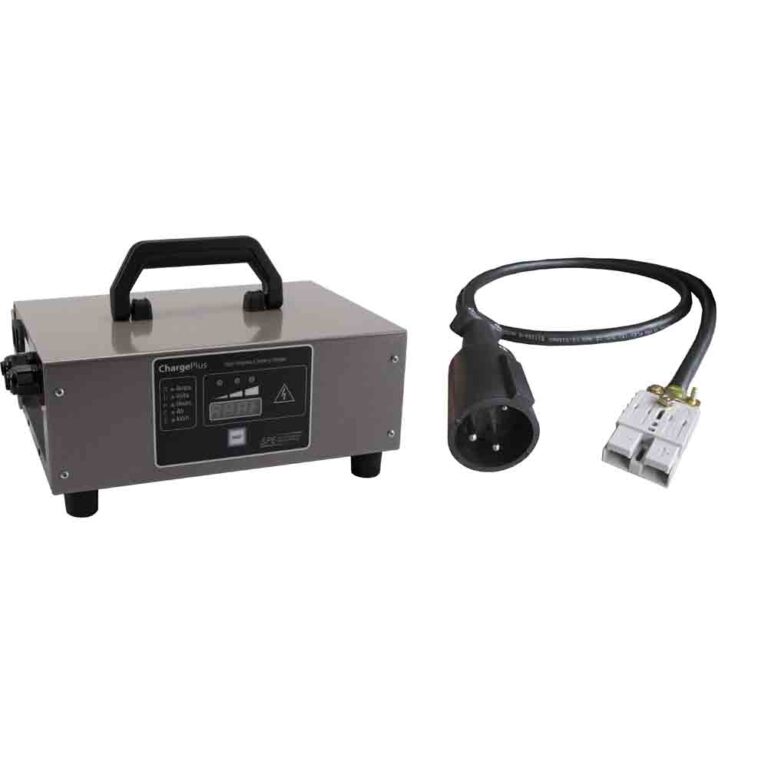
| Lithium charger | Pack-specific voltage, current, connector, CAN if required | Flooded absorption and equalization profiles can be incompatible. |
| State-of-charge gauge | Shunt, CAN, or vendor display compatible with the BMS | Old lead-acid voltage gauges are inaccurate on the flat lithium curve. |
| DC-DC reducer | Full-pack input range and total 12V load | Lights and accessories must not be tapped from one module. |
| Cables and lugs | Controller current, length, copper size, crimp, insulation, torque | Corroded or undersized cables waste voltage and create heat. |
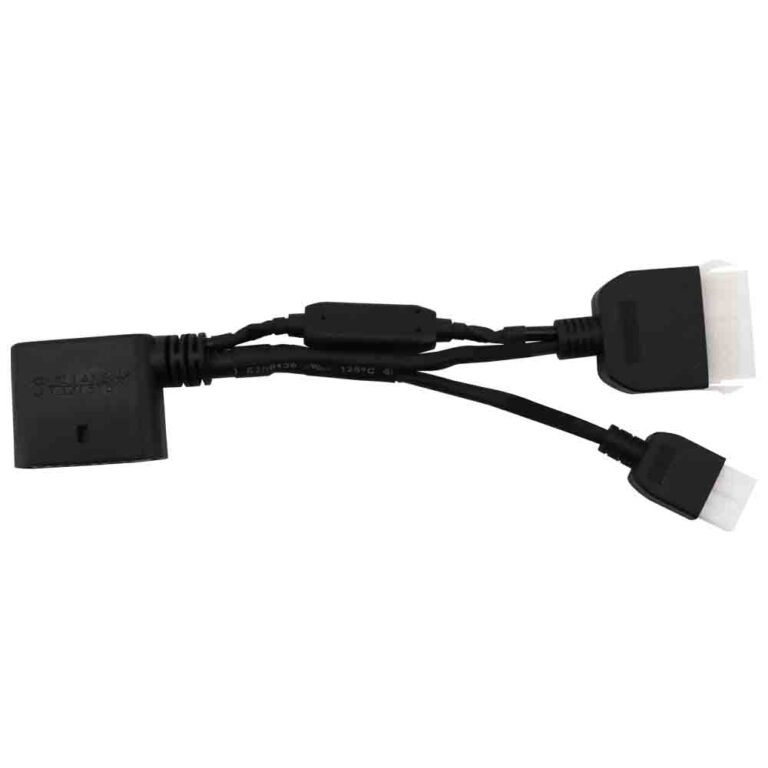
Club Car carts with an OBC may require a bypass for the new charger. Cart-specific communication harnesses can also be necessary. Start with the detailed lithium connection guide, then confirm by serial and model.
Parts note: Every Lithium Rhino 48V bundle we stock puts the pack, lithium charger, 12V DC-DC converter, state-of-charge display, mounting hardware and cables in one box. See lithium bundles
What owners actually say
Current published hardware examples show the price range better than a generic estimate. One Eco 51V 105Ah cart-specific bundle is listed at $2,528 and includes the Gen3 pack, 19A charger, and communication hardware. Other current cart-specific Eco bundles are roughly $2,663 to $2,711, while a current heated 160Ah pack is listed at $3,269 before any cart-specific extras. Allied’s current 48V 105Ah RS product page lists a $2,700 starting example.
| Cost layer | Published or verifiable amount | No-data boundary |
|---|---|---|
| Battery and bundle | $2,528 current Eco 105Ah example; $2,700 Allied RS 105Ah example; $3,269 current heated Eco 160Ah pack | Prices and included hardware change by cart and date. |
| Reducer or SOC display | Add only when not included and when the cart needs it. | No universal total because output rating, display protocol, and bundle contents differ. |
| Tray, cables, OBC work | Inspect the actual cart before pricing. | Manufacturers do not publish one fitment labor price across every model. |
| Professional labor | Use a written model-specific quote. | No defensible national flat rate for corrosion repair, fabrication, or diagnostics. |
The honest total is the chosen current bundle plus every missing line item on the cart inspection. Do not add a fabricated universal labor allowance. A 36V-to-48V drivetrain change is a separate and more extensive job covered in 36V to 48V upgrade cost.
The honest trade-offs
Lithium’s low internal resistance and flat voltage curve reduce the slowdown that a flooded pack shows under acceleration and near half charge. That can make the same motor feel stronger and hold hill speed better. It does not guarantee a higher top speed because controller programming, motor RPM, axle ratio, tires, and vehicle limits still set speed.
The BMS is now a hard system limit. A 600A controller does not mean the cart continuously draws 600A, but its programmed demand can exceed a small pack during launches or hills. Compare controller current with the battery’s continuous rating and every timed peak. The lithium C-rating guide explains the relationship.
- Useful gains: less routine maintenance, less mass, faster recharge, and steadier voltage.
- New dependencies: BMS current, proprietary display or CAN parts, cold-charge limits, and charger compatibility.
- Installation risks: loose hold-down, reused corroded cables, unprotected accessory taps, or an active flooded profile.
Is a 48V lithium conversion worth it for you?
Worth it: a cart with a failing lead pack, regular weekly use, hills or passenger load, a sound drivetrain, and an owner who wants maintenance reduction. A 100 to 105Ah pack is the balanced starting point for many stock 48V carts, provided its BMS covers controller demand. The Lithium Battery Bundle Finder sizes the pack to your miles and hills and lists the bundles that fit your cart, charger included.
Not yet: a lightly used cart with a healthy pack, unresolved controller or motor faults, severe tray corrosion, or no documented lithium charge plan. Diagnose the cart before making the battery the most expensive guess.
Installation gate: measure the tray, record cart model and serial, identify controller and accessory load, inspect cables, choose the pack, then buy the matched charger, bracket, gauge, and reducer. Compare this project with other golf-cart upgrades worth doing.
Parts note: At that 100 to 105Ah starting point, one 48V pack we stock is the Lithium Rhino 105Ah CUBE, 14.1 x 13.3 x 10.8 in, for your tray check. View pack
The bottom line on a 48V lithium conversion
A correctly scoped 48V lithium conversion is usually worth it for an active cart. Use a current cart-specific bundle price as the hardware floor, then add only verified fitment work. The performance gain is consistent voltage and lower mass, not automatic extra motor power.
Frequently Asked Questions
Is a 48V lithium battery conversion worth it?
For regular drivers and long-term owners, yes, it improves weight, range, lifespan, maintenance and performance in one upgrade, and is often a drop-in on a 48V cart. Light seasonal users with healthy lead-acid can wait.
Do I need a new charger for a lithium conversion?
Usually yes, lithium packs need a lithium-profile charger to charge fully and safely. An old lead-acid charger may not work properly, so budget for the correct charger.
Reviewed and updated July 30, 2026 by the Golf Cart Lab team.