How Long Do Lithium Golf Cart Batteries Last?
A quality lithium pack lasts 8-10 years, 2-3x lead-acid, if you buy good cells and store and charge it right. Here is the honest longevity breakdown.
- Lithium iron phosphate (LiFePO4) packs are rated in charge cycles, not just years.
- Owners several years into lithium ownership generally report the packs holding up well, little capacity loss and no maintenance, validating the long lifespan claims.
- Expect 8-10 years from a quality lithium golf cart battery, and quite possibly more if you drive lightly and store it well.
Lifespan is the heart of lithium’s value, so it is worth knowing what to really expect. This guide covers how long lithium golf cart batteries last, what shortens that life, and how to protect your investment.
How Long Lithium Cart Batteries Really Last
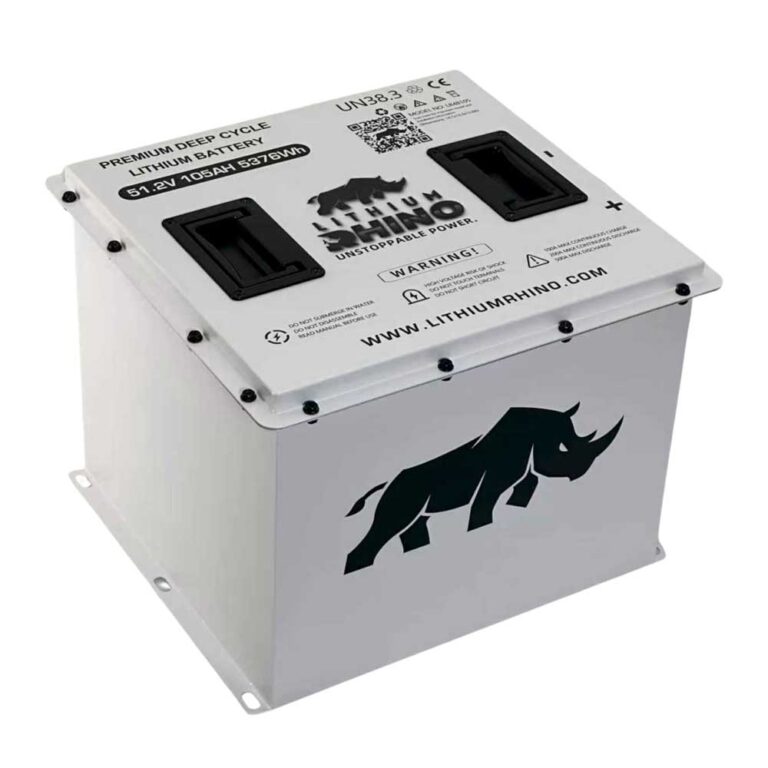
Lithium iron phosphate (LiFePO4) packs are rated in charge cycles, not just years. A quality pack is rated for 2,000-3,000+ cycles at 80-100% depth of discharge. For a typical owner who does not fully cycle the battery every single day, that translates to roughly 8-10 years, and often more for light users. Compare that to lead-acid’s 500-800 cycles (3-5 years), and the gap is the whole longevity argument for lithium. When you are ready to choose one, the Lithium Battery Bundle Finder lists the packs that fit your cart, sized to your miles and hills.
Warranties reflect this: Dakota offers 11 years, Eco and Allied 8 years, RoyPow 5, figures lead-acid simply cannot match.
It helps to separate two numbers that often get blurred together. Cycle life is how many full charge-and-discharge cycles the cells can take before capacity falls to about 80 percent of new, and for quality LiFePO4 that is the 2,000 to 3,000 plus figure. Calendar life is simply age, and even a lightly used pack slowly loses a little capacity per year from chemical aging regardless of cycles. For most golf cart owners calendar life is the limiting factor, not cycles, because a weekend-driven cart may only rack up 100 to 200 cycles a year. That is exactly why an 8 to 10 year real-world figure holds up: you will usually reach the pack’s age limit long before you exhaust its cycle count. Depth of discharge matters too, and here lithium has a quirk that favors it. Where a lead-acid pack is happiest only using the top half of its capacity, a LiFePO4 pack can be run down to 90 percent or more of its capacity every day with little penalty, so you get both more usable range and more effective life from the same rated number.
What Long-Term Lithium Owners Report
Owners several years into lithium ownership generally report the packs holding up well, little capacity loss and no maintenance, validating the long lifespan claims. The shortened-life stories almost always trace to one of three causes: a cheap pack with a weak BMS, charging or storing the battery in freezing temperatures without low-temp protection, or leaving it deeply discharged for long periods. None of these are inherent to lithium, they are avoidable.
The practical advice owners repeat is to buy a known brand, use the correct lithium charger, and store the pack around a partial charge in a non-freezing space. Owners on the r/golfcarts community consistently link long pack life to good cells plus sensible storage habits.
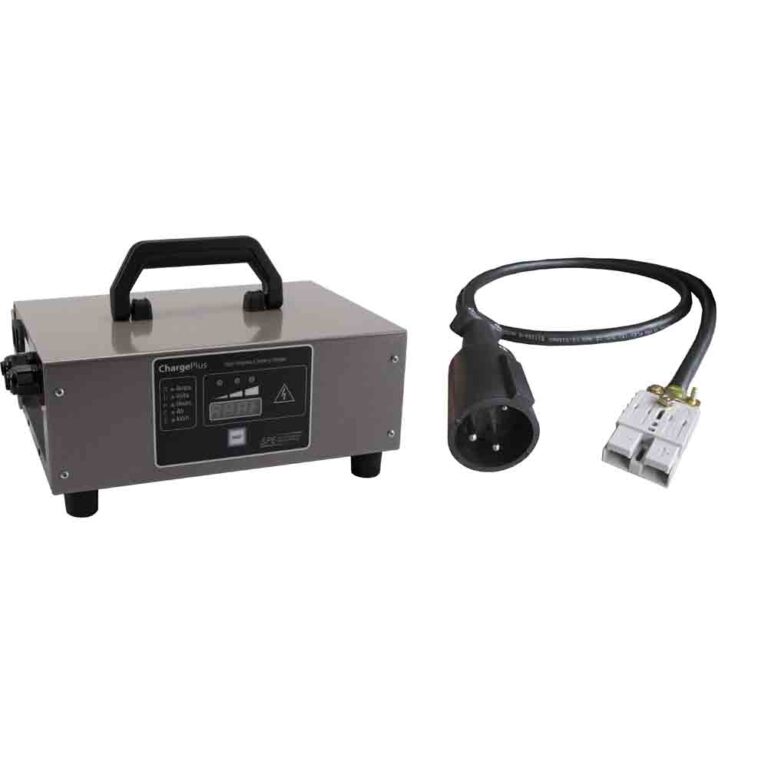
The single most important lithium-specific habit is winter storage, because the failure mode is different from lead-acid. A lead-acid battery left uncharged over winter self-destructs through sulfation, so the old advice was to keep it on a maintainer. A LiFePO4 pack actually prefers to be stored at a partial charge, roughly 50 to 60 percent, in a cool but above-freezing space, and it self-discharges so slowly that a healthy pack can sit for months and barely move. The real danger is charging a frozen pack: pushing current into cells below freezing plates lithium metal and permanently damages them, which is why quality packs and reputable brands build in a low-temperature charge cutoff. If your pack lacks that protection, never plug it in until it has warmed above freezing. Owners who follow this one rule, plus using the matched lithium charger rather than an old lead-acid unit, are the ones reporting packs that still read near full capacity after five, six, or more seasons.
What Actually Shortens Lithium Battery Life
- Cold charging: Charging below freezing without heater/low-temp protection damages cells.
- Deep discharge storage: Leaving the pack near-empty for months stresses it.
- Wrong charger: A lead-acid charger can mis-charge a lithium pack over time.
- Weak BMS: Budget packs run hot or trip under load, aging faster.
How Lifespan Turns Into Real Value
Lifespan is the core of lithium’s value case: an 8-10 year pack often replaces two or more lead-acid sets over the same period, which is how a battery that costs roughly double upfront ends up cheaper across the cart’s life. The longer you keep the cart and the more you drive, the more that longevity works in your favor.
See how the lifespan translates into dollars in our lead-acid vs lithium ROI analysis, decide if the upgrade fits you in are lithium batteries worth it, and pick a long-lasting pack in the best lithium battery guide.
The Bottom Line on Lithium Lifespan
Expect 8-10 years from a quality lithium golf cart battery, and quite possibly more if you drive lightly and store it well. That lifespan is not marketing, it is built into the cycle ratings and backed by long warranties, but it is conditional on buying a decent pack, using the right charger, and avoiding cold charging and deep-discharge storage. Do those simple things and a lithium pack will likely outlast every other major part on your cart, which is exactly what makes its longevity the heart of its value.
Frequently Asked Questions
How long do lithium golf cart batteries last?
A quality LiFePO4 pack lasts about 8-10 years, or roughly 2,000-3,000+ charge cycles, two to three times longer than lead-acid, and often more for light users.
What shortens a lithium golf cart battery’s life?
Charging below freezing without low-temp protection, storing the pack deeply discharged for long periods, using the wrong charger, and a weak BMS in cheap packs all shorten lifespan. All are avoidable with a good pack and sensible habits.
Reviewed and updated July 7, 2026 by the Golf Cart Lab team.