
Yamaha Gas Cart Carburetor Cleaning: Model-Specific Steps
Surging, hesitation, or an engine that will not idle without choke usually means varnish and ethanol residue in the carburetor. Identify your exact Yamaha model first, since jet sizes and float specs are not universal across the lineup.
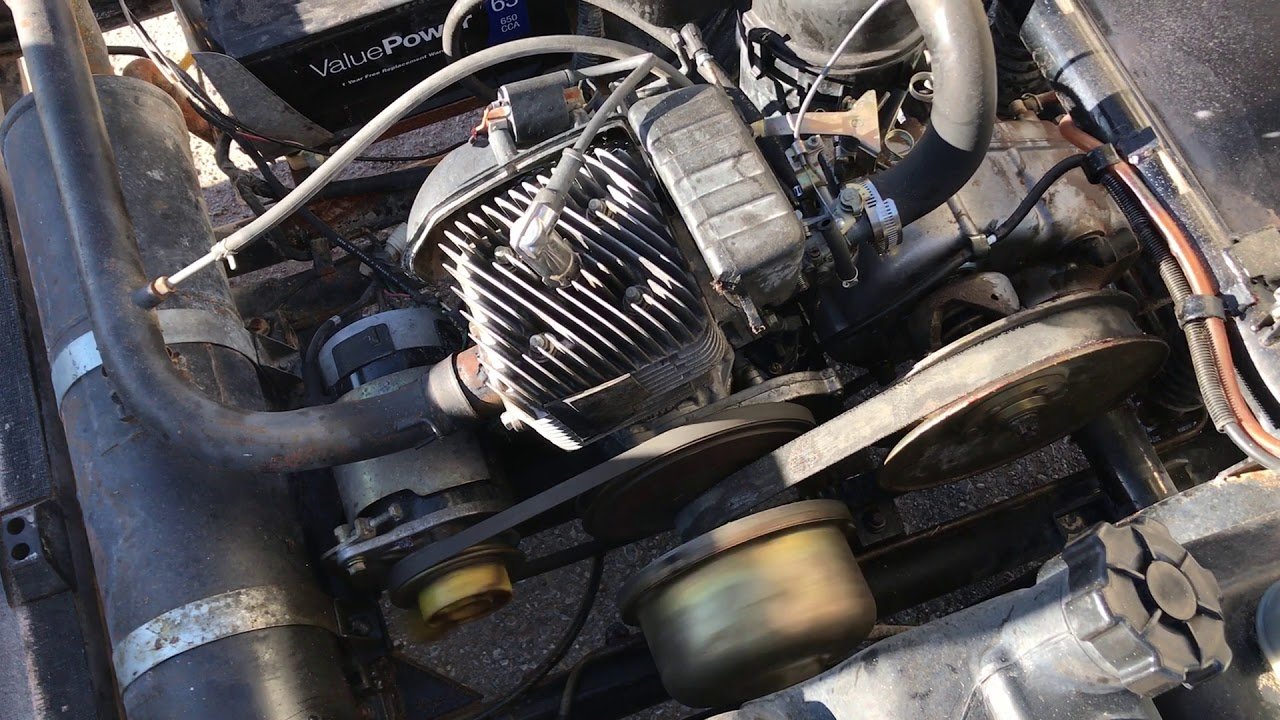
- Identify your exact Yamaha model first; G2/G9, G16/G22, and G29 Drive carburetors are not interchangeable on specs.
- The G2/G9 platform has a fully published service spec: #106.3 main jet, #72.5 pilot jet, 1-1/2 turns pilot screw, 14.5 mm float, 900 r/min idle.
- Later G-series and Drive models do not have one universal public jet table; record stamped jet sizes before removal.
- Never drill a brass jet to clean it; use aerosol cleaner, compressed air, and a soft copper strand only.
- Drive2 Quietech EFI carts have no carburetor at all, these steps do not apply.
If your engine is surging, hesitating, or refusing to idle without the choke pulled, a Yamaha gas cart carburetor cleaning is your best path to recovery. Modern ethanol-blended fuels are notorious for leaving behind a sticky varnish that clogs the microscopic brass passages inside your fuel system. This guide covers how to strip, clean, and re-tune your Yamaha carburetor correctly for your specific model.
Safe Removal and Disconnection
The first stage of Yamaha gas cart carburetor cleaning is confirming which Yamaha you have. G2 and G9 carts used earlier Mikuni carburetor specs. G16 and G22 carts use later G-series layouts. G29 Drive and YDRA carts use a different engine bay, and owner manuals emphasize draining the float chamber for storage to prevent deposits. Do not mix jet and float specs across those families.
Turn the key off, close the fuel shutoff if equipped, clamp the supply line, and photograph the throttle, choke, and governor linkage before removal. On Drive / G29 models the carburetor sits between the airbox boot and the intake side of the engine, so remove the air cleaner pieces carefully and avoid tearing hardened rubber boots. Replace cracked boots because an air leak after cleaning will act like a dirty pilot circuit.
Float Bowl and Needle Inspection
Remove the float bowl and inspect the fuel in a clean container. Green or white residue points to water and ethanol deposits. Brown varnish points to old fuel. Yamaha owner manuals for G29 / YDRA style carts specifically tell owners to drain the carburetor float chamber during extended storage if stabilizer is not used, which is why cleaning the bowl is more than a cosmetic step.
For older G2 / G9 service data, the published carburetor reference gives a 14.5 mm float height, 1-1/2 turn pilot screw baseline, and 900 r/min idle speed for that platform. Those numbers are useful only for G2 / G9. If you are working on a G16, G22, G29 Drive, Drive2, or Quietech EFI model, use the manual for that model or preserve the exact pilot-screw turns you found before disassembly.
High-Volume Jet Scrubbing
The main jet, pilot jet, and emulsion tube need different handling. The main jet controls higher-load fuel flow. The pilot jet and transition ports control idle and takeoff. A Yamaha that runs only with choke often has a restricted pilot circuit, not a bad main jet.
| Model family | Publicly verified carb data | Cleaning note |
|---|---|---|
| G2 / G9 | Mikuni BV26-18 style data in the service manual, main jet #106.3, pilot jet #72.5, pilot screw 1-1/2 turns, float height 14.5 mm, idle 900 r/min | Use these only on matching G2 / G9 carburetors. |
| G16 / G22 | Public owner sources do not publish one universal jet and float table in the material verified here | Match the carburetor ID mark or Yamaha parts manual before ordering jets. |
| G29 Drive / YDRA | Owner manuals verify float-bowl drain procedure for storage, but not a complete public jet table | Clean the installed jets, record stamped sizes, and use the model service manual for settings. |
| Drive2 Quietech EFI | EFI models do not use a serviceable carburetor | Do not follow carb cleaning steps on EFI carts. |
Use aerosol carburetor cleaner, compressed air, and a soft copper strand or proper jet tool. Do not use a drill bit or steel welding tip cleaner on brass jets. Enlarging one passage can make the cart rich forever.
Internal Air Channel Flush
After the jets are out, flush every idle, air-bleed, and transition passage. Spray through one opening and confirm cleaner exits another. If cleaner will not pass through, soak the bare metal body and try again with compressed air. Wear eye protection because plugged passages often spray backward.
Pay special attention to the tiny transition holes near the throttle plate. Those holes feed the engine just as the butterfly starts to open. If they remain clogged, the cart may idle after cleaning but stumble the instant you press the pedal.
Reassembly and Idle Calibration
Reassemble with a clean bowl, a soft float needle tip, and a gasket that is not flattened or cracked. If your model has a published float height, set it with the carburetor tilted so the needle just touches the seat without compressing its spring. If your model’s public manual does not publish the number, do not invent one. Make the float parallel to the bowl surface as a starting method only, then confirm against the correct Yamaha service manual.
For G2 / G9, the verified service-manual baseline is 1-1/2 turns out on the pilot screw and 900 r/min idle speed. For later G-series and Drive models, lightly seat the pilot screw, return it to the recorded starting position, and fine-tune only after the engine is warm. If the original setting was lost and no model manual is available, 1-1/2 to 2 turns out is a general starting method, not a Yamaha-published number for every cart.
To avoid repeating this job every season, use fresh fuel, stabilize fuel before storage, and run the engine long enough to pull treated fuel through the carburetor. If the cart will sit, follow the Yamaha owner manual float-bowl drain procedure.
1. Identify the Yamaha model and engine family before using jet or float numbers. 2. Photograph linkage, remove the carburetor, and drain the bowl safely. 3. Clean brass jets and transition passages without steel drills. 4. Use G2 / G9 specs only on G2 / G9 carbs, and use the correct model manual for later Drive carts.
Cleaning restores the fuel passages to their intended condition. Once that is done and the engine runs but still needs fine tuning, the idle speed and mixture procedure is covered separately in the Yamaha carburetor adjustment guide.
Frequently Asked Questions
What are the correct jet sizes for a Yamaha G2 or G9 carburetor?
The service-manual reference for the G2/G9 Mikuni BV26-18 style carburetor lists a #106.3 main jet, a #72.5 pilot jet, a pilot screw set to 1-1/2 turns out, a 14.5 mm float height, and a 900 r/min idle speed. These numbers apply only to matching G2/G9 carburetors, not later G-series or Drive models.
Does a Yamaha Drive2 Quietech EFI cart have a carburetor to clean?
No. Drive2 Quietech models use electronic fuel injection instead of a carburetor. Carburetor cleaning steps, float height, and jet specifications do not apply to EFI carts; fuel delivery issues on those models require different diagnostics.
What if my Yamaha model does not have a published jet and float table?
G16, G22, G29 Drive, and YDRA models do not have one complete public jet and float table in the sources verified for this guide. Clean the jets that are already installed, record their stamped sizes before removal, and match settings to your specific model’s service manual rather than borrowing G2/G9 numbers.
Can I use a drill bit to clean a clogged carburetor jet?
No. A drill bit or steel tool can enlarge the jet orifice, permanently making the fuel mixture too rich. Use aerosol carburetor cleaner, compressed air, and a soft copper strand or a proper jet-cleaning tool sized for brass jets instead.