Star EV Golf Cart Loses Power on Hills: Fix
Hills reveal current limits. Verified Capella pack, controller, and tire specs separate real BMS or thermal protection from load, tires, and brake drag.
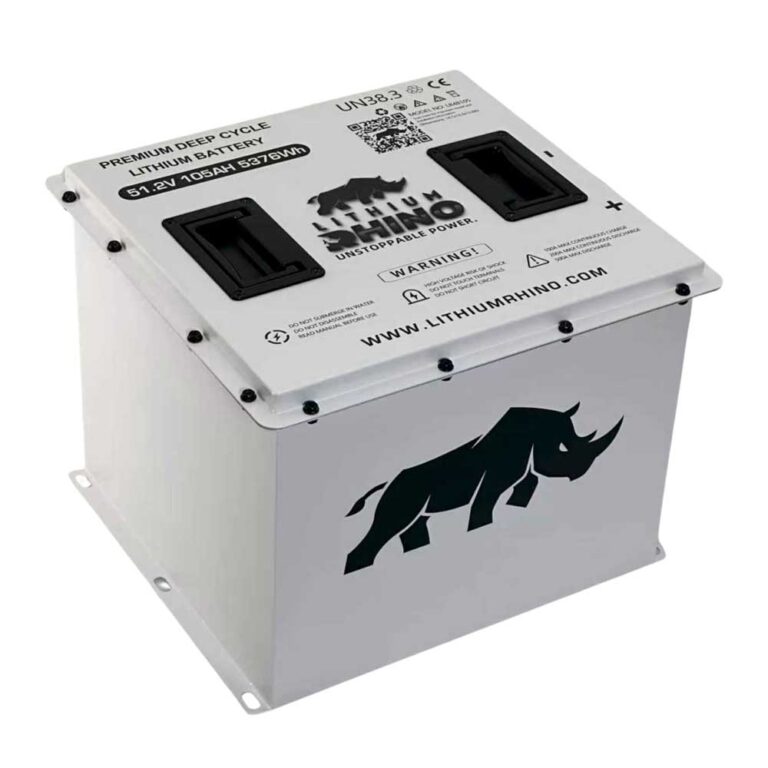
- Star publishes 48V packs at 80/105/160/210Ah with max continuous discharge of 80A/105A/160A/200A.
- The STAR lithium manual sets the stop-driving warning at 10 percent SOC, avoid discharge below 5 percent.
- Capella controllers are documented 350A on 4kW layouts, 450A on larger 5kW QDS layouts.
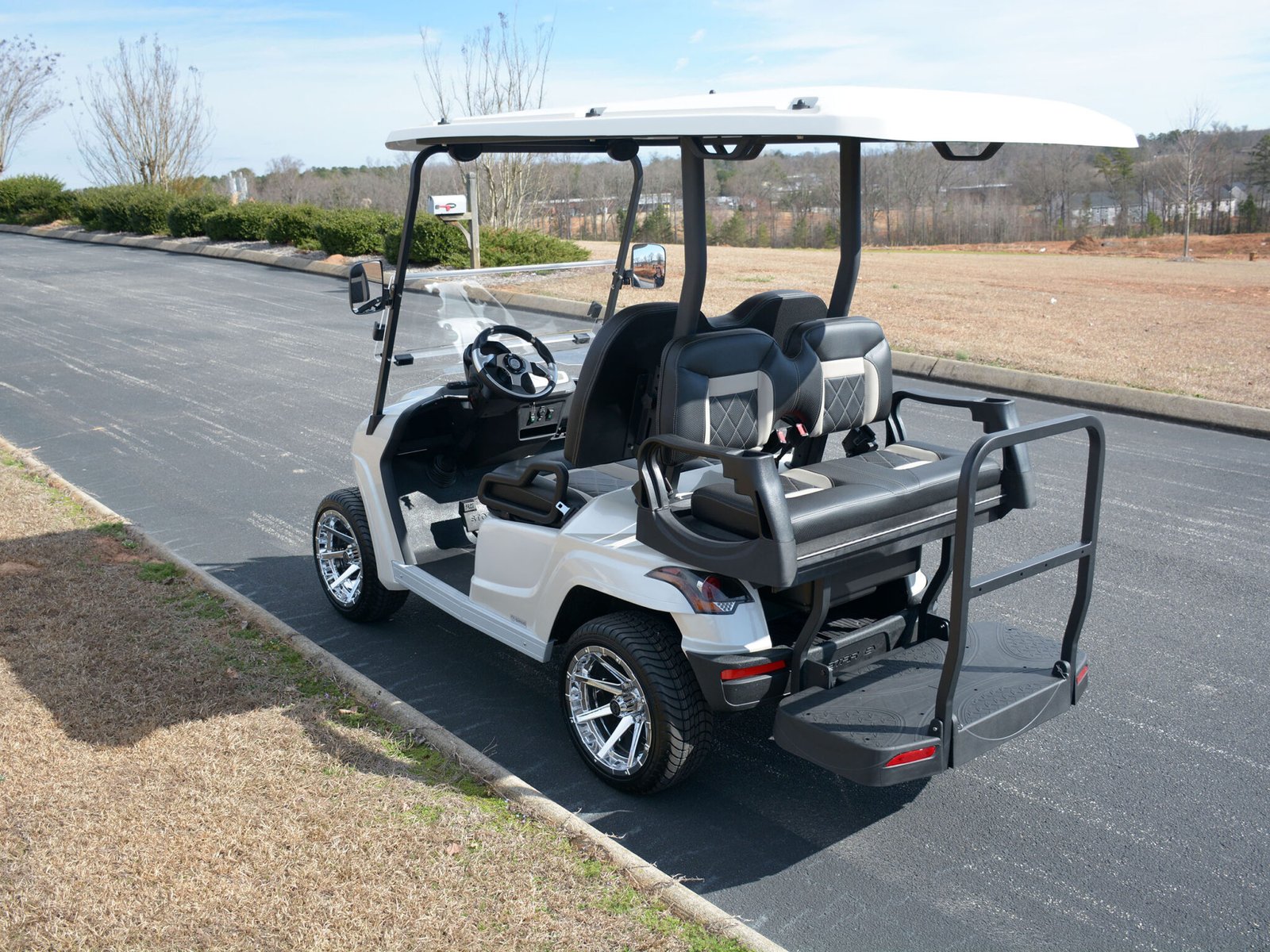
- 2025 Capella specs list 10 inch DOT radial tires standard, with 12 inch tire/rim packages on lifted layouts.
- Star does not publish a Capella-specific thermal cutback temperature, Curtis platform data (85°C/95°C) is general reference only.
A Capella can feel fine on flat roads and weak on hills because climbing asks for the most current the pack and controller can deliver. That makes hill problems ideal for spotting voltage sag or heat limits, verified against Star EV’s own Capella spec sheet and lithium manual.
01: Start With Full Charge and Tires
Do hill testing on a full pack with normal tire pressure. Low tires and low state of charge can mimic a failing drivetrain.
- Full charge: Makes voltage sag easier to interpret.
- Tire pressure: Low pressure adds load and heat.
- Load: Extra passengers can trigger current limits.
02: Hill Symptom Table
Use a repeatable hill test with a full charge, correct tire pressure, one driver, and the same grade. Then match the failure pattern to a real Star EV spec instead of a generic “load or BMS” bucket.
| Symptom | Verified Star EV Number | First Fix |
|---|---|---|
| Slows gradually as pack gets low | STAR lithium manual: stop driving and charge at 10 percent SOC, avoid discharge below 5 percent. | Charge fully, then retest the same hill. |
| Cuts suddenly on the grade | BMS protections include cell-level voltage, temperature, over-voltage, under-voltage, and over-current. | Check battery warning, main terminals, 4-pin connector, and pack label. |
| Weak with passengers or rear seat load | Capella specs list 350A AC controllers on many 4kW layouts, 450A AC controllers on larger 5kW QDS layouts. | Reduce load and compare to the exact model’s pack and controller spec. |
| Worse after tire or lift change | 2025 Capella specs list 10 inch DOT radial tires on standard models and 12 inch tires or rims on lifted versions. | Return to stock tire diameter or accept the torque tradeoff. |
| Hot smell or one hot wheel | Capella manuals warn that brakes, charger fins, and controllers can get hot, dragging brakes steal hill torque. | Compare wheel heat, release the parking brake fully, and inspect cables. |
03: Brake Drag and Tire Size
A dragging brake can hide on flat ground and become obvious on hills. Compare wheel heat after a short drive. If hill power dropped after taller tires, the drivetrain may be over-geared for the load.
04: Voltage Sag and Heat
Voltage sag: do not guess from the dash bar graph alone. Star’s lithium packs are published as 48 Volt packs in 80Ah, 105Ah, 160Ah, and 210Ah sizes with stored energy of 3.84, 5.04, 7.68, and 10.08 kWh. If a hill warning appears near the 10 percent SOC stop-driving point, charge it. If it appears at a high state of charge, look for high resistance at the terminals, the 4-pin connector, the main negative lead, or the fuse and contactor path.
Heat: Star publishes QDS over-temperature protection, but not a Capella-specific controller cutback temperature. As a platform-level comparison, the Curtis 1234/1236/1238 AC controller manual says current limiting starts above 85°C internal heatsink temperature and complete cutoff is at 95°C. Label that as general AC-controller support, not a guaranteed Star setting.
Warnings: match battery or temperature icons in the error code guide. Limp mode: if the cart stays slow afterward, use the reduced speed guide. A one-time fade that clears after cooling is a different problem than a stored fault that returns at startup.
06: Why Star EV Hill Loss Is Usually Current, Not the Motor
Current is the first hill-power suspect because the published Star EV numbers point there. The 2025 Capella spec sheet lists 48 Volt AC, 4kW motors with 350A AC controllers on the shorter layouts, and 5kW QDS AC motors with 450A AC controllers on many larger layouts. The lithium manual lists BMS over-current and under-voltage protection. A steep grade asks for peak current, so a low pack, small pack, loose lug, dragging brake, or tall tire can make the controller reduce torque even when the motor is healthy.
Pack size matters. An 80Ah STAR Smart Lithium pack is not the same hill-power reserve as a 210Ah pack. Star publishes max continuous discharge of 80A, 105A, 160A, and 200A for the 80Ah, 105Ah, 160Ah, and 210Ah batteries. It also notes that passenger configuration and hilly terrain affect range. If your cart is a six-passenger or lifted layout, verify the actual battery label before assuming the pack can support the same grade speed as a lighter two-passenger cart.
The field check is still simple: full charge, correct tire pressure, no extra cargo, same hill. If the cart climbs normally after charging, the problem was state of charge. If one cable end or wheel is hot after the test, the problem is resistance or brake drag. If it cuts sharply with a warning, read BMS and controller data before buying a motor.
07: Tire Size, Lifts, and Effective Gearing
Star’s published Capella specs give enough tire context to avoid hand-waving. Current standard Capella rows list 10 inch DOT radial tires and machined black honeycomb rims on many layouts, while lifted rows list larger 12 inch tire or rim packages depending on the document and model. A taller tire raises effective gearing, that can add a little flat-ground speed but reduces wheel torque on a climb.
If the cart climbed well before a lift or tire swap, nothing may be broken. A taller tire makes the controller ask for more current at the same hill speed, and that can run into the BMS, controller, or motor heat limit sooner. Put the exact tire size back into the diagnosis: tire outside diameter, passenger count, rear seat load, and grade are all part of the same current-demand equation.
Brake drag is the sneaky one. The Capella manual describes mechanical parking brakes on the smaller layouts and hydraulic brakes on larger layouts. Either system can drag. After a short drive, compare hub heat side to side. One wheel that is hotter than the others is not a battery problem, it is hill torque being turned into brake heat.
If your Star EV cuts power sharply on a hill rather than fading gradually, that is usually a protection event, not a slow drain. The BMS watches pack current and temperature, and when a climb pushes either past its limit it can pull the discharge ceiling down hard, which the controller feels as an abrupt cutback. Before you commit to any parts, run one clean baseline hill test the same way every time: full pack, correct tire pressure, one driver, same grade, same day if you can. Note where the cart starts to fade and whether the fade is gradual or a hard cut.
A Star EV that loses hill power is usually hitting a current, heat, or load limit documented in Star’s own Capella spec sheet and lithium manual. Charge, remove drag, verify tires, then test for voltage sag before condemning the motor.
Frequently Asked Questions
Why does my Star EV lose power on hills?
Common causes are low charge, voltage sag, BMS current limit, controller heat, tire pressure, big tires, heavy load, or brake drag.
Can oversized tires make a Star EV slow uphill?
Yes. Taller tires raise effective gearing and reduce climbing torque, especially with passengers or a lift.
Why does my Star EV cut out on hills?
A sudden cutout usually points to BMS current protection, voltage sag, heat protection, or a loose high current connection.