Evolution Golf Cart Slow on Hills: Fix & Diagnosis
Hills ask for the most current an Evolution pack can deliver. Verified per-model voltage cutoffs, discharge ratings, and tire diameters separate real BMS or thermal protection from load, tires, and brake drag.
- Always test hill power on a full pack. LiFePO4 holds a flat voltage curve, then falls off a cliff in the last 15 to 20 percent.
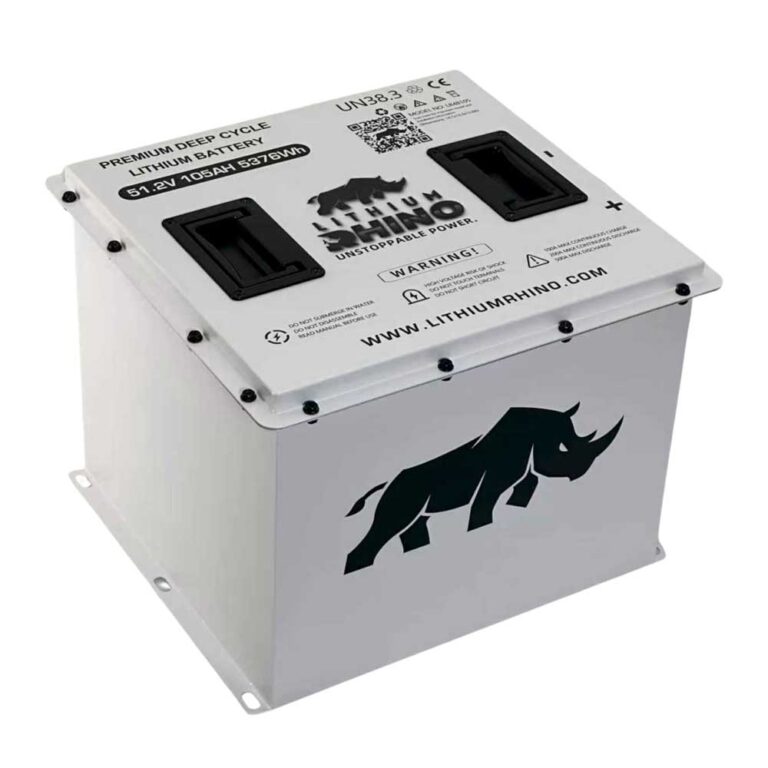
- Evolution publishes real per-pack numbers: L48105 40V disconnect, L48110 41.6V disconnect, L48160-A 39V disconnect.
- A shutoff that recovers after about 30 seconds matches Evolution’s documented automatic BMS protection recovery.
- D5 Series Plus literature lists 25 percent maximum gradability at full load and model gross weights up to 2,900 lb.
- A tire taller than the stock ~23 inch diameter cuts effective wheel torque, a 25 inch tire lands near 92 percent of stock.
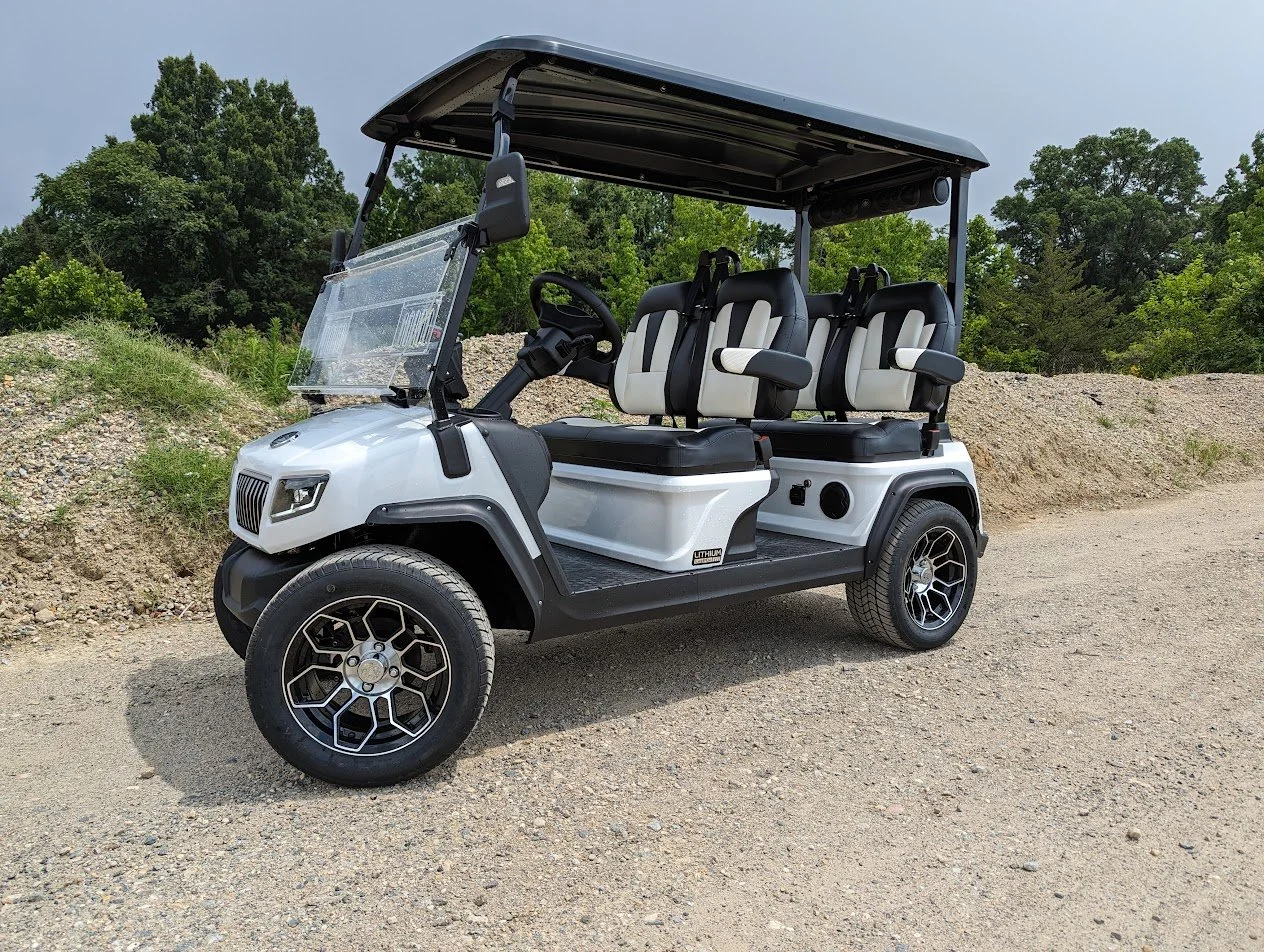
A Classic 4 Plus or D5 Ranger can feel strong on flat roads and weak on hills because climbing exposes current limits that flat-ground driving never triggers. Lithium BMS protection, controller and cable heat, oversized tires, low tire pressure, heavy passenger load, or dragging brakes can all hide until a grade asks the pack for its hardest pull. This guide walks through Evolution’s own published pack specs, gradability numbers, and tire diameters so a hill complaint gets diagnosed against real thresholds instead of guesswork.
01: Test on a Full Battery First
Evolution carts (the Classic 4 Plus, Forester 4/6, D5 Ranger, and EV2.5 lines built from roughly 2021 onward) run a lithium iron phosphate (LiFePO4) pack rather than lead-acid, so “low battery” behaves nothing like an old cart. A LiFePO4 pack holds a nearly flat voltage curve, meaning it feels full right up until the last 15 to 20 percent, then falls off a cliff. That is exactly when a hill exposes the weakness: the pack that pulled fine on flat ground suddenly sags under the high current a climb demands, and the BMS pulls power to protect the cells. Always start your test on a pack charged to 100 percent so you are not chasing a phantom fault that is really just a partly drained battery.
Hill complaints must be tested on a fully charged pack, with normal tire pressure, over the same hill and the same load each time, so the only variable left is the drivetrain itself.
- Full charge: Start with a full pack so voltage sag is meaningful.
- Tire pressure: Low tires add rolling load and heat.
- Passenger load: Heavy loads can trigger BMS or controller current limits.
02: Hill Power Diagnosis Table
Match the pack model before interpreting any hill-power number, because Evolution has sold more than one lithium pack in this family. The official Evolution battery page lists 48V L48105 and L48160 packs plus the 51.2V L48110 pack, while the current D5 Series Plus brochure lists the D5 platform as a 48V system with 48V 105Ah and 48V 160Ah lithium battery options. A Classic 4 Plus, Forester, D5 Ranger, or EV2.5 should not be diagnosed from one universal voltage figure.
| Hill Symptom | Verified Number To Check | First Fix |
|---|---|---|
| Slows gradually with passengers | D5 Series Plus literature lists a 48V system, 6.3 kW motor, 25 percent maximum gradability at full load, and model gross weights from 1,676 lb (2+2 carts) up to 2,900 lb (6 passenger Maverick 6 Plus). | Charge fully, set tire pressure, remove cargo, and retest below the model’s rated gross weight. |
| Power drops or cuts out partway up | L48105 is 48V 105Ah with a 40V low-voltage disconnect and 105A continuous discharge. L48110 is 51.2V 110Ah with a 41.6V disconnect and 110A continuous, 400A for 3 seconds. L48160-A is 48V 160Ah with a 39V disconnect, 160A continuous, 400A for 20 seconds. | If pack voltage collapses toward the published disconnect under load, stop, fully charge, let the BMS recover, then check pack and cables. |
| Cart shuts off, then wakes after a pause | Evolution’s L48105, L48110, and L48160-A data sheets all list automatic protection recovery after 30 seconds, consistent with a BMS event rather than a permanent failure. | Let the cart sit, record any dash or app warning, then retest only once the pack is full and cool. |
| Hill power worse after a tire or wheel change | The D5 Series Plus brochure shows 14×7 inch wheels with 225/50R14 radial tires and 23×10-14 off-road tires, both about 23 inches tall. | Measure tire diameter. Taller than about 23 inches means less wheel torque unless the cart is regeared or returned closer to stock diameter. |
| Hot smell or speed returns after cooling | Evolution pack data sheets allow discharge down to -4°F and up to 131°F on L48105, and up to 140°F on L48110 and L48160-A. Public Evolution docs do not publish one universal controller thermal cutback number for every model. | Stop climbing, cool the cart, check for brake drag and hot cables, and treat repeated heat warnings as a dealer diagnostic job. |
Those figures explain why an Evolution slow on hills complaint can feel completely normal on flat ground. A weak connection, unbalanced cell group, dragging brake, or tire change may only become obvious once the controller asks for high current for more than a few seconds.
03: Rule Out Brake Drag and Tire Load
Before blaming the electronics, jack each wheel and spin it by hand. A dragging brake shoe or a seized caliper adds constant load that only shows up on a grade, and it will cook the motor over time. After a short drive, carefully compare wheel heat from side to side. One hot wheel points to brake drag or bearing resistance, correct that before chasing the battery.
Large tires and lifts change the effective gearing. The current D5 Series Plus brochure gives a useful stock reference: 225/50R14 radial tires and 23×10-14 off-road tires on 14×7 inch wheels are both about 23 inches tall. If a lifted Forester, Classic, D5 Ranger, or EV2.5 has moved to a taller aftermarket tire, the motor has to multiply less torque at the ground on every climb, a 25 inch tire compared with a 23 inch tire cuts effective wheel torque to about 92 percent of the stock-diameter setup before passenger weight or soft tire pressure are even added.
Classic 4 Plus specs are worth checking separately: Evolution lists that cart with a 48V lithium battery, 48V 6.3 kW AC motor, 400 amp Evolution AC controller, 25A onboard charger, and 14 inch alloy rims, but the model page does not publish the exact Ah pack or low-voltage disconnect. For a Classic or Forester, use the battery nameplate and the matching Evolution data sheet rather than borrowing a D5 number blindly.
04: BMS Sag and Thermal Cutback Under Climbing Load
A hill is the single hardest thing you can ask of the drivetrain. If any cell group in the LiFePO4 pack is weaker or the pack is not balanced, its voltage sags first, and the BMS reacts by cutting current to protect that group. Evolution publishes real disconnect values for several packs: 40V on L48105, 41.6V on L48110, and 39V on L48160-A. You feel that as bogging, a sudden cutout, or a drop to a crawl halfway up, then recovery on flat ground or after a short wait.
The Evolution-specific quirk here is BMS balancing after a deep discharge. If the cart has been stored over winter or run down hard, the cells can drift out of balance, and one weak group triggers the cutback long before the pack is actually empty. The fix is often a full, uninterrupted charge cycle, leave it on the charger several extra hours after it reports full so the BMS can top-balance the cells. If bogging persists on a balanced, full pack, look for an overheating motor or controller, a hot high-current cable, brake drag, or a tire size that raises the effective gear ratio.
- Voltage sag: Compare pack voltage at rest and under climb load if you can do it safely. A 48V pack diving toward 39 to 40V, or an L48110 diving toward 41.6V, points to battery, connection, or cell-balance trouble.
- Recovery timing: A shutoff that returns after roughly 30 seconds matches the automatic BMS recovery behavior documented in Evolution’s pack data sheets.
- Heat: Let the cart cool. If power returns, the battery, motor, controller, cable, or brake system was likely protecting itself or fighting excess drag.
- Warnings: A battery or temperature icon should be matched in the error code guide.
- Limp mode: If the cart stays slow after the hill, continue with the reduced speed guide.
An Evolution that loses power on hills is usually hitting a current, heat, or load limit documented in Evolution’s own pack data sheets. Charge fully, remove easy drag, check tires and brakes against the stock diameter, then compare voltage sag to the published disconnect for the installed pack. Motor failure is possible, but it is not the first suspect.
Frequently Asked Questions
Why does my Evolution golf cart lose power on hills?
Climbing demands high current, so common causes are low charge, battery voltage sag, BMS current limit, controller heat, low tire pressure, big tires, heavy load, or brake drag.
Can oversized tires make an Evolution slow uphill?
Yes. Taller tires raise the effective gearing and reduce low speed climbing torque, especially with passengers or a lifted cart.
Why does my Evolution cut out halfway up a hill?
A sudden cutout usually points to BMS current protection, voltage sag, heat protection, or a loose high current connection that opens under load.