Evolution Golf Cart Reduced Speed (Limp Mode): Fix
Reduced speed on an Evolution is usually protection logic, not random weakness. Here is how to tell low charge, throttle faults, heat, and speed sensor issues apart using real controller and battery specs.
- Charge to 100 percent first, if full speed returns it was charge related, not true limp mode.
- Evolution does not publish one universal limp-mode speed cap, use the actual dash speed and fault code.
- The verified Curtis 1236 controller reference: 0 to 5V throttle signal, thermal cutback starting at 85C, cutoff at 95C.
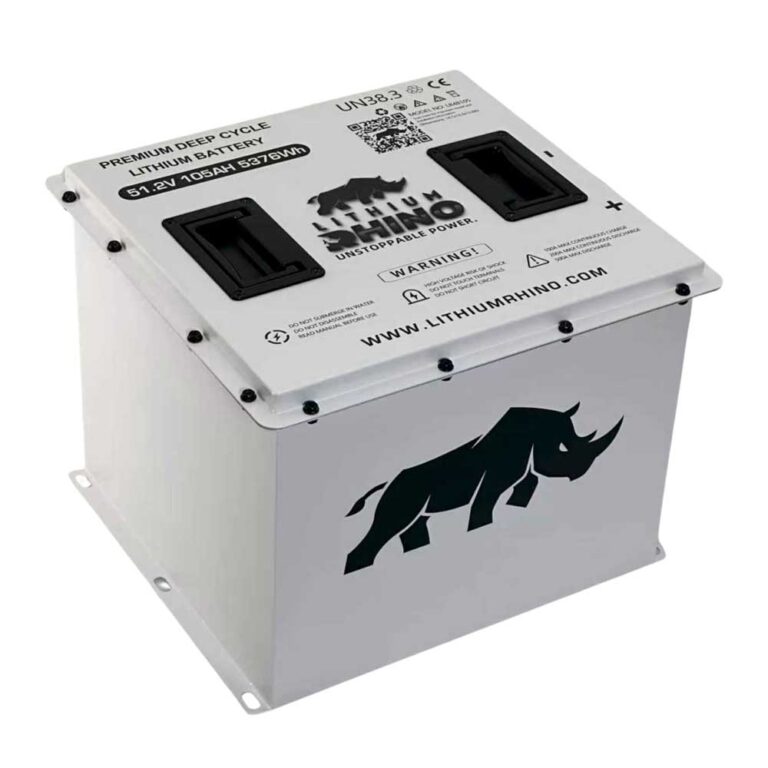
- Real per-pack current and voltage limits exist for L48105, L48110, and L48160-A, use the installed pack’s data sheet.
- A corroded motor speed sensor connector can make the controller distrust RPM data and limit power.
When a Classic 4 Plus or D5 Ranger suddenly drives slowly, caps top speed, or feels stuck in limp mode, the cart is often protecting itself. Lithium BMS limits and controller safety inputs can reduce speed before they shut the cart down completely. This guide separates low charge from genuine limp mode and gives the real, cited controller and battery numbers instead of unverified round figures.
01: Decide If It Is Limp Mode or Low Charge
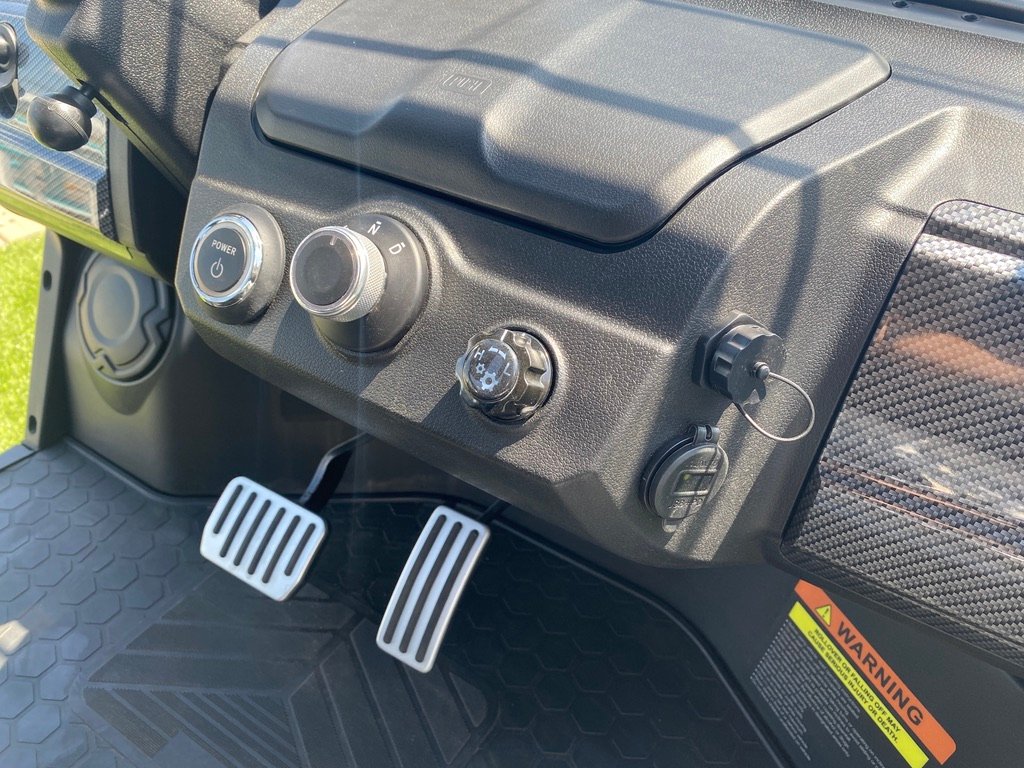
On an Evolution (Classic 4 Plus, Forester, D5, and EV2.5, model years roughly 2021 to present) reduced speed can come from two very different places, and telling them apart saves hours. True limp mode is a controller-commanded speed or torque limit, usually with a dash warning light or an error code, but public Evolution documents do not publish one universal 5 to 8 mph limp cap. Use the actual dash speed and fault code as symptoms instead of treating any round number as a factory spec. Low-charge cutback is the LiFePO4 pack sagging as it empties: the flat lithium voltage curve means the cart feels normal until the last fifth of capacity, then the BMS trims speed to protect the cells. Charge to 100 percent first. If full speed returns, it was charge related; if the cap survives a full charge, you are in genuine limp mode and should read the fault code.
Low state of charge can feel exactly like limp mode. Charge the pack fully, check tire pressure, then test again on level ground. If the cart is still capped at a low speed on a full pack, treat it as a controller limit or sensor fault.
- State of charge: A low lithium pack may reduce current before the dash looks empty.
- Speed cap: A consistent low top speed points to limp mode or programming.
- Only under load: Slowing only on hills points toward battery sag, heat, weight, or tire setup.
02: Match the Reduced Speed Pattern
The pattern matters more than the word limp. Use the table to choose the first test.
| Pattern | Most Likely Cause | First Test |
|---|---|---|
| Slow right after key on | Active fault or brake input | Read dash warning and brake switch |
| Slows after driving | Heat or BMS current limit | Cool down and check load |
| Surges or hunts | Speed sensor or throttle signal | Inspect motor sensor wiring |
| Only slow uphill | Voltage sag or gearing load | Use hill power guide |
03: Check the Brake and Throttle Sensors
Limp mode is often triggered by an input the controller does not trust. The verified controller-level number is the Curtis 1234/36/38 Type 2 throttle input: Curtis says zero throttle request corresponds to 0V and full throttle request corresponds to 5V, with the throttle pot wiper specified for 0 to 6.25V operation. That supports a 0 to 5V style Hall or electronic throttle check, but it does not verify one universal Evolution rest and full-pedal reading. Treat exact rest and full-travel voltages as model-specific service values from your controller setup or dealer documentation, not a published Evolution spec.
Back-probe the throttle signal wire and watch the voltage as you press the pedal. A healthy Hall throttle should sweep smoothly as the pedal moves. Stop the diagnosis if the signal jumps, drops out, goes flat, or never changes through most of pedal travel. The Curtis manual notes that voltage throttles rely on OEM fault detection, so a rubbed wire, wet connector, loose ground, or failed pedal sensor can make the controller clamp torque before the cart fully quits.
A stuck brake switch can tell the controller the cart is braking, so the controller refuses normal speed. Make sure the parking brake releases fully and the brake pedal returns. Then inspect the throttle pedal connector and wiring for moisture or loose pins.
If the dash shows a throttle or brake warning, record it and compare it in the Evolution error code guide before clearing it. Wiring diagrams are dealer service documents, so if the voltage sweep does not match the cart data screen or controller setup, have an authorized dealer confirm pedal calibration instead of guessing.
04: Overheat, Speed Sensor and BMS Limits
The speed-cap claim needs careful wording. Evolution does not publish one public limp-mode speed cap for every Classic, Forester, D5, and EV model. Some D5 Plus product pages list a 19 mph maximum speed, but that is normal top speed, not a limp-mode cap. If your Evolution reduced-speed complaint feels like walking speed, record the actual dash speed and fault code instead of assuming a universal factory value.
Thermal cutback is real, but it is cited here as controller-family evidence, not an Evolution-specific promise. In the Curtis 1234/36/38 manual, fault 22 Controller Overtemp Cutback reduces drive and brake torque after heatsink temperature exceeds 85C, and the specification table shows linear overtemperature cutback starting at 85C with complete cutoff at 95C. This explains the pattern where reduced speed appears after hills, heavy passengers, oversized tires, dragging brakes, or hot weather, then improves once the cart cools.
| Evolution Pack | Continuous Discharge | Peak Discharge | Low Voltage Disconnect |
|---|---|---|---|
| L48105 (48V, 105Ah) | 105A | 200A for 20 seconds | 40V |
| L48110 (51.2V, 110Ah) | 110A | 400A for 3 seconds | 41.6V |
| L48160-A (48V, 160Ah) | 160A | 400A for 20 seconds | 39V |
Evolution’s battery data sheets support BMS protection without inventing a dash code. If pack voltage sags near the values in this table, or the BBMAS app logs current, voltage, MOSFET temperature, or cell-balance alarms, reduced torque is protection, not a throttle calibration issue.
The other common trigger is the motor speed sensor. Evolution motors use a speed or encoder sensor feeding rpm back to the controller. If that signal is missing, noisy, or its connector corrodes, the controller can set a fault, surge, or refuse normal drive rather than allowing full power with unreliable speed feedback. Inspect that connector at the motor for green corrosion, water, loose pins, or chafed wiring before ordering a controller.
- Heat: Let the cart sit in shade for twenty minutes. If speed returns, inspect load, tire size, tire pressure, dragging brakes, and repeated hill use.
- Speed sensor: Check the connector at the motor. Damaged wiring can make the controller limit or interrupt drive because it cannot trust motor RPM.
- BMS: If speed drops with a battery warning, charge fully and compare the installed battery label to Evolution data sheet limits before condemning the throttle.
- Dealer programming: If the cart has always been slow, confirm whether it is programmed for a local street legal speed limit or a community speed rule.
Reduced speed on an Evolution is a protective response until proven otherwise. Rule out low charge, brake input, throttle signal, speed sensor data, heat, and BMS limits, using the pack’s own published current and voltage limits, before suspecting the motor.
Frequently Asked Questions
Why is my Evolution golf cart stuck in reduced speed?
The usual causes are low battery state, BMS current limit, active dash fault, stuck brake switch, throttle signal issue, speed sensor fault, overheating, or speed programming.
How do I reset limp mode on an Evolution?
Charge the pack, let the cart cool, release the parking brake, then cycle the key. If reduced speed returns, the fault is still active and needs diagnosis.
Can a speed sensor make an Evolution slow?
Yes. If the controller loses reliable motor speed data, it may limit power or surge instead of allowing full speed.