Star EV Golf Cart Reduced Speed (Limp Mode): Fix
Reduced speed usually means the Capella controller or BMS is protecting the cart, verified against Star EV’s own Capella spec sheet, lithium manual, and platform-level Curtis controller documentation.
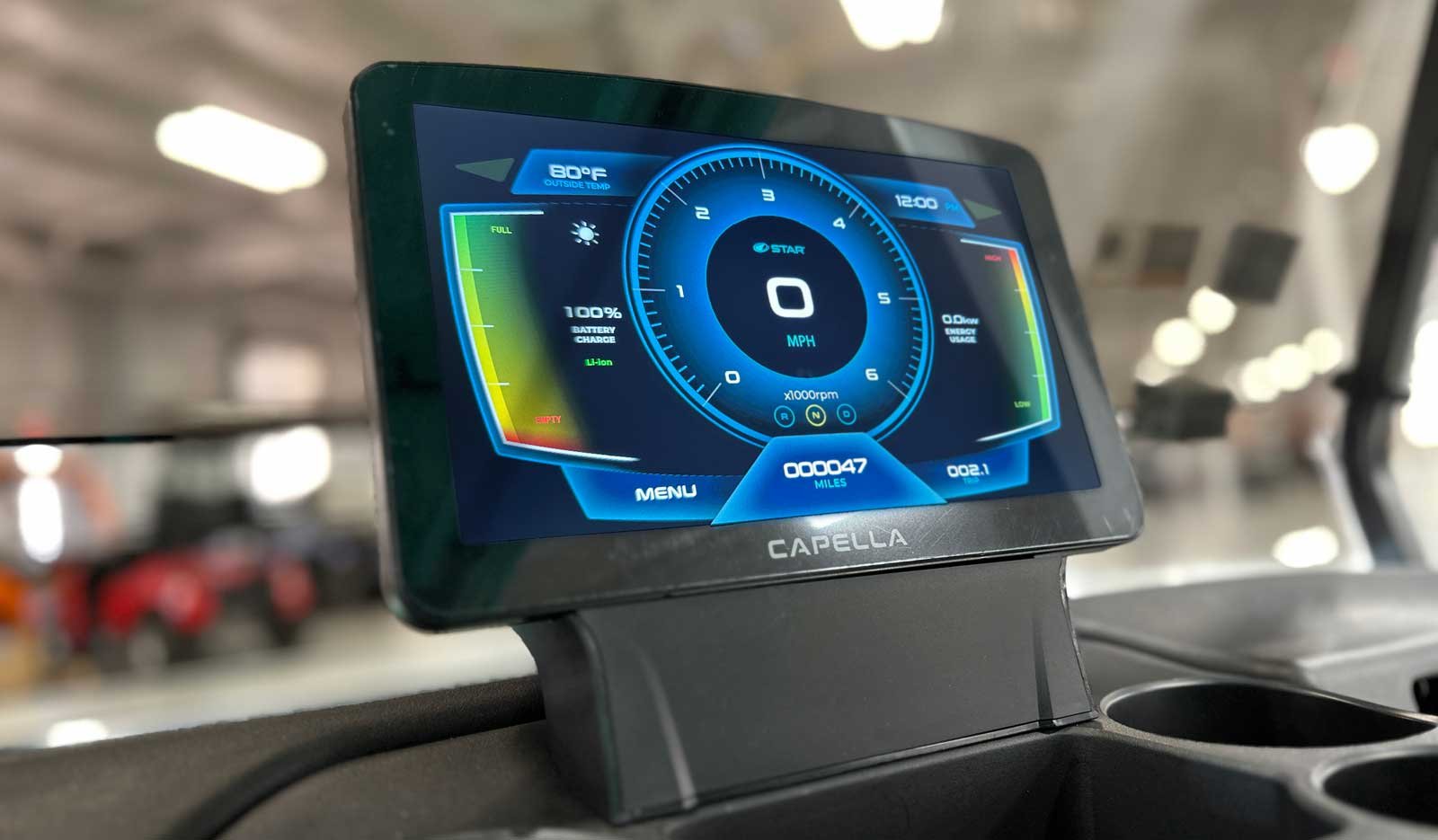
- Current Capella specs list a 19.5 mph golf-car top speed and 25 mph as an LSV, a lower cap may just be a dealer fleet or turf profile.
- Star’s lithium manual says stop driving and charge at 10 percent SOC, and avoid discharge below 5 percent.
- Capella controllers are documented as 350A on 4kW layouts and 450A on larger 5kW QDS layouts.
- Star does not publish a Capella-specific thermal cutback temperature, Curtis platform data (85C cutback, 95C cutoff) is a general reference only.
- Check the main lithium terminal bolts yearly at 124 in-lb and the 4-pin signal connector every six months, a loose connection can trigger false protection.
A Capella that suddenly caps speed is often in protective logic. Low battery state, BMS current limits, brake input, throttle signal, speed sensor data, or heat can all trigger limp behavior. This guide uses Star EV’s own Capella spec sheet and lithium manual to separate a real fault from normal dealer speed programming.
01: Rule Out Low Charge
Charge the pack fully and test on level ground. A low lithium pack can feel like limp mode before it is actually empty.
- Charge state: Start every speed test with a full pack.
- Consistent cap: Same low top speed points to limp or programming.
- Only under load: Hill-only problems point to sag, heat, or drag.
02: Match the Speed Pattern
Use the speed pattern to separate a Star EV reduced speed complaint from normal programming. The current Capella specs list a 19.5 mph golf-car top speed and 25 mph when configured as an LSV, so a cart that has always stopped below that may simply be in a dealer-set fleet, turf, or low-speed profile.
| Pattern | Verified Star EV Context | First Test |
|---|---|---|
| Slow from the first key cycle | Brake input, low-speed programming, or an active dash fault. | Release the parking brake fully, read the display, then confirm the dealer speed profile. |
| Slows after hills or towing | Star lists QDS temperature protection on AC controllers, but does not publish a Capella cutback temperature. | Let it cool, clear controller airflow, and check for brake drag or heavy load. |
| Slows as state of charge gets low | The STAR lithium manual says to stop driving at 10 percent SOC and avoid discharge below 5 percent. | Charge fully, then retest before chasing throttle or motor parts. |
| Surges or hunts around a limit | The AC controller needs clean throttle and encoder data, a bad signal can force conservative output. | Inspect the pedal connector, low-current harness, and motor speed sensor wiring. |
| Hill only | The Capella spec sheet separates 350A AC controller models from 450A AC controller models, so load matters. | Use the hill guide after checking tire pressure, passengers, cargo, and pack charge. |
03: Brake and Throttle Inputs
A stuck brake switch can hold the cart in a limited mode. Make sure the parking brake releases and the pedal returns. Then inspect the throttle connector for moisture or loose pins.
04: Heat and BMS Protection
Cool down: if speed returns after rest, treat the event as protection until proven otherwise. Star publishes QDS over-temperature protection on Capella materials, but not a public temperature threshold for the Star controller. A Curtis 1234/1236/1238 manual gives only a platform-level reference: linear controller cutback starts at 85°C internal heatsink temperature and complete cutoff is at 95°C. Use that as a general AC-controller comparison, not as a Star-specific limit.
BMS: do not use the old “bottom third” rule. Star’s own lithium instructions are more specific. The manual says to charge as soon as possible when SOC is below 10 percent, stop driving at 10 percent, and avoid discharging below 5 percent. It also lists BMS protections for cell-level voltage, temperature, over-voltage, under-voltage, and over-current. If the cart is slow with a battery warning, charge it fully and inspect the battery’s 4-pin connector and main terminals before replacing the motor.
Speed sensor and throttle: a reduced-speed Star EV can be reacting to missing motor speed feedback or a noisy pedal signal. The Curtis controller documentation used here as platform support shows 0 to 5V throttle families, 5V sensor supply, encoder inputs, and shutdown faults for throttle wiper high, throttle wiper low, encoder fault, and HPD sequencing. That supports checking the three-wire pedal harness and motor sensor connector before calling the motor bad.
06: Star EV Lithium Platform Behavior
Most current Capella personal-cart specs are 48V, not an owner-assumed 72V system. Star’s Capella page and 2025 Capella spec sheet list 48 Volt AC motors, 350A AC controllers on the shorter 4kW layouts, 450A AC controllers on many 5kW QDS layouts, and STAR Smart Lithium packs at 80Ah, 105Ah, 160Ah, and 210Ah depending on the model. Star’s lithium kits page separately notes that 72V systems are for new bus orders and not aftermarket personal-cart kits, so do not diagnose a Capella reduced-speed complaint as a 72V personal-cart issue unless the battery label proves that exact build.
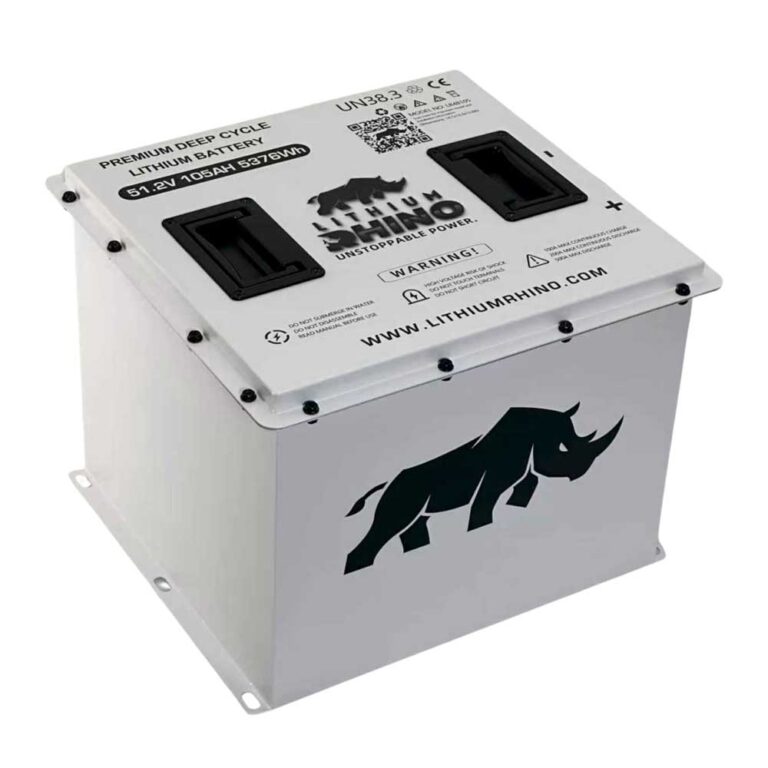
The verified lithium numbers are useful because they replace guesswork. Star publishes 48 Volt packs with stored energy of 3.84 kWh, 5.04 kWh, 7.68 kWh, and 10.08 kWh for the 80Ah, 105Ah, 160Ah, and 210Ah packs. The same manual lists max continuous discharge of 80A, 105A, 160A, and 200A respectively, with short discharge ratings of 350A on the smaller packs and 480A on the 210Ah pack. If a cart with passengers or a lift goes slow only under load, compare that load to the actual pack label instead of treating every Star EV lithium battery as the same.
A known maintenance point is also published, not folklore. The Capella manual tells owners to check the main lithium battery terminal bolts yearly at 124 in-lb and inspect the 4-pin connector near the battery every six months for corrosion. That low-current connector can matter as much as the heavy lugs because the BMS, charger, and controller rely on clean signals as well as clean power.
07: Controller Heat and the AC Drive
Star’s public materials confirm the system family but not a Star-specific thermal derate number. The Capella literature lists QDS drive-system over-temperature protection, 48 Volt AC motors with thermistors on 4kW models, and 5kW QDS AC motors on larger layouts. That is enough to explain why a Star EV reduced speed complaint can appear after a long climb, a heavy rear seat load, or hot weather, but it is not enough to claim a fixed derate time or a fixed Star temperature threshold.
If you need a number for context, use the Curtis-family controller document as platform-level support only. It says its 1234/1236/1238 AC controllers reduce maximum current above 85°C internal heatsink temperature and reach complete over-temperature cutoff at 95°C. Your Star EV may not use that exact Curtis model or calibration, so the practical field test is simpler: let the cart cool, remove leaves or mud around the controller heat sink, verify the parking brake is not dragging, and repeat the same route with one driver and a full charge.
Throttle sensor drift belongs in the same bucket of “verify before parts.” Star does not publish a universal public Hall-throttle endpoint spec for every Capella year. The correct wording is that AC controllers use low-voltage throttle inputs and will cut or ignore drive when a signal is out of range. If the reduced speed feels like surging instead of a clean cap, inspect the pedal return, water in the connector, damaged signal wiring, and any stored controller fault before touching the motor.
If the cart has been slow since day one, or since a shop last touched it, this is almost never a fault at all. Star EV controllers store a speed setting that a dealer sets with a handheld or laptop, and a fleet or turf profile will hard-cap the cart well below its real top speed. No amount of charging, cooling, or connector cleaning changes a programmed limit. Confirm the profile matches how the cart is actually used before assuming a part has failed.
The parking brake and pedal-return path deserves a real look on these carts, not a glance. The pedal box on the higher-trim models routes the brake input switch where road grit collects, and a switch that only half-releases will keep the controller in a limited state even though the cart otherwise drives. Cycle the brake by hand, listen for a clean click, and confirm the pedal returns fully every time before you write off the reduced speed as an electrical fault deeper in the system.
Reduced speed is a protective response until proven otherwise. Diagnose low charge, brake input, throttle signal, speed data, heat, and BMS limits using Star EV’s own documented thresholds before suspecting the motor.
Frequently Asked Questions
Why is my Star EV stuck in reduced speed?
Likely causes include low charge, BMS current limit, active fault, stuck brake switch, throttle issue, speed sensor fault, overheating, or speed programming.
How do I reset limp mode on a Star EV?
Charge the pack, let the cart cool, release the parking brake, and key cycle. If reduced speed returns, the fault is still active.
Can a speed sensor make a Star EV slow?
Yes. If the controller loses reliable motor speed data, it may limit power or surge instead of allowing full speed.