Are Lithium Golf Cart Batteries Worth It?
Lithium packs cost about double lead-acid up front. Here is an honest look at whether that premium actually pays off, and who should hold off.
- A quality 48V LiFePO4 pack costs roughly double a fresh lead-acid set, but often removes 250-290 lb and lasts 2,000+ cycles versus 500-800 for lead-acid.
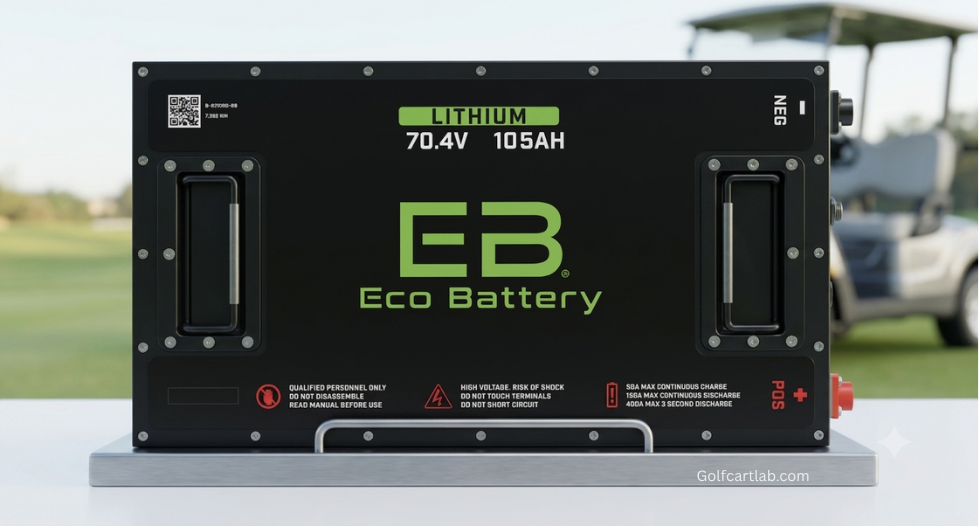
- Real published specs: Eco Battery 51.2V/105Ah at 98 lb/$2,178* MSRP; ROYPOW S51105L-Z at 95 lb with 4,000+ cycles; a six-battery Trojan T-875 flooded pack weighs 378 lb.
- Worth it for daily/neighborhood drivers who want range, low weight, and zero watering. Light seasonal users with healthy lead-acid may want to wait.
- Always pair the pack with a matching lithium-profile charger and a brand with a real warranty.
* Estimated retail prices from manufacturer and retailer listings at the time of writing. Prices change often, so use them as a planning guide, not a quote.
A lithium battery is the most-asked-about golf cart upgrade there is. It genuinely improves range, weight, lifespan and maintenance, but it costs roughly twice what a lead-acid set does, so whether it is worth it comes down entirely to how much you drive. For most people who drive their cart often, lithium golf cart batteries are worth it: a quality 48V LiFePO4 pack pays for itself over the life of the cart through longer range, zero watering, and an 8-10 year lifespan. If you drive a few rounds a season and already own decent lead-acid batteries, the upgrade is harder to justify on cost alone.
What a Lithium Upgrade Actually Costs
A drop-in 48V lithium pack from a reputable brand is still the premium option, but the real spec sheet shows why the old amp-hour comparison is misleading. Eco Battery publishes a 51.2V 105Ah pack at 5,376Wh and 98 lb with a $2,178* battery MSRP, while ROYPOW lists its S51105L-Z at 48V (51.2V), 105Ah, 5.37 kWh and 95 lb. A common lead-acid reference set, six Trojan T-875 8V batteries, is 48V and 170Ah at the 20-hour rate, but it weighs 378 lb before cables and watering hardware.
Use this table to compare published numbers, not rounded forum claims. If a manufacturer does not publish a cycle-life or price number on the cited page, the table says so rather than filling in a guess.
| Battery or Pack | Published Capacity | Published Cycle Life | Published Weight |
|---|---|---|---|
| Eco Battery 51.2V 105Ah | 51.2V, 105Ah, 5,376Wh | Not published on data sheet | 98 lb, $2,178* MSRP |
| ROYPOW S51105L-Z | 48V (51.2V), 105Ah, 5.37kWh | 4,000+ cycles | 95 lb |
| Dakota Lithium DL48V96Ah | 48V, 96Ah, 4,915Wh | 2,000+ recharge cycles | Not published, $2,775-2,999* |
| Trojan T-875 x6 (lead-acid) | 48V pack, 170Ah at 20hr rate | Not published | 378 lb pack (63 lb each) |
* Estimated retail prices from manufacturer and retailer listings at the time of writing. Prices change often, so use them as a planning guide, not a quote.
The practical takeaway is sharper than “lithium is roughly double.” A 95 to 98 lb LiFePO4 pack removes about 280 lb versus the Trojan 48V example, and the lithium pack holds voltage flatter under load. That is why a lower-Ah lithium pack can feel stronger and often run farther in normal cart use than a higher-Ah flooded set, especially when the lead-acid pack is kept above deep discharge to protect its life.
What Owners Actually Say
Spend time in cart owner communities and a clear pattern emerges. The people who regret the switch are almost always the ones who bought the cheapest no-name pack and then ran a high-amp performance controller; the budget BMS (battery management system) trips or fails under surge. The people who are thrilled are daily drivers and neighborhood/LSV owners who put real miles on the cart: they report the weight savings noticeably improving acceleration and hill performance, and they love never topping off water or cleaning terminal corrosion again.
The most common real-world complaint is cold weather: most LiFePO4 packs will not charge below freezing without a built-in heater, so northern owners need a pack with low-temp protection. The second is that a dead lithium pack is a more expensive failure than a dead lead-acid battery, which is exactly why brand and warranty matter more here than with lead-acid. Owners on the r/golfcarts community repeatedly steer newcomers toward established brands with a real US warranty rather than the cheapest eBay listing.
The Honest Trade-offs
- Range & usable capacity: Compare watt-hours, weight, and discharge curve, not Ah alone. The cited 105Ah lithium packs weigh under 100 lb while the Trojan 48V example weighs 378 lb.
- Lifespan: Published lithium cycle claims vary by brand. ROYPOW lists 4,000+ cycles, Dakota lists 2,000+ recharge cycles, and Eco Battery does not publish a specific cycle count on its cited data sheet.
- Up-front cost: Eco Battery publishes a $2,178* battery MSRP; expect a real premium over a fresh lead-acid set before install parts or labor.
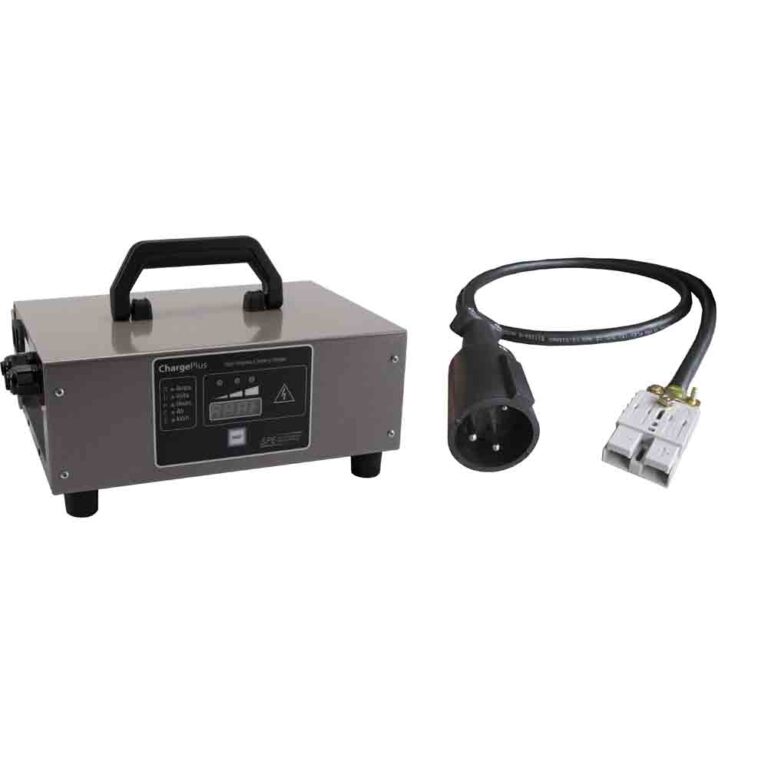
- Charger: A lithium pack needs a lithium-profile charger; your old lead-acid charger may not fully or safely charge it.
* Estimated retail prices from manufacturer and retailer listings at the time of writing. Prices change often, so use them as a planning guide, not a quote.
Are Lithium Golf Cart Batteries Worth It For You?
Worth it if: you drive most days, use the cart as a neighborhood vehicle, tow or climb hills, run accessories (lights, stereo, cooler), or simply want to stop maintaining batteries for the next decade. The longer lifespan and zero maintenance usually win the math for you.
Skip it (for now) if: you golf a handful of times a year, your current lead-acid set is healthy, and you mostly care about the lowest possible cost. In that case, ride out your lead-acid batteries and revisit lithium when they need replacing, prices keep falling.
Either way, run your own numbers before you buy. Our lead-acid vs lithium ROI breakdown does the long-term cost math, and the best lithium battery buyer’s guide covers capacity and brand selection. When you are ready to compare specific carts, the cost-of-ownership calculator folds the battery decision into the full 5-year picture.
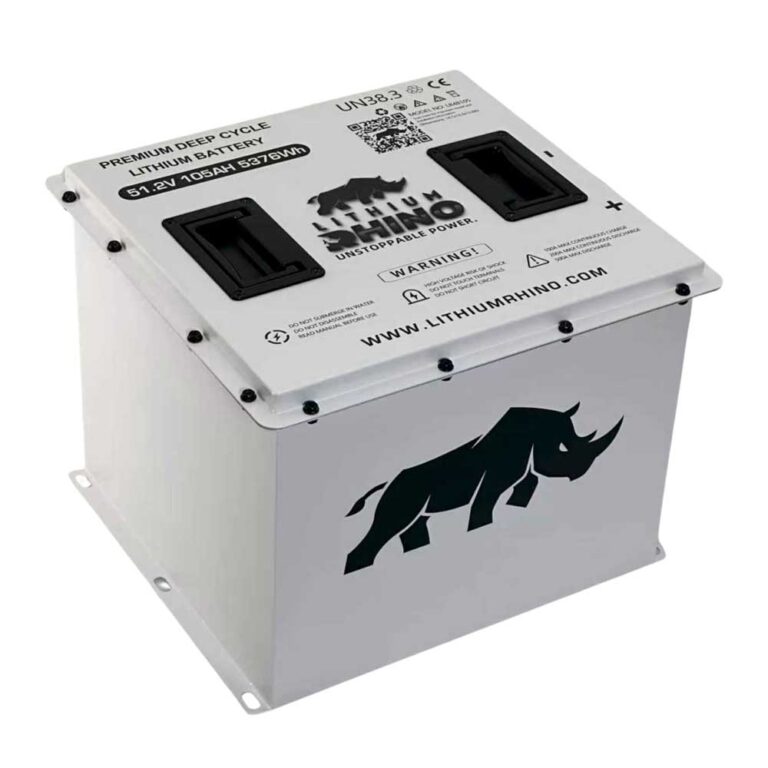
Parts note: We stock 36V and 48V lithium bundles from Lithium Rhino and MODZ, each with its charger in the box. See lithium bundles
The Bottom Line on a Lithium Battery Upgrade
A lithium golf cart battery upgrade is one of the few mods that improves almost everything at once: weight, range, lifespan, maintenance, and even acceleration, with the single real downside being up-front cost. For an owner who uses the cart regularly, that cost is recovered over the pack’s life and then some. For a light, seasonal user, the smarter move is patience: drive your lead-acid set until it dies, then go lithium. Match the pack to a quality BMS, a proper lithium charger, and a brand with a genuine warranty, and it is hard to be disappointed. If it is worth it for you, the Lithium Battery Bundle Finder shows which packs fit your cart, sized to your miles and hills.
Lithium is worth it when the cart’s use pattern matches the chemistry. A neighborhood cart that gets frequent short trips, hills, and accessories benefits from lower weight, flatter voltage, and faster charging. A cart used twice a month on flat ground may not recover the cost as quickly. For 2004-2014 Precedent, 1996-newer TXT, RXV, Yamaha Drive, and Drive2 conversions, the details decide the outcome: correct charger profile, secure battery mounting, a real 12V reducer for lights, and a BMS that can handle peak controller current. Cold weather is the other dividing line. Many LiFePO4 packs should not be charged below 32F unless heated. If the cart lives in an unheated shed, choose a battery with low-temperature charge protection and make sure the charger cannot force current into a frozen pack.
Worth it for daily and neighborhood drivers, the lifespan and zero maintenance recover the premium. Wait if you are a light seasonal user with healthy lead-acid batteries. Always buy a known brand with a real warranty and a matching lithium charger.
Frequently Asked Questions
Are lithium golf cart batteries worth the extra money?
For regular and neighborhood drivers, yes, the 8-10 year lifespan, longer range and zero maintenance typically recover the roughly double up-front cost. Light seasonal users with healthy lead-acid batteries are better off waiting.
How long do lithium golf cart batteries last?
A quality LiFePO4 pack lasts about 2,000-3,000 charge cycles, or roughly 8-10 years, versus 3-5 years for lead-acid.