Best Golf Cart Accessories: Must-Have Upgrades Guide
The upgrades worth your money, with real named lift kits, light kits, converters, and meters, sorted by performance, comfort, safety, and convenience, plus a simple priority order.
- MadJax lift kits run 3.5 to 6 inches by platform; the King XD 6 inch kit recommends 22 to 23 inch tires.
- Street-legal LED kits (MadJax Ultimate Plus) build in turn signals, brake lights, a horn, and a 7.5A 12V accessory port.
- Electrical accessories need a properly sized DC-DC converter, commonly 15A to 30A, not a tap off one battery in the pack.
- Prioritize safety and lighting first if you drive near roads, then comfort, then performance, then convenience.
The right accessories turn a basic golf cart into exactly the vehicle you want, whether that is a street-legal commuter, an off-road hauler, or a loaded course cruiser. The trick is buying the upgrades that match your real use, with real specs behind them, instead of everything at once.
Performance accessories
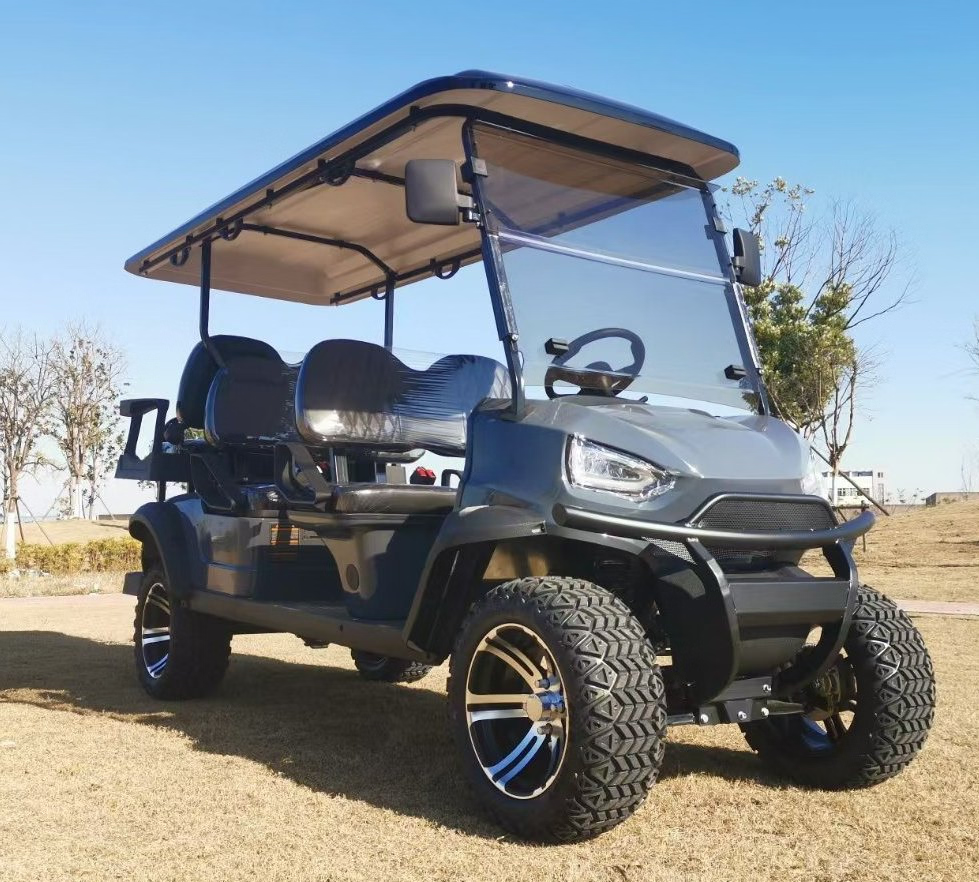
These change how the cart drives, so fitment matters more than the catalog photo. A lift kit is usually a 3 inch to 6 inch suspension change, not a vague style upgrade. MadJax support lists 3.5 inch, 4 inch, 5 inch, and 6 inch kits across Club Car, E-Z-GO, and Yamaha platforms, while the MadJax King XD 6 inch Club Car Precedent, Onward, and Tempo kit recommends 22 inch to 23 inch tires. Jake’s lists 3 inch and 6 inch spindle kits for several Yamaha and Club Car applications, including 6 inch kits around the 23 inch tire range.
| Accessory | Real spec examples | Buyer note |
|---|---|---|
| MadJax lift kit | 3.5, 4, 5, and 6 inch kits by platform. King XD 6 inch fits Precedent/Onward/Tempo, recommends 22 to 23 inch tires. | Choose by exact year and chassis, then align the front end after install. |
| Jake’s lift kit | 3 inch and 6 inch spindle kits, including 2007-2016 Yamaha G29 Drive and 2017-up Drive2 options. | Good when you want a known lift-kit brand with model-specific hardware. |
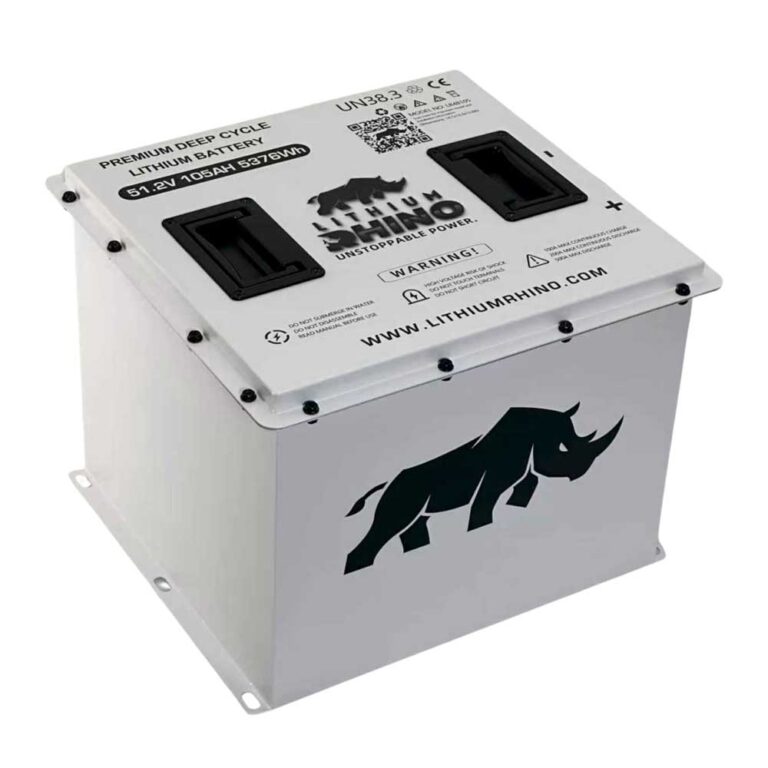
| Lithium battery | Eco Battery 51.2V 105Ah and Allied RS 48V 105Ah LiFePO4 packages. | This is a range and weight upgrade as much as a performance upgrade. |
Owners chasing more speed often add a high-output controller or speed motor, but tires and battery current should be sorted first. If that is your goal, our guide on how to make a golf cart faster ranks the upgrades by cost and payoff, and the best lithium battery guide covers the range side.
Comfort and capacity accessories
If you carry passengers or use the cart for hours, comfort upgrades pay off quickly:
- Rear flip seat: turns a two-seater into a four-seater and folds flat into a cargo bed.
- Enclosure / cover: keeps rain and wind out for year-round use.
- Custom seats: upgraded cushions and covers add comfort and style.
Safety and street-legal accessories
If you drive on or near public roads, safety gear is essential, and often legally required to make a cart street legal. The core kit includes real electrical pieces, not just brighter bulbs. MadJax’s Ultimate Plus LED kits publish high/low beam functionality, automotive-style daytime running lights, turn signals, brake lights, horn, a dual USB port, and a 7.5 amp 12V accessory connection in the dash. MadJax’s LSV kit notes DOT windshield, wiper, seat belts, sound emitter, slow-moving vehicle triangle, VIN labels, and dealer responsibility for federal and state compliance.
- LED headlights and taillights: look for high/low beam and daytime running light support if you drive after dark.
- Turn signals and horn: MadJax Ultimate Plus kits build these into the stalk and harness on supported models.
- Mirrors, windshield, and wiper: a DOT windshield and visibility hardware matter for LSV conversion.
- Seat belts and slow-moving-vehicle emblem: common legal requirements, but state and local rules still decide registration.
For lumen output, many model-specific golf-cart headlight kits publish feature lists but not measured lumens. When adding auxiliary light bars, use published lumen specs instead of guessing. A small 4 inch GTW-style LED light bar product page lists 18W and 740 lumens, while larger 12 inch 72W golf cart light bars are commonly sold around 6,000 lumens. Treat those as off-road or private-property lighting unless the exact lamp is DOT or SAE marked for road use.
Requirements vary by state and locality, so confirm yours before buying a street-legal package. Wiring these accessories cleanly into the cart is covered across our repair guides.
Convenience and tech accessories
These are the small touches that make a cart genuinely enjoyable to live with day to day, but the electrical ones need proper ratings:
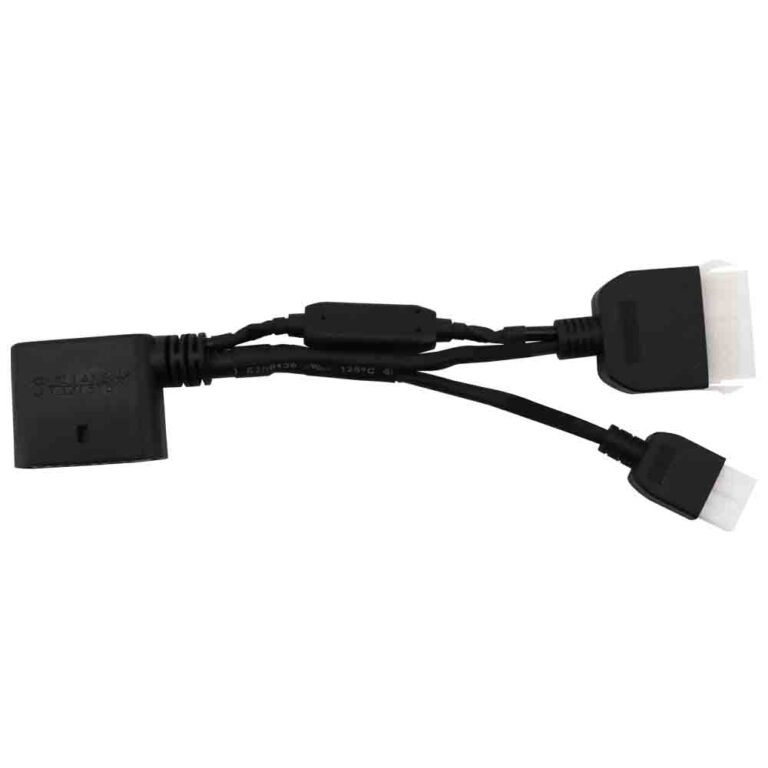
- USB and 12V outlets: a DC-DC converter is needed on most 36V, 48V, 51.2V, or 72V carts. Eco Battery’s A-1272 converter is published for 40V to 90V input with 25 amp 12V output, enough for displays, lights, and stereo equipment when wired correctly.
- Bluetooth stereo: add the stereo’s fuse and current draw to the converter load calculation instead of tying it to one battery in a lead-acid pack.
- Storage and cooler: baskets, glove boxes, and cooler mounts are low risk, but check seat-kit weight limits when carrying passengers.
- State-of-charge meter: Eco Battery’s CAN LCD meter displays battery percentage, voltage, and real-time amps from the battery COM port. Curtis Model 803 is a solid-state BDI and hour meter with a tri-color 10-bar LED display and 1 amp relay output.
For accessory wiring, 15A, 20A, 25A, and 30A reducers are common in the golf-cart market, but the right size is the total accessory current plus margin. Lights, horn, USB, stereo, underglow, and fans should run through a fused 12V bus, not through random taps across one or two traction batteries.
Which accessories should you buy first?
It is easy to overspend, so prioritize by how you use the cart. A simple order that works for most owners:
- Safety and lighting first if you drive near roads, it is about protection, not luxury.
- Comfort and capacity next (rear seat, enclosure) if you carry passengers.
- Performance (lift, tires, lithium) when you want better capability or range.
- Convenience and tech last, the fun finishing touches.
Remember that accessories add up fast and affect resale, so quality matters. A few well-chosen upgrades beat a pile of cheap add-ons. Budget for them as part of total ownership, our cost guide factors accessories into the bigger picture.
Budgeting and installation
Accessories range from a few dollars for a USB outlet to well over a thousand for a lift-and-tire package or a premium light and street-legal kit. It is easy to spend more dressing up a cart than you paid for it, so set a budget and prioritize. A practical approach is to spend on the upgrades you will use every single time you drive, a comfortable seat, good lights, a reliable charge meter, before the novelty add-ons that look great but rarely get used.
Installation is where many accessory projects go wrong. Bolt-on items like seats, mirrors, and storage are straightforward for most owners. Electrical accessories, lights, stereos, USB ports, and turn signals, are more involved because they draw power and often need a DC-DC converter to step the pack voltage down to 12 volts. Sloppy splices and overloaded circuits are the leading cause of accessory failures and even small fires.
If you are not confident with wiring, have electrical add-ons installed professionally or follow a proper guide rather than improvising. Clean, fused, correctly gauged wiring protects both your accessories and your cart, and it keeps the whole build reliable for years instead of becoming a source of intermittent gremlins.
The best accessory is the one wired correctly. Lights, USB ports, soundbars, fans, and underglow should not be tapped from one 8V or 12V battery on a 36V or 48V pack. That shortcut unbalances the pack and can make one battery age faster than the rest. Use a DC-DC reducer sized for the accessory load, fused near the source, and switched when possible so the cart does not drain while parked. For 2014-2026 carts with lithium conversions, confirm whether the lithium pack already has a 12V output or whether a separate reducer is required. Roof racks, rear seats, and coolers also change weight distribution, so pair heavy accessories with springs and brakes if needed.
The bottom line
The best golf cart accessories are the ones that match how you actually drive. A neighborhood commuter benefits most from lights, signals, and a comfortable rear seat; an off-road or hunting cart wants a lift, big tires, and storage; a course or resort cart shines with a cooler, stereo, and a clean state-of-charge meter. Buy for your real use case rather than copying someone else’s build.
Above all, invest in quality and install accessories cleanly, especially anything electrical, where sloppy wiring causes most problems. Start with safety, add comfort and performance as your needs grow, and finish with the convenience touches that make every ride better.
Prioritize by use: safety and lighting first, then comfort, then performance, then convenience. Buy quality over quantity and wire electrical add-ons cleanly. Planning a speed build? See how to make a golf cart faster.
Frequently Asked Questions
What are the most popular golf cart accessories?
The most popular golf cart accessories are lift kits with larger tires, LED light kits, rear flip seats, lithium batteries, Bluetooth stereos, and street-legal kits with turn signals and mirrors. Start with what matches how you use the cart.
What accessories make a golf cart street legal?
To make a golf cart street legal you typically need LED headlights and taillights, turn signals, a horn, mirrors, a windshield, seat belts, and a slow-moving-vehicle emblem. Exact requirements vary by state and locality, so confirm yours first.
What size DC-DC converter do I need for accessories?
Most golf cart 12V accessory loads are handled by 15A, 20A, 25A, or 30A DC-DC reducers. Size it to your total accessory current draw plus margin, for example Eco Battery’s A-1272 converter is rated for 40V to 90V input with 25A of 12V output, enough for lights, a display, and a stereo wired correctly.