YAMAHA G29 DRIVE SURGING & HESITATION FIX
Yamaha G29 surging, lurching, or hesitating on takeoff is usually one of a handful of drive-circuit faults. This guide isolates the speed sensor, throttle, solenoid, and connections in order.
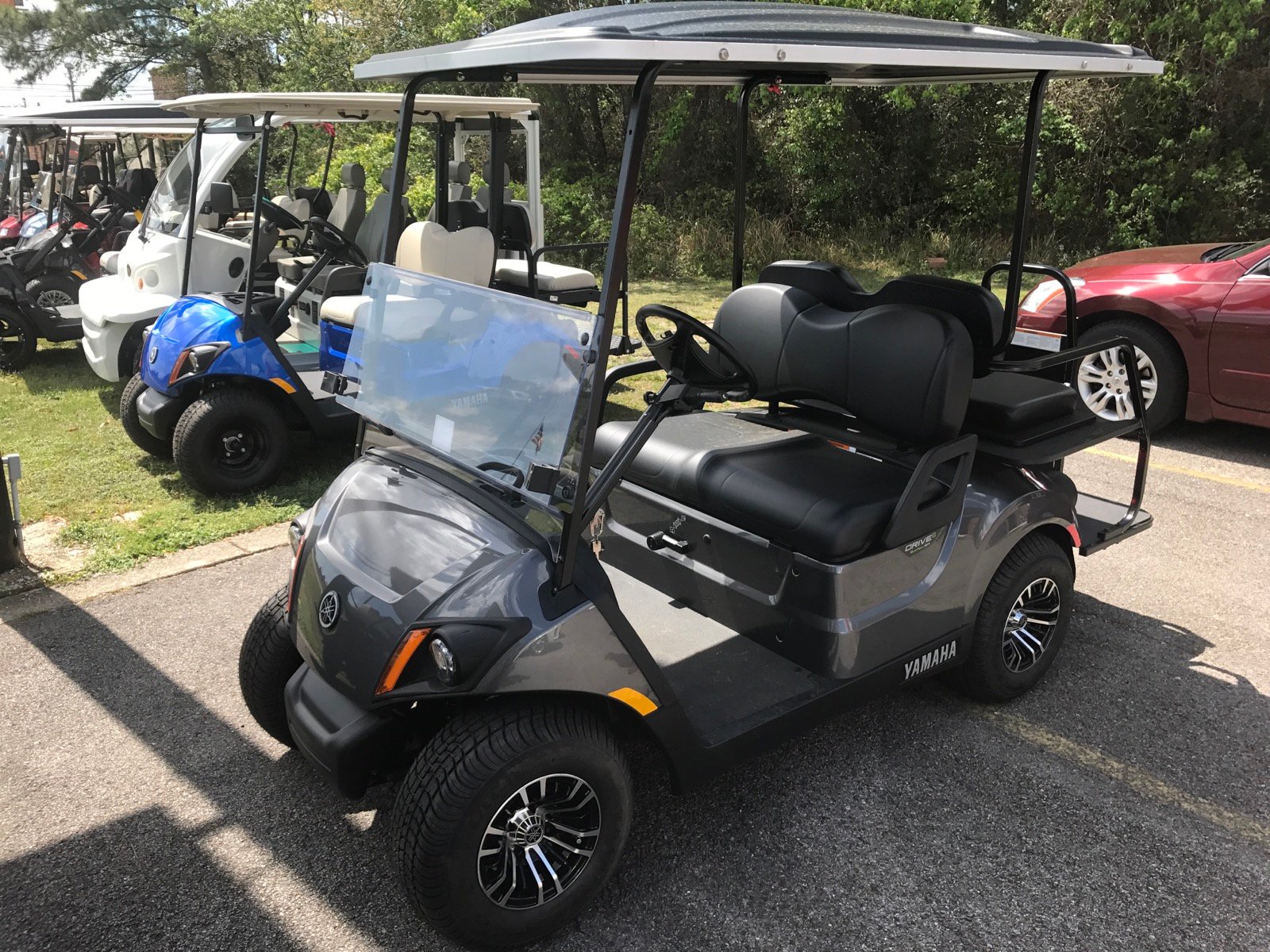
- Electric G29 surging usually starts with speed-sensor feedback, throttle input, solenoid drop, or cable voltage loss.
- Gas G29 hesitation belongs in the fuel, vent, carburetor, and throttle-linkage path before ignition parts.
- Yamaha does not publish one universal public TPS or speed-sensor value, so use the serial-specific manual or measurement method.
A Yamaha G29 (the Drive series) that surges, lurches on initial movement, or hesitates when you press the pedal is sending signal-quality clues. On the electric G29 the speed sensor and throttle (TPS) feed the controller; noisy or out-of-range data makes the cart jerk and hunt. On the gas G29 a tired accelerator-pump circuit and throttle linkage do the same. Diagnose the most common causes in order and the ride smooths out without a parts-cannon approach.
01 : Yamaha G29 Surging vs. Hesitation
Owners use Yamaha G29 surging for several different symptoms, so start by naming the pattern. A steady-speed surge usually means the electric Drive controller is losing a clean speed signal or the gas Drive is leaning out under load. A dead spot when the pedal first moves points more toward throttle input, linkage, solenoid contact drop, or cable voltage loss. A cart that runs smoothly for a few minutes and then hunts after heat builds should be tested again hot, because a marginal connector, TPS, ignition coil, or fuel pump can pass a cold check.
The Drive family matters here. The electric YDRE is a 48V electric golf car with a tow switch and battery charging procedure in the Yamaha owner manual, while the YDRA gas Drive uses the four-stroke fuel and carburetor system covered in its own manual. Do not diagnose both the same way. If you would rather branch by symptom first, the golf cart troubleshooter tool can narrow the starting point, but the table below is the fastest garage sequence.
| Symptom | Likely system | Test | Pass or fail clue |
|---|---|---|---|
| Surges only after the cart is rolling | Electric speed sensor or magnet ring | Inspect the motor speed sensor connector, sensor mount, and magnet ring, then wiggle the harness while the rear wheels are safely lifted. | Beep, speed cap, loss of regen feel, or surge that changes with harness movement points to the speed signal path. |
| Hesitates right as the pedal moves | Throttle sensor, pedal return, or linkage | Sweep the pedal slowly while reading the service-manual TPS output or dealer scan data for that exact model. | A smooth climb passes. Dropouts, jumps, or no change fail. Public sources do not publish one universal G29 TPS voltage range. |
| Lurches with one hard click | Main solenoid or F/R switch path | Measure voltage drop across the closed solenoid main studs and check the forward/reverse switch output under load. | Near zero drop across closed contacts passes. A large drop or intermittent F/R output means resistance in the switching path. |
| Surges harder on hills | Battery cables or pack voltage | Measure pack voltage at rest and again during the surge, then check each cable end for heat after a short loaded run. | Stable pack voltage and cool lugs pass. Sudden sag or one hot lug means battery, cable, or connection resistance before sensor parts. |
| Gas Drive bogs as throttle opens | Carburetor, fuel filter, tank vent, or throttle cable | Loosen the cap for a short test, verify filter flow, inspect throttle cable travel, and clean the carburetor bowl and jets. | If cap loosened changes the symptom, suspect venting. If bowl fuel is low after WOT, suspect pump, filter, or line restriction. |
02 : Electric G29: Start With the Speed Sensor
On the electric G29 Drive, the speed sensor is the first no-parts check for a cart that surges after takeoff. The controller needs wheel-speed feedback to manage acceleration, regen braking, and overspeed protection. When the sensor signal is noisy, the cart can feel like it is being pulled forward and held back in quick cycles.
- Inspect the sensor and connector at the motor for corrosion, loose pins, damaged insulation, and a sensor that is not seated squarely.
- Inspect the magnet ring before buying parts. Cracks, missing magnets, or debris at the ring can create an intermittent signal that only appears above a certain speed.
- Wiggle-test the harness with the rear wheels lifted, the cart secured, and a helper listening or watching for the symptom. A change during the wiggle test is a wiring clue, not proof that the sensor itself is bad.
- Use the service manual for the exact value. Yamaha public owner manuals identify the platform and operating checks, but they do not publish a complete public resistance or pulse-voltage table for every G29 speed sensor.
If the cart also shows a speed cap, harsh regen, or a warning beep, keep the speed sensor high on the list. If it only stumbles at the first inch of pedal travel and then pulls cleanly, move to the throttle and solenoid checks instead.
03 : Throttle (TPS) and the Forward/Reverse Solenoid
The throttle position sensor tells the controller how far the pedal has moved. A dirty connector, failing sensor, sticky pedal return, or misadjusted linkage can make the controller see a jagged command instead of a smooth request for torque. The correct test is not a guessed voltage. Back-probe or scan the TPS according to the Yamaha service information for the exact year and controller, then sweep the pedal slowly from rest to full travel. The reading should move smoothly with no dropouts.
For 2007 to 2013 YDRE parts catalogs and aftermarket references commonly list JW2-H5885-00 as a G29 throttle sensor reference, while later Drive and Drive2 carts can use different throttle parts. Treat that as a catalog clue, not a universal ordering instruction. Confirm by serial number, installed part label, and dealer parts lookup before ordering.
The solenoid and forward/reverse switch are the next checks when the symptom is a lurch right at takeoff. Listen for a single clean click, then measure voltage drop across the closed main contacts. A closed contactor should not be wasting a meaningful amount of pack voltage. If the drop spikes when the cart hesitates, the contactor, cable lugs, or F/R path is adding resistance under load. Yamaha G22/G29 electric F/R switch references are also year and serial specific, so identify the switch by the cart before replacing it.
Parts note: A main solenoid that drops out under load feels exactly like a surge. The sealed 48V replacement is crossed to the G29. See the 48V solenoid
04 : Connections and Motor Brushes
Before condemning a controller, do the electrical test that costs nothing. Charge the pack, set the tow switch correctly, then measure pack voltage at the batteries and at the controller input during the same loaded symptom. The Yamaha YDRE manual shows the cart uses a 48V battery system and calls out battery charging and tow switch handling, but it does not give one public voltage-drop limit for every connection. Use comparison: the voltage at the controller should stay very close to pack voltage while the cart is asking for power.
Work from the batteries outward. Clean and tighten every battery terminal, inspect the main positive and negative cables, check the motor/controller lugs, and look for one warm cable end after a short loaded run. Heat at one lug means resistance at that joint. If the battery pack sags heavily at the exact moment the cart surges, load-test the individual batteries before touching sensors.
One correction to many generic G29 articles: the electric Drive is not diagnosed like an old brushed DC cart in every case. Later Yamaha AC systems do not have motor brushes to inspect. If your exact G29/YDRE motor is an AC motor, focus on controller inputs, speed feedback, contactor drop, and cables. If a serial-specific service manual shows a brushed DC configuration on your cart, then brush inspection belongs in the final mechanical check. If you are considering a motor swap, read whether golf cart motors are interchangeable first, because Yamaha motors and controllers are not universal.
05 : Gas G29 Notes
If yours is the gas G29/YDRA, the surge and hesitation path moves to fuel, air, and throttle linkage. Yamaha’s gas Drive owner manual identifies unleaded gasoline as the required fuel and tells owners to avoid gasoline blended with methyl alcohol because it can damage fuel-system parts. It also calls out fuel-line, fuel-filter, carburetor, and spark-plug checks in the maintenance and troubleshooting sections. That gives the correct order: fuel delivery first, ignition second.
| Gas G29 check | How to test it | What confirms it | Fix |
|---|---|---|---|
| Tank vent | Run a short controlled test with the cap loosened. | Hesitation improves only with the cap loosened. | Clear or replace the cap or vent path. |
| Fuel filter and lines | Inspect for age cracks, kinks, loose clamps, and restricted filter flow. | Weak flow to carburetor or air bubbles in the line under throttle. | Replace filter and suspect hoses with correct fuel-rated line. |
| Pulse fuel pump | Check pulsing fuel delivery into a safe container while cranking or running briefly. | Dribble flow or no pulse with good fuel supply. | Repair cracked pulse line first, then replace pump if output is still weak. |
| Carburetor bowl and jets | Drain the bowl and inspect for varnish or water, then clean the main circuit. | Cart idles but falls flat as throttle opens. | Clean carburetor thoroughly or rebuild with serial-correct parts. |
| Throttle cable and governor linkage | Watch the carb throttle plate while the pedal moves. | Delayed, partial, or sticky movement. | Adjust linkage to the service manual and replace worn cable parts. |
The diagnostic mindset mirrors the gas cart sputters-and-dies fuel-delivery guide. This is also different from the steering complaint in the G29 Drive loose-steering guide, so separate drivetrain surge from front-end wander before ordering parts.
If the surge is fixed but your electric G29 still runs out of pull with passengers or on hills, that is the stock drive reaching its limit. Our Yamaha Drive speed upgrade guide compares the TSX 3.0 and AC conversion kits by connector.
06 : Bottom Line
Yamaha G29 surging and hesitation is a test sequence, not a parts list. On the electric Drive, identify whether the fault begins at takeoff, at steady speed, or under hill load, then test speed sensor feedback, throttle sweep, solenoid/F&R voltage drop, and battery-cable voltage loss in that order. On the gas Drive, verify venting, fuel flow, pulse pump output, carburetor cleanliness, and linkage before chasing ignition. Where Yamaha does not publish one public spec for every year, use the serial-specific manual, dealer lookup, or a direct measurement method instead of borrowing a number from a different cart.
A Yamaha G29 that surges is not asking for a parts cannon. Match the symptom to the moment it appears: speed-sensor feedback after rolling, throttle input at takeoff, voltage drop under hill load, or fuel delivery on gas models.
FAQ
Why is my Yamaha G29 surging?
A Yamaha G29 can surge when the controller receives noisy speed-sensor data, jagged throttle input, voltage drop through cables or solenoid contacts, or weak fuel delivery on gas models. The first useful clue is whether it happens at takeoff, steady speed, hills, or only after heat builds.
Should I replace the speed sensor first?
Inspect and test it first, but do not automatically replace it. Check the connector, sensor mount, magnet ring, harness movement, and whether the symptom changes with speed before buying parts.
Can a bad battery cable cause G29 hesitation?
Yes. A loose or corroded battery or controller cable can pass light current but drop voltage under load, which feels like lurching or hesitation. Measure voltage at the pack and controller during the symptom.
Are gas and electric G29 surging faults diagnosed the same way?
No. Electric G29 carts focus on speed feedback, throttle input, solenoid drop, and pack voltage. Gas G29 carts focus on tank venting, fuel flow, pulse pump output, carburetor cleanliness, and throttle linkage.