Cushman Golf Cart Won’t Move: Drive System Fix
A Cushman that starts but won’t move usually traces to the parking brake, drive belt, clutches, direction linkage, or rear axle, and Cushman’s own service and parts manuals publish real part numbers and torque specs for every one of those checks.
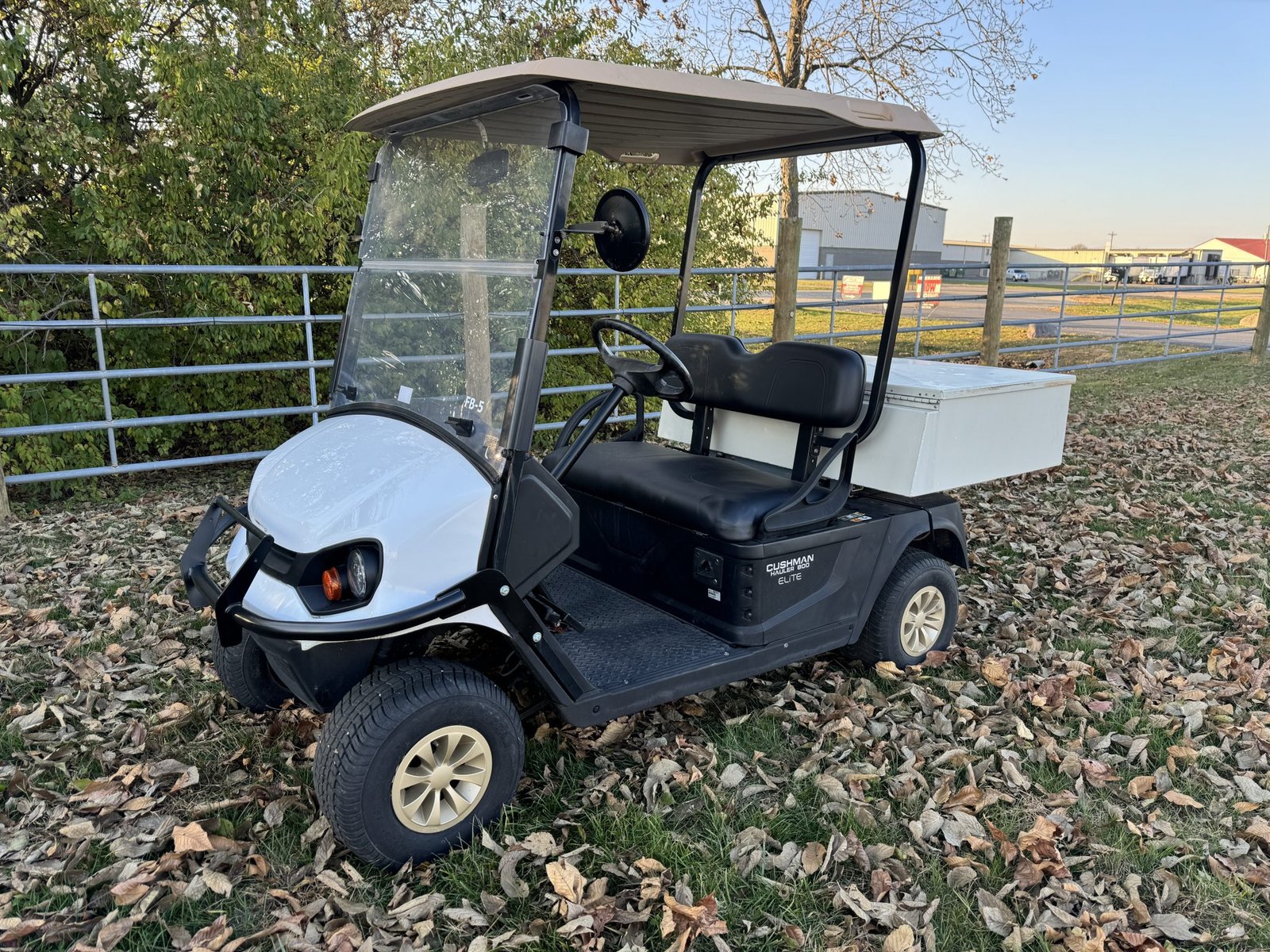
- The Hauler/Titan drivetrain is a CVT, not a fixed gearbox: drive clutch, belt (part 618630), and driven clutch (TEAM clutches 623948/623949) do the work of shifting.
- Clutch retaining bolts torque to 55-62 ft-lbs on the 2012 Hauler 800X/1200X platform; a stuck or improperly torqued clutch will not let the belt climb.
- The direction selector cable is adjusted in Reverse, with no more than 1/8 in. gap at the Forward stop; a neutral lock left engaged mimics a dead transaxle.
- Rear axle oil is 51 oz. (1.5 L) of Mobil 424 plus 2 oz. (60 ml) friction modifier on limited-slip axles; low or wrong fluid causes noise and heat before a full no-move failure.
- Work the chain in order: brake, belt/clutch, linkage/neutral lock, then axle/hub/transaxle, and stop at the first part that doesn’t do its job.
A utility Cushman can run perfectly and still refuse to move if the parking brake drags, the belt is loose or glazed, the direction linkage is out of adjustment, or the driven clutch does not respond. Because the drivetrain is an automatic CVT feeding a differential transaxle rather than a fixed-ratio gearbox, the fastest diagnosis separates an engine problem from a belt/clutch, selector, brake, or axle problem, then uses Cushman’s actual published parts and torque data instead of guessing.
Separate engine from drive
If the engine revs but the cart does not move, the fault is after the engine, somewhere in the belt, clutches, selector, or axle. If the engine will not rev under pedal at all, look at throttle linkage or governor behavior first, since that’s a different fault chain entirely (covered in the bogs down guide).
- Brake: Confirm the parking brake releases fully and neither rear wheel drags after a short attempt to move.
- Belt: Inspect for glazing, cracking, missing chunks, or a belt riding too low in the drive clutch.
- Direction: Make sure the forward/reverse linkage reaches its detent and the neutral lock isn’t engaged.
No-move pattern table
Current Hauler 800 EFI and Hauler 1200X gas manuals identify the drivetrain as an automatic CVT feeding a differential transaxle, with an 11.47:1 forward axle ratio and 14.35:1 reverse ratio, and list clutch drive belt part number 618630. The 2012 Hauler 800X/1200X service platform documents the same CVT architecture with a Kawasaki 401cc carbureted engine and a ground-speed governor built into the rear axle. Match your symptom to the row below before ordering parts.
| No-move pattern | Verified Cushman data | First check before buying parts |
|---|---|---|
| Engine revs, cart barely creeps, rubber smell | Hauler 800 EFI/1200X list belt 618630; Hauler 800X parts manual adds primary TEAM clutch 623948, secondary TEAM clutch 623949, secondary compression spring 624111. | Inspect belt sidewalls for glazing, cords, missing chunks, or a belt riding too low. Wash dusty/muddy belts with plain water; replace any frayed or badly worn belt. |
| Belt doesn’t climb the drive clutch | Drive clutch is centrifugal (engine-mounted); driven clutch is load-sensing (rear axle). Both clutch retaining bolts torque to 55-62 ft-lbs (74-84 Nm) on the 2012 Hauler 800X/1200X platform. | With the cart secured, check for a stuck sheave, missing clutch movement, a broken spring, or oily clutch faces. Never lubricate clutch faces. Clutch puller 608429 is the specified removal tool. |
| Selector feels loose, won’t engage forward/reverse | The 2012 manual’s single-cable direction selector is adjusted with the selector in Reverse: the cam should contact both stops, or the reverse stop with no more than a 1/8 in. gap at Forward. | Check cable ends, cam travel, and neutral lock before suspecting the transaxle. A locked neutral lock stops the driven clutch from turning the rear wheels, which mimics a major failure. |
| Rolls, but one rear hub clicks or chatters | Hauler 800X parts manual lists rear axle assembly 627891, passenger axle shaft 607946, driver axle shaft 607945, slotted axle nut 606403. A universal hub key part number was not found in this public parts PDF. | Inspect splines, drum/hub seating, and axle nut torque (minimum 70 ft-lbs, then align for the cotter pin). |
| No drive plus gear noise, heat, or oil leak | Current gas manuals list rear axle oil as 51 oz. (1.5 L) of Mobil 424 plus 2 oz. (60 ml) friction modifier on limited-slip axles. | Check the driver-side rear housing plug; correct level is just below the bottom of the threaded check hole. |
The practical read: if the engine accelerates normally but the wheels don’t respond, confirm belt 618630 and clutch movement first. If those check out, move to selector cable travel, the neutral lock, rear axle lubricant level, then hub or axle damage. Exact axle assembly and cable part numbers still split by model year and build range, so confirm fitment against your serial tag before ordering.
Drive belt and clutches
The gas Cushman Hauler drives through a variable-ratio belt and two clutches, not a fixed gearbox, so almost every runs-but-won’t-move complaint on these carts lands somewhere in that CVT path. The engine-mounted drive clutch squeezes the belt higher as engine speed rises; the rear-axle driven clutch reacts to that. When the engine revs freely but the cart barely creeps, the belt is slipping in the sheaves. Look for a glazed shiny surface, cracked ribs, missing chunks, or a pile of black rubber dust in the clutch housing; any of those means the belt is done and no adjustment brings it back.
A quirk worth knowing: a stretched or undersized belt sits too low in the drive clutch at idle and can drag the cart or fail to fully disengage, while a worn belt slips under load on a hill. Same part, two opposite symptoms. Watch the clutches move with the drive wheels safely off the ground: blip the throttle and confirm the drive clutch closes, the belt climbs, and the driven clutch turns the input shaft. If the belt looks fine but the driven clutch is sticky or gummed with dirt, it won’t shift properly, and these clutches collect worksite grit because the cart lives outdoors.
Linkage, neutral lock, and transaxle
Don’t condemn the transaxle until the direction selector proves it’s actually moving the rear axle shift lever through its full travel. On the 2012 Hauler 800X/1200X platform, the single-cable direction selector is adjusted with the selector in Reverse: the forward threaded fitting is adjusted until the cam contacts both stops, or contacts the reverse stop with no more than a 1/8 in. gap at Forward. If that doesn’t bring both stops into range, the rear axle cable mount fitting is adjusted next, a real documented procedure, not a generic “wiggle the shifter” check.
Also check the neutral lock. Cushman’s service manual notes it exists to stop the driven clutch from turning the rear wheels during service and to reduce belt wear while towing. Left locked, the cart can act like a major drivetrain failure even when the belt, clutches, and engine are all fine. Confirm the lock pin handle is released into the operate position, then verify the selector reaches Forward and Reverse cleanly before running the engine.
The transaxle has published lubricant data: current Hauler 800 EFI/1200X gas manuals list rear axle oil capacity as 51 oz. (1.5 L) of Mobil 424, plus 2 oz. (60 ml) friction modifier where the axle requires it. The check plug is on the driver side rear of the housing; correct level is just below the bottom of the threaded hole. Low fluid, wrong fluid, or a leaking axle produces noise and heat before it becomes a full no-move failure.
For axle hardware, the public Hauler 800X parts manual verifies rear axle assembly 627891, rear axle 11.47:1 632513 (vehicles built from April 2014), optional LSD rear axle 637674, passenger axle shaft 607946, driver axle shaft 607945, and slotted nut 606403. It does not expose one universal axle key part number for every Hauler/Titan build year in the public PDF reviewed here; if your failure looks like a spun hub, use the serial tag and axle assembly number for dealer lookup rather than guessing a key by part number.
Keep the brake system in the no-move path too. A dragging parking brake or stuck cable can make a healthy CVT feel dead. Feel for brake heat and confirm the cart rolls freely in neutral before opening the transaxle.
Axle keys, hubs, and deeper faults
If the belt, clutches, brake, and linkage all check out, the failure is deeper in the drivetrain. A classic Cushman fault is a sheared or rounded axle key: the wheel hub is driven by a small key seated in a keyway, and years of hard starts and heavy loads can round that key or wallow the keyway. When it lets go, you get one wheel spinning freely while the cart won’t drive, or a clunk followed by no motion. Pull the hub and inspect the key and keyway directly.
Finally, the transaxle itself: listen for grinding, check lubricant level if the unit is serviceable, and be honest about mileage. A utility Cushman that has hauled loads for years can wear internal gears, but that’s the last suspect, not the first. Work the path from pedal to wheels and stop at the first part that doesn’t do its job.
Related Diagnostics
Stay inside the same brand cluster so model assumptions remain consistent. Use the Cushman Hub for model context, or run the golf cart troubleshooter if you want a symptom-first path.
All of the checks above assume the fault is electrical. If the motor spins while the cart stays still, the electrical side has already proved itself and the break is mechanical, which is covered in the guide to a golf cart that will not move while the motor spins.
Frequently Asked Questions
Why won’t my Cushman move even though it starts?
Most no-move failures are parking brake drag, a worn belt, a clutch issue, forward/reverse linkage out of adjustment, a sheared axle key, hub wear, or transaxle trouble.
Can a drive belt stop a Cushman from moving?
Yes. A glazed, loose, or broken drive belt can let the engine rev while the cart barely moves or does not move at all; Cushman’s own parts manuals list belt part number 618630 for the Hauler/Titan CVT.
Why does my Cushman grind when shifting?
Grinding usually points to shift linkage adjustment, worn cable ends, clutch drag, or internal transaxle wear. Confirm the direction selector cable is adjusted per the Reverse-position procedure before suspecting the transaxle itself.